
UK Rental Market Faces Growing Affordability Crisis Amid Rising Costs
In This Article
HIGHLIGHTS
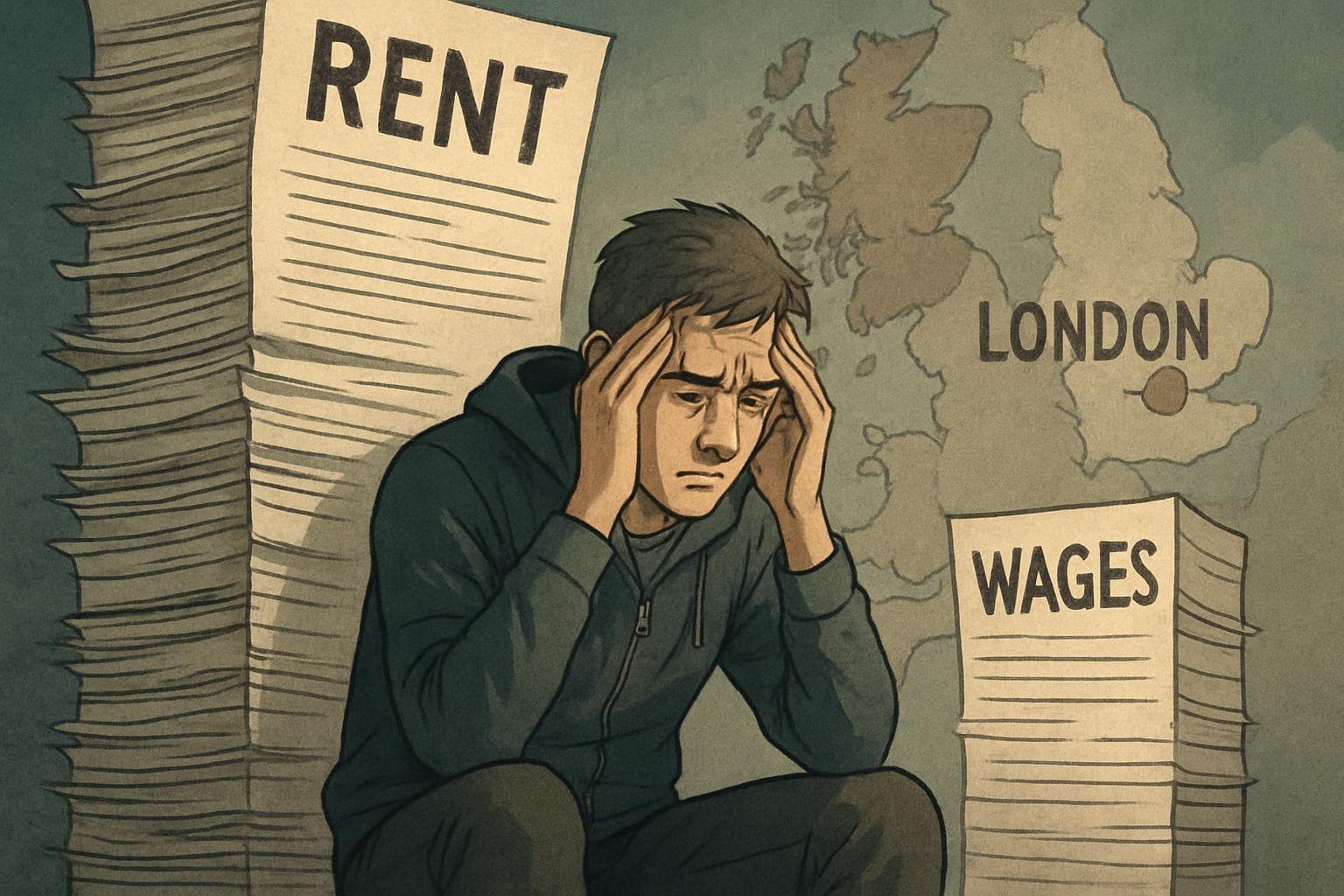
- Rental affordability has declined across the UK, with tenants spending an average of 36.3% of their income on rent in 2024.
- Northern Ireland remains one of the more affordable regions, with a rent-to-income ratio of 25.3%, despite recent increases.
- London is the least affordable area, with tenants spending up to 74.3% of their income on rent in some boroughs.
- Bristol and Bath are among the top 20 least affordable areas, with rent costs exceeding 40% of household income.
- Calls for rent regulation are growing as rental costs continue to outpace wage increases, exacerbating the housing crisis.
The affordability of rental properties across the UK has significantly declined, with tenants now spending an average of 36.3% of their income on rent, according to the latest data from the Office for National Statistics (ONS). This marks a notable increase from 34.2% in 2023, highlighting the growing strain on renters as housing costs continue to rise faster than wages.
Regional Disparities in Rental Affordability
While Northern Ireland remains one of the more affordable regions, with a rent-to-income ratio of 25.3%, the situation is starkly different in other parts of the UK. London, in particular, stands out as the least affordable area, with tenants in some boroughs like Kensington and Chelsea spending up to 74.3% of their income on rent. This trend is mirrored in other cities such as Bristol and Bath, where rent costs have consistently exceeded 40% of household income.
Factors Driving the Housing Crisis
The ONS attributes the rising rental costs to several factors, including the presence of universities and commuter routes to larger cities, which drive up demand. Sarah Coles, head of personal finance at Hargreaves Lansdown, noted that landlords are selling properties due to concerns over increased regulation and taxes, leading to fewer available rentals and higher prices. "Although wages have risen, they have been consistently outpaced by private rental increases," she explained.
Calls for Rent Regulation
The escalating costs have fueled calls for rent regulation to address the affordability crisis. Tom Darling, director at the Renters’ Reform Coalition, emphasized the urgency of the situation, stating, "While the government’s renters’ rights bill will introduce crucial improvements, it won’t put a lid on the affordability crisis." With many renters forced to cut back on essentials to afford their housing, the issue is expected to be a significant point of contention in upcoming political debates.
WHAT THIS MIGHT MEAN
As rental costs continue to rise, the pressure on policymakers to implement rent regulation is likely to intensify. If current trends persist, more regions could see rent-to-income ratios surpassing the 30% affordability threshold, exacerbating the housing crisis. Experts suggest that without intervention, the gap between rental costs and wages will widen, potentially leading to increased homelessness and financial instability for many households. The upcoming elections may serve as a pivotal moment for addressing these challenges, with housing affordability expected to be a key issue for voters.
Related Articles
Middle East Conflict Drives UK Energy Prices to New Highs

Police Federation Chief Arrested Amid Fraud Investigation

Saharan Dust to Illuminate UK Skies with Vivid Sunrises and Sunsets

Canada and Australia Forge Strategic Partnership Amid Global Uncertainty

UK Government to Reform Asylum Seeker Support and Employment Policies

UK Faces Dilemmas Amid Iran Conflict and China Spying Allegations
UK Rental Market Faces Growing Affordability Crisis Amid Rising Costs
In This Article
 Daniel Rivera| Published
 HIGHLIGHTS
- Rental affordability has declined across the UK, with tenants spending an average of 36.3% of their income on rent in 2024.
- Northern Ireland remains one of the more affordable regions, with a rent-to-income ratio of 25.3%, despite recent increases.
- London is the least affordable area, with tenants spending up to 74.3% of their income on rent in some boroughs.
- Bristol and Bath are among the top 20 least affordable areas, with rent costs exceeding 40% of household income.
- Calls for rent regulation are growing as rental costs continue to outpace wage increases, exacerbating the housing crisis.
The affordability of rental properties across the UK has significantly declined, with tenants now spending an average of 36.3% of their income on rent, according to the latest data from the Office for National Statistics (ONS). This marks a notable increase from 34.2% in 2023, highlighting the growing strain on renters as housing costs continue to rise faster than wages.
Regional Disparities in Rental Affordability
While Northern Ireland remains one of the more affordable regions, with a rent-to-income ratio of 25.3%, the situation is starkly different in other parts of the UK. London, in particular, stands out as the least affordable area, with tenants in some boroughs like Kensington and Chelsea spending up to 74.3% of their income on rent. This trend is mirrored in other cities such as Bristol and Bath, where rent costs have consistently exceeded 40% of household income.
Factors Driving the Housing Crisis
The ONS attributes the rising rental costs to several factors, including the presence of universities and commuter routes to larger cities, which drive up demand. Sarah Coles, head of personal finance at Hargreaves Lansdown, noted that landlords are selling properties due to concerns over increased regulation and taxes, leading to fewer available rentals and higher prices. "Although wages have risen, they have been consistently outpaced by private rental increases," she explained.
Calls for Rent Regulation
The escalating costs have fueled calls for rent regulation to address the affordability crisis. Tom Darling, director at the Renters’ Reform Coalition, emphasized the urgency of the situation, stating, "While the government’s renters’ rights bill will introduce crucial improvements, it won’t put a lid on the affordability crisis." With many renters forced to cut back on essentials to afford their housing, the issue is expected to be a significant point of contention in upcoming political debates.
WHAT THIS MIGHT MEAN
As rental costs continue to rise, the pressure on policymakers to implement rent regulation is likely to intensify. If current trends persist, more regions could see rent-to-income ratios surpassing the 30% affordability threshold, exacerbating the housing crisis. Experts suggest that without intervention, the gap between rental costs and wages will widen, potentially leading to increased homelessness and financial instability for many households. The upcoming elections may serve as a pivotal moment for addressing these challenges, with housing affordability expected to be a key issue for voters.
Related Articles
Middle East Conflict Drives UK Energy Prices to New Highs
Police Federation Chief Arrested Amid Fraud Investigation
Saharan Dust to Illuminate UK Skies with Vivid Sunrises and Sunsets
Canada and Australia Forge Strategic Partnership Amid Global Uncertainty
UK Government to Reform Asylum Seeker Support and Employment Policies
UK Faces Dilemmas Amid Iran Conflict and China Spying Allegations