
UK Government Launches Landmark Review of Parental Leave System
In This Article
HIGHLIGHTS
- The UK government has initiated a comprehensive review of parental leave and pay to modernize the system for working families.
- Current statutory maternity leave allows up to 52 weeks off, with pay for 39 weeks, while paternity leave offers two weeks of paid leave.
- Campaigners argue the existing system is inadequate, with many fathers unable to afford taking paternity leave.
- The review aims to address low uptake of shared parental leave and explore making parental leave a day-one right.
- Business Secretary Jonathan Reynolds emphasizes the need for a system that supports both parents and businesses without adding financial burdens.
The UK government has embarked on a landmark review of the country's parental leave and pay system, aiming to modernize and improve support for working families. This initiative comes amid growing concerns that the current framework is outdated and insufficient for the needs of modern parents.
Current System Under Scrutiny
Statutory maternity leave in the UK currently allows new mothers to take up to 52 weeks off work, with pay provided for 39 weeks. During the first six weeks, mothers receive 90% of their average weekly earnings, followed by a lower rate of either £187.18 per week or 90% of their earnings for the remaining 33 weeks. Fathers, on the other hand, are entitled to just two weeks of paid paternity leave, which is similarly capped at £187.18 per week or 90% of their earnings, whichever is lower.
Calls for Change
Campaigners have long criticized the system as one of the worst in the developed world, citing its fundamental flaws and the financial barriers it imposes on families. The Dad Shift, a campaign group advocating for parental leave reform, described the review as the "best chance in a generation" to create a system that truly supports working families. The Women and Equalities Committee's June report called for bold action, warning that significant investment would be necessary to address these issues.
Government's Commitment to Reform
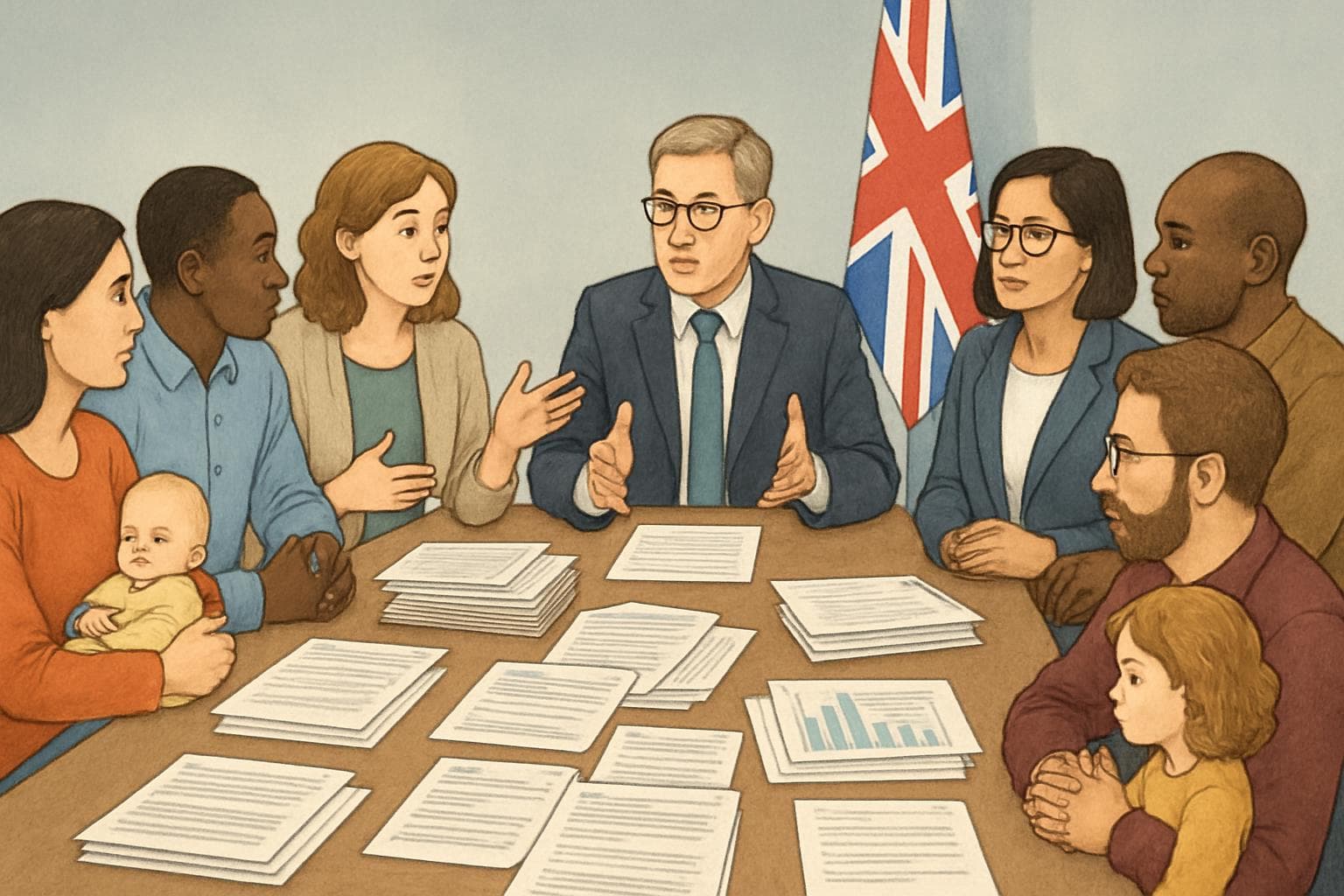
Business Secretary Jonathan Reynolds has acknowledged the need for a comprehensive overhaul, stating that the system has not been seriously reviewed for decades. He emphasized the importance of creating a framework that balances the needs of parents and businesses, without imposing additional financial burdens on employers. "The arrival of a child is a life-changing moment," Reynolds said. "We want to make sure parents get the support they need to balance work and family life."
Protests and Public Sentiment
Recent protests in London and Edinburgh highlighted the public's demand for better paternity leave, with demonstrators arguing that improved leave policies could help close the gender pay gap by enabling families to share childcare responsibilities more equitably. Angela Rayner, the deputy prime minister, stressed the importance of supporting working parents, noting that the early years are crucial for families and the economy alike.
WHAT THIS MIGHT MEAN
The outcome of this review could significantly reshape the landscape of parental leave in the UK. If successful, it may lead to increased uptake of shared parental leave, helping to address gender disparities in the workplace. However, implementing substantial changes will require careful consideration of the financial implications for both the government and businesses. Experts suggest that a well-designed system could enhance workforce participation and productivity by allowing parents to better balance their professional and personal lives. As the review progresses, stakeholders from various sectors will likely weigh in, shaping the future of parental leave policy in the UK.
Related Articles

Labour MP's Husband Arrested in UK-China Espionage Probe
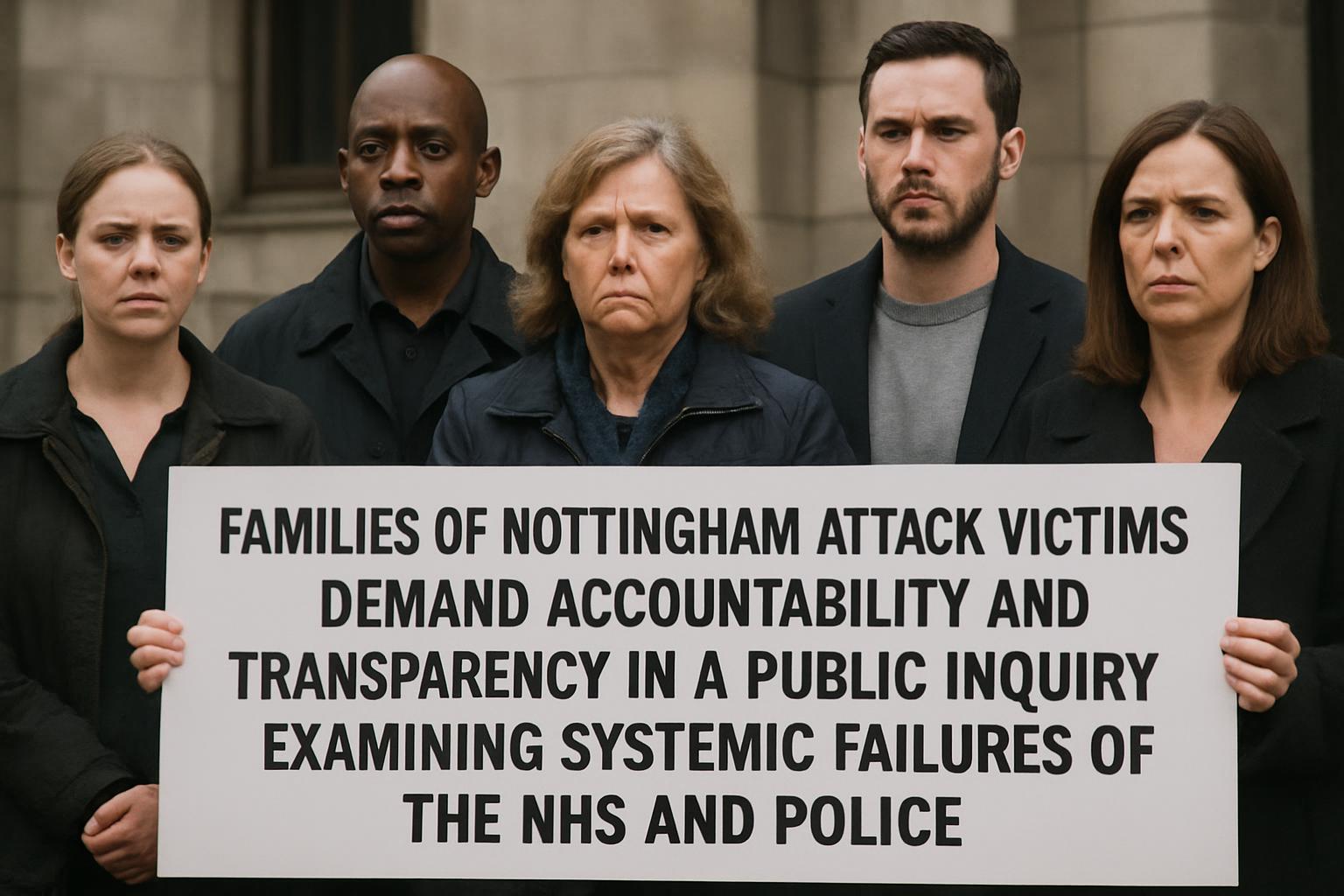
Nottingham Attacks Inquiry: Families Demand Accountability and Truth

Prince Andrew's Ties to Epstein Under Scrutiny Amid Calls for Inquiry

Government Criticized for Mishandling Maccabi Tel Aviv Fan Ban

Prince Andrew's Arrest Intensifies Scrutiny on Royal Succession and Prince William's Future Role

UK Police Intensify Investigation into Andrew Mountbatten-Windsor Amid Misconduct Allegations
UK Government Launches Landmark Review of Parental Leave System
In This Article
 Ethan Brooks| Published
 HIGHLIGHTS
- The UK government has initiated a comprehensive review of parental leave and pay to modernize the system for working families.
- Current statutory maternity leave allows up to 52 weeks off, with pay for 39 weeks, while paternity leave offers two weeks of paid leave.
- Campaigners argue the existing system is inadequate, with many fathers unable to afford taking paternity leave.
- The review aims to address low uptake of shared parental leave and explore making parental leave a day-one right.
- Business Secretary Jonathan Reynolds emphasizes the need for a system that supports both parents and businesses without adding financial burdens.
The UK government has embarked on a landmark review of the country's parental leave and pay system, aiming to modernize and improve support for working families. This initiative comes amid growing concerns that the current framework is outdated and insufficient for the needs of modern parents.
Current System Under Scrutiny
Statutory maternity leave in the UK currently allows new mothers to take up to 52 weeks off work, with pay provided for 39 weeks. During the first six weeks, mothers receive 90% of their average weekly earnings, followed by a lower rate of either £187.18 per week or 90% of their earnings for the remaining 33 weeks. Fathers, on the other hand, are entitled to just two weeks of paid paternity leave, which is similarly capped at £187.18 per week or 90% of their earnings, whichever is lower.
Calls for Change
Campaigners have long criticized the system as one of the worst in the developed world, citing its fundamental flaws and the financial barriers it imposes on families. The Dad Shift, a campaign group advocating for parental leave reform, described the review as the "best chance in a generation" to create a system that truly supports working families. The Women and Equalities Committee's June report called for bold action, warning that significant investment would be necessary to address these issues.
Government's Commitment to Reform
Business Secretary Jonathan Reynolds has acknowledged the need for a comprehensive overhaul, stating that the system has not been seriously reviewed for decades. He emphasized the importance of creating a framework that balances the needs of parents and businesses, without imposing additional financial burdens on employers. "The arrival of a child is a life-changing moment," Reynolds said. "We want to make sure parents get the support they need to balance work and family life."
Protests and Public Sentiment
Recent protests in London and Edinburgh highlighted the public's demand for better paternity leave, with demonstrators arguing that improved leave policies could help close the gender pay gap by enabling families to share childcare responsibilities more equitably. Angela Rayner, the deputy prime minister, stressed the importance of supporting working parents, noting that the early years are crucial for families and the economy alike.
WHAT THIS MIGHT MEAN
The outcome of this review could significantly reshape the landscape of parental leave in the UK. If successful, it may lead to increased uptake of shared parental leave, helping to address gender disparities in the workplace. However, implementing substantial changes will require careful consideration of the financial implications for both the government and businesses. Experts suggest that a well-designed system could enhance workforce participation and productivity by allowing parents to better balance their professional and personal lives. As the review progresses, stakeholders from various sectors will likely weigh in, shaping the future of parental leave policy in the UK.
Related Articles
Labour MP's Husband Arrested in UK-China Espionage Probe
Nottingham Attacks Inquiry: Families Demand Accountability and Truth
Prince Andrew's Ties to Epstein Under Scrutiny Amid Calls for Inquiry
Government Criticized for Mishandling Maccabi Tel Aviv Fan Ban
Prince Andrew's Arrest Intensifies Scrutiny on Royal Succession and Prince William's Future Role
UK Police Intensify Investigation into Andrew Mountbatten-Windsor Amid Misconduct Allegations