
UK Sanctions RSF Commanders Amid Sudan's Escalating Humanitarian Crisis
In This Article
HIGHLIGHTS
- The UK has sanctioned four RSF commanders, including Brig Gen Al-Fateh Abdullah Idris, for their roles in the El Fasher massacre.
- The sanctions include travel bans and asset freezes, targeting commanders responsible for mass killings and systematic violence.
- The UK Foreign Secretary condemned the atrocities in Sudan, pledging an additional £21 million in aid for affected civilians.
- The RSF's actions in El Fasher have been linked to a broader humanitarian crisis in Sudan, with fears of conflict spreading to neighboring regions.
- The UK has opted for diplomatic leverage over direct action against the RSF's backers, including the UAE, amid ongoing tensions.
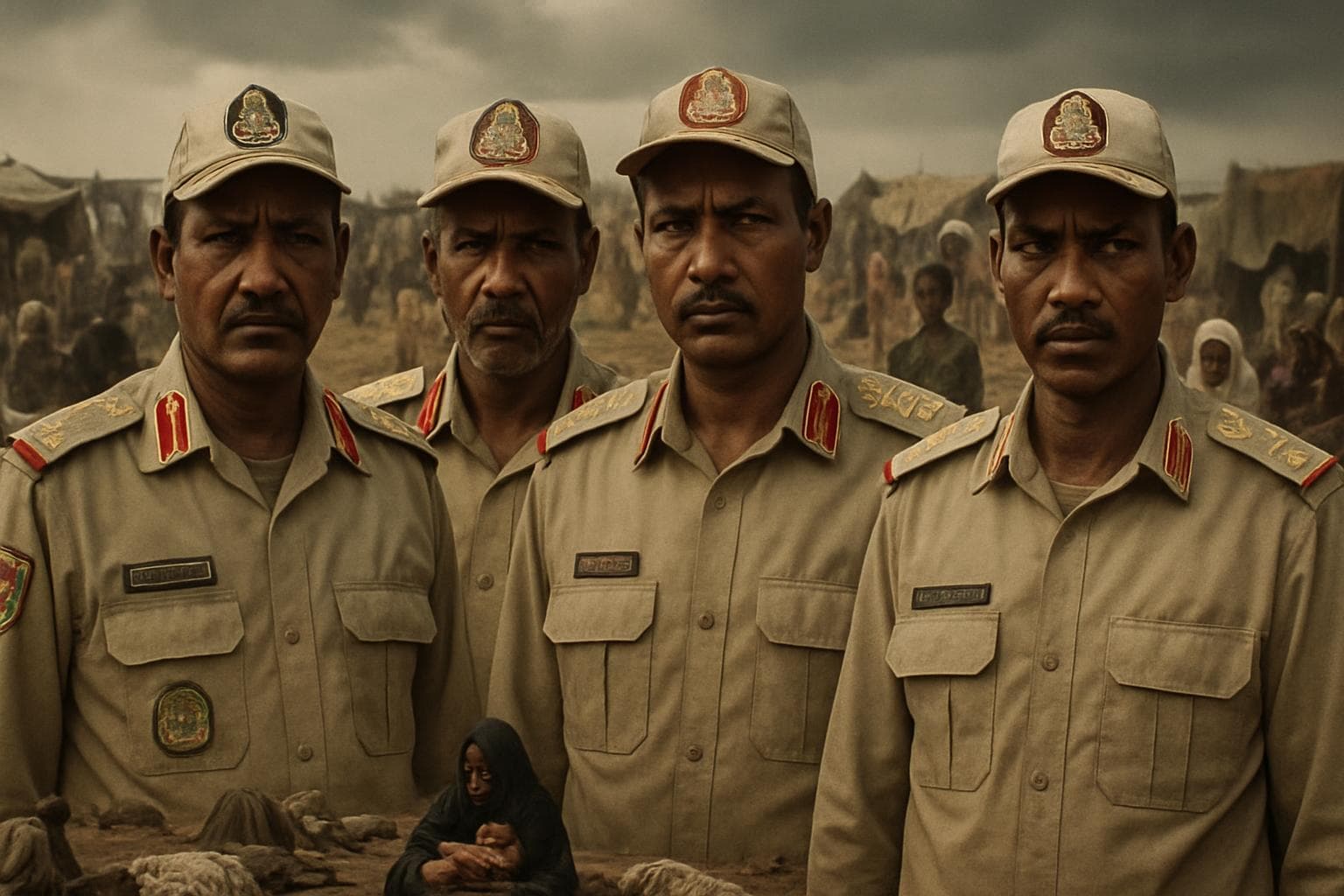
The United Kingdom has imposed sanctions on four senior commanders of Sudan's paramilitary Rapid Support Forces (RSF), holding them accountable for their involvement in the massacre at El Fasher. This move comes as the international community grapples with the ongoing humanitarian crisis in Sudan, exacerbated by the prolonged civil war.
Sanctions Target Key RSF Figures
Among those sanctioned is Brig Gen Al-Fateh Abdullah Idris, also known as Abu Lulu, who was captured on video executing unarmed captives following the RSF's seizure of El Fasher in late October. The UK government, in collaboration with BBC Verify, confirmed his role in the atrocities. The sanctions, which include travel bans and asset freezes, also target Abdul Rahim Hamdan Dagalo, the RSF's deputy leader and brother of the group's chief, Mohamed "Hemedti" Dagalo, as well as commanders Gedo Hamdan Ahmed and Tijani Ibrahim Moussa Mohamed.
Humanitarian Aid and Diplomatic Strategy
UK Foreign Secretary Yvette Cooper described the violence in Sudan as "a scar on the conscience of the world," emphasizing the need for accountability. In addition to the sanctions, the UK has pledged an additional £21 million to provide essential aid, including food, shelter, and health services, to civilians affected by the conflict. Despite the severity of the situation, the UK has chosen to leverage diplomatic channels with the RSF's backers, such as the UAE, rather than imposing direct sanctions on them.
Broader Implications and Regional Concerns
The conflict, which erupted in April 2023, has led to what the UN describes as the world's worst humanitarian crisis, with communities in Darfur facing famine and malnutrition. The RSF's siege of El Fasher, which lasted 18 months, has been a focal point of the violence. British officials have expressed concerns that the conflict could spill over into neighboring South Sudan and Eritrea, further destabilizing the region. The complex geopolitical landscape, marked by rivalries between the UAE and Saudi Arabia, adds another layer of tension to the ongoing crisis.
WHAT THIS MIGHT MEAN
The UK's sanctions against RSF commanders mark a significant step in holding those responsible for the El Fasher massacre accountable. However, the decision to refrain from sanctioning the RSF's backers, such as the UAE, reflects a strategic choice to maintain diplomatic leverage. This approach could influence future negotiations and efforts to broker a ceasefire in Sudan's civil war.
As the humanitarian crisis deepens, the international community faces mounting pressure to address the root causes of the conflict and provide sustained support to affected populations. The potential for the conflict to spread to neighboring regions underscores the urgency of finding a resolution. Experts suggest that continued diplomatic engagement, coupled with targeted sanctions, may offer the best path forward in mitigating the crisis and preventing further escalation.
Related Articles
UN Report: Sudan's El Fasher Siege Shows Genocide Hallmarks

Russia-Ukraine Conflict: Four Years of Unyielding Struggle and Human Resilience

Andrew Mountbatten-Windsor Arrested Amid Misconduct Allegations

British Couple's 10-Year Sentence in Iran Sparks Outcry

Breakthrough Drug Offers Hope for Children with Severe Epilepsy

Arrest of Andrew Mountbatten-Windsor Captured in Iconic Photograph
UK Sanctions RSF Commanders Amid Sudan's Escalating Humanitarian Crisis
In This Article
 Ethan Brooks| Published
 HIGHLIGHTS
- The UK has sanctioned four RSF commanders, including Brig Gen Al-Fateh Abdullah Idris, for their roles in the El Fasher massacre.
- The sanctions include travel bans and asset freezes, targeting commanders responsible for mass killings and systematic violence.
- The UK Foreign Secretary condemned the atrocities in Sudan, pledging an additional £21 million in aid for affected civilians.
- The RSF's actions in El Fasher have been linked to a broader humanitarian crisis in Sudan, with fears of conflict spreading to neighboring regions.
- The UK has opted for diplomatic leverage over direct action against the RSF's backers, including the UAE, amid ongoing tensions.
The United Kingdom has imposed sanctions on four senior commanders of Sudan's paramilitary Rapid Support Forces (RSF), holding them accountable for their involvement in the massacre at El Fasher. This move comes as the international community grapples with the ongoing humanitarian crisis in Sudan, exacerbated by the prolonged civil war.
Sanctions Target Key RSF Figures
Among those sanctioned is Brig Gen Al-Fateh Abdullah Idris, also known as Abu Lulu, who was captured on video executing unarmed captives following the RSF's seizure of El Fasher in late October. The UK government, in collaboration with BBC Verify, confirmed his role in the atrocities. The sanctions, which include travel bans and asset freezes, also target Abdul Rahim Hamdan Dagalo, the RSF's deputy leader and brother of the group's chief, Mohamed "Hemedti" Dagalo, as well as commanders Gedo Hamdan Ahmed and Tijani Ibrahim Moussa Mohamed.
Humanitarian Aid and Diplomatic Strategy
UK Foreign Secretary Yvette Cooper described the violence in Sudan as "a scar on the conscience of the world," emphasizing the need for accountability. In addition to the sanctions, the UK has pledged an additional £21 million to provide essential aid, including food, shelter, and health services, to civilians affected by the conflict. Despite the severity of the situation, the UK has chosen to leverage diplomatic channels with the RSF's backers, such as the UAE, rather than imposing direct sanctions on them.
Broader Implications and Regional Concerns
The conflict, which erupted in April 2023, has led to what the UN describes as the world's worst humanitarian crisis, with communities in Darfur facing famine and malnutrition. The RSF's siege of El Fasher, which lasted 18 months, has been a focal point of the violence. British officials have expressed concerns that the conflict could spill over into neighboring South Sudan and Eritrea, further destabilizing the region. The complex geopolitical landscape, marked by rivalries between the UAE and Saudi Arabia, adds another layer of tension to the ongoing crisis.
WHAT THIS MIGHT MEAN
The UK's sanctions against RSF commanders mark a significant step in holding those responsible for the El Fasher massacre accountable. However, the decision to refrain from sanctioning the RSF's backers, such as the UAE, reflects a strategic choice to maintain diplomatic leverage. This approach could influence future negotiations and efforts to broker a ceasefire in Sudan's civil war.
As the humanitarian crisis deepens, the international community faces mounting pressure to address the root causes of the conflict and provide sustained support to affected populations. The potential for the conflict to spread to neighboring regions underscores the urgency of finding a resolution. Experts suggest that continued diplomatic engagement, coupled with targeted sanctions, may offer the best path forward in mitigating the crisis and preventing further escalation.
Related Articles
UN Report: Sudan's El Fasher Siege Shows Genocide Hallmarks
Russia-Ukraine Conflict: Four Years of Unyielding Struggle and Human Resilience
Andrew Mountbatten-Windsor Arrested Amid Misconduct Allegations
British Couple's 10-Year Sentence in Iran Sparks Outcry
Breakthrough Drug Offers Hope for Children with Severe Epilepsy
Arrest of Andrew Mountbatten-Windsor Captured in Iconic Photograph