
UK Government to Scrap Two-Child Benefit Cap in Major Budget Overhaul

In This Article
HIGHLIGHTS
- The UK government will scrap the two-child benefit cap from April next year, a move expected to cost £3 billion annually by 2029-30.
- Chancellor Rachel Reeves announced the change, aiming to reduce child poverty by lifting 450,000 children out of poverty by 2029-30.
- The budget includes tax increases and spending measures, with the Institute for Fiscal Studies noting it as the largest tax rise since 1970.
- Labour MPs have largely supported the budget, though some express concerns over its tax implications for constituents.
- Additional measures include a gambling levy and a tax on homes valued over £2 million.
The UK government has announced a significant policy shift by scrapping the controversial two-child benefit cap starting next April. This decision, part of Chancellor Rachel Reeves's latest budget, is projected to cost £3 billion annually by the end of the decade. The policy, initially introduced by the Conservatives in 2017, restricted universal credit and tax credit claims to the first two children in a family.
Impact on Child Poverty
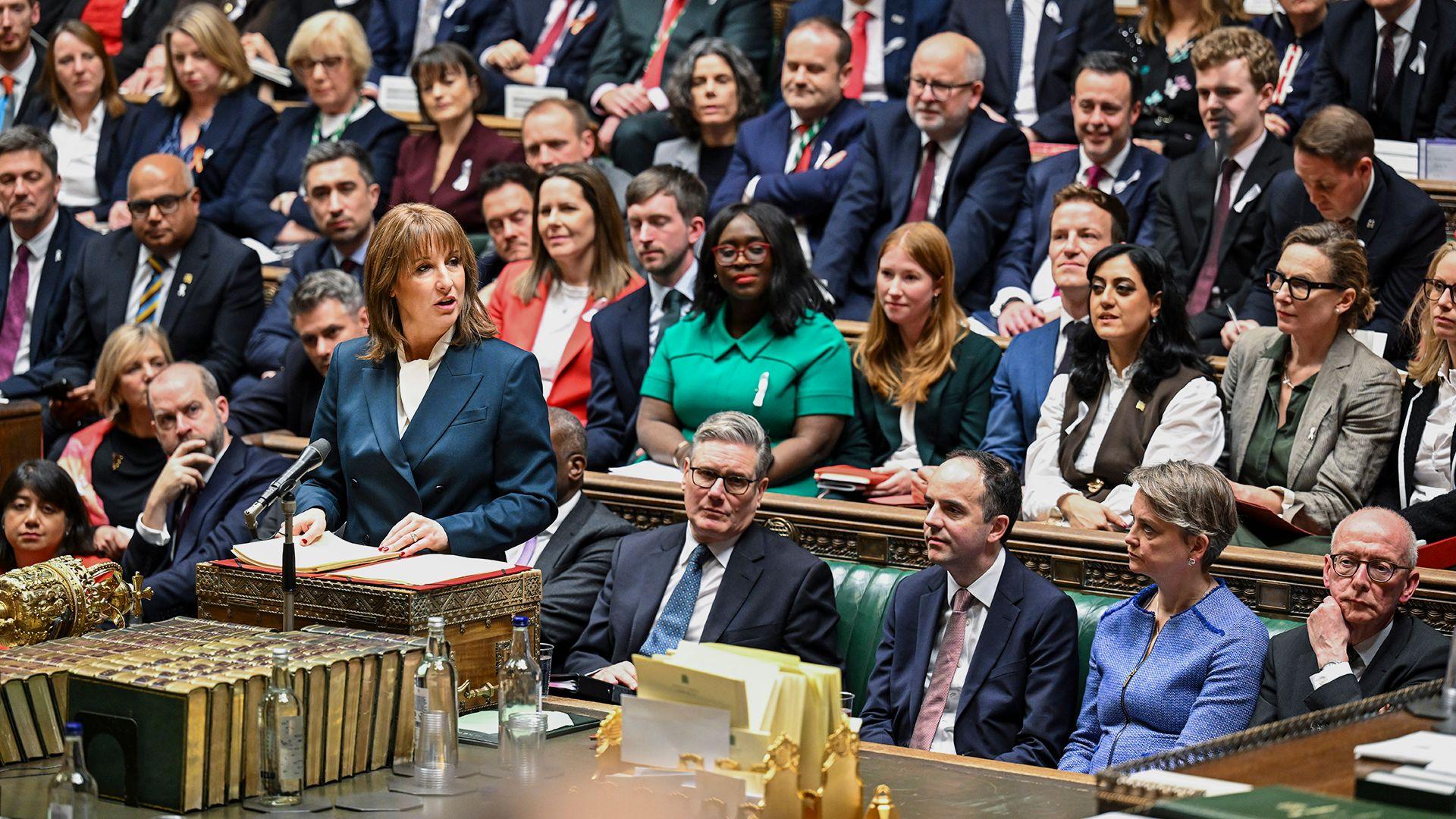
Reeves emphasized that the removal of the cap is a strategic move to combat child poverty, with estimates suggesting it will lift 450,000 children out of poverty by 2029-30. "We do not believe that the solution to a broken welfare system is to punish the most vulnerable children," Reeves stated in the House of Commons, where the announcement was met with applause from Labour MPs.
Budget Highlights and Reactions
The budget, described by Reeves as a "truly Labour Budget," includes significant tax increases and spending measures. According to the Institute for Fiscal Studies, these tax hikes are the largest since 1970. The budget also introduces a gambling levy and a tax on properties worth over £2 million. While Labour MPs have largely supported the budget, some have voiced concerns about its tax implications, with one MP describing it as a "complete shambles."
Public and Political Reactions
Public opinion on the two-child cap remains divided, with a YouGov poll indicating that 57% of respondents favored keeping the policy. However, child poverty campaigners have welcomed the change. Alison Garnham, CEO of the Child Poverty Action Group, called the move "transformational for children."
Voices from the Public
Lucy Burns, a mother of three from Eastbourne, expressed relief at the policy change, noting it would provide a "little buffer" for her family. Meanwhile, Tom Reveley, an IT director, criticized the budget's focus on taxation, expressing concerns about its impact on investment.
WHAT THIS MIGHT MEAN
The removal of the two-child benefit cap marks a pivotal shift in the UK's welfare policy, potentially setting a precedent for future social reforms. Politically, this move could bolster Labour's standing among voters concerned with social justice, though it risks alienating fiscal conservatives. Economically, the budget's tax increases aim to balance welfare spending, but they may face scrutiny from both the public and financial markets. As the government navigates these changes, the effectiveness of the new policies in reducing child poverty will be closely monitored, potentially influencing future electoral outcomes and policy directions.
Images from the Web
Related Articles
US Supreme Court Ruling on Tariffs Sparks Uncertainty for UK and Global Trade

Diplomatic Tensions Rise as Trump Criticizes Starmer's Iran Policy

UK Government's SEND Reforms: A Critical Turning Point for Special Education
Reform UK Aims to Reshape Welsh Politics with New Manifesto
Middle East Conflict Drives UK Energy Prices to New Highs

Government Announces £4 Billion Overhaul of SEND Support in England
UK Government to Scrap Two-Child Benefit Cap in Major Budget Overhaul
In This Article
 Daniel Rivera| Published
 HIGHLIGHTS
- The UK government will scrap the two-child benefit cap from April next year, a move expected to cost £3 billion annually by 2029-30.
- Chancellor Rachel Reeves announced the change, aiming to reduce child poverty by lifting 450,000 children out of poverty by 2029-30.
- The budget includes tax increases and spending measures, with the Institute for Fiscal Studies noting it as the largest tax rise since 1970.
- Labour MPs have largely supported the budget, though some express concerns over its tax implications for constituents.
- Additional measures include a gambling levy and a tax on homes valued over £2 million.
The UK government has announced a significant policy shift by scrapping the controversial two-child benefit cap starting next April. This decision, part of Chancellor Rachel Reeves's latest budget, is projected to cost £3 billion annually by the end of the decade. The policy, initially introduced by the Conservatives in 2017, restricted universal credit and tax credit claims to the first two children in a family.
Impact on Child Poverty
Reeves emphasized that the removal of the cap is a strategic move to combat child poverty, with estimates suggesting it will lift 450,000 children out of poverty by 2029-30. "We do not believe that the solution to a broken welfare system is to punish the most vulnerable children," Reeves stated in the House of Commons, where the announcement was met with applause from Labour MPs.
Budget Highlights and Reactions
The budget, described by Reeves as a "truly Labour Budget," includes significant tax increases and spending measures. According to the Institute for Fiscal Studies, these tax hikes are the largest since 1970. The budget also introduces a gambling levy and a tax on properties worth over £2 million. While Labour MPs have largely supported the budget, some have voiced concerns about its tax implications, with one MP describing it as a "complete shambles."
Public and Political Reactions
Public opinion on the two-child cap remains divided, with a YouGov poll indicating that 57% of respondents favored keeping the policy. However, child poverty campaigners have welcomed the change. Alison Garnham, CEO of the Child Poverty Action Group, called the move "transformational for children."
Voices from the Public
Lucy Burns, a mother of three from Eastbourne, expressed relief at the policy change, noting it would provide a "little buffer" for her family. Meanwhile, Tom Reveley, an IT director, criticized the budget's focus on taxation, expressing concerns about its impact on investment.
WHAT THIS MIGHT MEAN
The removal of the two-child benefit cap marks a pivotal shift in the UK's welfare policy, potentially setting a precedent for future social reforms. Politically, this move could bolster Labour's standing among voters concerned with social justice, though it risks alienating fiscal conservatives. Economically, the budget's tax increases aim to balance welfare spending, but they may face scrutiny from both the public and financial markets. As the government navigates these changes, the effectiveness of the new policies in reducing child poverty will be closely monitored, potentially influencing future electoral outcomes and policy directions.
Images from the Web
Related Articles
US Supreme Court Ruling on Tariffs Sparks Uncertainty for UK and Global Trade
Diplomatic Tensions Rise as Trump Criticizes Starmer's Iran Policy
UK Government's SEND Reforms: A Critical Turning Point for Special Education
Reform UK Aims to Reshape Welsh Politics with New Manifesto
Middle East Conflict Drives UK Energy Prices to New Highs
Government Announces £4 Billion Overhaul of SEND Support in England