
UK Deploys RAF Specialists to Counter Suspected Russian Drone Threats in Belgium
In This Article
HIGHLIGHTS
- The UK is sending military support to Belgium following suspected Russian drone incursions into Belgian airspace, affecting Brussels Airport and other locations.
- Sir Richard Knighton, the UK's chief of defence staff, confirmed the deployment of RAF specialists to assist Belgium, alongside similar support from Germany and France.
- The incursions have disrupted air travel, impacting around 3,000 Brussels Airlines passengers, and are suspected to be part of Russia's hybrid warfare tactics.
- Defence Secretary John Healey emphasized the importance of NATO alliances in countering growing hybrid threats, while the UK plans to increase defence spending to 2.5% of GDP by 2027.
- The incidents coincide with discussions on releasing Russian assets held in Belgium to support Ukraine, highlighting ongoing geopolitical tensions.
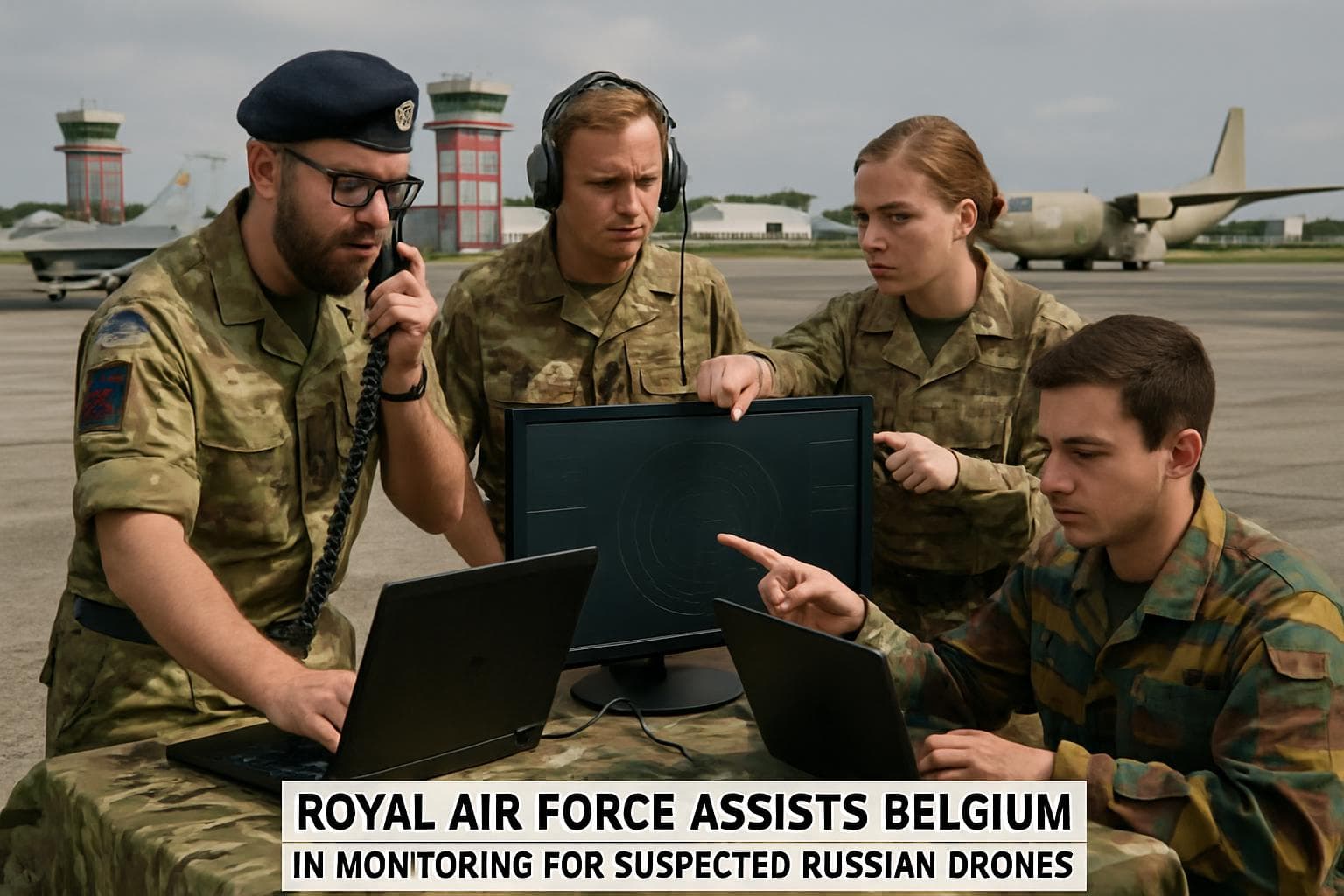
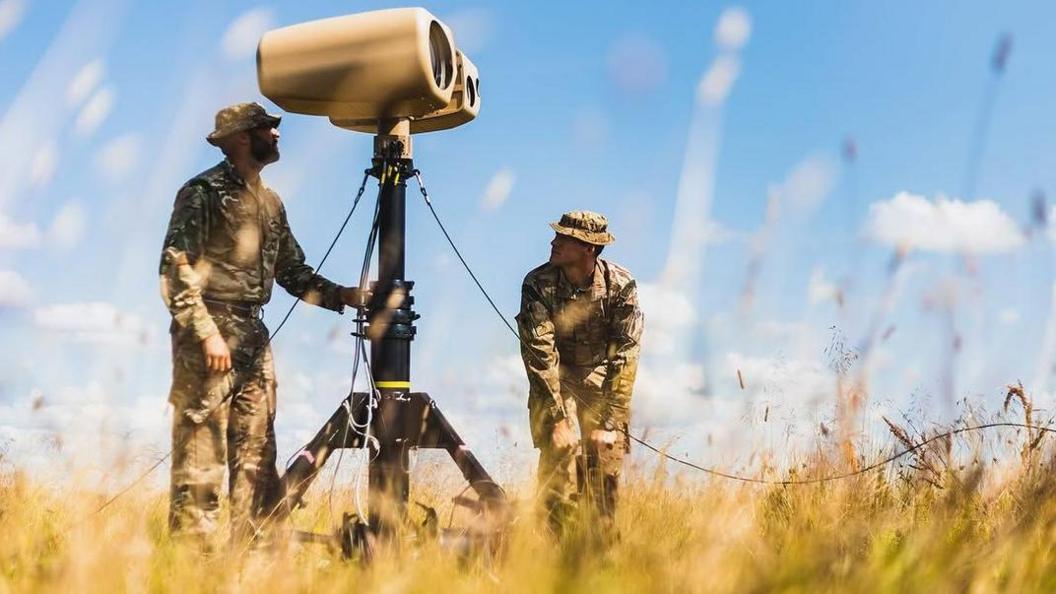
In response to a series of suspected Russian drone incursions, the United Kingdom is deploying Royal Air Force (RAF) specialists to assist Belgium in safeguarding its airspace. The decision follows a request from Belgian authorities after drones were spotted near Brussels Airport and other strategic locations, including military bases and nuclear facilities, causing significant disruption.
NATO Allies Unite Against Hybrid Threats
Sir Richard Knighton, the UK's newly appointed chief of defence staff, confirmed the deployment, stating that the UK would provide "our people, our equipment" to support Belgium. This move is part of a broader NATO effort, with Germany and France also offering assistance. Although the exact origin of the drones remains unconfirmed, Russia is widely suspected, given its history of hybrid warfare tactics.
Impact on Air Travel and Security Concerns
The drone sightings led to the temporary closure of Brussels Airport, affecting approximately 3,000 passengers and resulting in considerable costs for Brussels Airlines. The incidents have raised alarms about the vulnerability of civilian infrastructure across Europe, with Belgian Defence Minister Theo Francken acknowledging the growing threat.
Geopolitical Context and Defence Strategy
The incursions come amid discussions on releasing Russian central bank assets held in Belgium to fund a €140 billion loan to Ukraine. Defence Secretary John Healey highlighted the critical role of NATO alliances in countering such threats, while the UK plans to increase its defence spending to 2.5% of GDP by 2027 to bolster its military capabilities.
Strengthening Defence Posture
Sir Richard Knighton emphasized the need to address gaps in the UK's military resources, acknowledging that the armed forces have been "hollowed out" by decades of budget cuts. He stressed the importance of preparing for hybrid warfare, which includes cyber threats, sabotage, and other non-traditional tactics.
WHAT THIS MIGHT MEAN
The UK's decision to support Belgium underscores the importance of NATO cooperation in addressing security threats. As hybrid warfare tactics evolve, European nations may need to enhance their collective defence strategies to protect critical infrastructure. The ongoing geopolitical tensions, particularly regarding Russian assets and support for Ukraine, could further complicate diplomatic relations. Experts suggest that increased defence spending and international collaboration will be crucial in countering these emerging threats and ensuring regional stability.
Images from the Web
Related Articles
Russian LNG Tanker Sinks in Mediterranean Amid Accusations of Ukrainian Drone Attack
Russia-Ukraine Conflict: Four Years of Unyielding Struggle and Human Resilience

UK-Iran Tensions: Starmer Defends Cautious Approach Amid Trump Criticism
UK Defence Faces Scrutiny Amid Ajax Armoured Vehicle Delays and Soldier Safety Concerns

Andrew Mountbatten-Windsor Arrested Amid Misconduct Allegations
Kenyan Nationals Recruited for Russia-Ukraine War Amid Allegations of Human Trafficking
UK Deploys RAF Specialists to Counter Suspected Russian Drone Threats in Belgium
In This Article
 Ethan Brooks| Published
 HIGHLIGHTS
- The UK is sending military support to Belgium following suspected Russian drone incursions into Belgian airspace, affecting Brussels Airport and other locations.
- Sir Richard Knighton, the UK's chief of defence staff, confirmed the deployment of RAF specialists to assist Belgium, alongside similar support from Germany and France.
- The incursions have disrupted air travel, impacting around 3,000 Brussels Airlines passengers, and are suspected to be part of Russia's hybrid warfare tactics.
- Defence Secretary John Healey emphasized the importance of NATO alliances in countering growing hybrid threats, while the UK plans to increase defence spending to 2.5% of GDP by 2027.
- The incidents coincide with discussions on releasing Russian assets held in Belgium to support Ukraine, highlighting ongoing geopolitical tensions.
In response to a series of suspected Russian drone incursions, the United Kingdom is deploying Royal Air Force (RAF) specialists to assist Belgium in safeguarding its airspace. The decision follows a request from Belgian authorities after drones were spotted near Brussels Airport and other strategic locations, including military bases and nuclear facilities, causing significant disruption.
NATO Allies Unite Against Hybrid Threats
Sir Richard Knighton, the UK's newly appointed chief of defence staff, confirmed the deployment, stating that the UK would provide "our people, our equipment" to support Belgium. This move is part of a broader NATO effort, with Germany and France also offering assistance. Although the exact origin of the drones remains unconfirmed, Russia is widely suspected, given its history of hybrid warfare tactics.
Impact on Air Travel and Security Concerns
The drone sightings led to the temporary closure of Brussels Airport, affecting approximately 3,000 passengers and resulting in considerable costs for Brussels Airlines. The incidents have raised alarms about the vulnerability of civilian infrastructure across Europe, with Belgian Defence Minister Theo Francken acknowledging the growing threat.
Geopolitical Context and Defence Strategy
The incursions come amid discussions on releasing Russian central bank assets held in Belgium to fund a €140 billion loan to Ukraine. Defence Secretary John Healey highlighted the critical role of NATO alliances in countering such threats, while the UK plans to increase its defence spending to 2.5% of GDP by 2027 to bolster its military capabilities.
Strengthening Defence Posture
Sir Richard Knighton emphasized the need to address gaps in the UK's military resources, acknowledging that the armed forces have been "hollowed out" by decades of budget cuts. He stressed the importance of preparing for hybrid warfare, which includes cyber threats, sabotage, and other non-traditional tactics.
WHAT THIS MIGHT MEAN
The UK's decision to support Belgium underscores the importance of NATO cooperation in addressing security threats. As hybrid warfare tactics evolve, European nations may need to enhance their collective defence strategies to protect critical infrastructure. The ongoing geopolitical tensions, particularly regarding Russian assets and support for Ukraine, could further complicate diplomatic relations. Experts suggest that increased defence spending and international collaboration will be crucial in countering these emerging threats and ensuring regional stability.
Images from the Web
Related Articles
Russian LNG Tanker Sinks in Mediterranean Amid Accusations of Ukrainian Drone Attack
Russia-Ukraine Conflict: Four Years of Unyielding Struggle and Human Resilience
UK-Iran Tensions: Starmer Defends Cautious Approach Amid Trump Criticism
UK Defence Faces Scrutiny Amid Ajax Armoured Vehicle Delays and Soldier Safety Concerns
Andrew Mountbatten-Windsor Arrested Amid Misconduct Allegations
Kenyan Nationals Recruited for Russia-Ukraine War Amid Allegations of Human Trafficking