
UK Settles Torture Complicity Case with Guantanamo Detainee
In This Article
HIGHLIGHTS
- The UK government has paid a "substantial" sum to Abu Zubaydah, a Guantanamo Bay detainee, to settle claims of complicity in his torture.
- Zubaydah, held without charge since 2006, was subjected to CIA "enhanced interrogation" techniques, initially accused of being a senior al-Qaeda member.
- The US has since withdrawn claims of Zubaydah's al-Qaeda involvement, yet he remains a "forever prisoner" at Guantanamo Bay.
- UK intelligence services MI5 and MI6 were found to have provided questions for Zubaydah's CIA interrogations, despite knowing of his mistreatment.
- The settlement follows a UK Supreme Court ruling allowing Zubaydah to bring a civil claim against the UK government.
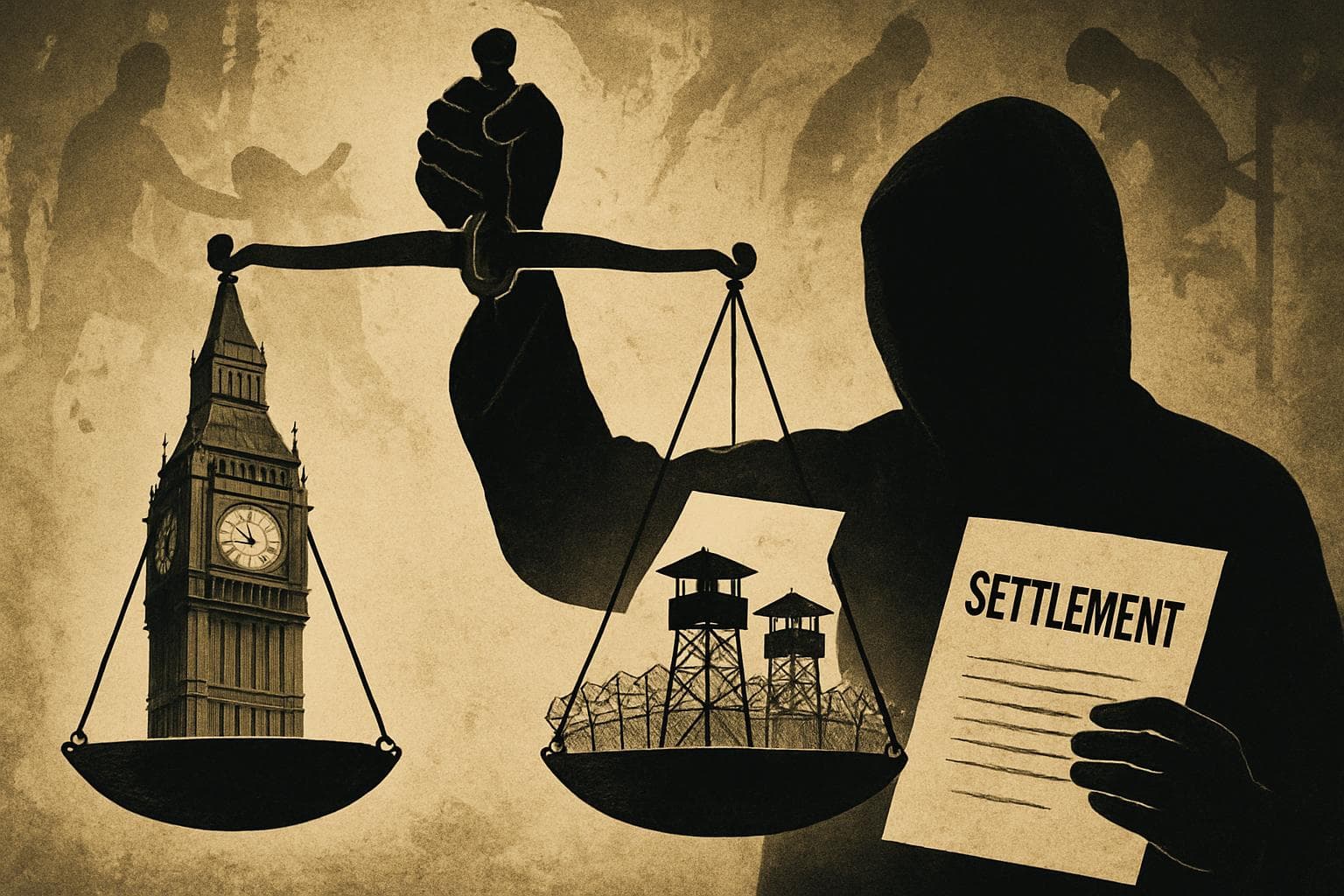
The UK government has reached a significant financial settlement with Abu Zubaydah, a detainee at Guantanamo Bay, over allegations of complicity in his torture by the CIA. Zubaydah, who has been held without charge since 2006, was the first individual subjected to the CIA's controversial "enhanced interrogation" techniques following the September 11 attacks.
Background of Detention and Allegations
Abu Zubaydah, a stateless Palestinian born in Saudi Arabia, was captured in Pakistan in 2002 during a sweep of suspected militants. Initially accused by the US of being a senior al-Qaeda operative, these claims were later retracted. Despite this, Zubaydah remains imprisoned at Guantanamo Bay, earning the label of a "forever prisoner."
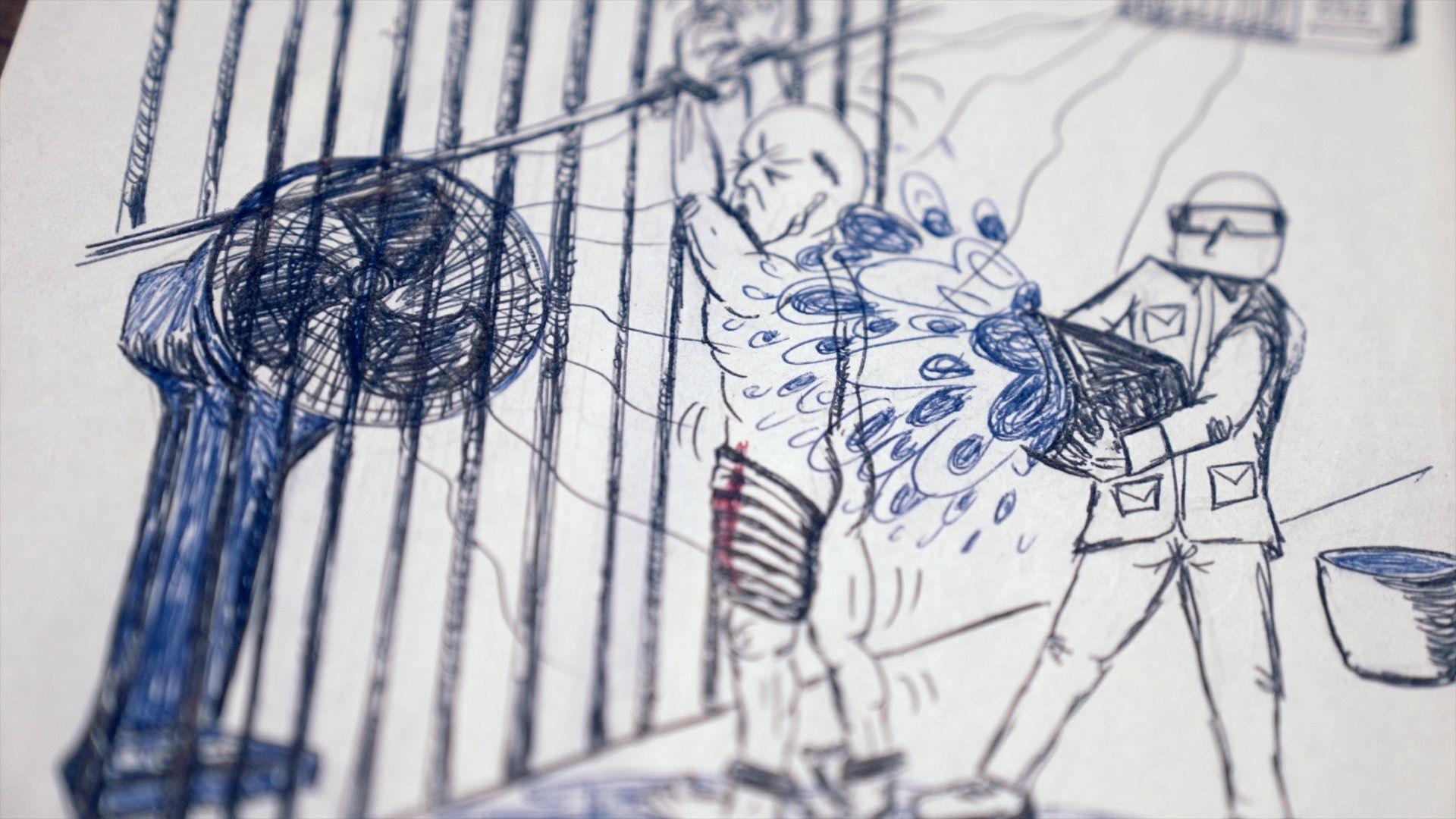
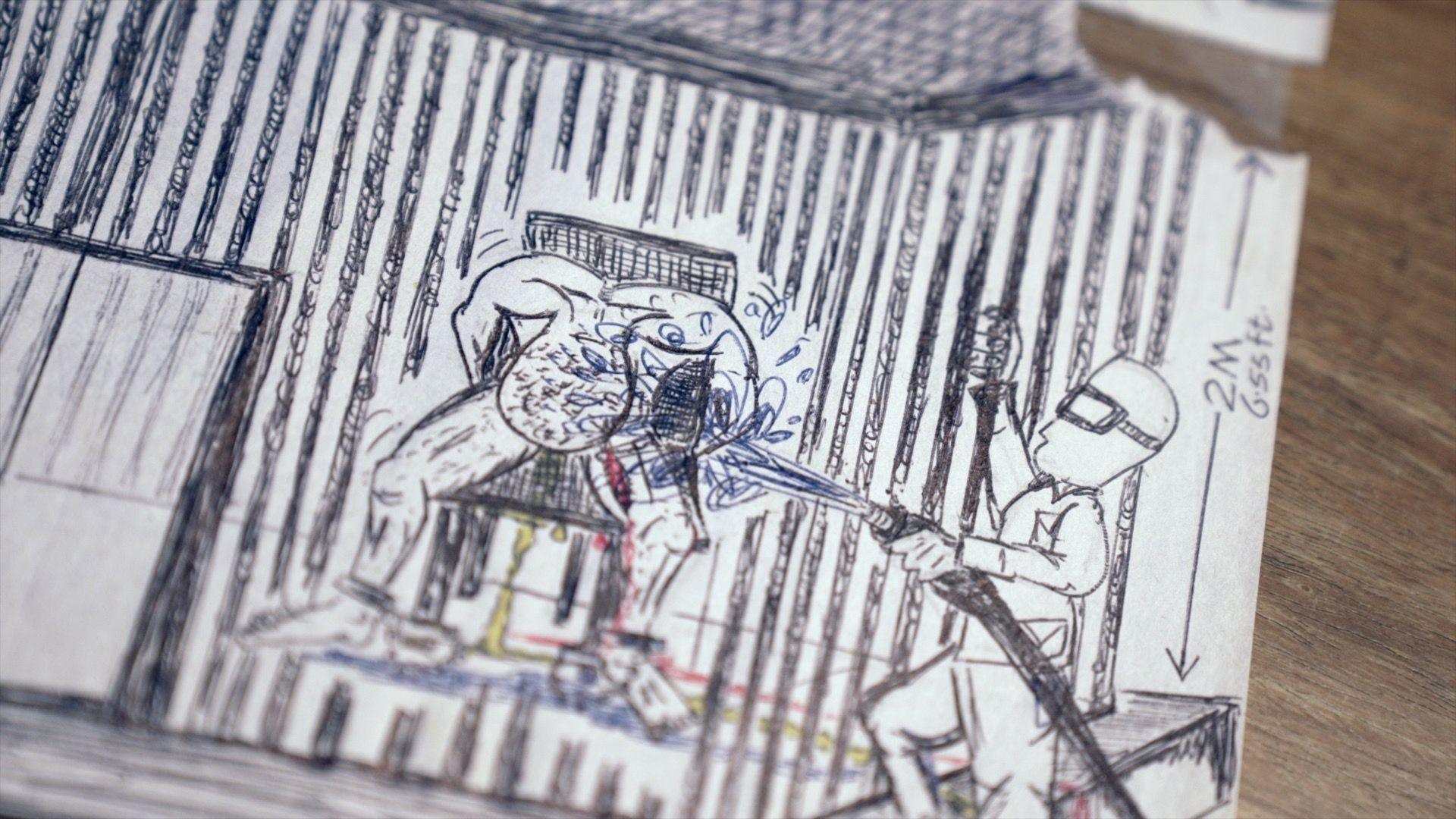
During his detention, Zubaydah was held at various CIA "black sites" across countries including Thailand, Lithuania, and Poland. These secret facilities operated outside the US legal system, where he endured severe interrogation methods. A US Senate investigation revealed that he was waterboarded 83 times in one month and confined in a coffin-sized box for over 11 days.
UK Involvement and Legal Proceedings
Evidence of British complicity emerged from UK parliamentary reports in 2018, which disclosed that MI5 and MI6 had provided questions for Zubaydah's interrogations, fully aware of the torture he was undergoing. This led to a legal claim against the UK, culminating in the recent settlement.
The UK Supreme Court's ruling in December 2023 paved the way for Zubaydah's civil claim, rejecting the government's argument that his treatment fell under the jurisdiction of the countries where he was held. The court emphasized that the alleged wrongs were committed by UK intelligence services acting under English law.
Legal and Moral Implications
Helen Duffy, Zubaydah's international legal counsel, highlighted the settlement's symbolic and practical importance, acknowledging the UK's role in his torture. She urged the UK and other governments to take responsibility for Zubaydah's ongoing unlawful detention and ensure his release.
The Foreign Office, overseeing MI6, declined to comment on intelligence matters. The exact compensation amount remains undisclosed due to legal constraints, though it is described as "substantial."
WHAT THIS MIGHT MEAN
The settlement marks a significant acknowledgment of the UK's involvement in the controversial practices of the "war on terror." It raises questions about the legal and moral responsibilities of nations cooperating in intelligence operations that violate international law. The case may set a precedent for other detainees seeking redress for similar grievances.
Moving forward, the UK government may face increased scrutiny over its intelligence practices and collaborations with foreign agencies. The settlement could also influence ongoing debates about the future of Guantanamo Bay and the fate of its remaining detainees, including those like Zubaydah, who have been held without charge for years.
Images from the Web
Related Articles

Sisters Tragically Drown at Eryri National Park's Watkin Path
Prince Andrew's Ties to Epstein Under Scrutiny Amid Calls for Inquiry
Government Criticized for Mishandling Maccabi Tel Aviv Fan Ban
Prince Andrew's Arrest Intensifies Scrutiny on Royal Succession and Prince William's Future Role

Government Announces £4 Billion Overhaul of SEND Support in England

UK Government's SEND Reforms: A Critical Turning Point for Special Education
UK Settles Torture Complicity Case with Guantanamo Detainee
In This Article
 Ethan Brooks| Published
 HIGHLIGHTS
- The UK government has paid a "substantial" sum to Abu Zubaydah, a Guantanamo Bay detainee, to settle claims of complicity in his torture.
- Zubaydah, held without charge since 2006, was subjected to CIA "enhanced interrogation" techniques, initially accused of being a senior al-Qaeda member.
- The US has since withdrawn claims of Zubaydah's al-Qaeda involvement, yet he remains a "forever prisoner" at Guantanamo Bay.
- UK intelligence services MI5 and MI6 were found to have provided questions for Zubaydah's CIA interrogations, despite knowing of his mistreatment.
- The settlement follows a UK Supreme Court ruling allowing Zubaydah to bring a civil claim against the UK government.
The UK government has reached a significant financial settlement with Abu Zubaydah, a detainee at Guantanamo Bay, over allegations of complicity in his torture by the CIA. Zubaydah, who has been held without charge since 2006, was the first individual subjected to the CIA's controversial "enhanced interrogation" techniques following the September 11 attacks.
Background of Detention and Allegations
Abu Zubaydah, a stateless Palestinian born in Saudi Arabia, was captured in Pakistan in 2002 during a sweep of suspected militants. Initially accused by the US of being a senior al-Qaeda operative, these claims were later retracted. Despite this, Zubaydah remains imprisoned at Guantanamo Bay, earning the label of a "forever prisoner."
During his detention, Zubaydah was held at various CIA "black sites" across countries including Thailand, Lithuania, and Poland. These secret facilities operated outside the US legal system, where he endured severe interrogation methods. A US Senate investigation revealed that he was waterboarded 83 times in one month and confined in a coffin-sized box for over 11 days.
UK Involvement and Legal Proceedings
Evidence of British complicity emerged from UK parliamentary reports in 2018, which disclosed that MI5 and MI6 had provided questions for Zubaydah's interrogations, fully aware of the torture he was undergoing. This led to a legal claim against the UK, culminating in the recent settlement.
The UK Supreme Court's ruling in December 2023 paved the way for Zubaydah's civil claim, rejecting the government's argument that his treatment fell under the jurisdiction of the countries where he was held. The court emphasized that the alleged wrongs were committed by UK intelligence services acting under English law.
Legal and Moral Implications
Helen Duffy, Zubaydah's international legal counsel, highlighted the settlement's symbolic and practical importance, acknowledging the UK's role in his torture. She urged the UK and other governments to take responsibility for Zubaydah's ongoing unlawful detention and ensure his release.
The Foreign Office, overseeing MI6, declined to comment on intelligence matters. The exact compensation amount remains undisclosed due to legal constraints, though it is described as "substantial."
WHAT THIS MIGHT MEAN
The settlement marks a significant acknowledgment of the UK's involvement in the controversial practices of the "war on terror." It raises questions about the legal and moral responsibilities of nations cooperating in intelligence operations that violate international law. The case may set a precedent for other detainees seeking redress for similar grievances.
Moving forward, the UK government may face increased scrutiny over its intelligence practices and collaborations with foreign agencies. The settlement could also influence ongoing debates about the future of Guantanamo Bay and the fate of its remaining detainees, including those like Zubaydah, who have been held without charge for years.
Images from the Web
Related Articles
Sisters Tragically Drown at Eryri National Park's Watkin Path
Prince Andrew's Ties to Epstein Under Scrutiny Amid Calls for Inquiry
Government Criticized for Mishandling Maccabi Tel Aviv Fan Ban
Prince Andrew's Arrest Intensifies Scrutiny on Royal Succession and Prince William's Future Role
Government Announces £4 Billion Overhaul of SEND Support in England
UK Government's SEND Reforms: A Critical Turning Point for Special Education