
UK Government to Tighten Asylum Family Reunion Rules Amid Migration Challenges
In This Article
HIGHLIGHTS
- Home Secretary Yvette Cooper plans to tighten family reunion rules for asylum seekers, requiring tougher English language standards and financial criteria.
- The UK government aims to overhaul the asylum system, including a new fast-track appeals process and an independent body prioritizing cases.
- More than 28,000 migrants have crossed the Channel in small boats in 2025, with an increase in the number of people per boat.
- The National Crime Agency reported a 40% increase in disruptions of people smuggling networks, with 347 actions taken in 2024-25.
- A pilot scheme with France will see some migrants returned after crossing the Channel, with deportations expected soon.
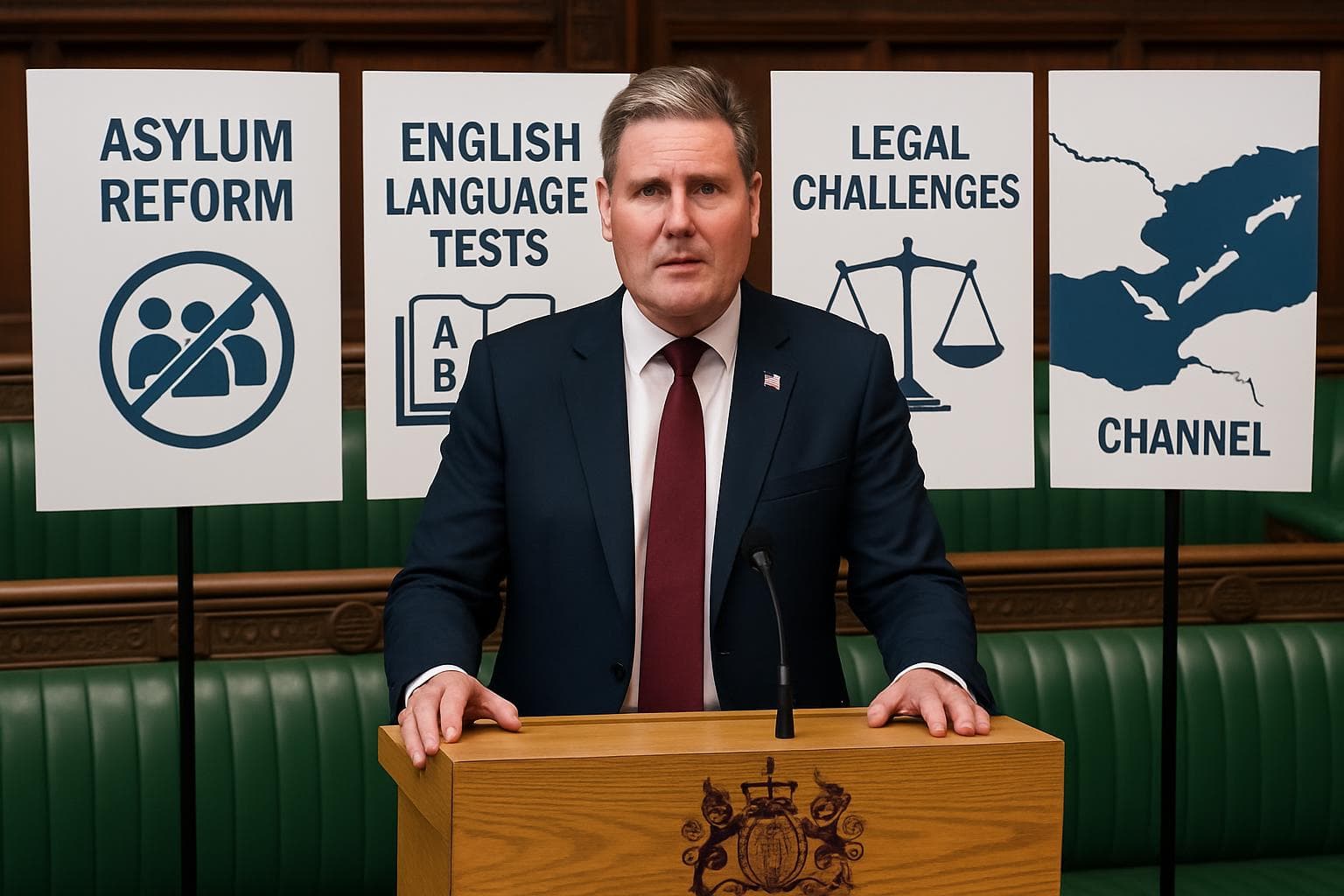
The UK government is set to introduce stricter rules for asylum seekers wishing to bring family members to the country, as part of a broader effort to reform the asylum system. Home Secretary Yvette Cooper is expected to announce these changes in Parliament, emphasizing the need for tougher English language requirements and financial criteria for family reunions.
Overhauling the Asylum System
The proposed reforms come as the UK grapples with a surge in migrant crossings, with over 28,000 individuals arriving via small boats in 2025 alone. Cooper's announcement aims to address what she describes as a "broken" asylum system, with plans to end the use of hotels for housing migrants. The government intends to establish a new independent body to prioritize asylum cases, particularly those involving accommodation and foreign national offenders, within a 24-week timeframe. Additionally, a fast-track appeals process will be introduced to expedite decisions.
Tackling People Smuggling
The National Crime Agency (NCA) has intensified efforts against people smuggling networks, reporting a record 347 disruptions in 2024-25, marking a 40% increase from the previous year. Cooper is expected to highlight these achievements as evidence of the government's commitment to strengthening border security. The reforms also include a pilot scheme with France, allowing for the detention and return of some migrants who cross the Channel, with the first deportations anticipated in the coming weeks.
Addressing Legal and Political Challenges
The government's reliance on asylum hotels has faced legal challenges, with a recent Appeal Court decision overturning an injunction against using the Bell Hotel in Epping for asylum seekers. This ruling may set a precedent for future legal actions. Meanwhile, Cooper's proposed changes to the family reunion policy are seen as a response to rising numbers of refugees entering the UK on family visas, which increased by 30% in the year to June 2025. The government argues that the UK's current policies are more lenient than those of neighboring countries, prompting the need for alignment.
WHAT THIS MIGHT MEAN
The proposed changes to the UK's asylum policies could have significant implications for both migrants and the government. Stricter family reunion rules may deter some asylum seekers, potentially reducing the number of Channel crossings. However, these measures could also face legal challenges and public protests, particularly from human rights organizations advocating for refugee rights.
Politically, the government's actions may be seen as an attempt to regain control over the migration debate, which has been a contentious issue. The success of the pilot scheme with France will be closely monitored, as it could serve as a model for future international cooperation on migration issues. Ultimately, the effectiveness of these reforms will depend on their implementation and the government's ability to balance security concerns with humanitarian obligations.
Related Articles

Arrests Over French Activist's Death Heighten Political Tensions

UK and Allies Accuse Russia of Killing Navalny with Dart Frog Toxin

Gisèle Pelicot: A Journey from Horror to Advocacy in France's Largest Rape Trial

High Court Rules Palestine Action Ban Unlawful, Government to Appeal

UK Government Considers Removing Andrew Mountbatten-Windsor from Royal Succession Amid Arrest

British Couple's 10-Year Sentence in Iran Sparks Outcry
UK Government to Tighten Asylum Family Reunion Rules Amid Migration Challenges
In This Article
 Sofia Romano| Published
 HIGHLIGHTS
- Home Secretary Yvette Cooper plans to tighten family reunion rules for asylum seekers, requiring tougher English language standards and financial criteria.
- The UK government aims to overhaul the asylum system, including a new fast-track appeals process and an independent body prioritizing cases.
- More than 28,000 migrants have crossed the Channel in small boats in 2025, with an increase in the number of people per boat.
- The National Crime Agency reported a 40% increase in disruptions of people smuggling networks, with 347 actions taken in 2024-25.
- A pilot scheme with France will see some migrants returned after crossing the Channel, with deportations expected soon.
The UK government is set to introduce stricter rules for asylum seekers wishing to bring family members to the country, as part of a broader effort to reform the asylum system. Home Secretary Yvette Cooper is expected to announce these changes in Parliament, emphasizing the need for tougher English language requirements and financial criteria for family reunions.
Overhauling the Asylum System
The proposed reforms come as the UK grapples with a surge in migrant crossings, with over 28,000 individuals arriving via small boats in 2025 alone. Cooper's announcement aims to address what she describes as a "broken" asylum system, with plans to end the use of hotels for housing migrants. The government intends to establish a new independent body to prioritize asylum cases, particularly those involving accommodation and foreign national offenders, within a 24-week timeframe. Additionally, a fast-track appeals process will be introduced to expedite decisions.
Tackling People Smuggling
The National Crime Agency (NCA) has intensified efforts against people smuggling networks, reporting a record 347 disruptions in 2024-25, marking a 40% increase from the previous year. Cooper is expected to highlight these achievements as evidence of the government's commitment to strengthening border security. The reforms also include a pilot scheme with France, allowing for the detention and return of some migrants who cross the Channel, with the first deportations anticipated in the coming weeks.
Addressing Legal and Political Challenges
The government's reliance on asylum hotels has faced legal challenges, with a recent Appeal Court decision overturning an injunction against using the Bell Hotel in Epping for asylum seekers. This ruling may set a precedent for future legal actions. Meanwhile, Cooper's proposed changes to the family reunion policy are seen as a response to rising numbers of refugees entering the UK on family visas, which increased by 30% in the year to June 2025. The government argues that the UK's current policies are more lenient than those of neighboring countries, prompting the need for alignment.
WHAT THIS MIGHT MEAN
The proposed changes to the UK's asylum policies could have significant implications for both migrants and the government. Stricter family reunion rules may deter some asylum seekers, potentially reducing the number of Channel crossings. However, these measures could also face legal challenges and public protests, particularly from human rights organizations advocating for refugee rights.
Politically, the government's actions may be seen as an attempt to regain control over the migration debate, which has been a contentious issue. The success of the pilot scheme with France will be closely monitored, as it could serve as a model for future international cooperation on migration issues. Ultimately, the effectiveness of these reforms will depend on their implementation and the government's ability to balance security concerns with humanitarian obligations.
Related Articles
Arrests Over French Activist's Death Heighten Political Tensions
UK and Allies Accuse Russia of Killing Navalny with Dart Frog Toxin
Gisèle Pelicot: A Journey from Horror to Advocacy in France's Largest Rape Trial
High Court Rules Palestine Action Ban Unlawful, Government to Appeal
UK Government Considers Removing Andrew Mountbatten-Windsor from Royal Succession Amid Arrest
British Couple's 10-Year Sentence in Iran Sparks Outcry