
UK Government to Ban NDAs Used to Silence Workplace Harassment Victims
In This Article
HIGHLIGHTS
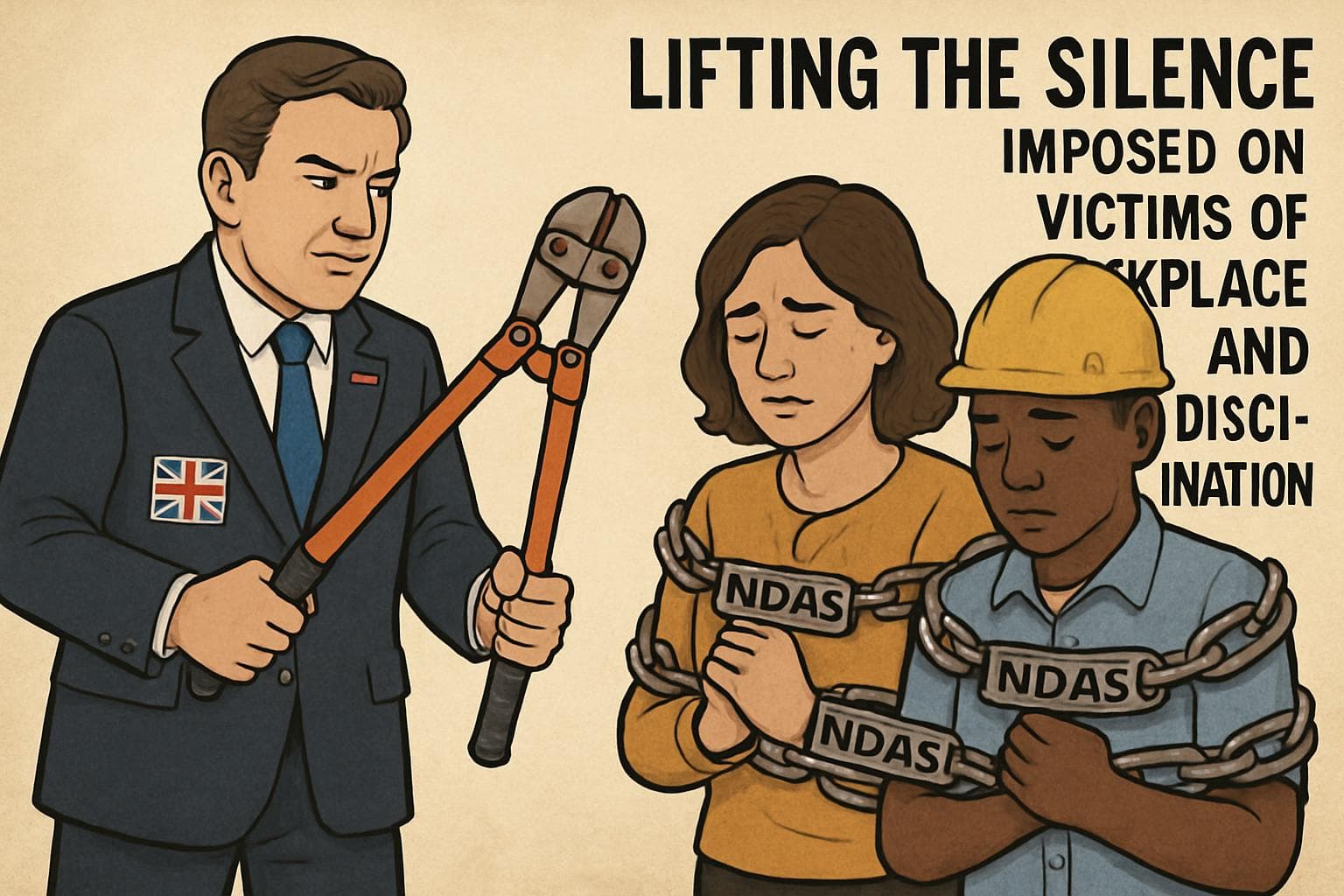
- The UK government plans to ban non-disclosure agreements (NDAs) used to silence victims of workplace harassment and discrimination.
- An amendment to the Employment Rights Bill will void confidentiality clauses that prevent victims from speaking out.
- Deputy Prime Minister Angela Rayner emphasized the need to end the misuse of NDAs, aligning the UK with countries like the US and Canada.
- The legislation aims to empower workers, especially those in low-income jobs, to report inappropriate behavior without fear.
- The bill, if passed, would mark a significant overhaul of workers' rights, addressing issues beyond high-profile cases.
In a landmark move, the UK government is set to ban the use of non-disclosure agreements (NDAs) that have been employed to silence victims of workplace harassment and discrimination. This amendment to the Employment Rights Bill, expected to become law later this year, will render any confidentiality clauses that prevent victims from speaking out about harassment or discrimination null and void.
A Long-Awaited Reform
The misuse of NDAs has been a contentious issue since the #MeToo movement brought to light numerous cases of sexual misconduct and discrimination. Deputy Prime Minister Angela Rayner has been vocal about the need to eradicate this practice, stating, "Victims and witnesses of harassment and discrimination should never be silenced." The proposed changes will align the UK with countries like the US and Canada, which have already taken steps to ban such agreements.
Empowering Workers
The legislation aims to empower millions of workers, particularly those in low-income or insecure jobs, by allowing them to report inappropriate behavior without fear of legal repercussions. Employment rights minister Justin Madders highlighted the "appalling practice" of using NDAs to silence victims, asserting that the amendments will provide workers with the confidence to address workplace misconduct.
A Global Perspective
The misuse of NDAs gained significant attention when Zelda Perkins, a former assistant to Harvey Weinstein, broke her NDA to expose the Hollywood mogul's abusive behavior. Perkins, who now leads the campaign group Can't Buy My Silence UK, hailed the amendment as a "huge milestone," emphasizing that it shows the government has "listened and understood the abuse of power taking place."
Legislative Process and Broader Implications
The Employment Rights Bill, including the NDA amendments, will return to the House of Lords for debate on July 14. If passed, it will require approval from MPs before becoming law. This legislation represents the most significant overhaul of workers' rights in a generation, addressing issues such as collective bargaining and family-friendly entitlements.
WHAT THIS MIGHT MEAN
If the NDA ban is enacted, it could set a precedent for other countries grappling with similar issues, potentially leading to a global shift in how workplace harassment and discrimination are addressed. Experts suggest that the legislation could encourage more victims to come forward, fostering a more transparent and accountable work environment. However, some critics argue that employers may become more reluctant to settle disputes without the assurance of confidentiality, potentially leading to prolonged legal battles. As the bill progresses through Parliament, its impact on both workers and employers will be closely monitored, with the potential to reshape the landscape of employment rights in the UK.
Images from the Web

Related Articles

UK Reinforces Military Presence in Cyprus Amid Middle East Tensions

UK-Iran Tensions: Starmer Defends Cautious Approach Amid Trump Criticism

Diplomatic Tensions Rise as Trump Criticizes Starmer's Iran Policy

Prince Andrew's Ties to Epstein Under Scrutiny Amid Calls for Inquiry
Government Criticized for Mishandling Maccabi Tel Aviv Fan Ban

Canada and Australia Forge Strategic Partnership Amid Global Uncertainty
UK Government to Ban NDAs Used to Silence Workplace Harassment Victims
In This Article
 Ethan Brooks| Published
 HIGHLIGHTS
- The UK government plans to ban non-disclosure agreements (NDAs) used to silence victims of workplace harassment and discrimination.
- An amendment to the Employment Rights Bill will void confidentiality clauses that prevent victims from speaking out.
- Deputy Prime Minister Angela Rayner emphasized the need to end the misuse of NDAs, aligning the UK with countries like the US and Canada.
- The legislation aims to empower workers, especially those in low-income jobs, to report inappropriate behavior without fear.
- The bill, if passed, would mark a significant overhaul of workers' rights, addressing issues beyond high-profile cases.
In a landmark move, the UK government is set to ban the use of non-disclosure agreements (NDAs) that have been employed to silence victims of workplace harassment and discrimination. This amendment to the Employment Rights Bill, expected to become law later this year, will render any confidentiality clauses that prevent victims from speaking out about harassment or discrimination null and void.
A Long-Awaited Reform
The misuse of NDAs has been a contentious issue since the #MeToo movement brought to light numerous cases of sexual misconduct and discrimination. Deputy Prime Minister Angela Rayner has been vocal about the need to eradicate this practice, stating, "Victims and witnesses of harassment and discrimination should never be silenced." The proposed changes will align the UK with countries like the US and Canada, which have already taken steps to ban such agreements.
Empowering Workers
The legislation aims to empower millions of workers, particularly those in low-income or insecure jobs, by allowing them to report inappropriate behavior without fear of legal repercussions. Employment rights minister Justin Madders highlighted the "appalling practice" of using NDAs to silence victims, asserting that the amendments will provide workers with the confidence to address workplace misconduct.
A Global Perspective
The misuse of NDAs gained significant attention when Zelda Perkins, a former assistant to Harvey Weinstein, broke her NDA to expose the Hollywood mogul's abusive behavior. Perkins, who now leads the campaign group Can't Buy My Silence UK, hailed the amendment as a "huge milestone," emphasizing that it shows the government has "listened and understood the abuse of power taking place."
Legislative Process and Broader Implications
The Employment Rights Bill, including the NDA amendments, will return to the House of Lords for debate on July 14. If passed, it will require approval from MPs before becoming law. This legislation represents the most significant overhaul of workers' rights in a generation, addressing issues such as collective bargaining and family-friendly entitlements.
WHAT THIS MIGHT MEAN
If the NDA ban is enacted, it could set a precedent for other countries grappling with similar issues, potentially leading to a global shift in how workplace harassment and discrimination are addressed. Experts suggest that the legislation could encourage more victims to come forward, fostering a more transparent and accountable work environment. However, some critics argue that employers may become more reluctant to settle disputes without the assurance of confidentiality, potentially leading to prolonged legal battles. As the bill progresses through Parliament, its impact on both workers and employers will be closely monitored, with the potential to reshape the landscape of employment rights in the UK.
Images from the Web
Related Articles
UK Reinforces Military Presence in Cyprus Amid Middle East Tensions
UK-Iran Tensions: Starmer Defends Cautious Approach Amid Trump Criticism
Diplomatic Tensions Rise as Trump Criticizes Starmer's Iran Policy
Prince Andrew's Ties to Epstein Under Scrutiny Amid Calls for Inquiry
Government Criticized for Mishandling Maccabi Tel Aviv Fan Ban
Canada and Australia Forge Strategic Partnership Amid Global Uncertainty