
UK Government's Trail Hunting Ban Sparks Rural Controversy
In This Article
HIGHLIGHTS
- The UK government plans to ban trail hunting, sparking controversy among rural communities and hunting advocates.
- Critics argue trail hunting acts as a "smokescreen" for illegal fox hunting, with evidence suggesting continued wildlife harm.
- The Countryside Alliance claims the ban alienates rural people and threatens community cohesion and jobs.
- The government has not specified when the ban will take effect but is committed to its animal welfare strategy.
- A recent poll indicates a majority believe the government prioritizes urban issues over rural concerns.
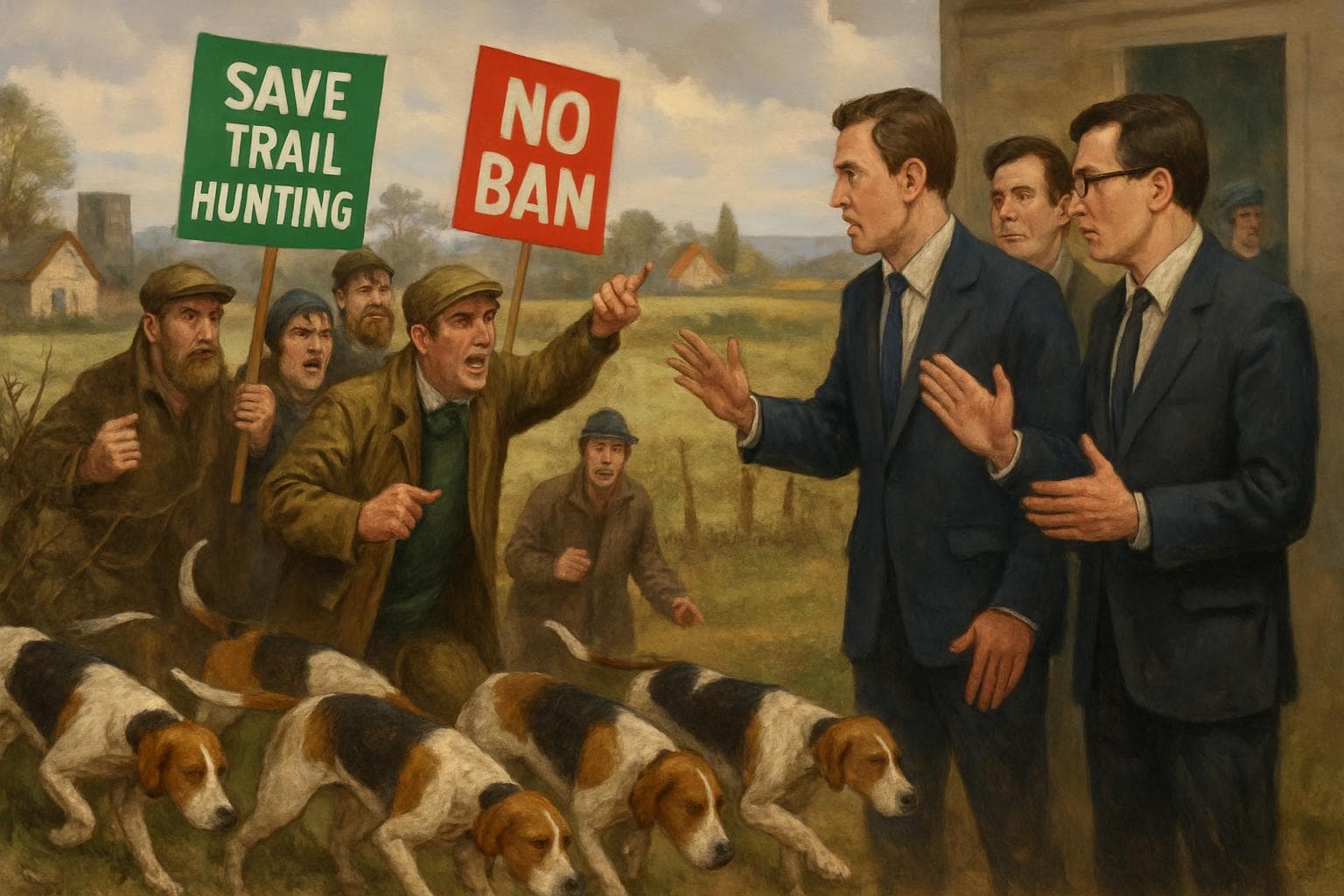
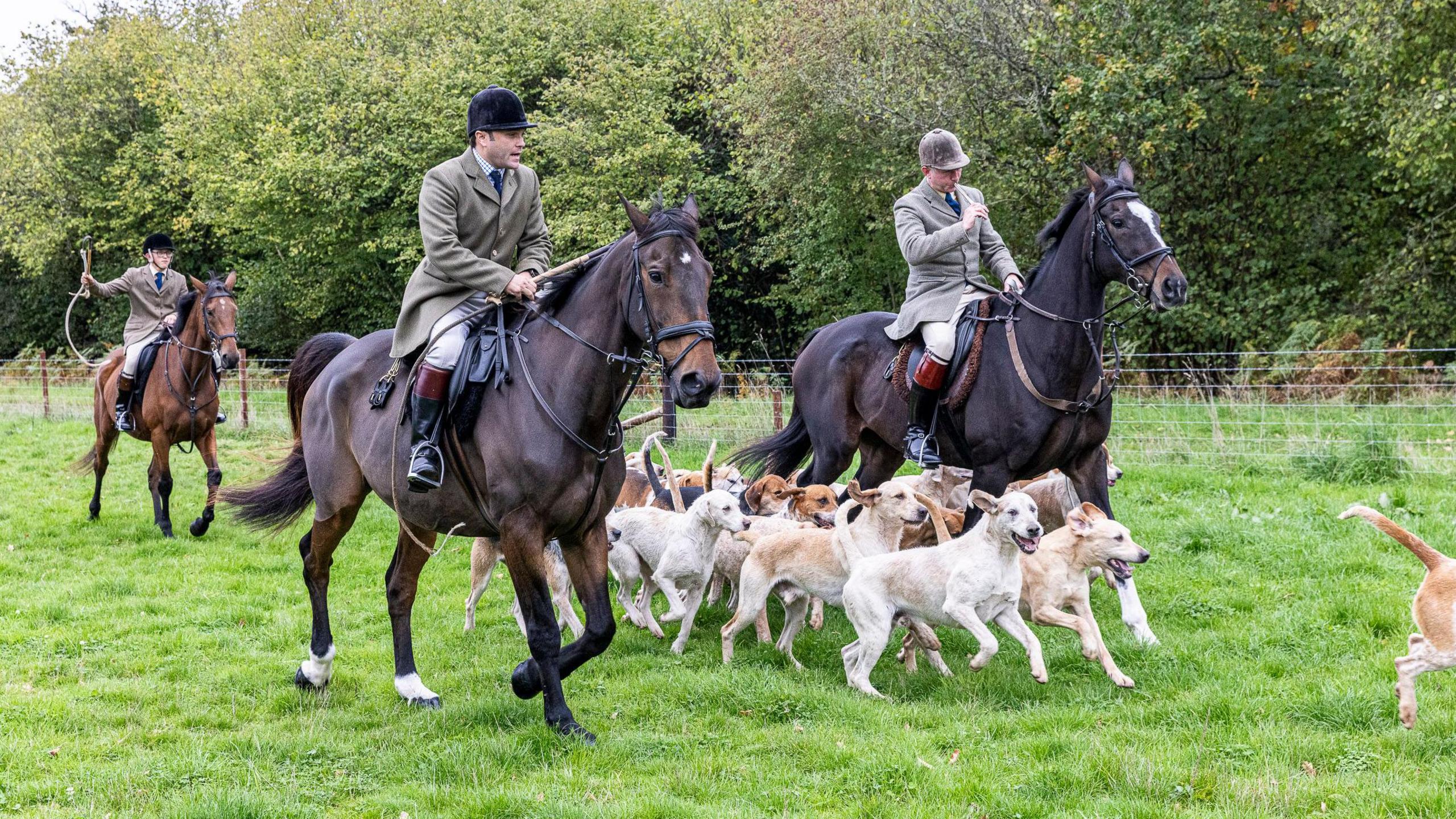
As the UK government moves to ban trail hunting, a practice where hounds follow a pre-laid scent instead of a live animal, rural communities and hunting advocates are voicing strong opposition. The proposed ban, part of a broader animal welfare strategy, has ignited a debate over the cultural and economic implications for rural areas.
Rural Communities in Uproar
The Countryside Alliance, a prominent rural advocacy group, has criticized the government's decision, claiming it alienates rural communities. Tim Bonner, the group's chief executive, stated, "In 18 months, the government has alienated rural people and created the impression that it does not care about the countryside." The Alliance argues that the ban threatens community cohesion and the livelihoods of those involved in the hunting tradition.
Allegations of Illegal Hunting
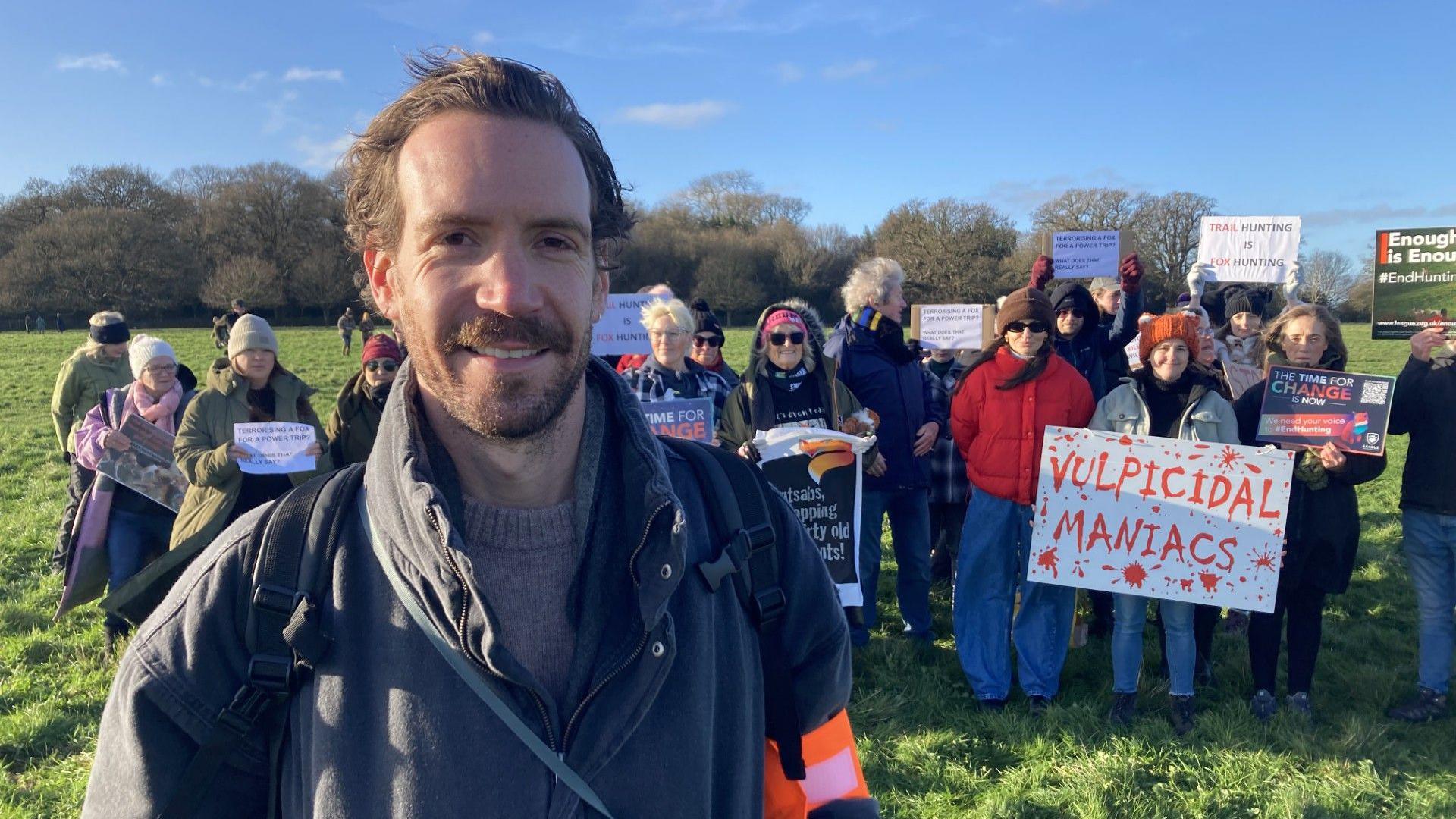
Critics of trail hunting, including animal welfare organizations, argue that it serves as a "smokescreen" for illegal fox hunting. Emma Judd from the League Against Cruel Sports claims that hunts rarely lay actual trails and that wildlife continues to be harmed. This sentiment is echoed by Baroness Hayman, the minister for animal welfare, who has expressed concerns over the practice being used to mask illegal activities.
Government's Commitment to Animal Welfare
The government has reiterated its commitment to banning trail hunting, citing strong public support for the move. A recent poll by ORB International found that 76% of respondents believe the government prioritizes urban issues over rural ones, highlighting the divide between urban and rural perspectives on the issue. The government plans to launch a consultation on implementing the ban in early 2026.
Community and Economic Impact
For many in rural areas, trail hunting is more than a sport; it is a social lifeline. Hugo Mann, a farmer and hunt master, emphasized the community aspect, saying, "It's a great point for rural people to meet each other in the darkest depths of winter." The Countryside Alliance is determined to protect jobs and homes for hunt staff and maintain the tradition that many see as integral to rural life.
WHAT THIS MIGHT MEAN
The proposed ban on trail hunting could lead to significant legal and social challenges. If implemented, it may result in increased scrutiny and enforcement actions against illegal hunting activities. The government will need to balance its animal welfare objectives with the economic and cultural concerns of rural communities. As consultations begin in 2026, the outcome could set a precedent for how rural traditions are managed in the context of modern animal welfare standards. The ongoing debate underscores the need for dialogue between policymakers and rural stakeholders to find a solution that respects both animal welfare and rural livelihoods.
Images from the Web

Related Articles

Prince Andrew's Ties to Epstein Under Scrutiny Amid Calls for Inquiry
Government Criticized for Mishandling Maccabi Tel Aviv Fan Ban

Prince Andrew's Arrest Intensifies Scrutiny on Royal Succession and Prince William's Future Role

UK Defence Faces Scrutiny Amid Ajax Armoured Vehicle Delays and Soldier Safety Concerns

Government Announces £4 Billion Overhaul of SEND Support in England

UK Government's SEND Reforms: A Critical Turning Point for Special Education
UK Government's Trail Hunting Ban Sparks Rural Controversy
In This Article
 Ethan Brooks| Published
 HIGHLIGHTS
- The UK government plans to ban trail hunting, sparking controversy among rural communities and hunting advocates.
- Critics argue trail hunting acts as a "smokescreen" for illegal fox hunting, with evidence suggesting continued wildlife harm.
- The Countryside Alliance claims the ban alienates rural people and threatens community cohesion and jobs.
- The government has not specified when the ban will take effect but is committed to its animal welfare strategy.
- A recent poll indicates a majority believe the government prioritizes urban issues over rural concerns.
As the UK government moves to ban trail hunting, a practice where hounds follow a pre-laid scent instead of a live animal, rural communities and hunting advocates are voicing strong opposition. The proposed ban, part of a broader animal welfare strategy, has ignited a debate over the cultural and economic implications for rural areas.
Rural Communities in Uproar
The Countryside Alliance, a prominent rural advocacy group, has criticized the government's decision, claiming it alienates rural communities. Tim Bonner, the group's chief executive, stated, "In 18 months, the government has alienated rural people and created the impression that it does not care about the countryside." The Alliance argues that the ban threatens community cohesion and the livelihoods of those involved in the hunting tradition.
Allegations of Illegal Hunting
Critics of trail hunting, including animal welfare organizations, argue that it serves as a "smokescreen" for illegal fox hunting. Emma Judd from the League Against Cruel Sports claims that hunts rarely lay actual trails and that wildlife continues to be harmed. This sentiment is echoed by Baroness Hayman, the minister for animal welfare, who has expressed concerns over the practice being used to mask illegal activities.
Government's Commitment to Animal Welfare
The government has reiterated its commitment to banning trail hunting, citing strong public support for the move. A recent poll by ORB International found that 76% of respondents believe the government prioritizes urban issues over rural ones, highlighting the divide between urban and rural perspectives on the issue. The government plans to launch a consultation on implementing the ban in early 2026.
Community and Economic Impact
For many in rural areas, trail hunting is more than a sport; it is a social lifeline. Hugo Mann, a farmer and hunt master, emphasized the community aspect, saying, "It's a great point for rural people to meet each other in the darkest depths of winter." The Countryside Alliance is determined to protect jobs and homes for hunt staff and maintain the tradition that many see as integral to rural life.
WHAT THIS MIGHT MEAN
The proposed ban on trail hunting could lead to significant legal and social challenges. If implemented, it may result in increased scrutiny and enforcement actions against illegal hunting activities. The government will need to balance its animal welfare objectives with the economic and cultural concerns of rural communities. As consultations begin in 2026, the outcome could set a precedent for how rural traditions are managed in the context of modern animal welfare standards. The ongoing debate underscores the need for dialogue between policymakers and rural stakeholders to find a solution that respects both animal welfare and rural livelihoods.
Images from the Web
Related Articles
Prince Andrew's Ties to Epstein Under Scrutiny Amid Calls for Inquiry
Government Criticized for Mishandling Maccabi Tel Aviv Fan Ban
Prince Andrew's Arrest Intensifies Scrutiny on Royal Succession and Prince William's Future Role
UK Defence Faces Scrutiny Amid Ajax Armoured Vehicle Delays and Soldier Safety Concerns
Government Announces £4 Billion Overhaul of SEND Support in England
UK Government's SEND Reforms: A Critical Turning Point for Special Education