
Calls for Increased Support as Unpaid Carers Face Financial Strain
In This Article
HIGHLIGHTS
- Unpaid carers in the UK face significant financial challenges, with many calling for increased support and funding.
- A retired professor, Miranda Mugford, advocates for higher attendance allowance and VAT relief on medical equipment.
- The Department for Work and Pensions (DWP) has been criticized for its handling of carer's allowance, leading to debts and legal issues for carers.
- An independent investigation revealed systemic failures in the DWP, prompting a review of penalties on unpaid carers.
- The government claims to prioritize pensioners and carers, yet many feel that promised reforms have not materialized.
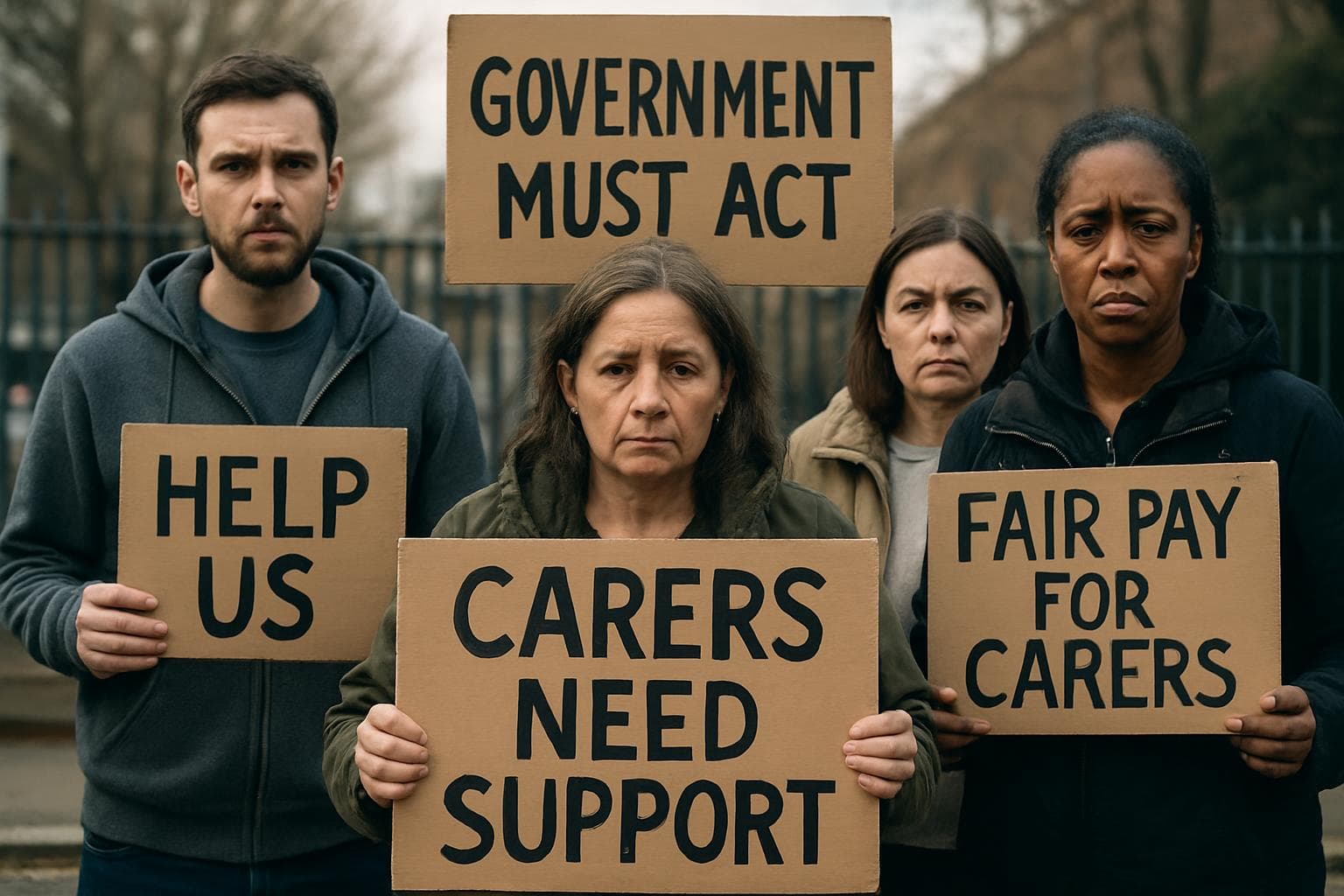
Unpaid carers across the UK are urging the government to enhance financial support and address systemic issues within the Department for Work and Pensions (DWP). This comes amid growing concerns over the financial burdens faced by those caring for loved ones.
Carers Demand Better Support
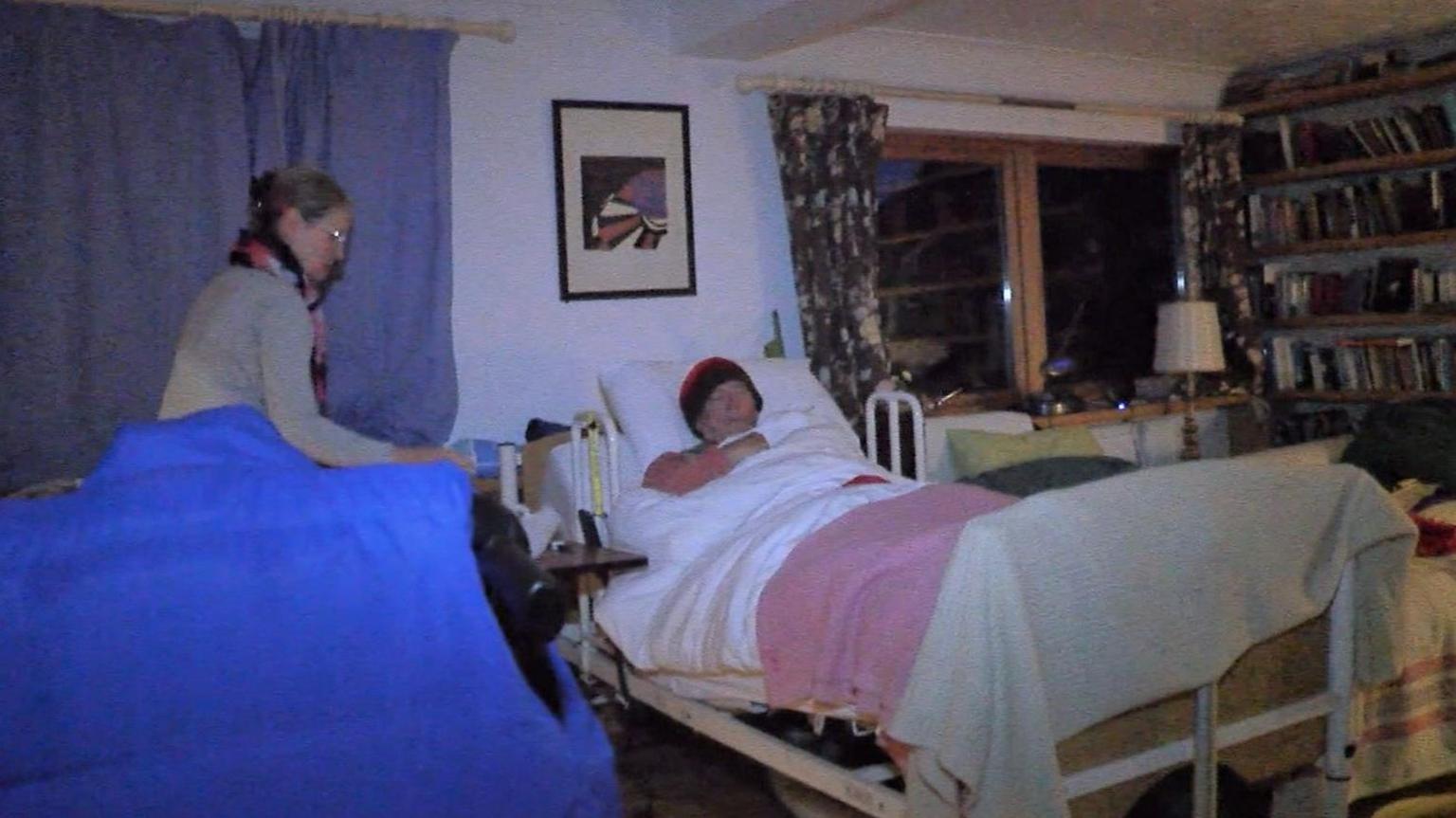
Miranda Mugford, a retired professor from Norfolk, has been vocal about the need for increased attendance allowance and VAT relief on medical equipment. Mugford, who cares for her husband following a stroke, describes the role as a full-time job, highlighting the exhaustion and financial strain it imposes. "Politicians often promise more for social care, but it never materializes," she told BBC Politics East.
According to the 2021 Census, there are five million unpaid carers in England and Wales, with over 81,000 in Norfolk alone. Many of these carers work more than 35 hours a week without pay, equivalent to a full-time job.
DWP Under Scrutiny
The DWP has faced criticism following an independent investigation into the carer's allowance scandal. The inquiry, led by Liz Sayce, uncovered failures that left many carers with significant debts and, in some cases, criminal convictions. The carer's allowance provides £83.30 a week for those caring for at least 35 hours, but exceeding the earnings limit by even a penny can result in the loss of the allowance for that week.
The investigation revealed that the DWP failed to alert carers when they breached the earnings limit, leading to debts sometimes exceeding £20,000. This has prompted a major review of the penalties imposed on unpaid carers.
Government Response and Future Prospects
The government maintains that supporting pensioners and carers is a priority, citing the triple lock commitment and the largest increase in the earnings threshold for carer's allowance. However, many carers feel that these measures fall short of addressing their needs.
A Department of Health and Social Care spokeswoman acknowledged the vital role of carers, stating, "We've delivered the biggest ever cash increase in the earnings threshold for Carer's Allowance and launched the Casey Commission to build consensus for a National Care Service."
WHAT THIS MIGHT MEAN
The ongoing review of the DWP's handling of carer's allowance could lead to significant policy changes, potentially easing the financial burden on unpaid carers. Experts suggest that increased transparency and real-time data alerts could prevent future overpayment issues. Politically, the government's response to these findings may influence public perception and voter sentiment, particularly among the millions of unpaid carers and their families. As the review progresses, stakeholders will be watching closely to see if promised reforms are implemented effectively.
Images from the Web


Related Articles

Breakthrough Drug Offers Hope for Children with Severe Epilepsy
UK Clinical Trial on Puberty Blockers Paused Amid Safety Concerns

Saharan Dust to Illuminate UK Skies with Vivid Sunrises and Sunsets

Arrest of Andrew Mountbatten-Windsor Captured in Iconic Photograph

Sisters Tragically Drown at Eryri National Park's Watkin Path

Labour MP's Husband Arrested in UK-China Espionage Probe
Calls for Increased Support as Unpaid Carers Face Financial Strain
In This Article
 Maya Singh| Published
 HIGHLIGHTS
- Unpaid carers in the UK face significant financial challenges, with many calling for increased support and funding.
- A retired professor, Miranda Mugford, advocates for higher attendance allowance and VAT relief on medical equipment.
- The Department for Work and Pensions (DWP) has been criticized for its handling of carer's allowance, leading to debts and legal issues for carers.
- An independent investigation revealed systemic failures in the DWP, prompting a review of penalties on unpaid carers.
- The government claims to prioritize pensioners and carers, yet many feel that promised reforms have not materialized.
Unpaid carers across the UK are urging the government to enhance financial support and address systemic issues within the Department for Work and Pensions (DWP). This comes amid growing concerns over the financial burdens faced by those caring for loved ones.
Carers Demand Better Support
Miranda Mugford, a retired professor from Norfolk, has been vocal about the need for increased attendance allowance and VAT relief on medical equipment. Mugford, who cares for her husband following a stroke, describes the role as a full-time job, highlighting the exhaustion and financial strain it imposes. "Politicians often promise more for social care, but it never materializes," she told BBC Politics East.
According to the 2021 Census, there are five million unpaid carers in England and Wales, with over 81,000 in Norfolk alone. Many of these carers work more than 35 hours a week without pay, equivalent to a full-time job.
DWP Under Scrutiny
The DWP has faced criticism following an independent investigation into the carer's allowance scandal. The inquiry, led by Liz Sayce, uncovered failures that left many carers with significant debts and, in some cases, criminal convictions. The carer's allowance provides £83.30 a week for those caring for at least 35 hours, but exceeding the earnings limit by even a penny can result in the loss of the allowance for that week.
The investigation revealed that the DWP failed to alert carers when they breached the earnings limit, leading to debts sometimes exceeding £20,000. This has prompted a major review of the penalties imposed on unpaid carers.
Government Response and Future Prospects
The government maintains that supporting pensioners and carers is a priority, citing the triple lock commitment and the largest increase in the earnings threshold for carer's allowance. However, many carers feel that these measures fall short of addressing their needs.
A Department of Health and Social Care spokeswoman acknowledged the vital role of carers, stating, "We've delivered the biggest ever cash increase in the earnings threshold for Carer's Allowance and launched the Casey Commission to build consensus for a National Care Service."
WHAT THIS MIGHT MEAN
The ongoing review of the DWP's handling of carer's allowance could lead to significant policy changes, potentially easing the financial burden on unpaid carers. Experts suggest that increased transparency and real-time data alerts could prevent future overpayment issues. Politically, the government's response to these findings may influence public perception and voter sentiment, particularly among the millions of unpaid carers and their families. As the review progresses, stakeholders will be watching closely to see if promised reforms are implemented effectively.
Images from the Web
Related Articles
Breakthrough Drug Offers Hope for Children with Severe Epilepsy
UK Clinical Trial on Puberty Blockers Paused Amid Safety Concerns
Saharan Dust to Illuminate UK Skies with Vivid Sunrises and Sunsets
Arrest of Andrew Mountbatten-Windsor Captured in Iconic Photograph
Sisters Tragically Drown at Eryri National Park's Watkin Path
Labour MP's Husband Arrested in UK-China Espionage Probe