
UK Welfare Reforms Spark Controversy Amid Labour Divisions
In This Article
HIGHLIGHTS
- The UK government plans to cut personal independence payments (PIP) by 50% for new claimants starting April 2026, aiming to reduce the welfare bill by £5 billion annually.
- Labour MPs are divided over the welfare bill, with some supporting amendments to protect current claimants and others opposing the reforms entirely.
- Disability campaigners argue that the proposed cuts are "dangerous and unacceptable," potentially pushing 150,000 people into poverty by 2030.
- Key Labour figures like Meg Hillier and Debbie Abrahams have expressed mixed feelings about government concessions, with ongoing debates about the timing and impact of a promised review.
- The vote on the welfare bill remains uncertain, with Labour whips working to secure support amid a backdrop of significant internal dissent.
The UK government's proposed welfare reforms, aimed at reducing personal independence payments (PIP) by 50% for new claimants starting in April 2026, have ignited a fierce debate among MPs and disability campaigners. The reforms are part of a broader strategy to cut the working-age welfare bill by £5 billion annually by the end of the decade. However, the changes have been met with significant opposition from both within the Labour Party and among disability advocacy groups.
Labour Party Divisions
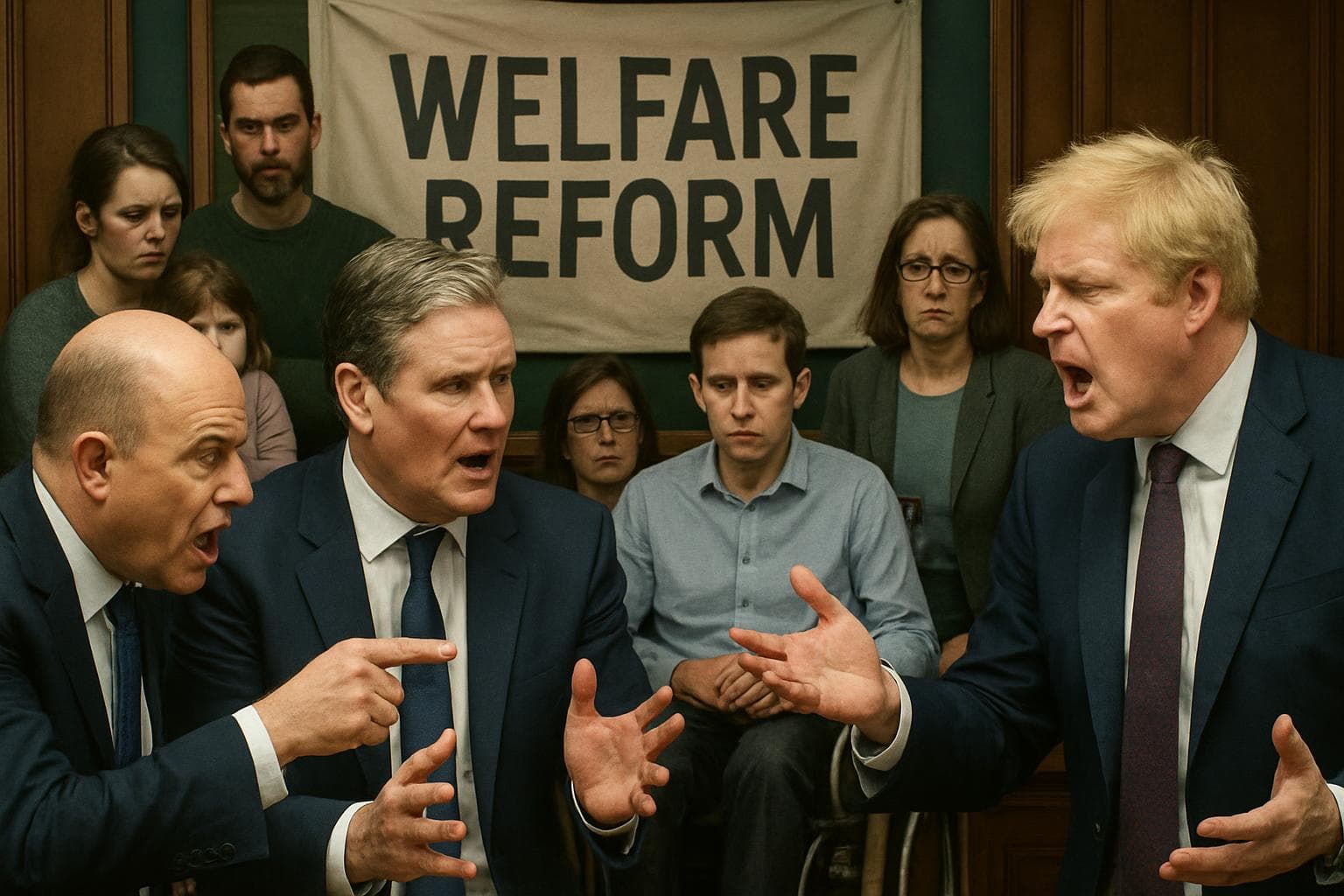
The Labour Party is experiencing internal strife as MPs prepare to vote on the controversial welfare bill. Despite government concessions ensuring that current claimants of PIP and universal credit will not be affected, many Labour MPs remain unconvinced. Meg Hillier, a key figure in the rebellion, has decided to support the bill after securing assurances, but others, like Debbie Abrahams, continue to express skepticism about the government's commitments. The rebellion, initially supported by over 120 Labour MPs, has seen its numbers dwindle, yet around 50 MPs are still expected to vote against the bill.
Campaigners' Concerns
Disability campaigners have voiced strong opposition to the proposed cuts, labeling them as "dangerous and unacceptable." Charlie Lincoln, a disability advocate from Northampton, highlighted the potential impact on vulnerable individuals, stating that without PIP, she would struggle to cover essential expenses. The Department for Work and Pensions has estimated that the cuts could push approximately 150,000 people into poverty by 2030, a figure that underscores the gravity of the situation.
Government's Stance and Opposition
The Conservative Party, led by Kemi Badenoch, has opposed the Labour government's reforms, arguing that they fail to make meaningful savings and merely slow the rate of increase in welfare spending. The business secretary, Jonathan Reynolds, emphasized the urgency of reform, stating that delaying changes could undermine public support for the welfare system. Despite these arguments, the proposed reforms have faced criticism for potentially shifting costs to other areas like housing and social care.
WHAT THIS MIGHT MEAN
As the vote on the welfare bill approaches, the outcome remains uncertain. If the bill passes, it could mark a significant shift in the UK's approach to welfare, potentially setting a precedent for future reforms. However, if the rebellion within the Labour Party gains enough traction, it could lead to a defeat for Prime Minister Keir Starmer, challenging his leadership and prompting a reevaluation of the proposed changes.
Experts suggest that the government's handling of the situation will be crucial in determining public perception and support. Should the reforms proceed, the promised review of PIP assessments will be closely scrutinized to ensure that it addresses the concerns of disability campaigners and provides a fair system for future claimants.
Images from the Web


Related Articles

Labour MP's Husband Arrested in UK-China Espionage Probe

UK-Iran Tensions: Starmer Defends Cautious Approach Amid Trump Criticism
UK Government to Reform Asylum Seeker Support and Employment Policies

UK Faces Dilemmas Amid Iran Conflict and China Spying Allegations

UK Government Announces Major Overhaul of SEND System with £3.4 Billion Investment
Conservatives Propose Interest Rate Cap on Student Loans Amid Growing Debt Concerns
UK Welfare Reforms Spark Controversy Amid Labour Divisions
In This Article
 Alex Carter| Published
 HIGHLIGHTS
- The UK government plans to cut personal independence payments (PIP) by 50% for new claimants starting April 2026, aiming to reduce the welfare bill by £5 billion annually.
- Labour MPs are divided over the welfare bill, with some supporting amendments to protect current claimants and others opposing the reforms entirely.
- Disability campaigners argue that the proposed cuts are "dangerous and unacceptable," potentially pushing 150,000 people into poverty by 2030.
- Key Labour figures like Meg Hillier and Debbie Abrahams have expressed mixed feelings about government concessions, with ongoing debates about the timing and impact of a promised review.
- The vote on the welfare bill remains uncertain, with Labour whips working to secure support amid a backdrop of significant internal dissent.
The UK government's proposed welfare reforms, aimed at reducing personal independence payments (PIP) by 50% for new claimants starting in April 2026, have ignited a fierce debate among MPs and disability campaigners. The reforms are part of a broader strategy to cut the working-age welfare bill by £5 billion annually by the end of the decade. However, the changes have been met with significant opposition from both within the Labour Party and among disability advocacy groups.
Labour Party Divisions
The Labour Party is experiencing internal strife as MPs prepare to vote on the controversial welfare bill. Despite government concessions ensuring that current claimants of PIP and universal credit will not be affected, many Labour MPs remain unconvinced. Meg Hillier, a key figure in the rebellion, has decided to support the bill after securing assurances, but others, like Debbie Abrahams, continue to express skepticism about the government's commitments. The rebellion, initially supported by over 120 Labour MPs, has seen its numbers dwindle, yet around 50 MPs are still expected to vote against the bill.
Campaigners' Concerns
Disability campaigners have voiced strong opposition to the proposed cuts, labeling them as "dangerous and unacceptable." Charlie Lincoln, a disability advocate from Northampton, highlighted the potential impact on vulnerable individuals, stating that without PIP, she would struggle to cover essential expenses. The Department for Work and Pensions has estimated that the cuts could push approximately 150,000 people into poverty by 2030, a figure that underscores the gravity of the situation.
Government's Stance and Opposition
The Conservative Party, led by Kemi Badenoch, has opposed the Labour government's reforms, arguing that they fail to make meaningful savings and merely slow the rate of increase in welfare spending. The business secretary, Jonathan Reynolds, emphasized the urgency of reform, stating that delaying changes could undermine public support for the welfare system. Despite these arguments, the proposed reforms have faced criticism for potentially shifting costs to other areas like housing and social care.
WHAT THIS MIGHT MEAN
As the vote on the welfare bill approaches, the outcome remains uncertain. If the bill passes, it could mark a significant shift in the UK's approach to welfare, potentially setting a precedent for future reforms. However, if the rebellion within the Labour Party gains enough traction, it could lead to a defeat for Prime Minister Keir Starmer, challenging his leadership and prompting a reevaluation of the proposed changes.
Experts suggest that the government's handling of the situation will be crucial in determining public perception and support. Should the reforms proceed, the promised review of PIP assessments will be closely scrutinized to ensure that it addresses the concerns of disability campaigners and provides a fair system for future claimants.
Images from the Web
Related Articles
Labour MP's Husband Arrested in UK-China Espionage Probe
UK-Iran Tensions: Starmer Defends Cautious Approach Amid Trump Criticism
UK Government to Reform Asylum Seeker Support and Employment Policies
UK Faces Dilemmas Amid Iran Conflict and China Spying Allegations
UK Government Announces Major Overhaul of SEND System with £3.4 Billion Investment
Conservatives Propose Interest Rate Cap on Student Loans Amid Growing Debt Concerns