
UK Government Launches £15bn Warm Homes Plan to Cut Energy Bills

In This Article
HIGHLIGHTS
- The UK government has unveiled a £15bn Warm Homes Plan to promote green technology and reduce energy bills.
- The plan includes grants and loans for solar panels, heat pumps, and batteries, aiming to lift one million people out of fuel poverty.
- Critics argue the plan may lead to high ongoing costs for households, while supporters see it as a crucial step for private investment in green tech.
- The plan does not include a ban on gas boilers, but allocates £2.7bn for the Boiler Upgrade Scheme to encourage heat pump adoption.
- Labour's strategy focuses on consumer choice, offering incentives without mandating insulation upgrades.
The UK government has announced a comprehensive £15bn initiative aimed at transforming the nation's energy landscape by promoting the adoption of green technologies such as solar panels and heat pumps. The Warm Homes Plan, revealed on Wednesday, is designed to alleviate the burden of rising energy costs and lift one million people out of fuel poverty over the next five years.
Green Technology Focus
Central to the plan is a significant investment in solar panels, heat pumps, and energy storage solutions. Households across the UK will have access to low-interest loans and grants to facilitate these upgrades. For low-income families, an additional £600m has been earmarked to cover the full cost of solar panels and batteries, bringing the total funding for these groups to £5bn. The plan also extends the Boiler Upgrade Scheme, offering £7,500 grants for heat pumps, with £2.7bn allocated to this effort.
Mixed Reactions and Economic Implications
While the plan has been welcomed by the energy and finance sectors for its potential to drive private investment, it has faced criticism from some quarters. The Conservative Party has expressed concerns about potential high ongoing costs for households, and Richard Tice of the Reform Party labeled the initiative a "scandalous waste" of taxpayer money. Despite these criticisms, industry leaders like Dhara Vyas of Energy UK have praised the government's commitment, emphasizing its importance for market stability.
Consumer Choice and Energy Efficiency
Labour's approach emphasizes consumer choice, opting to incentivize rather than mandate energy efficiency measures. The plan does not include a ban on gas boilers, a decision likely aimed at avoiding backlash from sectors reliant on traditional heating systems. Instead, the focus is on encouraging voluntary adoption of green technology, with hopes that the financial benefits will drive widespread participation.
Long-Term Vision
Energy Secretary Ed Miliband highlighted the plan's ambition to extend clean energy benefits to all households, noting the record demand for solar and heat pump technologies. He stated, "We want this opportunity to be extended to everyone in our society," underscoring the government's commitment to reducing energy costs and environmental impact.
WHAT THIS MIGHT MEAN
The Warm Homes Plan represents a significant shift in the UK's approach to energy efficiency, prioritizing green technology over traditional insulation upgrades. If successful, the initiative could serve as a model for other nations grappling with similar energy challenges. However, its success will depend on effective implementation and public uptake. The absence of a gas boiler ban may appease certain industry stakeholders but could slow the transition to low-carbon heating solutions. As the plan unfolds, its impact on the energy market and household energy bills will be closely monitored, with potential adjustments needed to address any emerging challenges.
Related Articles

US Supreme Court Ruling on Tariffs Sparks Uncertainty for UK and Global Trade
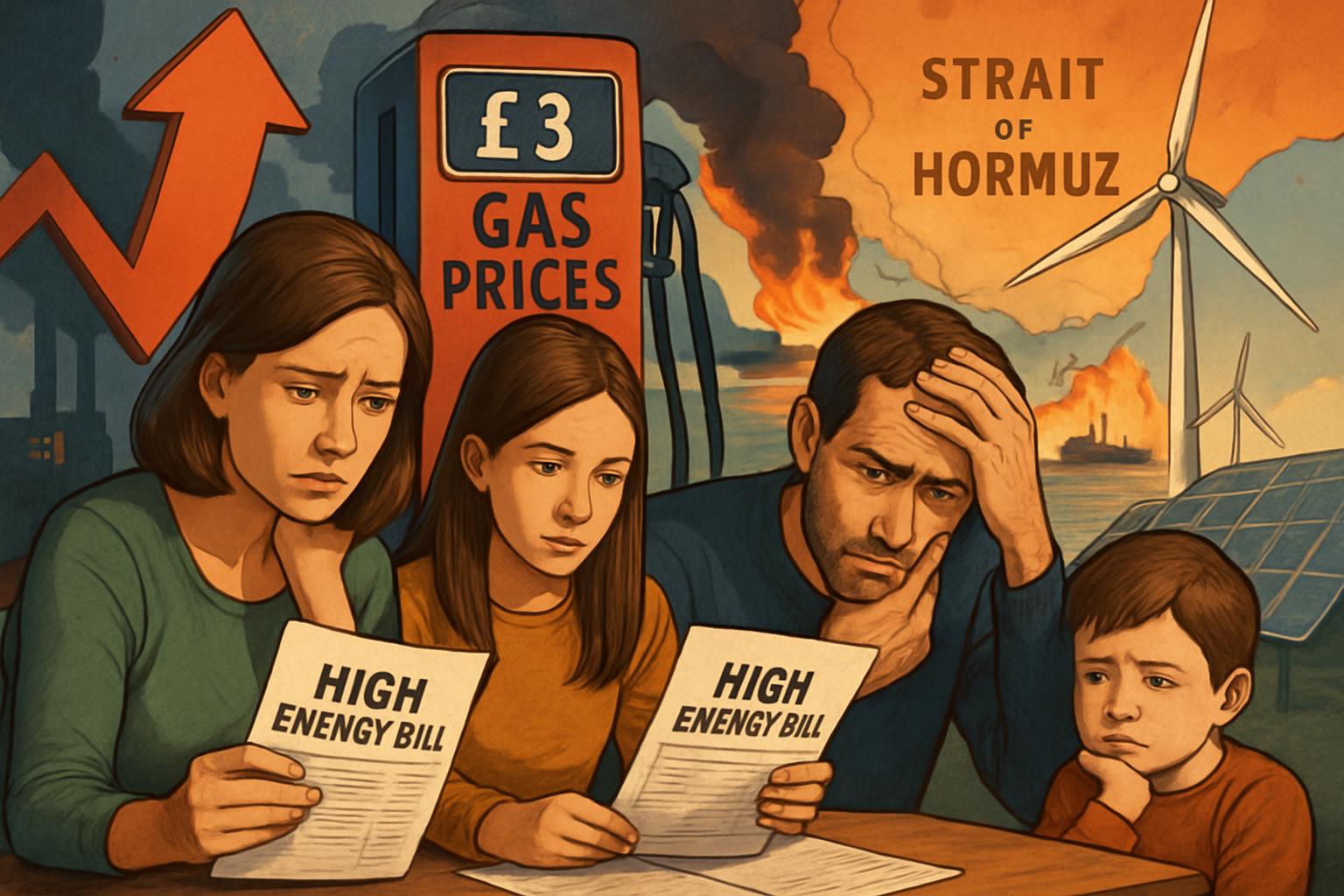
Middle East Conflict Drives UK Energy Prices to New Highs

UK Government to Reform Asylum Seeker Support and Employment Policies

Labour MP's Husband Arrested in UK-China Espionage Probe

UK-Iran Tensions: Starmer Defends Cautious Approach Amid Trump Criticism

Government Announces £4 Billion Overhaul of SEND Support in England
UK Government Launches £15bn Warm Homes Plan to Cut Energy Bills
In This Article
 Daniel Rivera| Published
 HIGHLIGHTS
- The UK government has unveiled a £15bn Warm Homes Plan to promote green technology and reduce energy bills.
- The plan includes grants and loans for solar panels, heat pumps, and batteries, aiming to lift one million people out of fuel poverty.
- Critics argue the plan may lead to high ongoing costs for households, while supporters see it as a crucial step for private investment in green tech.
- The plan does not include a ban on gas boilers, but allocates £2.7bn for the Boiler Upgrade Scheme to encourage heat pump adoption.
- Labour's strategy focuses on consumer choice, offering incentives without mandating insulation upgrades.
The UK government has announced a comprehensive £15bn initiative aimed at transforming the nation's energy landscape by promoting the adoption of green technologies such as solar panels and heat pumps. The Warm Homes Plan, revealed on Wednesday, is designed to alleviate the burden of rising energy costs and lift one million people out of fuel poverty over the next five years.
Green Technology Focus
Central to the plan is a significant investment in solar panels, heat pumps, and energy storage solutions. Households across the UK will have access to low-interest loans and grants to facilitate these upgrades. For low-income families, an additional £600m has been earmarked to cover the full cost of solar panels and batteries, bringing the total funding for these groups to £5bn. The plan also extends the Boiler Upgrade Scheme, offering £7,500 grants for heat pumps, with £2.7bn allocated to this effort.
Mixed Reactions and Economic Implications
While the plan has been welcomed by the energy and finance sectors for its potential to drive private investment, it has faced criticism from some quarters. The Conservative Party has expressed concerns about potential high ongoing costs for households, and Richard Tice of the Reform Party labeled the initiative a "scandalous waste" of taxpayer money. Despite these criticisms, industry leaders like Dhara Vyas of Energy UK have praised the government's commitment, emphasizing its importance for market stability.
Consumer Choice and Energy Efficiency
Labour's approach emphasizes consumer choice, opting to incentivize rather than mandate energy efficiency measures. The plan does not include a ban on gas boilers, a decision likely aimed at avoiding backlash from sectors reliant on traditional heating systems. Instead, the focus is on encouraging voluntary adoption of green technology, with hopes that the financial benefits will drive widespread participation.
Long-Term Vision
Energy Secretary Ed Miliband highlighted the plan's ambition to extend clean energy benefits to all households, noting the record demand for solar and heat pump technologies. He stated, "We want this opportunity to be extended to everyone in our society," underscoring the government's commitment to reducing energy costs and environmental impact.
WHAT THIS MIGHT MEAN
The Warm Homes Plan represents a significant shift in the UK's approach to energy efficiency, prioritizing green technology over traditional insulation upgrades. If successful, the initiative could serve as a model for other nations grappling with similar energy challenges. However, its success will depend on effective implementation and public uptake. The absence of a gas boiler ban may appease certain industry stakeholders but could slow the transition to low-carbon heating solutions. As the plan unfolds, its impact on the energy market and household energy bills will be closely monitored, with potential adjustments needed to address any emerging challenges.
Related Articles
US Supreme Court Ruling on Tariffs Sparks Uncertainty for UK and Global Trade
Middle East Conflict Drives UK Energy Prices to New Highs
UK Government to Reform Asylum Seeker Support and Employment Policies
Labour MP's Husband Arrested in UK-China Espionage Probe
UK-Iran Tensions: Starmer Defends Cautious Approach Amid Trump Criticism
Government Announces £4 Billion Overhaul of SEND Support in England