
UK Government Unveils £725bn Infrastructure Strategy to Revitalize Public Buildings

In This Article
HIGHLIGHTS
- The UK government has announced a £725bn infrastructure strategy over 10 years, focusing on repairing schools, hospitals, and courts.
- £9bn annually will be allocated to address maintenance backlogs in health, education, and justice sectors, with £6bn for hospitals and £3bn for schools.
- The strategy includes £39bn for affordable housing and £15.6bn for regional transport, but details on specific projects will be released in July.
- Public-private partnerships are being considered for funding, with a report expected by the autumn Budget.
- The plan aims to boost economic growth and productivity, with a focus on decarbonization and environmental planning reforms.
In a bold move to rejuvenate the nation's infrastructure, the UK government has announced a comprehensive £725bn strategy aimed at repairing and upgrading public buildings over the next decade. This ambitious plan, unveiled by Chief Secretary to the Treasury Darren Jones, seeks to address the "soaring maintenance backlog" in critical sectors such as health, education, and justice.
Investment in Public Buildings
The strategy commits £9bn annually to refurbish crumbling hospitals, schools, and courts, with £6bn earmarked for hospital repairs and £3bn for educational institutions. This initiative includes the removal of deteriorating reinforced autoclaved aerated concrete (Raac) from hospitals and enhancing safety measures in prisons. The government aims to deliver tangible improvements to local roads and high streets, making communities more livable.
Broader Infrastructure Goals
Beyond immediate repairs, the strategy outlines significant investments in housing and transport. A total of £39bn is allocated for affordable housing, while £15.6bn will support regional transport projects. The plan also includes £1bn for road and bridge repairs and £590m for the Lower Thames Crossing project. However, the long-awaited northern high-speed rail link between Liverpool and Manchester remains unapproved at this stage.
Funding Models and Economic Growth
The government is exploring new funding models, including public-private partnerships, to support these projects, with a detailed report expected by the autumn Budget. Chancellor Rachel Reeves emphasized that this investment is crucial for addressing the decay in public infrastructure and stimulating economic growth. The strategy is designed to boost productivity and support the decarbonization of the economy, with £500m allocated for environmental planning reforms.
Industry and Political Reactions
The announcement has been met with cautious optimism from business and industry leaders, who have long advocated for a clear, long-term infrastructure vision. Henri Murison, CEO of the Northern Powerhouse Partnership, highlighted the potential for these investments to unlock private finance and drive economic stability. Meanwhile, Conservative shadow minister Richard Fuller acknowledged the challenges faced by the previous government but urged clarity on which projects might be abandoned.
WHAT THIS MIGHT MEAN
As the UK government moves forward with its infrastructure strategy, the release of a detailed project pipeline in July will be crucial for providing clarity and confidence to investors and stakeholders. The success of this plan hinges on effective collaboration between public and private sectors, particularly in light of potential funding through public-private partnerships. If executed well, this strategy could significantly boost economic growth, enhance public services, and contribute to the UK's decarbonization goals. However, the government must navigate potential political and economic challenges, including ensuring transparency and accountability in project selection and implementation.
Related Articles

UK Government Considers Removing Andrew Mountbatten-Windsor from Royal Succession Amid Arrest

UK Government Launches Campaign to Tackle Harmful Online Content for Children

Keir Starmer Faces Leadership Crisis Amid Calls for Resignation

UK Government Proposes Major Reforms to Cut Pet Care Costs
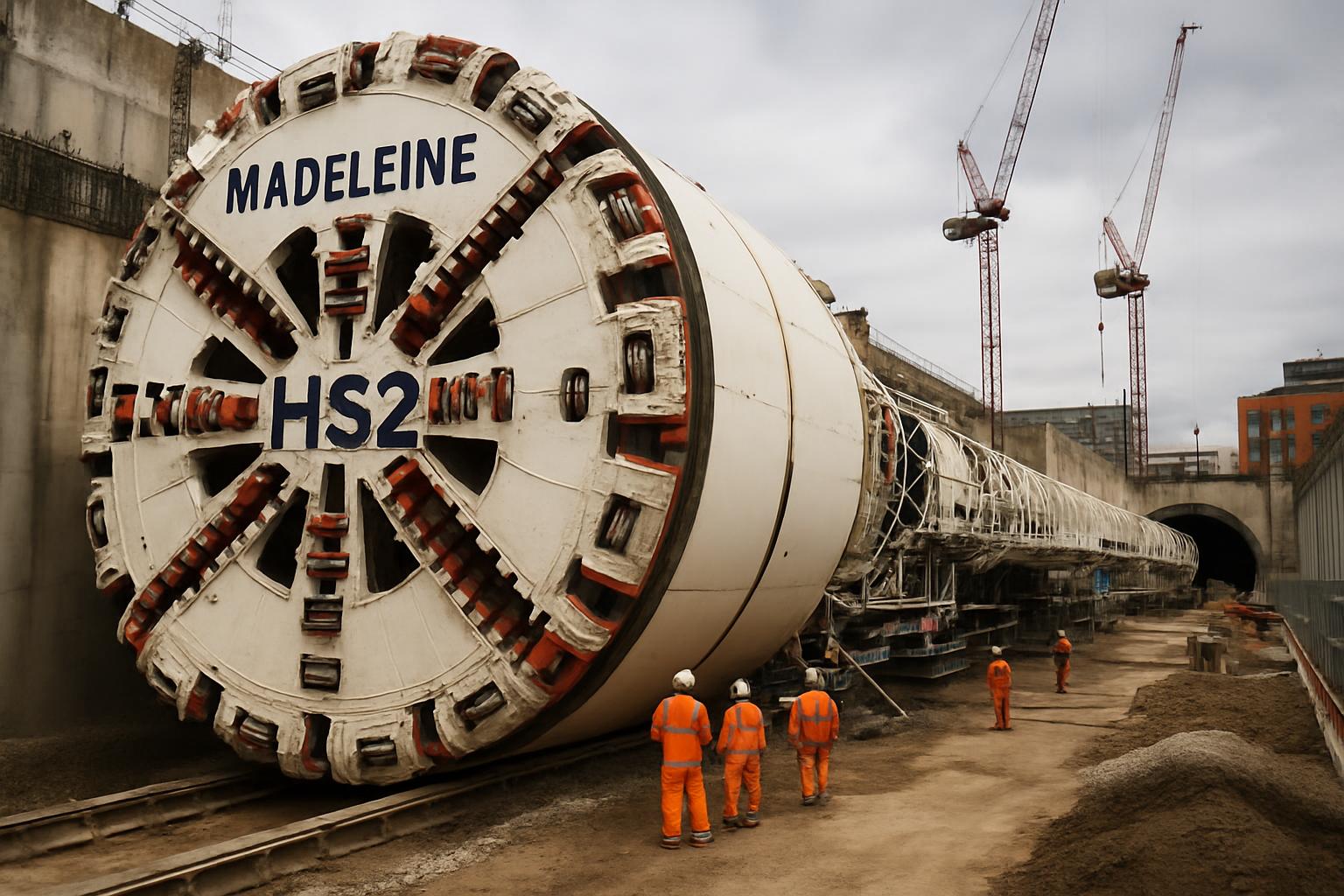
HS2 Tunneling Begins as Euston Station Plans Evolve Amid Cost Concerns

EU and UK Explore Closer Trade and Defence Ties Amid Global Uncertainty
UK Government Unveils £725bn Infrastructure Strategy to Revitalize Public Buildings
In This Article
 Ethan Brooks| Published
 HIGHLIGHTS
- The UK government has announced a £725bn infrastructure strategy over 10 years, focusing on repairing schools, hospitals, and courts.
- £9bn annually will be allocated to address maintenance backlogs in health, education, and justice sectors, with £6bn for hospitals and £3bn for schools.
- The strategy includes £39bn for affordable housing and £15.6bn for regional transport, but details on specific projects will be released in July.
- Public-private partnerships are being considered for funding, with a report expected by the autumn Budget.
- The plan aims to boost economic growth and productivity, with a focus on decarbonization and environmental planning reforms.
In a bold move to rejuvenate the nation's infrastructure, the UK government has announced a comprehensive £725bn strategy aimed at repairing and upgrading public buildings over the next decade. This ambitious plan, unveiled by Chief Secretary to the Treasury Darren Jones, seeks to address the "soaring maintenance backlog" in critical sectors such as health, education, and justice.
Investment in Public Buildings
The strategy commits £9bn annually to refurbish crumbling hospitals, schools, and courts, with £6bn earmarked for hospital repairs and £3bn for educational institutions. This initiative includes the removal of deteriorating reinforced autoclaved aerated concrete (Raac) from hospitals and enhancing safety measures in prisons. The government aims to deliver tangible improvements to local roads and high streets, making communities more livable.
Broader Infrastructure Goals
Beyond immediate repairs, the strategy outlines significant investments in housing and transport. A total of £39bn is allocated for affordable housing, while £15.6bn will support regional transport projects. The plan also includes £1bn for road and bridge repairs and £590m for the Lower Thames Crossing project. However, the long-awaited northern high-speed rail link between Liverpool and Manchester remains unapproved at this stage.
Funding Models and Economic Growth
The government is exploring new funding models, including public-private partnerships, to support these projects, with a detailed report expected by the autumn Budget. Chancellor Rachel Reeves emphasized that this investment is crucial for addressing the decay in public infrastructure and stimulating economic growth. The strategy is designed to boost productivity and support the decarbonization of the economy, with £500m allocated for environmental planning reforms.
Industry and Political Reactions
The announcement has been met with cautious optimism from business and industry leaders, who have long advocated for a clear, long-term infrastructure vision. Henri Murison, CEO of the Northern Powerhouse Partnership, highlighted the potential for these investments to unlock private finance and drive economic stability. Meanwhile, Conservative shadow minister Richard Fuller acknowledged the challenges faced by the previous government but urged clarity on which projects might be abandoned.
WHAT THIS MIGHT MEAN
As the UK government moves forward with its infrastructure strategy, the release of a detailed project pipeline in July will be crucial for providing clarity and confidence to investors and stakeholders. The success of this plan hinges on effective collaboration between public and private sectors, particularly in light of potential funding through public-private partnerships. If executed well, this strategy could significantly boost economic growth, enhance public services, and contribute to the UK's decarbonization goals. However, the government must navigate potential political and economic challenges, including ensuring transparency and accountability in project selection and implementation.
Related Articles
UK Government Considers Removing Andrew Mountbatten-Windsor from Royal Succession Amid Arrest
UK Government Launches Campaign to Tackle Harmful Online Content for Children
Keir Starmer Faces Leadership Crisis Amid Calls for Resignation
UK Government Proposes Major Reforms to Cut Pet Care Costs
HS2 Tunneling Begins as Euston Station Plans Evolve Amid Cost Concerns
EU and UK Explore Closer Trade and Defence Ties Amid Global Uncertainty