
UK's Ajax Armoured Vehicles Finally Ready for Deployment After Long Delays
In This Article
HIGHLIGHTS
- The UK has delivered the first Ajax armoured vehicles, eight years behind schedule, amid past issues of noise and vibration.
- Defence Minister Luke Pollard expressed confidence that Nato allies are interested in purchasing these vehicles.
- The £6.3bn Ajax project, criticized for poor management, aims to deliver all 589 vehicles by 2029.
- General Dynamics, employing over 700 people in Merthyr Tydfil, is pivotal to the project's success and local economy.
- Despite past challenges, the Ajax is now deemed safe and capable, enhancing British Army capabilities.
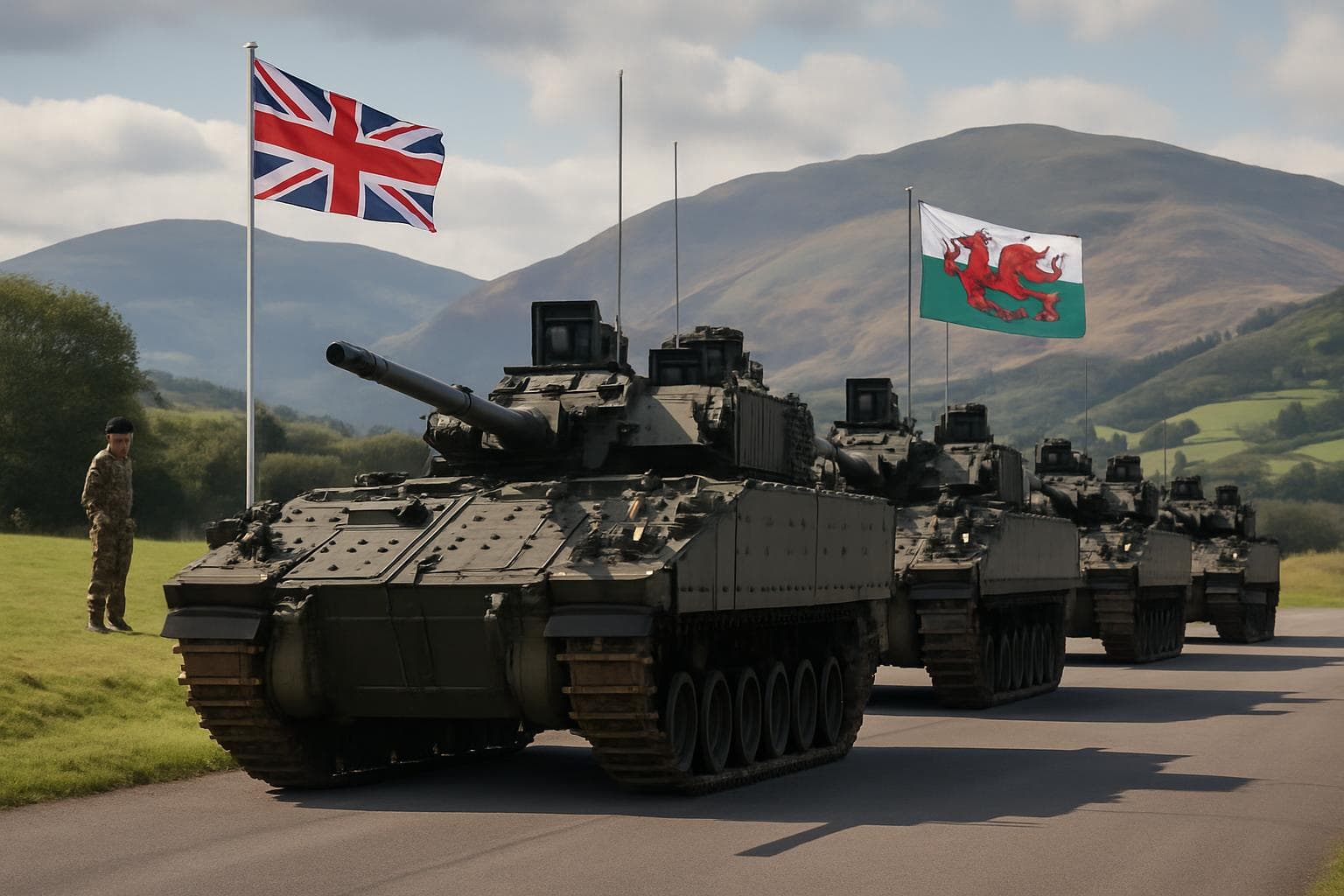
The British military has announced the first delivery of the Ajax armoured vehicles, marking a significant milestone in a project that has faced numerous setbacks. Originally slated for deployment in 2019, the Ajax vehicles, built by General Dynamics in Merthyr Tydfil, have been delayed due to issues with noise and vibration, which raised safety concerns for soldiers.
Project Challenges and Milestones
The £6.3bn Ajax project has been a point of contention, with the Ministry of Defence criticized for its management. Initial tests in 2020 and 2021 revealed significant problems, leading to a pause in production. However, Defence Minister Luke Pollard confirmed that these issues have been resolved, and the first 50 vehicles, each costing nearly £10m, are ready for deployment on Nato's eastern flank.
Economic and Strategic Implications
The Ajax project is crucial not only for military strategy but also for the local economy in south Wales, where General Dynamics employs over 700 people. The company plays a significant role in the community, supporting local education and employment. Pollard emphasized the vehicle's importance, stating, "We now have an incredible, capable, next-generation capability that's safe for our forces."
Future Prospects and Nato Interest
With all 589 vehicles expected to be delivered by 2029, the future of the production line remains uncertain without further orders. However, Pollard is optimistic about export opportunities, particularly among Nato allies. The Ajax, designed for reconnaissance and recovery, is seen as a key component of British Army capabilities, despite the evolving nature of modern warfare, where drones have become increasingly prominent.
WHAT THIS MIGHT MEAN
The successful deployment of the Ajax vehicles could bolster the UK's standing within Nato, potentially leading to further military procurement contracts. However, the project's delays highlight the need for reform in military procurement processes to avoid similar issues in the future. As warfare technology evolves, the relevance of traditional armoured vehicles may be challenged, necessitating continuous innovation to maintain strategic advantages. Experts suggest that the Ajax's success will depend on its adaptability to modern combat scenarios, particularly in the context of drone warfare.
Related Articles

UK Defence Faces Scrutiny Amid Ajax Armoured Vehicle Delays and Soldier Safety Concerns

UK Government Reconsiders Youth Minimum Wage Policy Amid Rising Unemployment

British Army Officers Face Court Martial Over Mishandling of Jaysley Beck Sexual Assault Case

British Army Officer Dies in Northumberland Live Fire Training Incident
UK Reinforces Military Presence in Cyprus Amid Middle East Tensions

Prince Andrew's Arrest Intensifies Scrutiny on Royal Succession and Prince William's Future Role
UK's Ajax Armoured Vehicles Finally Ready for Deployment After Long Delays
In This Article
 Daniel Rivera| Published
 HIGHLIGHTS
- The UK has delivered the first Ajax armoured vehicles, eight years behind schedule, amid past issues of noise and vibration.
- Defence Minister Luke Pollard expressed confidence that Nato allies are interested in purchasing these vehicles.
- The £6.3bn Ajax project, criticized for poor management, aims to deliver all 589 vehicles by 2029.
- General Dynamics, employing over 700 people in Merthyr Tydfil, is pivotal to the project's success and local economy.
- Despite past challenges, the Ajax is now deemed safe and capable, enhancing British Army capabilities.
The British military has announced the first delivery of the Ajax armoured vehicles, marking a significant milestone in a project that has faced numerous setbacks. Originally slated for deployment in 2019, the Ajax vehicles, built by General Dynamics in Merthyr Tydfil, have been delayed due to issues with noise and vibration, which raised safety concerns for soldiers.
Project Challenges and Milestones
The £6.3bn Ajax project has been a point of contention, with the Ministry of Defence criticized for its management. Initial tests in 2020 and 2021 revealed significant problems, leading to a pause in production. However, Defence Minister Luke Pollard confirmed that these issues have been resolved, and the first 50 vehicles, each costing nearly £10m, are ready for deployment on Nato's eastern flank.
Economic and Strategic Implications
The Ajax project is crucial not only for military strategy but also for the local economy in south Wales, where General Dynamics employs over 700 people. The company plays a significant role in the community, supporting local education and employment. Pollard emphasized the vehicle's importance, stating, "We now have an incredible, capable, next-generation capability that's safe for our forces."
Future Prospects and Nato Interest
With all 589 vehicles expected to be delivered by 2029, the future of the production line remains uncertain without further orders. However, Pollard is optimistic about export opportunities, particularly among Nato allies. The Ajax, designed for reconnaissance and recovery, is seen as a key component of British Army capabilities, despite the evolving nature of modern warfare, where drones have become increasingly prominent.
WHAT THIS MIGHT MEAN
The successful deployment of the Ajax vehicles could bolster the UK's standing within Nato, potentially leading to further military procurement contracts. However, the project's delays highlight the need for reform in military procurement processes to avoid similar issues in the future. As warfare technology evolves, the relevance of traditional armoured vehicles may be challenged, necessitating continuous innovation to maintain strategic advantages. Experts suggest that the Ajax's success will depend on its adaptability to modern combat scenarios, particularly in the context of drone warfare.
Related Articles
UK Defence Faces Scrutiny Amid Ajax Armoured Vehicle Delays and Soldier Safety Concerns
UK Government Reconsiders Youth Minimum Wage Policy Amid Rising Unemployment
British Army Officers Face Court Martial Over Mishandling of Jaysley Beck Sexual Assault Case
British Army Officer Dies in Northumberland Live Fire Training Incident
UK Reinforces Military Presence in Cyprus Amid Middle East Tensions
Prince Andrew's Arrest Intensifies Scrutiny on Royal Succession and Prince William's Future Role