
US Coast Guard Report Deems Titan Submersible Implosion a Preventable Tragedy

In This Article
HIGHLIGHTS
- The US Coast Guard's report labels the Titan submersible implosion as a "preventable tragedy" due to OceanGate's inadequate safety practices.
- OceanGate's use of carbon fibre for the Titan's hull, a material known to be unreliable under pressure, was a critical factor in the disaster.
- The report highlights a toxic workplace culture at OceanGate, where safety concerns were often ignored or suppressed.
- Whistleblower David Lochridge had previously warned about safety issues, but his concerns were dismissed, leading to his dismissal in 2018.
- The implosion resulted in the deaths of all five on board, including OceanGate CEO Stockton Rush, with potential legal consequences had he survived.
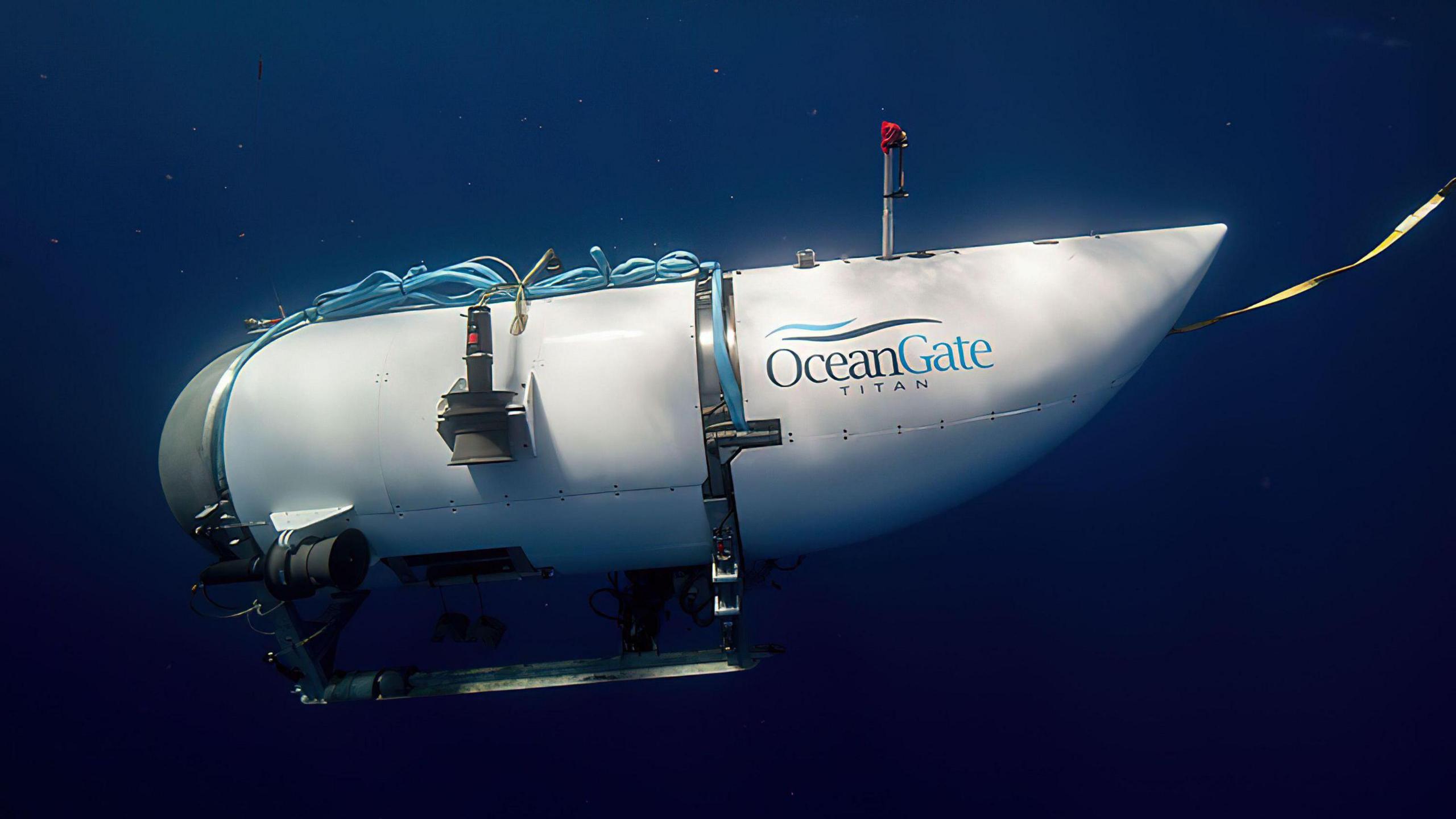
The US Coast Guard has released a comprehensive report condemning the safety practices of OceanGate, the company behind the ill-fated Titan submersible, which imploded during a dive to the Titanic wreckage in June 2023. The tragedy claimed the lives of all five individuals on board, including OceanGate CEO Stockton Rush. The 335-page report describes the disaster as a "preventable tragedy," attributing it to critically flawed safety protocols and a toxic corporate culture.
Inadequate Safety Measures and Material Concerns
The report highlights OceanGate's decision to construct the Titan's hull from carbon fibre, a material not traditionally used for deep-sea submersibles due to its unreliability under high pressure. Despite completing 13 dives to the Titanic in the two years prior, the submersible's structural integrity was compromised, leading to its catastrophic failure. The Coast Guard's findings emphasize the need for stronger oversight and regulatory frameworks for companies exploring new technologies in marine exploration.
A Culture of Suppression and Intimidation
Investigators uncovered a toxic workplace environment at OceanGate, where employees faced intimidation and dismissal for raising safety concerns. Whistleblower David Lochridge, who served as the Director of Marine Operations, had warned about the submersible's safety issues as early as 2018. His concerns were dismissed, and he was subsequently terminated. The report accuses OceanGate of deliberately avoiding regulatory scrutiny and falsifying safety information to maintain its reputation.
Human Cost and Potential Legal Ramifications
The implosion resulted in the deaths of Stockton Rush, French explorer Paul-Henri Nargeolet, British adventurer Hamish Harding, and British-Pakistani businessman Shahzada Dawood and his son Suleman. The report suggests that had Rush survived, he might have faced criminal charges for negligence. OceanGate has since ceased operations and is cooperating with ongoing investigations.
WHAT THIS MIGHT MEAN
The release of the US Coast Guard's report could prompt significant changes in the regulation of deep-sea exploration technologies. Experts may call for stricter oversight and certification processes, particularly for experimental materials like carbon fibre. The tragedy also underscores the importance of fostering a safety-first culture within organizations, potentially influencing industry-wide practices.
Legal repercussions could follow, especially if families of the victims pursue civil action against OceanGate. The findings may also lead to broader discussions about the responsibilities of companies in high-risk industries and the role of whistleblowers in preventing future tragedies.
Images from the Web
Related Articles

US Homeland Security Shutdown Sparks Concerns Over Travel Delays and Immigration Reforms
Search for Missing Crew Suspended After Massachusetts Fishing Boat Sinks

"Sinners Makes Oscar History with Record-Breaking 16 Nominations"
US Seizes Russian Tanker Amid Sanctions, UK Support Raises Speculation on Further Actions
UK and US Collaborate in Seizing Russian-Flagged Tanker Amid Sanctions Crackdown

Scottish Troops May Join Ukraine Peacekeeping Efforts Amid Rising Geopolitical Tensions
US Coast Guard Report Deems Titan Submersible Implosion a Preventable Tragedy
In This Article
 Himanshu Kaushik| Published
 HIGHLIGHTS
- The US Coast Guard's report labels the Titan submersible implosion as a "preventable tragedy" due to OceanGate's inadequate safety practices.
- OceanGate's use of carbon fibre for the Titan's hull, a material known to be unreliable under pressure, was a critical factor in the disaster.
- The report highlights a toxic workplace culture at OceanGate, where safety concerns were often ignored or suppressed.
- Whistleblower David Lochridge had previously warned about safety issues, but his concerns were dismissed, leading to his dismissal in 2018.
- The implosion resulted in the deaths of all five on board, including OceanGate CEO Stockton Rush, with potential legal consequences had he survived.
The US Coast Guard has released a comprehensive report condemning the safety practices of OceanGate, the company behind the ill-fated Titan submersible, which imploded during a dive to the Titanic wreckage in June 2023. The tragedy claimed the lives of all five individuals on board, including OceanGate CEO Stockton Rush. The 335-page report describes the disaster as a "preventable tragedy," attributing it to critically flawed safety protocols and a toxic corporate culture.
Inadequate Safety Measures and Material Concerns
The report highlights OceanGate's decision to construct the Titan's hull from carbon fibre, a material not traditionally used for deep-sea submersibles due to its unreliability under high pressure. Despite completing 13 dives to the Titanic in the two years prior, the submersible's structural integrity was compromised, leading to its catastrophic failure. The Coast Guard's findings emphasize the need for stronger oversight and regulatory frameworks for companies exploring new technologies in marine exploration.
A Culture of Suppression and Intimidation
Investigators uncovered a toxic workplace environment at OceanGate, where employees faced intimidation and dismissal for raising safety concerns. Whistleblower David Lochridge, who served as the Director of Marine Operations, had warned about the submersible's safety issues as early as 2018. His concerns were dismissed, and he was subsequently terminated. The report accuses OceanGate of deliberately avoiding regulatory scrutiny and falsifying safety information to maintain its reputation.
Human Cost and Potential Legal Ramifications
The implosion resulted in the deaths of Stockton Rush, French explorer Paul-Henri Nargeolet, British adventurer Hamish Harding, and British-Pakistani businessman Shahzada Dawood and his son Suleman. The report suggests that had Rush survived, he might have faced criminal charges for negligence. OceanGate has since ceased operations and is cooperating with ongoing investigations.
WHAT THIS MIGHT MEAN
The release of the US Coast Guard's report could prompt significant changes in the regulation of deep-sea exploration technologies. Experts may call for stricter oversight and certification processes, particularly for experimental materials like carbon fibre. The tragedy also underscores the importance of fostering a safety-first culture within organizations, potentially influencing industry-wide practices.
Legal repercussions could follow, especially if families of the victims pursue civil action against OceanGate. The findings may also lead to broader discussions about the responsibilities of companies in high-risk industries and the role of whistleblowers in preventing future tragedies.
Images from the Web
Related Articles
US Homeland Security Shutdown Sparks Concerns Over Travel Delays and Immigration Reforms
Search for Missing Crew Suspended After Massachusetts Fishing Boat Sinks
"Sinners Makes Oscar History with Record-Breaking 16 Nominations"
US Seizes Russian Tanker Amid Sanctions, UK Support Raises Speculation on Further Actions
UK and US Collaborate in Seizing Russian-Flagged Tanker Amid Sanctions Crackdown
Scottish Troops May Join Ukraine Peacekeeping Efforts Amid Rising Geopolitical Tensions