
US Report Criticizes UK for Deteriorating Human Rights and Free Speech Restrictions

In This Article
HIGHLIGHTS
- The US state department report criticizes the UK for worsening human rights, focusing on free speech restrictions and antisemitic violence.
- Buffer zones around abortion clinics in the UK are highlighted as limiting free speech, with cases like Livia Tossici-Bolt's conviction drawing attention.
- The report accuses UK officials of chilling online speech, especially after the 2024 Southport attack, where misinformation led to violent protests.
- The UK government defends its stance, emphasizing the balance between free speech and citizen safety.
- The report's criticisms are part of a broader pattern of the US scrutinizing perceived adversaries while sparing allies.
A recent US state department report has cast a critical eye on the United Kingdom, alleging a decline in human rights, particularly concerning freedom of expression and antisemitic violence. The annual assessment, produced under the Trump administration, highlights several areas where it claims the UK has faltered in upholding democratic values.
Free Speech Under Scrutiny
The report points to specific legislative measures, such as buffer zones around abortion clinics, as significant restrictions on free speech. These zones, implemented in England, Wales, and Scotland, are designed to prevent harassment but have been criticized for limiting peaceful protests, including silent prayers. The case of Livia Tossici-Bolt, convicted for holding a sign outside a Bournemouth clinic, exemplifies the contentious nature of these laws.
Online Censorship and the Southport Incident
The aftermath of the 2024 Southport attack, where misinformation about the perpetrator led to violent protests, has also been a focal point. The report accuses UK officials of intervening to suppress online speech, a move seen as stifling political discourse. Prime Minister Sir Keir Starmer's promise to hold those spreading false claims accountable underscores the tension between maintaining public order and protecting free speech.
UK Government's Response
In response, a UK government spokesperson reiterated the importance of free speech as a cornerstone of democracy, asserting that the measures in place are necessary to ensure citizen safety. The government maintains that it effectively enforces laws to protect human rights, despite the criticisms.
Broader Implications
The report's findings are part of a larger pattern of the US state department's approach, which has been accused of being lenient towards allies while harsh on perceived adversaries. This has sparked debates on the consistency and motivations behind the US's human rights evaluations.
WHAT THIS MIGHT MEAN
The US report's criticisms could strain diplomatic relations between the UK and the US, particularly if the UK perceives the assessment as unfair or politically motivated. Domestically, the report may fuel debates on the balance between security and freedom of expression, potentially prompting legal reviews or reforms. Experts suggest that the UK's response will be crucial in shaping its international human rights reputation, especially as it navigates post-Brexit global dynamics.
Related Articles

Sisters Tragically Drown at Eryri National Park's Watkin Path

UK Faces Dilemmas Amid Iran Conflict and China Spying Allegations
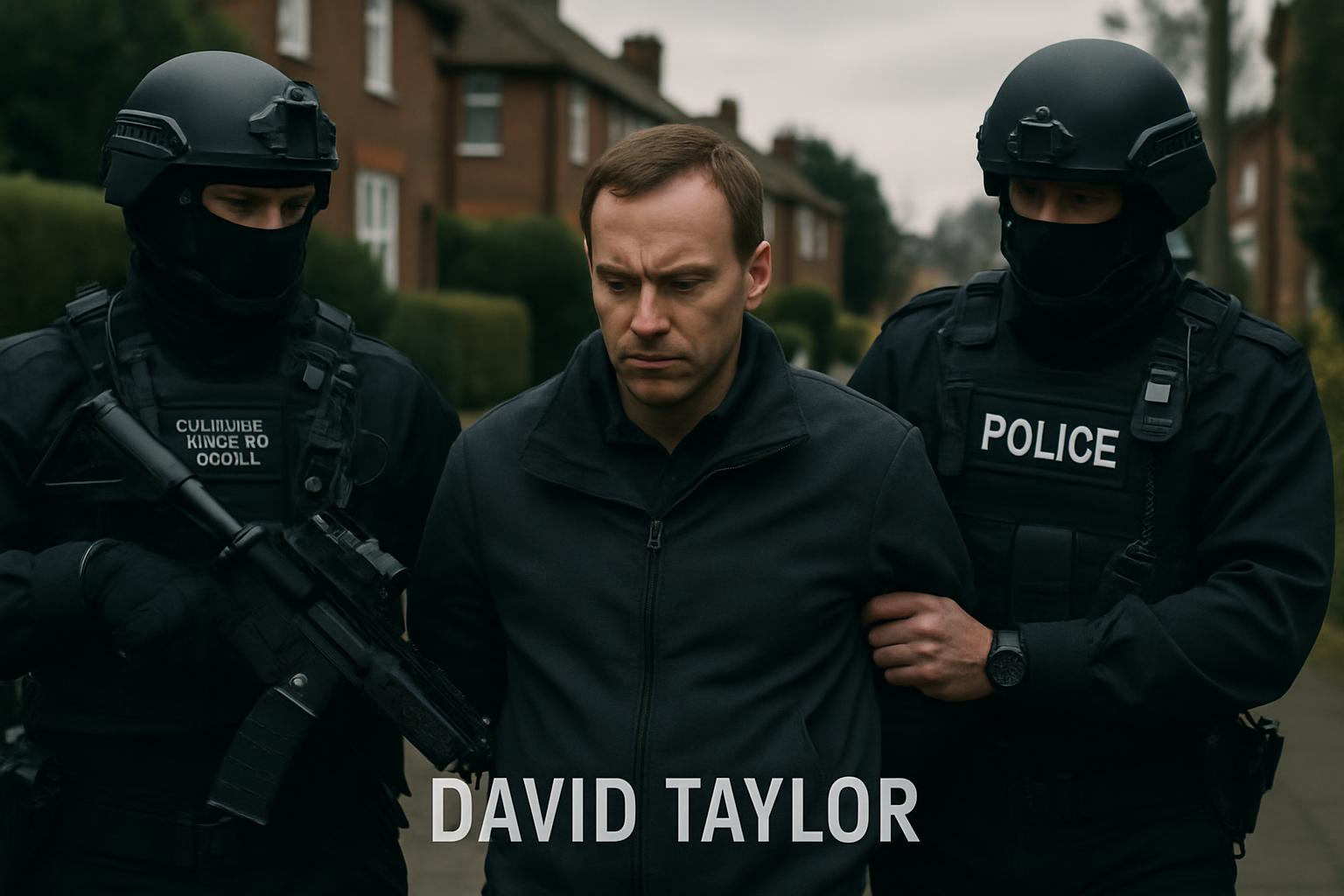
Labour MP's Husband Arrested in UK-China Espionage Probe

Saharan Dust to Illuminate UK Skies with Vivid Sunrises and Sunsets

Government Announces £4 Billion Overhaul of SEND Support in England

Breakthrough Drug Offers Hope for Children with Severe Epilepsy
US Report Criticizes UK for Deteriorating Human Rights and Free Speech Restrictions
In This Article
 Ethan Brooks| Published
 HIGHLIGHTS
- The US state department report criticizes the UK for worsening human rights, focusing on free speech restrictions and antisemitic violence.
- Buffer zones around abortion clinics in the UK are highlighted as limiting free speech, with cases like Livia Tossici-Bolt's conviction drawing attention.
- The report accuses UK officials of chilling online speech, especially after the 2024 Southport attack, where misinformation led to violent protests.
- The UK government defends its stance, emphasizing the balance between free speech and citizen safety.
- The report's criticisms are part of a broader pattern of the US scrutinizing perceived adversaries while sparing allies.
A recent US state department report has cast a critical eye on the United Kingdom, alleging a decline in human rights, particularly concerning freedom of expression and antisemitic violence. The annual assessment, produced under the Trump administration, highlights several areas where it claims the UK has faltered in upholding democratic values.
Free Speech Under Scrutiny
The report points to specific legislative measures, such as buffer zones around abortion clinics, as significant restrictions on free speech. These zones, implemented in England, Wales, and Scotland, are designed to prevent harassment but have been criticized for limiting peaceful protests, including silent prayers. The case of Livia Tossici-Bolt, convicted for holding a sign outside a Bournemouth clinic, exemplifies the contentious nature of these laws.
Online Censorship and the Southport Incident
The aftermath of the 2024 Southport attack, where misinformation about the perpetrator led to violent protests, has also been a focal point. The report accuses UK officials of intervening to suppress online speech, a move seen as stifling political discourse. Prime Minister Sir Keir Starmer's promise to hold those spreading false claims accountable underscores the tension between maintaining public order and protecting free speech.
UK Government's Response
In response, a UK government spokesperson reiterated the importance of free speech as a cornerstone of democracy, asserting that the measures in place are necessary to ensure citizen safety. The government maintains that it effectively enforces laws to protect human rights, despite the criticisms.
Broader Implications
The report's findings are part of a larger pattern of the US state department's approach, which has been accused of being lenient towards allies while harsh on perceived adversaries. This has sparked debates on the consistency and motivations behind the US's human rights evaluations.
WHAT THIS MIGHT MEAN
The US report's criticisms could strain diplomatic relations between the UK and the US, particularly if the UK perceives the assessment as unfair or politically motivated. Domestically, the report may fuel debates on the balance between security and freedom of expression, potentially prompting legal reviews or reforms. Experts suggest that the UK's response will be crucial in shaping its international human rights reputation, especially as it navigates post-Brexit global dynamics.
Related Articles
Sisters Tragically Drown at Eryri National Park's Watkin Path
UK Faces Dilemmas Amid Iran Conflict and China Spying Allegations
Labour MP's Husband Arrested in UK-China Espionage Probe
Saharan Dust to Illuminate UK Skies with Vivid Sunrises and Sunsets
Government Announces £4 Billion Overhaul of SEND Support in England
Breakthrough Drug Offers Hope for Children with Severe Epilepsy