
Vera C Rubin Observatory Unveils First Cosmic Images, Heralding a New Era in Astronomy
In This Article
HIGHLIGHTS
- The Vera C Rubin Observatory in Chile has released its first images, showcasing its ability to capture detailed views of distant galaxies and cosmic phenomena.
- This $810 million facility, equipped with the world's largest digital camera, aims to conduct a 10-year survey of the southern night sky, potentially discovering new planets and mapping the Milky Way.
- The observatory has already identified 2,104 previously unspotted asteroids, including seven near-Earth asteroids, within just 10 hours of observation.
- The UK is a key partner in the project, hosting data centers to process the vast amount of information collected by the telescope.
- The observatory's findings are expected to significantly advance our understanding of dark matter and the history of the universe.
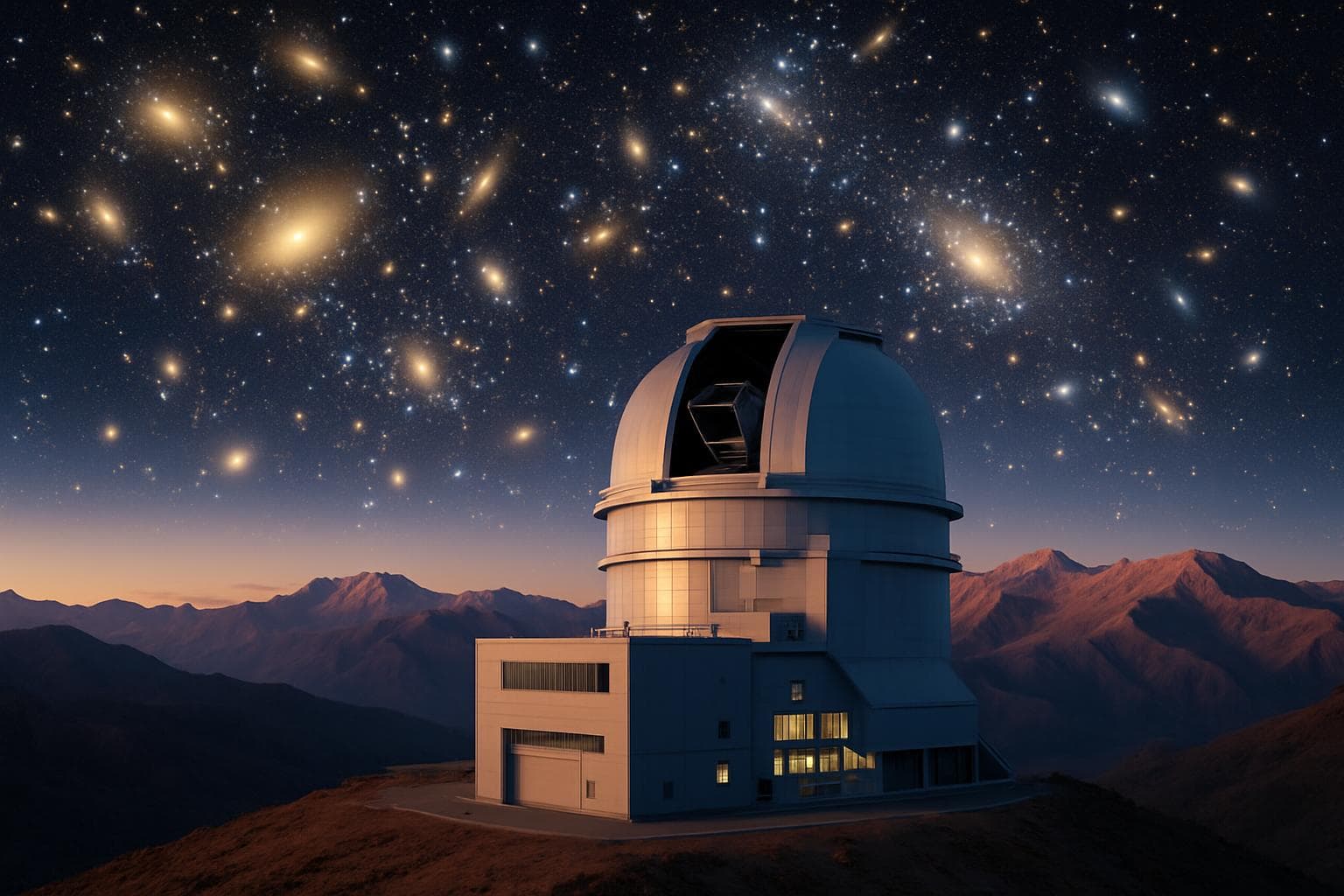
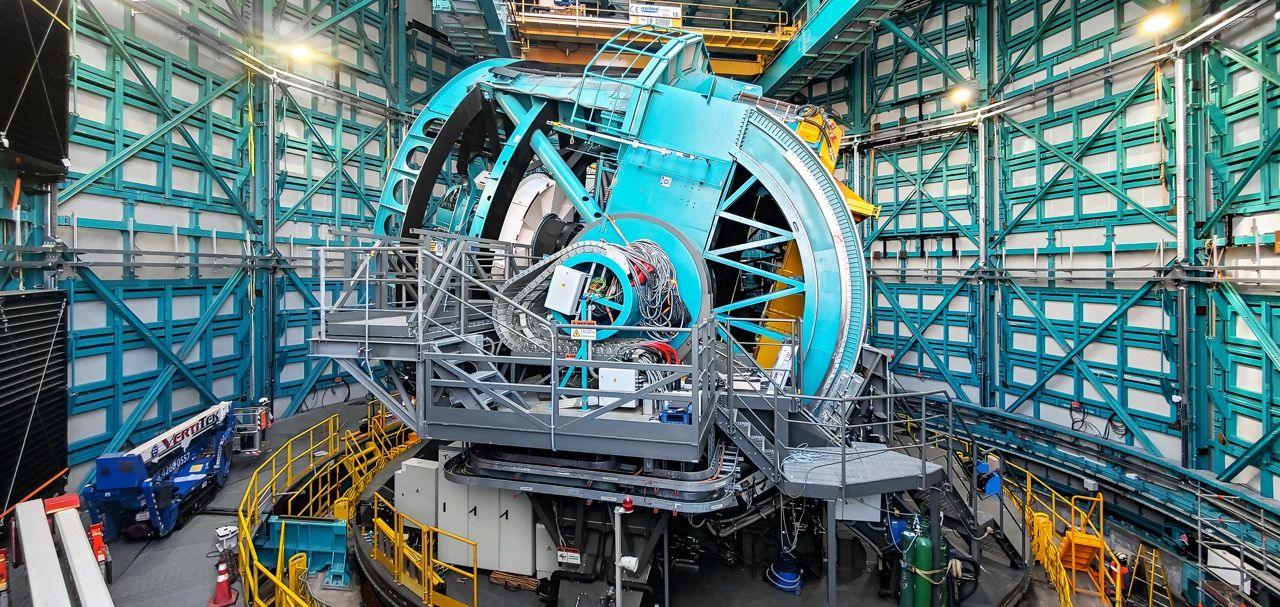
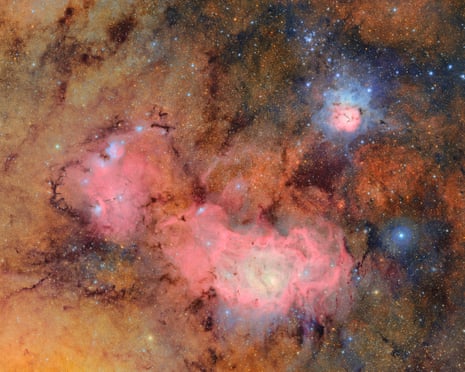
The Vera C Rubin Observatory in Chile has unveiled its first images, marking a significant milestone in astronomical research. This groundbreaking facility, perched on Cerro Pachón in the Chilean Andes, is set to revolutionize our understanding of the universe with its unprecedented ability to capture detailed images of distant galaxies and cosmic phenomena.
A New Dawn for Cosmic Exploration
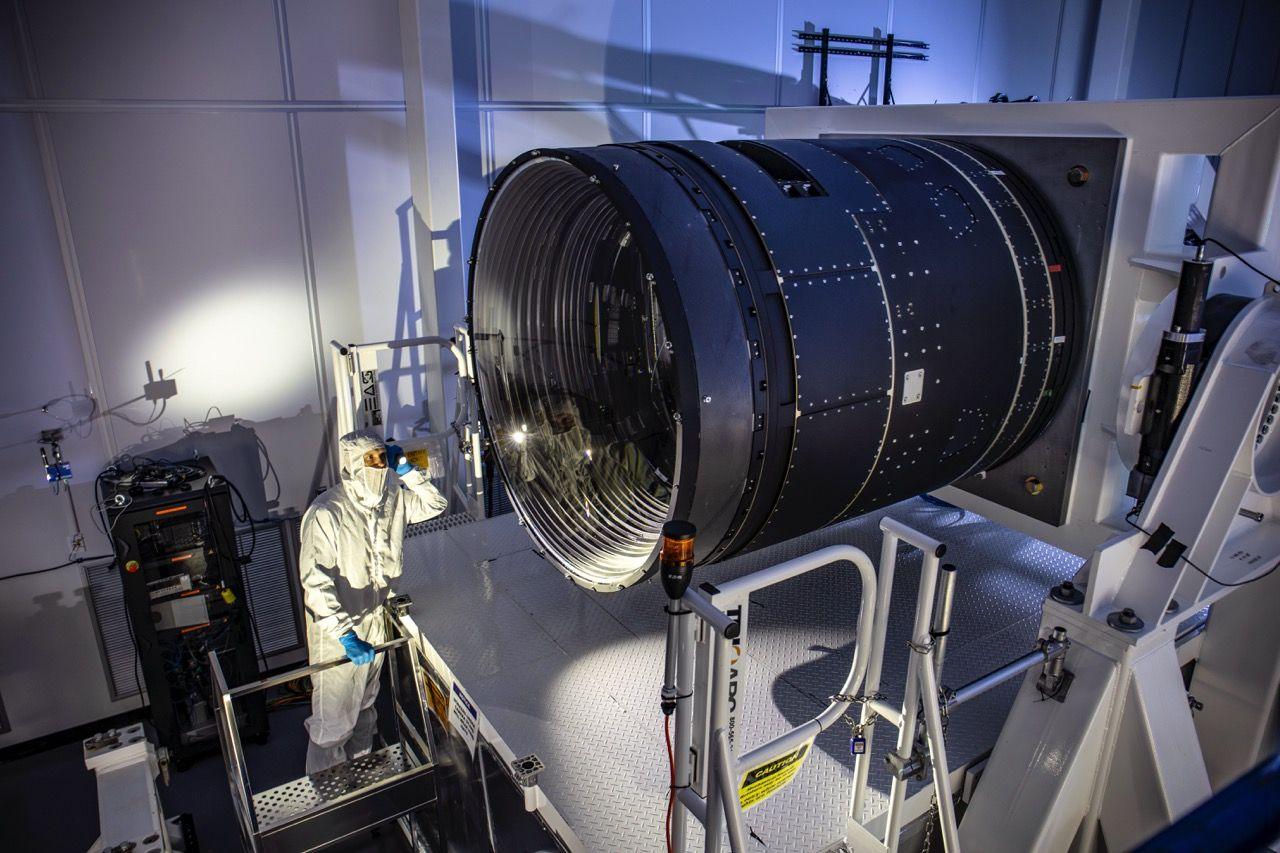
Equipped with the largest digital camera ever built, the $810 million observatory has embarked on a 10-year survey of the southern night sky. Within just 10 hours of observation, it has already identified 2,104 previously unspotted asteroids, including seven near-Earth asteroids that pose no threat to our planet. The observatory's mission is to create the most comprehensive view of the universe, capturing everything from asteroids and comets to potential new planets and interstellar objects.
Unveiling the Mysteries of Dark Matter
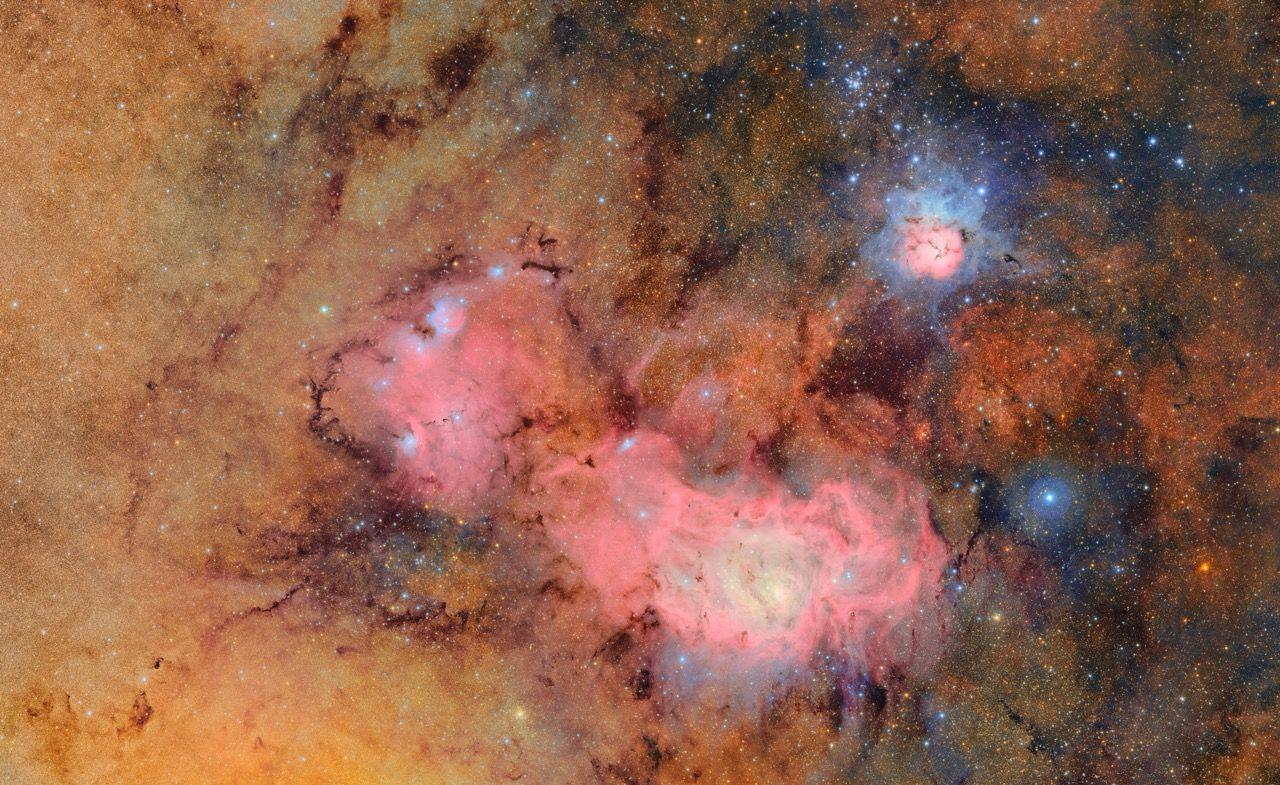
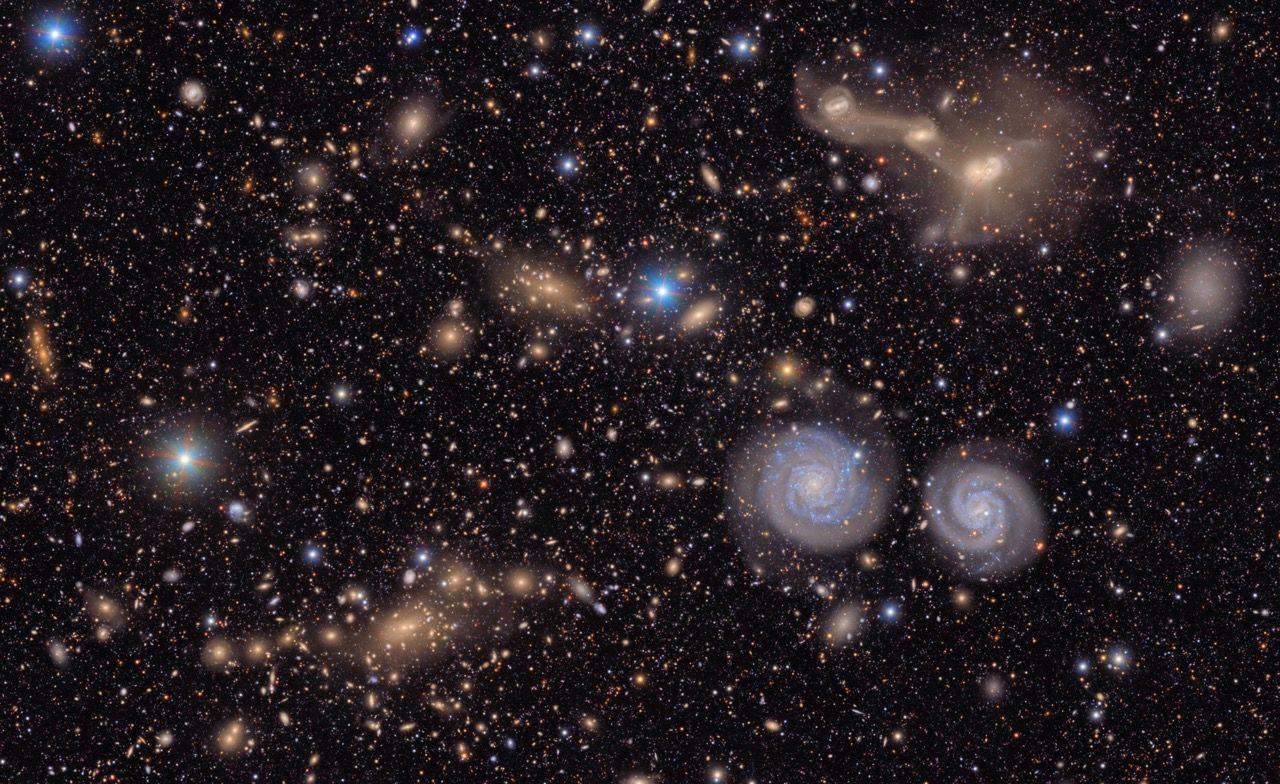
One of the primary goals of the Vera C Rubin Observatory is to deepen our understanding of dark matter, the elusive substance that constitutes most of the universe. The observatory's first images include spectacular views of the Virgo cluster, a region pivotal to the dark matter story. Professor Catherine Heymans, Astronomer Royal for Scotland, expressed her excitement, stating, "I’m absolutely blown away. Just look, it’s teeming with gorgeous glittering galaxies!"
A Collaborative Global Effort
Although the observatory is a US facility, the UK plays a crucial role as one of three international data centers processing the vast amounts of data collected. The observatory is expected to generate up to 500 petabytes of data over the course of its survey, capturing about 10 billion stars and galaxies. This collaborative effort promises to significantly expand our cosmic knowledge, potentially increasing the number of known objects in our solar system tenfold.
Precision Engineering for Cosmic Clarity
The observatory's design reflects meticulous engineering, featuring a unique three-mirror system that ensures the highest image quality. The mirrors, ranging from 3.4 to 8.4 meters in diameter, must be kept in pristine condition to capture the faintest galaxies and supernova explosions from billions of years ago. "We really need very sharp images," explains commissioning scientist Elana Urbach, emphasizing the importance of precision in understanding the universe's history.
WHAT THIS MIGHT MEAN
As the Vera C Rubin Observatory continues its decade-long survey, the astronomical community anticipates groundbreaking discoveries that could reshape our understanding of the cosmos. The potential identification of new planets and mapping of the Milky Way will provide invaluable insights into the structure and evolution of our galaxy. Furthermore, the observatory's ability to detect changes in the universe in real-time will enable astronomers to respond swiftly to cosmic events, enhancing our comprehension of dynamic celestial phenomena.
The observatory's findings on dark matter could have profound implications for theoretical physics, potentially leading to new models that explain the universe's composition and behavior. As data processing and analysis progress, the global scientific community will be poised to unlock the secrets of the universe, ushering in a new era of cosmic exploration and discovery.
Images from the Web

Related Articles

Breakthrough Drug Offers Hope for Children with Severe Epilepsy

Trump Raises Import Tariffs to 15% After Supreme Court Setback

Arrest of Andrew Mountbatten-Windsor Captured in Iconic Photograph

UK Denies US Use of Military Bases for Potential Iran Strikes Amid Chagos Islands Dispute

Andrew Mountbatten-Windsor Arrested Amid Misconduct Allegations

Andrew Mountbatten-Windsor's Arrest Sparks International Calls for Justice
Vera C Rubin Observatory Unveils First Cosmic Images, Heralding a New Era in Astronomy
In This Article
 Himanshu Kaushik| Published
 HIGHLIGHTS
- The Vera C Rubin Observatory in Chile has released its first images, showcasing its ability to capture detailed views of distant galaxies and cosmic phenomena.
- This $810 million facility, equipped with the world's largest digital camera, aims to conduct a 10-year survey of the southern night sky, potentially discovering new planets and mapping the Milky Way.
- The observatory has already identified 2,104 previously unspotted asteroids, including seven near-Earth asteroids, within just 10 hours of observation.
- The UK is a key partner in the project, hosting data centers to process the vast amount of information collected by the telescope.
- The observatory's findings are expected to significantly advance our understanding of dark matter and the history of the universe.
The Vera C Rubin Observatory in Chile has unveiled its first images, marking a significant milestone in astronomical research. This groundbreaking facility, perched on Cerro Pachón in the Chilean Andes, is set to revolutionize our understanding of the universe with its unprecedented ability to capture detailed images of distant galaxies and cosmic phenomena.
A New Dawn for Cosmic Exploration
Equipped with the largest digital camera ever built, the $810 million observatory has embarked on a 10-year survey of the southern night sky. Within just 10 hours of observation, it has already identified 2,104 previously unspotted asteroids, including seven near-Earth asteroids that pose no threat to our planet. The observatory's mission is to create the most comprehensive view of the universe, capturing everything from asteroids and comets to potential new planets and interstellar objects.
Unveiling the Mysteries of Dark Matter
One of the primary goals of the Vera C Rubin Observatory is to deepen our understanding of dark matter, the elusive substance that constitutes most of the universe. The observatory's first images include spectacular views of the Virgo cluster, a region pivotal to the dark matter story. Professor Catherine Heymans, Astronomer Royal for Scotland, expressed her excitement, stating, "I’m absolutely blown away. Just look, it’s teeming with gorgeous glittering galaxies!"
A Collaborative Global Effort
Although the observatory is a US facility, the UK plays a crucial role as one of three international data centers processing the vast amounts of data collected. The observatory is expected to generate up to 500 petabytes of data over the course of its survey, capturing about 10 billion stars and galaxies. This collaborative effort promises to significantly expand our cosmic knowledge, potentially increasing the number of known objects in our solar system tenfold.
Precision Engineering for Cosmic Clarity
The observatory's design reflects meticulous engineering, featuring a unique three-mirror system that ensures the highest image quality. The mirrors, ranging from 3.4 to 8.4 meters in diameter, must be kept in pristine condition to capture the faintest galaxies and supernova explosions from billions of years ago. "We really need very sharp images," explains commissioning scientist Elana Urbach, emphasizing the importance of precision in understanding the universe's history.
WHAT THIS MIGHT MEAN
As the Vera C Rubin Observatory continues its decade-long survey, the astronomical community anticipates groundbreaking discoveries that could reshape our understanding of the cosmos. The potential identification of new planets and mapping of the Milky Way will provide invaluable insights into the structure and evolution of our galaxy. Furthermore, the observatory's ability to detect changes in the universe in real-time will enable astronomers to respond swiftly to cosmic events, enhancing our comprehension of dynamic celestial phenomena.
The observatory's findings on dark matter could have profound implications for theoretical physics, potentially leading to new models that explain the universe's composition and behavior. As data processing and analysis progress, the global scientific community will be poised to unlock the secrets of the universe, ushering in a new era of cosmic exploration and discovery.
Images from the Web
Related Articles
Breakthrough Drug Offers Hope for Children with Severe Epilepsy
Trump Raises Import Tariffs to 15% After Supreme Court Setback
Arrest of Andrew Mountbatten-Windsor Captured in Iconic Photograph
UK Denies US Use of Military Bases for Potential Iran Strikes Amid Chagos Islands Dispute
Andrew Mountbatten-Windsor Arrested Amid Misconduct Allegations
Andrew Mountbatten-Windsor's Arrest Sparks International Calls for Justice