
West Midlands Police Chief Steps Down Amid Controversy Over Israeli Fans Ban

In This Article
HIGHLIGHTS
- Craig Guildford, chief constable of West Midlands Police, retired following criticism over banning Israeli fans from a match against Aston Villa.
- The decision to ban Maccabi Tel Aviv fans was based on "greatly exaggerated" intelligence, as revealed by an official inquiry.
- Home Secretary Shabana Mahmood and Downing Street expressed a loss of confidence in Guildford's leadership.
- The report by His Majesty's Chief Inspector of Constabulary highlighted inaccuracies and overstated threats in the intelligence used.
- Guildford's retirement avoids a potential legal battle and aims to restore trust in West Midlands Police.
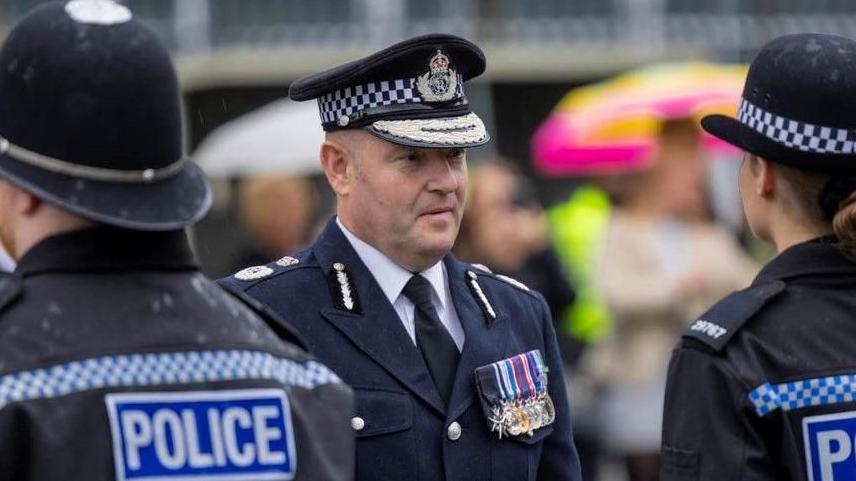
Craig Guildford, the chief constable of West Midlands Police, has announced his retirement following intense scrutiny over the decision to ban Israeli fans from attending a football match against Aston Villa. The move comes after an official inquiry revealed that the intelligence justifying the ban was "greatly exaggerated," leading to a loss of confidence from both the Home Secretary, Shabana Mahmood, and Downing Street.
Controversial Decision and Inquiry Findings
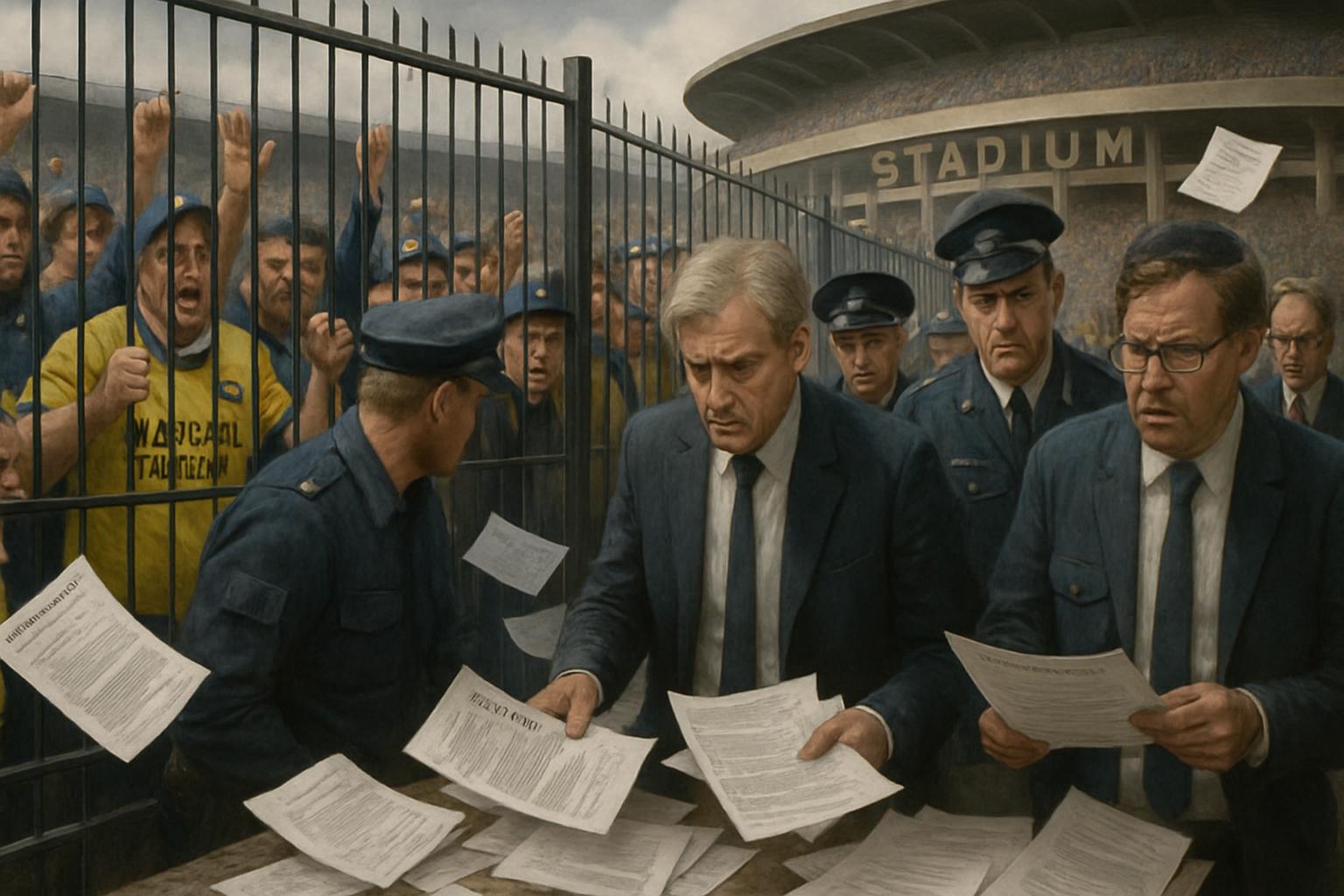
The controversy began when West Midlands Police advised Birmingham's safety advisory group to prohibit Maccabi Tel Aviv fans from attending the Europa League game on 6 November. The decision was based on intelligence that was later found to be flawed, with His Majesty's Chief Inspector of Constabulary, Sir Andy Cooke, identifying several inaccuracies and overstated threats in the report provided by the police. The inquiry also noted that the force had exaggerated the involvement of Dutch police in a previous incident and the threat posed by Maccabi fans.
Leadership Under Fire
Guildford, who has served as chief constable since 2022, faced mounting pressure to resign after the inquiry's findings were made public. Despite initially believing he could retain his position until a decision by Simon Foster, the West Midlands Police and Crime Commissioner, Guildford ultimately decided to step down. In his retirement announcement, he cited the "political and media frenzy" surrounding the issue as detrimental to the force's work.
Political Reactions and Future Implications
The Home Secretary, Shabana Mahmood, welcomed Guildford's decision, stating that it was a necessary step to rebuild trust in the police force. She also acknowledged Guildford's years of service and praised the ongoing efforts of West Midlands Police officers to maintain community safety. The controversy has sparked discussions about police reform, with Mahmood expected to introduce a white paper by January 28 that could grant her the power to dismiss police chiefs deemed ineffective.
WHAT THIS MIGHT MEAN
Craig Guildford's retirement marks a significant moment for West Midlands Police as it seeks to restore its credibility and public trust. The inquiry's findings have highlighted the need for more accurate and reliable intelligence in policing decisions, particularly when using AI tools. Moving forward, the force will likely focus on implementing reforms to prevent similar incidents and improve transparency.
Politically, the situation underscores the growing demand for accountability in law enforcement leadership. The anticipated police reform white paper could lead to significant changes in how police chiefs are held accountable, potentially reshaping the landscape of UK policing. As the force navigates these challenges, maintaining community trust and ensuring effective policing will remain paramount.
Images from the Web

Related Articles
Government Criticized for Mishandling Maccabi Tel Aviv Fan Ban

UK Government to Reform Asylum Seeker Support and Employment Policies

Diplomatic Tensions Rise as Trump Criticizes Starmer's Iran Policy

Birmingham's Proactive Approach to Measles Outbreak Offers Lessons for North London
Starmer Condemns Reform UK's Plan to Repeal Equality Act as Un-British

Unlawful Ban on Palestine Action and Other UK Political Developments
West Midlands Police Chief Steps Down Amid Controversy Over Israeli Fans Ban
In This Article
 Ethan Brooks| Published
 HIGHLIGHTS
- Craig Guildford, chief constable of West Midlands Police, retired following criticism over banning Israeli fans from a match against Aston Villa.
- The decision to ban Maccabi Tel Aviv fans was based on "greatly exaggerated" intelligence, as revealed by an official inquiry.
- Home Secretary Shabana Mahmood and Downing Street expressed a loss of confidence in Guildford's leadership.
- The report by His Majesty's Chief Inspector of Constabulary highlighted inaccuracies and overstated threats in the intelligence used.
- Guildford's retirement avoids a potential legal battle and aims to restore trust in West Midlands Police.
Craig Guildford, the chief constable of West Midlands Police, has announced his retirement following intense scrutiny over the decision to ban Israeli fans from attending a football match against Aston Villa. The move comes after an official inquiry revealed that the intelligence justifying the ban was "greatly exaggerated," leading to a loss of confidence from both the Home Secretary, Shabana Mahmood, and Downing Street.
Controversial Decision and Inquiry Findings
The controversy began when West Midlands Police advised Birmingham's safety advisory group to prohibit Maccabi Tel Aviv fans from attending the Europa League game on 6 November. The decision was based on intelligence that was later found to be flawed, with His Majesty's Chief Inspector of Constabulary, Sir Andy Cooke, identifying several inaccuracies and overstated threats in the report provided by the police. The inquiry also noted that the force had exaggerated the involvement of Dutch police in a previous incident and the threat posed by Maccabi fans.
Leadership Under Fire
Guildford, who has served as chief constable since 2022, faced mounting pressure to resign after the inquiry's findings were made public. Despite initially believing he could retain his position until a decision by Simon Foster, the West Midlands Police and Crime Commissioner, Guildford ultimately decided to step down. In his retirement announcement, he cited the "political and media frenzy" surrounding the issue as detrimental to the force's work.
Political Reactions and Future Implications
The Home Secretary, Shabana Mahmood, welcomed Guildford's decision, stating that it was a necessary step to rebuild trust in the police force. She also acknowledged Guildford's years of service and praised the ongoing efforts of West Midlands Police officers to maintain community safety. The controversy has sparked discussions about police reform, with Mahmood expected to introduce a white paper by January 28 that could grant her the power to dismiss police chiefs deemed ineffective.
WHAT THIS MIGHT MEAN
Craig Guildford's retirement marks a significant moment for West Midlands Police as it seeks to restore its credibility and public trust. The inquiry's findings have highlighted the need for more accurate and reliable intelligence in policing decisions, particularly when using AI tools. Moving forward, the force will likely focus on implementing reforms to prevent similar incidents and improve transparency.
Politically, the situation underscores the growing demand for accountability in law enforcement leadership. The anticipated police reform white paper could lead to significant changes in how police chiefs are held accountable, potentially reshaping the landscape of UK policing. As the force navigates these challenges, maintaining community trust and ensuring effective policing will remain paramount.
Images from the Web
Related Articles
Government Criticized for Mishandling Maccabi Tel Aviv Fan Ban
UK Government to Reform Asylum Seeker Support and Employment Policies
Diplomatic Tensions Rise as Trump Criticizes Starmer's Iran Policy
Birmingham's Proactive Approach to Measles Outbreak Offers Lessons for North London
Starmer Condemns Reform UK's Plan to Repeal Equality Act as Un-British
Unlawful Ban on Palestine Action and Other UK Political Developments