
Wimbledon Expansion Faces Legal Challenge Amid Ticket Resale Exemption
In This Article
HIGHLIGHTS
- Local campaigners are challenging the Wimbledon expansion plans in the Court of Appeal, citing heritage concerns.
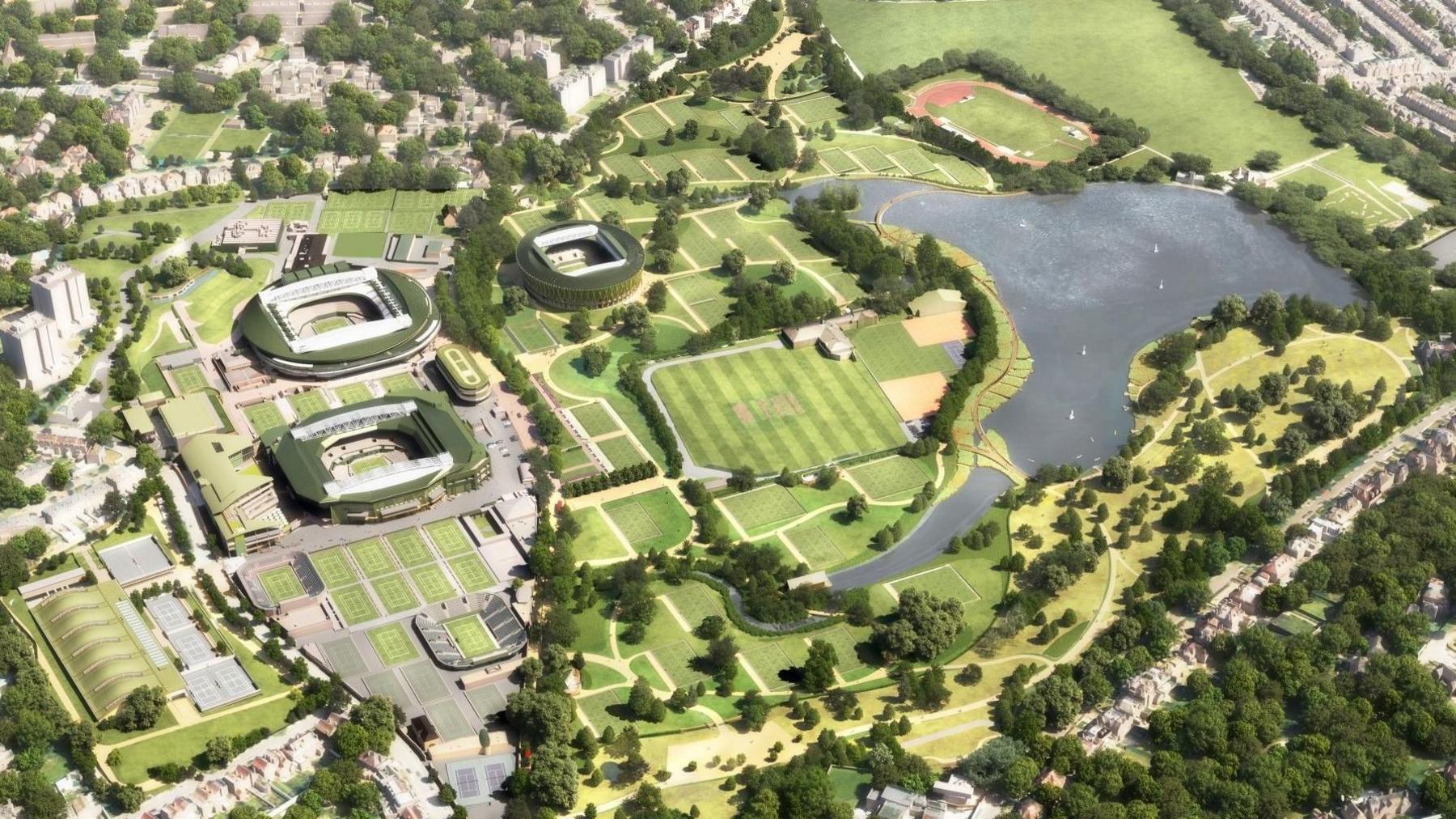
- The All England Lawn Tennis Club (AELTC) plans to build 38 courts and an 8,000-seat stadium, approved by the Greater London Authority.
- Wimbledon will be exempt from the UK government's ticket resale ban for its debenture tickets, which fund maintenance and development.
- Debenture tickets, costing up to £116,000, guarantee seats and are regulated by the Financial Conduct Authority.
- The appeal hearing date for the Wimbledon expansion legal challenge is yet to be confirmed.
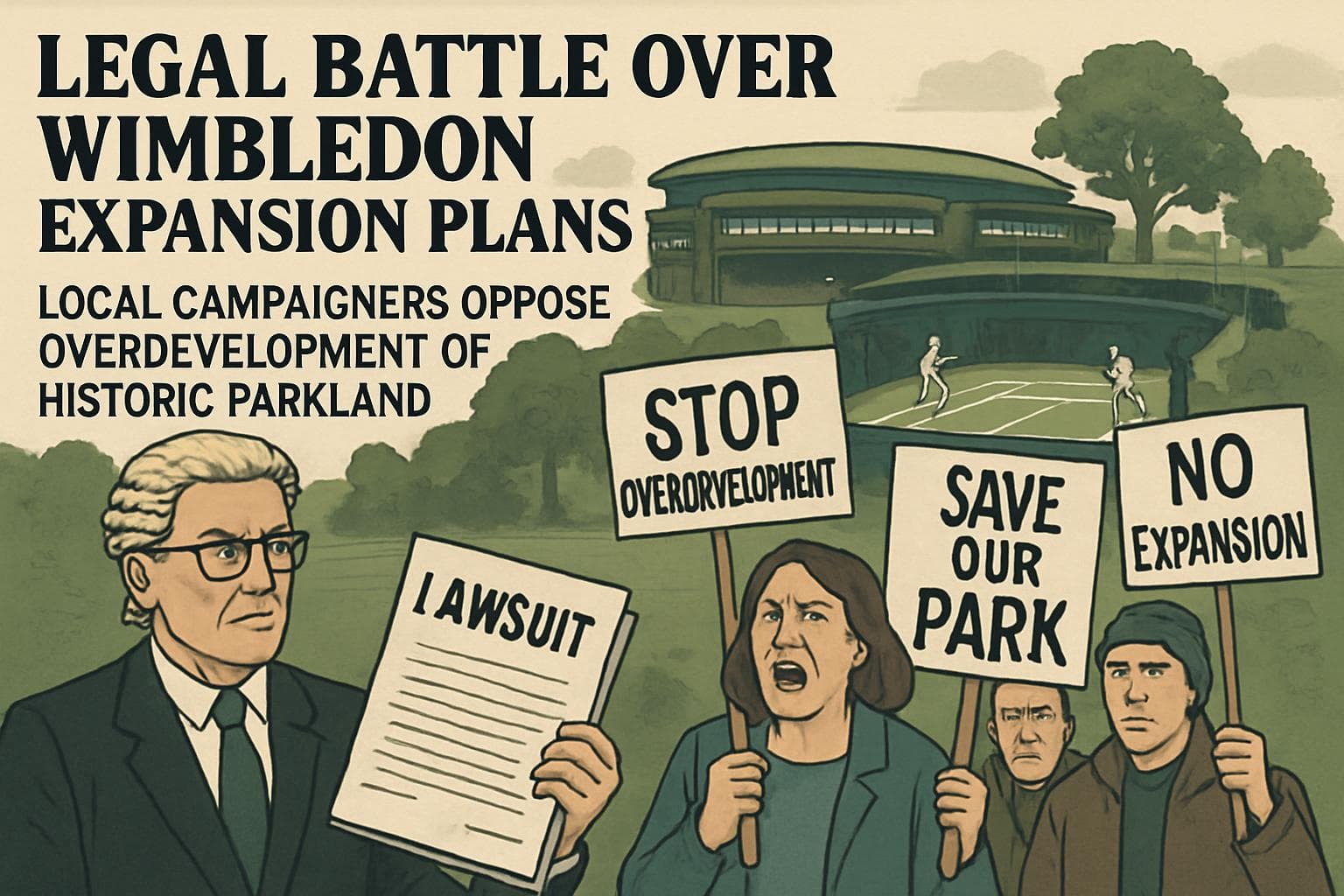
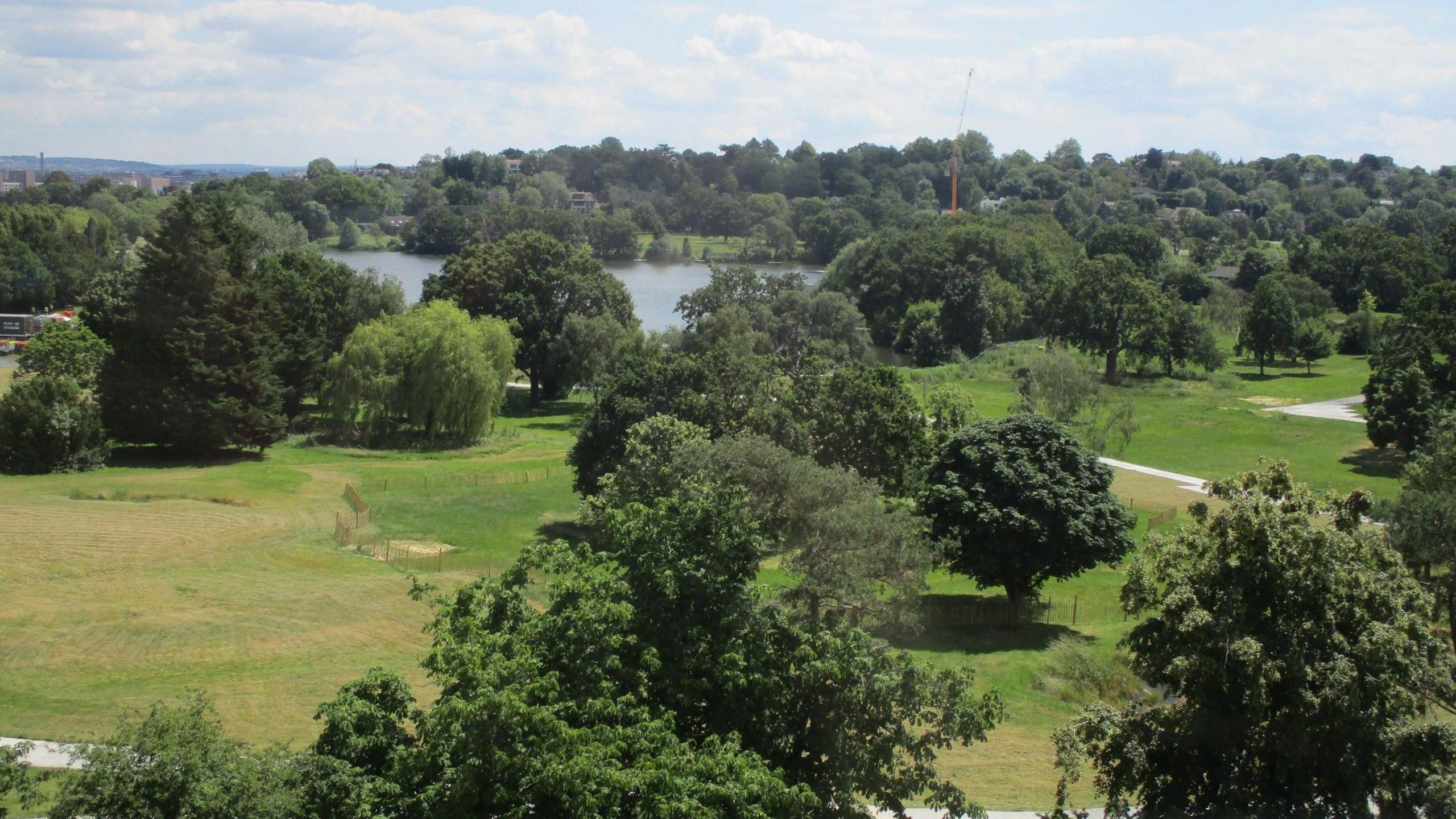
The All England Lawn Tennis Club's (AELTC) ambitious plans to expand the Wimbledon tennis site are facing a significant legal challenge from local campaigners. The Greater London Authority (GLA) approved the proposal in September 2024, which includes the construction of 38 new tennis courts and an 8,000-seat stadium on the former Wimbledon Park Golf Club site. However, the campaign group Save Wimbledon Park (SWP) is taking the matter to the Court of Appeal, arguing that the expansion threatens the heritage of the Grade II*-listed Wimbledon Park.
Heritage Concerns and Legal Proceedings
SWP's legal battle, described as a "David and Goliath struggle," follows a High Court dismissal of their initial challenge against the GLA's decision. The group claims the approval was "irrational" and disregarded existing trusts and covenants protecting the park. A separate High Court case is set to determine the existence of a statutory trust, with a hearing scheduled for January 2026. Christopher Coombe of SWP emphasized the need for AELTC to engage constructively with the community, stating, "SWP has never been anti-tennis."
Ticket Resale Exemption for Wimbledon
In a parallel development, Wimbledon has secured an exemption from the UK government's crackdown on ticket resales. The exemption applies to the prestigious debenture tickets, which allow holders guaranteed seats and access to exclusive facilities. These tickets, costing up to £116,000, are a crucial revenue stream for AELTC, funding maintenance and development projects. The debenture programme, regulated by the Financial Conduct Authority, has been a staple since 1920.
Economic and Social Benefits
The GLA and AELTC argue that the expansion will bring significant benefits, including new jobs, public green spaces, and enhanced global prestige for Wimbledon. A GLA spokesperson highlighted the project's potential to deliver "environmental, economic, social, and cultural benefits" to the local area and beyond. Despite ongoing legal proceedings, the AELTC remains confident that the Court of Appeal will uphold the GLA's decision.
WHAT THIS MIGHT MEAN
The outcome of the Court of Appeal hearing could have far-reaching implications for both the Wimbledon expansion and future development projects in heritage areas. If the appeal is successful, it may set a precedent for how trusts and covenants are considered in planning decisions. Conversely, if the AELTC prevails, it could pave the way for similar expansions in other historic sites.
The exemption from the ticket resale ban underscores the unique financial model of Wimbledon, balancing exclusivity with accessibility. However, it may also prompt debates on the fairness of such exemptions and their impact on broader ticketing policies. As the legal and regulatory landscape evolves, stakeholders will need to navigate these complexities to ensure both heritage preservation and economic growth.
Images from the Web
Related Articles

Government Criticized for Mishandling Maccabi Tel Aviv Fan Ban

Middle East Conflict Drives UK Energy Prices to New Highs

Government Announces £4 Billion Overhaul of SEND Support in England

UK Government Announces Major Overhaul of SEND System with £3.4 Billion Investment

Prince Andrew's Ties to Epstein Under Scrutiny Amid Calls for Inquiry

Government Unveils Ambitious Plan to Halve Attainment Gap in England's Schools
Wimbledon Expansion Faces Legal Challenge Amid Ticket Resale Exemption
In This Article
 Marcus Blake| Published
 HIGHLIGHTS
- Local campaigners are challenging the Wimbledon expansion plans in the Court of Appeal, citing heritage concerns.
- The All England Lawn Tennis Club (AELTC) plans to build 38 courts and an 8,000-seat stadium, approved by the Greater London Authority.
- Wimbledon will be exempt from the UK government's ticket resale ban for its debenture tickets, which fund maintenance and development.
- Debenture tickets, costing up to £116,000, guarantee seats and are regulated by the Financial Conduct Authority.
- The appeal hearing date for the Wimbledon expansion legal challenge is yet to be confirmed.
The All England Lawn Tennis Club's (AELTC) ambitious plans to expand the Wimbledon tennis site are facing a significant legal challenge from local campaigners. The Greater London Authority (GLA) approved the proposal in September 2024, which includes the construction of 38 new tennis courts and an 8,000-seat stadium on the former Wimbledon Park Golf Club site. However, the campaign group Save Wimbledon Park (SWP) is taking the matter to the Court of Appeal, arguing that the expansion threatens the heritage of the Grade II*-listed Wimbledon Park.
Heritage Concerns and Legal Proceedings
SWP's legal battle, described as a "David and Goliath struggle," follows a High Court dismissal of their initial challenge against the GLA's decision. The group claims the approval was "irrational" and disregarded existing trusts and covenants protecting the park. A separate High Court case is set to determine the existence of a statutory trust, with a hearing scheduled for January 2026. Christopher Coombe of SWP emphasized the need for AELTC to engage constructively with the community, stating, "SWP has never been anti-tennis."
Ticket Resale Exemption for Wimbledon
In a parallel development, Wimbledon has secured an exemption from the UK government's crackdown on ticket resales. The exemption applies to the prestigious debenture tickets, which allow holders guaranteed seats and access to exclusive facilities. These tickets, costing up to £116,000, are a crucial revenue stream for AELTC, funding maintenance and development projects. The debenture programme, regulated by the Financial Conduct Authority, has been a staple since 1920.
Economic and Social Benefits
The GLA and AELTC argue that the expansion will bring significant benefits, including new jobs, public green spaces, and enhanced global prestige for Wimbledon. A GLA spokesperson highlighted the project's potential to deliver "environmental, economic, social, and cultural benefits" to the local area and beyond. Despite ongoing legal proceedings, the AELTC remains confident that the Court of Appeal will uphold the GLA's decision.
WHAT THIS MIGHT MEAN
The outcome of the Court of Appeal hearing could have far-reaching implications for both the Wimbledon expansion and future development projects in heritage areas. If the appeal is successful, it may set a precedent for how trusts and covenants are considered in planning decisions. Conversely, if the AELTC prevails, it could pave the way for similar expansions in other historic sites.
The exemption from the ticket resale ban underscores the unique financial model of Wimbledon, balancing exclusivity with accessibility. However, it may also prompt debates on the fairness of such exemptions and their impact on broader ticketing policies. As the legal and regulatory landscape evolves, stakeholders will need to navigate these complexities to ensure both heritage preservation and economic growth.
Images from the Web
Related Articles
Government Criticized for Mishandling Maccabi Tel Aviv Fan Ban
Middle East Conflict Drives UK Energy Prices to New Highs
Government Announces £4 Billion Overhaul of SEND Support in England
UK Government Announces Major Overhaul of SEND System with £3.4 Billion Investment
Prince Andrew's Ties to Epstein Under Scrutiny Amid Calls for Inquiry
Government Unveils Ambitious Plan to Halve Attainment Gap in England's Schools