
Wolverhampton Council Scraps Controversial 'Fat Tax' on Burial Plots
In This Article
HIGHLIGHTS
- Wolverhampton Council planned to introduce a 20% surcharge on wider burial plots at Danescourt cemetery, sparking criticism as a "fat tax."
- The council cited rising obesity rates, with 33.3% of the city's population classified as obese, as a reason for the proposed charge.
- Following public backlash and a BBC investigation, the council decided not to proceed with the surcharge.
- Funeral director Ross Hickton criticized the proposal as unfair, arguing it penalized residents who had paid taxes their entire lives.
- The council had consulted 25 funeral directors, with only one objection, but the public felt excluded from the decision-making process.
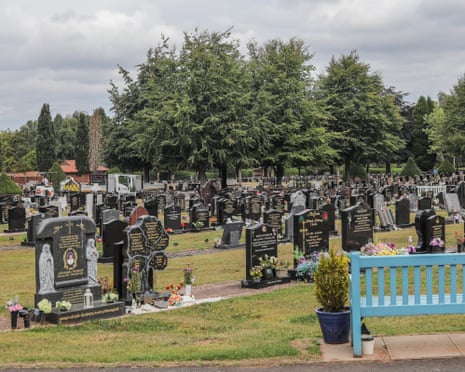
Wolverhampton City Council has reversed its decision to impose a controversial surcharge on wider burial plots at Danescourt cemetery, following public outcry and criticism labeling the fee as a "fat tax." The proposed charge, which would have increased the cost of a 6ft-wide plot by 20% compared to a standard 5ft grave, was initially justified by the council as a response to the city's rising obesity rates, which stand at 33.3% compared to the national average of 25.9%.
Public Backlash and Council Reversal
The proposal faced significant backlash from residents and funeral directors alike. Ross Hickton, a local funeral director, voiced strong opposition, stating, "It's not really acceptable or fair" to charge more based on the size of a loved one. He emphasized that residents who had contributed to the system through taxes should not face additional costs at such a sensitive time.
Consultation and Criticism
The council had consulted 25 funeral directors, receiving only one objection. However, critics, including Hickton, argued that the consultation process was inadequate and did not involve the public. Wolverhampton resident Rosemarie McLaren described the proposed charge as discriminatory, expressing concern over the financial burden it would impose on larger individuals.
Broader Context and Comparisons
The council's initial stance was that the surcharge was necessary to cover the additional costs associated with larger plots, including extra equipment and soil disposal. Matthew Crawley, chief executive at the Institute of Cemetery and Crematorium Management, noted that similar charges are common in other areas, such as Birmingham and Walsall, due to limited cemetery space.
Decision to Halt the Charge
Despite these justifications, the council ultimately decided not to proceed with the surcharge. A spokesperson stated, "No formal decision was ever taken on plans to charge more for larger burial plots," acknowledging the widespread criticism and opting to maintain the status quo.
WHAT THIS MIGHT MEAN
The council's decision to abandon the surcharge may set a precedent for other local authorities considering similar measures. While the need to manage limited cemetery space remains, the backlash highlights the importance of transparent and inclusive decision-making processes. Moving forward, councils may need to explore alternative solutions that balance financial sustainability with public sentiment. Additionally, this incident could prompt broader discussions on how to address the implications of rising obesity rates on public services.
Images from the Web
Related Articles

Birmingham's Proactive Approach to Measles Outbreak Offers Lessons for North London
Government Criticized for Mishandling Maccabi Tel Aviv Fan Ban
Asylum Seeker Sentenced to 29 Years for Brutal Murder of Walsall Hotel Worker

Rail Upgrades and Fire Cause Major Disruptions Across UK Rail Network

Investigation Launched into West Midlands Police Over Controversial Fan Ban

West Midlands Police Chief Steps Down Amid Controversy Over Israeli Fans Ban
Wolverhampton Council Scraps Controversial 'Fat Tax' on Burial Plots
In This Article
 Ethan Brooks| Published
 HIGHLIGHTS
- Wolverhampton Council planned to introduce a 20% surcharge on wider burial plots at Danescourt cemetery, sparking criticism as a "fat tax."
- The council cited rising obesity rates, with 33.3% of the city's population classified as obese, as a reason for the proposed charge.
- Following public backlash and a BBC investigation, the council decided not to proceed with the surcharge.
- Funeral director Ross Hickton criticized the proposal as unfair, arguing it penalized residents who had paid taxes their entire lives.
- The council had consulted 25 funeral directors, with only one objection, but the public felt excluded from the decision-making process.
Wolverhampton City Council has reversed its decision to impose a controversial surcharge on wider burial plots at Danescourt cemetery, following public outcry and criticism labeling the fee as a "fat tax." The proposed charge, which would have increased the cost of a 6ft-wide plot by 20% compared to a standard 5ft grave, was initially justified by the council as a response to the city's rising obesity rates, which stand at 33.3% compared to the national average of 25.9%.
Public Backlash and Council Reversal
The proposal faced significant backlash from residents and funeral directors alike. Ross Hickton, a local funeral director, voiced strong opposition, stating, "It's not really acceptable or fair" to charge more based on the size of a loved one. He emphasized that residents who had contributed to the system through taxes should not face additional costs at such a sensitive time.
Consultation and Criticism
The council had consulted 25 funeral directors, receiving only one objection. However, critics, including Hickton, argued that the consultation process was inadequate and did not involve the public. Wolverhampton resident Rosemarie McLaren described the proposed charge as discriminatory, expressing concern over the financial burden it would impose on larger individuals.
Broader Context and Comparisons
The council's initial stance was that the surcharge was necessary to cover the additional costs associated with larger plots, including extra equipment and soil disposal. Matthew Crawley, chief executive at the Institute of Cemetery and Crematorium Management, noted that similar charges are common in other areas, such as Birmingham and Walsall, due to limited cemetery space.
Decision to Halt the Charge
Despite these justifications, the council ultimately decided not to proceed with the surcharge. A spokesperson stated, "No formal decision was ever taken on plans to charge more for larger burial plots," acknowledging the widespread criticism and opting to maintain the status quo.
WHAT THIS MIGHT MEAN
The council's decision to abandon the surcharge may set a precedent for other local authorities considering similar measures. While the need to manage limited cemetery space remains, the backlash highlights the importance of transparent and inclusive decision-making processes. Moving forward, councils may need to explore alternative solutions that balance financial sustainability with public sentiment. Additionally, this incident could prompt broader discussions on how to address the implications of rising obesity rates on public services.
Images from the Web
Related Articles
Birmingham's Proactive Approach to Measles Outbreak Offers Lessons for North London
Government Criticized for Mishandling Maccabi Tel Aviv Fan Ban
Asylum Seeker Sentenced to 29 Years for Brutal Murder of Walsall Hotel Worker
Rail Upgrades and Fire Cause Major Disruptions Across UK Rail Network
Investigation Launched into West Midlands Police Over Controversial Fan Ban
West Midlands Police Chief Steps Down Amid Controversy Over Israeli Fans Ban