
Trial Begins for 2003 Rape Case That Led to Notorious Miscarriage of Justice

In This Article
HIGHLIGHTS
- Paul Quinn, 51, is on trial for a 2003 rape that led to Andrew Malkinson's wrongful conviction and 17-year imprisonment.
- DNA evidence now links Quinn to the crime, with scientists stating it's "more than one billion times" more likely to be his than anyone else's.
- The victim was subjected to severe sexual violence, including rape and strangulation, near the M61 motorway in Salford.
- Malkinson was initially linked to the crime based on an e-fit image and police identification, despite lacking injuries described by the victim.
- The trial is taking place at Manchester Crown Court, with Quinn denying all charges, including rape and grievous bodily harm.
A trial has commenced at Manchester Crown Court for Paul Quinn, 51, accused of a brutal 2003 rape that resulted in the wrongful conviction of Andrew Malkinson, who spent 17 years in prison. The case has drawn significant attention due to the severe miscarriage of justice it represents.
DNA Evidence and Charges
Quinn, who has pleaded not guilty, faces charges of rape, strangulation, and inflicting grievous bodily harm. Prosecutors presented compelling DNA evidence linking Quinn to the crime scene, asserting it is "more than one billion times" more likely to be his than anyone else's. This evidence starkly contrasts with the initial conviction of Malkinson, who was mistakenly identified as the perpetrator.
Details of the 2003 Attack
The court heard harrowing details of the attack, which occurred near the M61 motorway in Salford. The victim, who remains anonymous, was followed, assaulted, and left unconscious with severe injuries, including a fractured cheekbone and a partially severed nipple. The prosecution emphasized the calculated nature of the attack, suggesting the assailant had intimate knowledge of the secluded location.
Misidentification and Wrongful Conviction
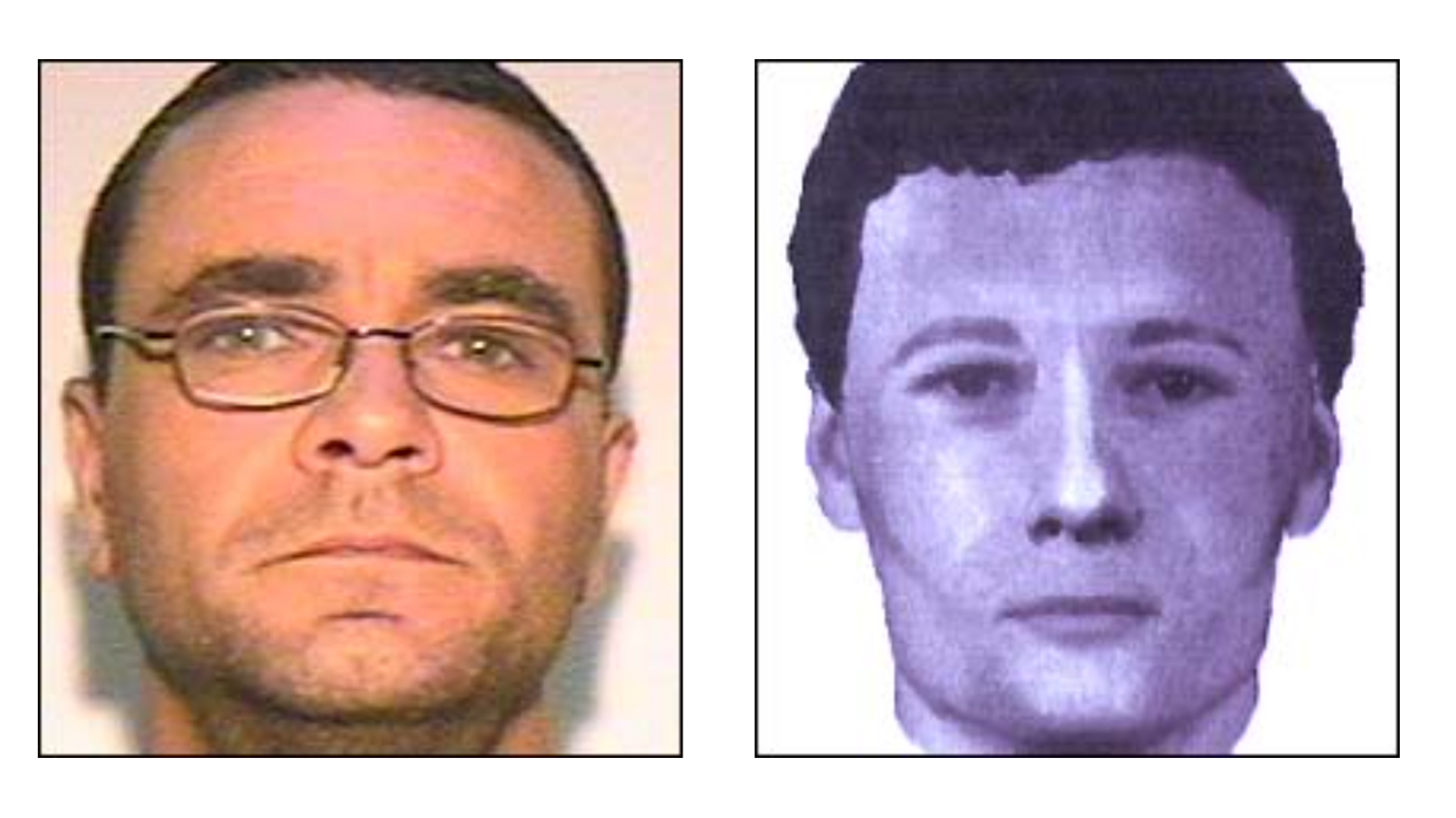
Malkinson was initially implicated based on a police e-fit and witness identifications, despite lacking the injuries described by the victim. His sudden departure to the Netherlands shortly after the attack further fueled suspicions, leading to his arrest and subsequent conviction. John Price KC, prosecuting, highlighted the grave injustice Malkinson suffered, describing it as one of the worst miscarriages of justice.
Local Knowledge and Planning
Prosecutors argue that Quinn's familiarity with the area played a crucial role in the crime. The attack's precise timing and location suggest premeditation, with Quinn allegedly exploiting his local knowledge to evade detection for nearly two decades.
WHAT THIS MIGHT MEAN
The trial's outcome could have significant implications for the justice system, particularly concerning the reliability of eyewitness testimony and the role of DNA evidence in overturning wrongful convictions. If Quinn is found guilty, it may prompt a reevaluation of past cases where similar miscarriages of justice could have occurred. Legal experts suggest this case underscores the need for rigorous checks in the judicial process to prevent future errors. As the trial progresses, it will likely continue to draw public and legal scrutiny, potentially influencing future legal reforms.
Images from the Web

Related Articles

Arrest Made in Attempted Robbery of 95-Year-Old Woman in Salford

Lucy Letby Will Not Face Additional Charges, CPS Declares

UK and Allies Accuse Russia of Killing Navalny with Dart Frog Toxin

UK and European Nations Unite for Ambitious North Sea Wind Power Project

EU Weighs Response to Trump's Greenland Tariff Threats Amid Trade Tensions

EU Considers Retaliatory Tariffs Amidst Rising US-EU Trade Tensions
Trial Begins for 2003 Rape Case That Led to Notorious Miscarriage of Justice
In This Article
 Sofia Romano| Published
 HIGHLIGHTS
- Paul Quinn, 51, is on trial for a 2003 rape that led to Andrew Malkinson's wrongful conviction and 17-year imprisonment.
- DNA evidence now links Quinn to the crime, with scientists stating it's "more than one billion times" more likely to be his than anyone else's.
- The victim was subjected to severe sexual violence, including rape and strangulation, near the M61 motorway in Salford.
- Malkinson was initially linked to the crime based on an e-fit image and police identification, despite lacking injuries described by the victim.
- The trial is taking place at Manchester Crown Court, with Quinn denying all charges, including rape and grievous bodily harm.
A trial has commenced at Manchester Crown Court for Paul Quinn, 51, accused of a brutal 2003 rape that resulted in the wrongful conviction of Andrew Malkinson, who spent 17 years in prison. The case has drawn significant attention due to the severe miscarriage of justice it represents.
DNA Evidence and Charges
Quinn, who has pleaded not guilty, faces charges of rape, strangulation, and inflicting grievous bodily harm. Prosecutors presented compelling DNA evidence linking Quinn to the crime scene, asserting it is "more than one billion times" more likely to be his than anyone else's. This evidence starkly contrasts with the initial conviction of Malkinson, who was mistakenly identified as the perpetrator.
Details of the 2003 Attack
The court heard harrowing details of the attack, which occurred near the M61 motorway in Salford. The victim, who remains anonymous, was followed, assaulted, and left unconscious with severe injuries, including a fractured cheekbone and a partially severed nipple. The prosecution emphasized the calculated nature of the attack, suggesting the assailant had intimate knowledge of the secluded location.
Misidentification and Wrongful Conviction
Malkinson was initially implicated based on a police e-fit and witness identifications, despite lacking the injuries described by the victim. His sudden departure to the Netherlands shortly after the attack further fueled suspicions, leading to his arrest and subsequent conviction. John Price KC, prosecuting, highlighted the grave injustice Malkinson suffered, describing it as one of the worst miscarriages of justice.
Local Knowledge and Planning
Prosecutors argue that Quinn's familiarity with the area played a crucial role in the crime. The attack's precise timing and location suggest premeditation, with Quinn allegedly exploiting his local knowledge to evade detection for nearly two decades.
WHAT THIS MIGHT MEAN
The trial's outcome could have significant implications for the justice system, particularly concerning the reliability of eyewitness testimony and the role of DNA evidence in overturning wrongful convictions. If Quinn is found guilty, it may prompt a reevaluation of past cases where similar miscarriages of justice could have occurred. Legal experts suggest this case underscores the need for rigorous checks in the judicial process to prevent future errors. As the trial progresses, it will likely continue to draw public and legal scrutiny, potentially influencing future legal reforms.
Images from the Web
Related Articles
Arrest Made in Attempted Robbery of 95-Year-Old Woman in Salford
Lucy Letby Will Not Face Additional Charges, CPS Declares
UK and Allies Accuse Russia of Killing Navalny with Dart Frog Toxin
UK and European Nations Unite for Ambitious North Sea Wind Power Project
EU Weighs Response to Trump's Greenland Tariff Threats Amid Trade Tensions
EU Considers Retaliatory Tariffs Amidst Rising US-EU Trade Tensions