
UK and European Nations Unite for Ambitious North Sea Wind Power Project

In This Article
HIGHLIGHTS
- The UK and nine European countries have committed to building a 100GW offshore wind power grid in the North Sea, aiming for completion by 2050.
- The project will involve high-voltage subsea cables connecting wind farms to multiple countries, enhancing energy security and potentially lowering costs.
- Energy Secretary Ed Miliband emphasized the UK's commitment to renewable energy, countering reliance on fossil fuels.
- The initiative is part of a broader European goal to develop 300GW of offshore wind capacity, despite criticism from figures like Donald Trump.
- Concerns exist over potential electricity price increases due to wind farm operators selling power to the highest bidder.
In a landmark move towards renewable energy, the UK and nine other European countries have pledged to construct a vast offshore wind power grid in the North Sea. This ambitious project, set to deliver 100 gigawatts (GW) of power, aims to transform the region into a "clean energy reservoir" by 2050.
A Collaborative Energy Vision
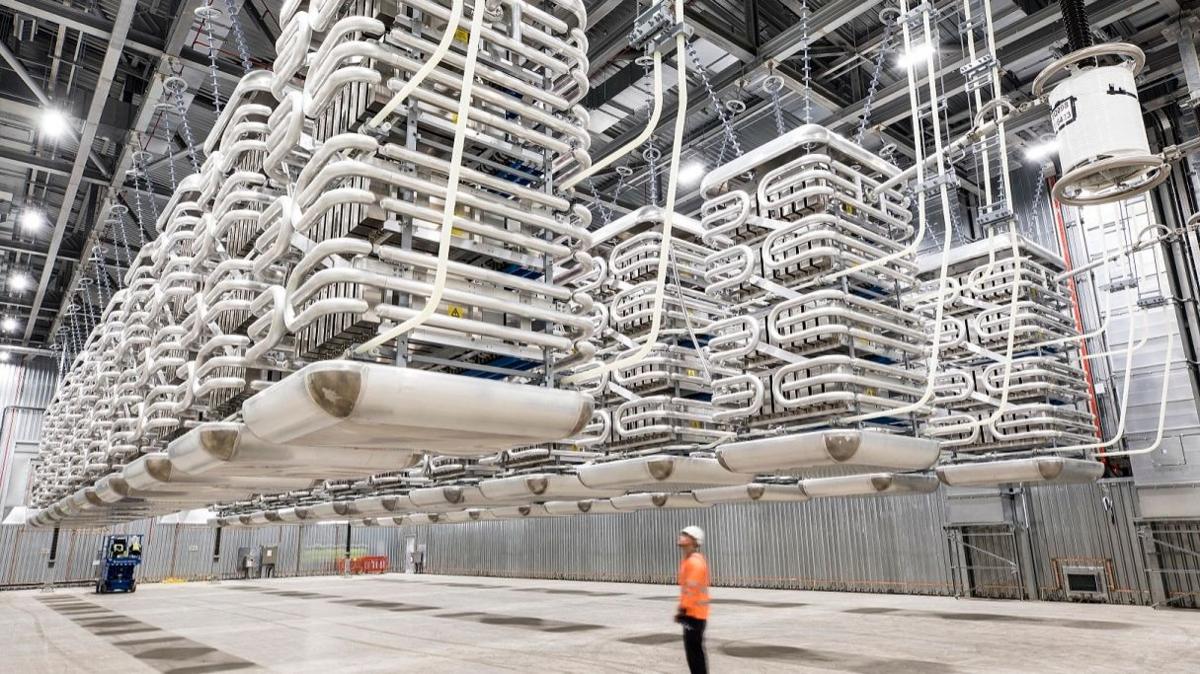
The agreement, to be formalized in the "Hamburg Declaration," will see countries like Germany, Norway, and the Netherlands collaborate on building wind farms connected by high-voltage subsea cables. These interconnectors will link multiple nations, enhancing energy security and potentially reducing electricity costs across the region. Energy Secretary Ed Miliband highlighted the UK's role in this initiative, stating it as a step away from the "fossil fuel rollercoaster."
Economic and Environmental Implications
The project is expected to power approximately 143 million homes, contributing significantly to Europe's target of 300GW of offshore wind capacity by 2050. Industry leaders, including RenewableUK and Energy UK, have lauded the initiative for its potential to lower energy costs and drive sustainable economic growth. However, there are concerns that allowing wind farm operators to sell power to the highest bidder could lead to increased electricity prices during periods of tight supply.
Challenges and Criticisms
Despite the positive outlook, the project faces criticism, notably from former US President Donald Trump, who has disparaged European wind power efforts. Additionally, Norway has expressed concerns about domestic supply risks, leading to regulatory measures to limit electricity exports. The summit in Hamburg will also address security concerns for offshore energy infrastructure, with NATO and the European Commission participating.
WHAT THIS MIGHT MEAN
As the North Sea wind power project progresses, it could significantly bolster Europe's renewable energy capabilities, reducing reliance on fossil fuels and enhancing energy security. However, the economic implications of interconnectors and market dynamics will require careful management to prevent potential price hikes. Politically, the initiative underscores Europe's commitment to clean energy, potentially influencing global energy policies. Experts suggest that successful implementation could serve as a model for international cooperation in renewable energy development, fostering further innovation and investment in the sector.
Images from the Web
Related Articles
Middle East Conflict Drives UK Energy Prices to New Highs

UK-Iran Tensions: Starmer Defends Cautious Approach Amid Trump Criticism

UK Faces Dilemmas Amid Iran Conflict and China Spying Allegations

Spain's Sánchez Stands Firm Against Trump's Trade Threat Over Iran Stance
Canada and Australia Forge Strategic Partnership Amid Global Uncertainty
Tech Giants Pledge to Cover AI Data Center Energy Costs Amid Rising Electricity Concerns
UK and European Nations Unite for Ambitious North Sea Wind Power Project
In This Article
 Alex Carter| Published
 HIGHLIGHTS
- The UK and nine European countries have committed to building a 100GW offshore wind power grid in the North Sea, aiming for completion by 2050.
- The project will involve high-voltage subsea cables connecting wind farms to multiple countries, enhancing energy security and potentially lowering costs.
- Energy Secretary Ed Miliband emphasized the UK's commitment to renewable energy, countering reliance on fossil fuels.
- The initiative is part of a broader European goal to develop 300GW of offshore wind capacity, despite criticism from figures like Donald Trump.
- Concerns exist over potential electricity price increases due to wind farm operators selling power to the highest bidder.
In a landmark move towards renewable energy, the UK and nine other European countries have pledged to construct a vast offshore wind power grid in the North Sea. This ambitious project, set to deliver 100 gigawatts (GW) of power, aims to transform the region into a "clean energy reservoir" by 2050.
A Collaborative Energy Vision
The agreement, to be formalized in the "Hamburg Declaration," will see countries like Germany, Norway, and the Netherlands collaborate on building wind farms connected by high-voltage subsea cables. These interconnectors will link multiple nations, enhancing energy security and potentially reducing electricity costs across the region. Energy Secretary Ed Miliband highlighted the UK's role in this initiative, stating it as a step away from the "fossil fuel rollercoaster."
Economic and Environmental Implications
The project is expected to power approximately 143 million homes, contributing significantly to Europe's target of 300GW of offshore wind capacity by 2050. Industry leaders, including RenewableUK and Energy UK, have lauded the initiative for its potential to lower energy costs and drive sustainable economic growth. However, there are concerns that allowing wind farm operators to sell power to the highest bidder could lead to increased electricity prices during periods of tight supply.
Challenges and Criticisms
Despite the positive outlook, the project faces criticism, notably from former US President Donald Trump, who has disparaged European wind power efforts. Additionally, Norway has expressed concerns about domestic supply risks, leading to regulatory measures to limit electricity exports. The summit in Hamburg will also address security concerns for offshore energy infrastructure, with NATO and the European Commission participating.
WHAT THIS MIGHT MEAN
As the North Sea wind power project progresses, it could significantly bolster Europe's renewable energy capabilities, reducing reliance on fossil fuels and enhancing energy security. However, the economic implications of interconnectors and market dynamics will require careful management to prevent potential price hikes. Politically, the initiative underscores Europe's commitment to clean energy, potentially influencing global energy policies. Experts suggest that successful implementation could serve as a model for international cooperation in renewable energy development, fostering further innovation and investment in the sector.
Images from the Web
Related Articles
Middle East Conflict Drives UK Energy Prices to New Highs
UK-Iran Tensions: Starmer Defends Cautious Approach Amid Trump Criticism
UK Faces Dilemmas Amid Iran Conflict and China Spying Allegations
Spain's Sánchez Stands Firm Against Trump's Trade Threat Over Iran Stance
Canada and Australia Forge Strategic Partnership Amid Global Uncertainty
Tech Giants Pledge to Cover AI Data Center Energy Costs Amid Rising Electricity Concerns