
Over 500 Arrested in London Protest Supporting Banned Group Palestine Action
In This Article
HIGHLIGHTS
- Over 500 arrests were made during a London protest supporting Palestine Action, a group banned under the Terrorism Act.
- A 74-year-old woman was arrested at a Belfast rally for wearing a T-shirt supporting the proscribed group.
- The majority of those arrested in London were aged 60 or older, highlighting concerns over civil liberties.
- The protest was the largest since Palestine Action was banned, with many arrested for displaying supportive placards.
- Legal experts question the application of the Terrorism Act, originally designed for different types of threats.
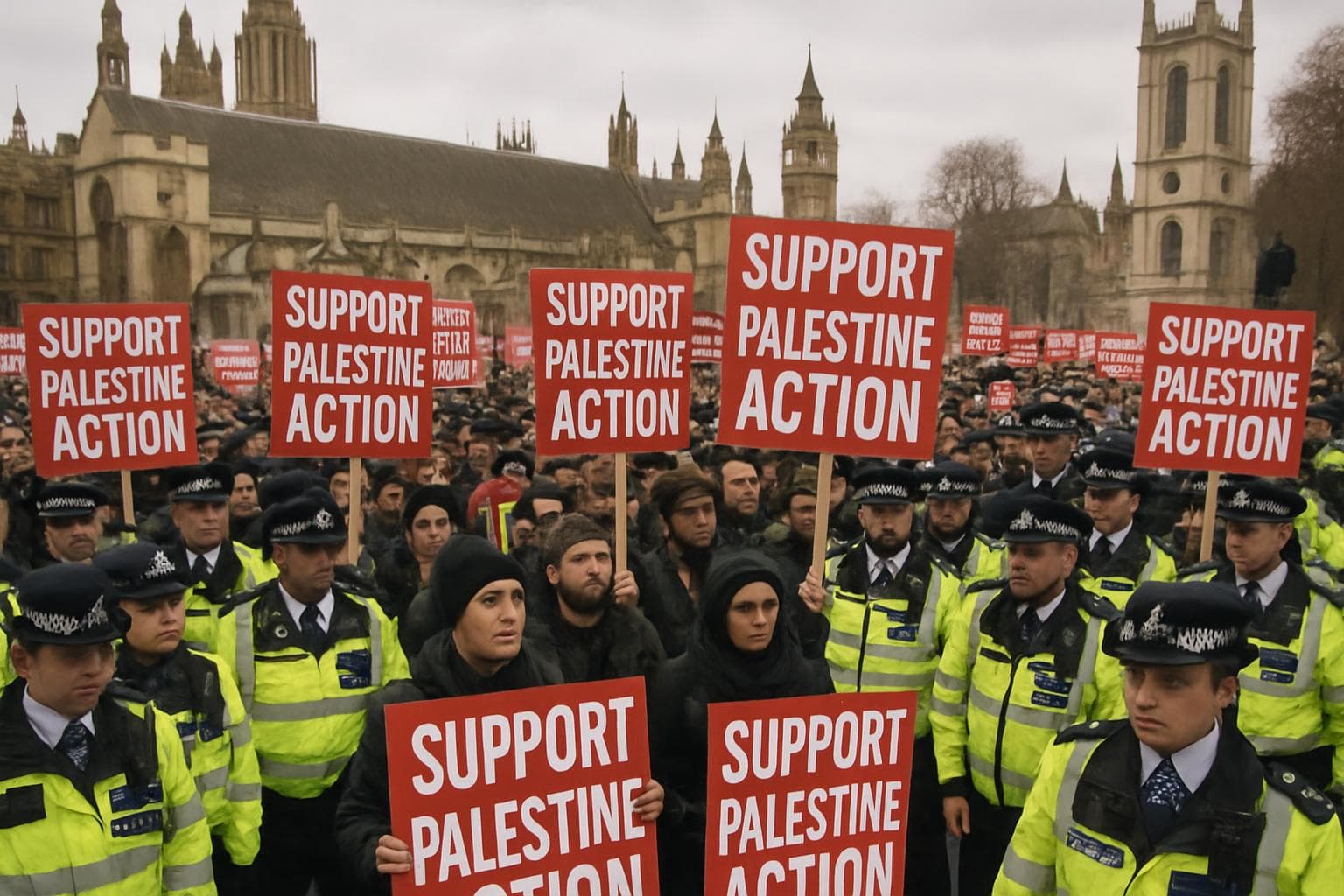
In a significant demonstration in London, over 500 individuals were arrested for supporting Palestine Action, a group recently banned under the Terrorism Act. The protest, organized by Defend Our Juries, saw participants gather in Parliament Square, holding placards that read, "I oppose genocide. I support Palestine Action." This event marked the largest protest since the group was proscribed in July, following an incident where activists caused £7 million in damage at RAF Brize Norton.
Arrests and Legal Context
The Metropolitan Police reported that 532 people were detained, with 521 arrests related to displaying placards supporting the banned group. The protest, which took place on Saturday, also saw six individuals arrested for assaulting police officers. The average age of those arrested was 54, with nearly half being 60 or older, raising concerns about the application of the Terrorism Act.
Belfast Rally and Broader Implications
In a related incident, a 74-year-old woman was arrested in Belfast during an anti-racism rally for wearing a T-shirt supporting Palestine Action. She was released pending a report to the Public Prosecution Service. The Police Service of Northern Ireland initially misstated her age, later correcting it from 62 to 74. Meanwhile, in London, the protest saw a diverse group of individuals, including former government adviser Sir Jonathon Porritt, who criticized the government's actions as an overreach.
Civil Liberties and Public Response
The arrests have sparked a debate over civil liberties, with critics arguing that the Terrorism Act is being applied inappropriately. Security expert Lizzie Dearden noted that the law was originally intended for groups like the IRA and al-Qaeda, not for peaceful protesters. Home Secretary Yvette Cooper defended the ban, citing security concerns and past actions by Palestine Action.
WHAT THIS MIGHT MEAN
The mass arrests during the London protest could lead to significant legal challenges, particularly concerning the application of the Terrorism Act. As the Metropolitan Police's counter-terrorism team prepares charges, the legal community will be closely watching how these cases unfold. The situation also raises broader questions about civil liberties and the balance between national security and the right to protest. As public discourse continues, the government's approach to dissent and protest may face increased scrutiny, potentially influencing future legislation and public policy.
Related Articles
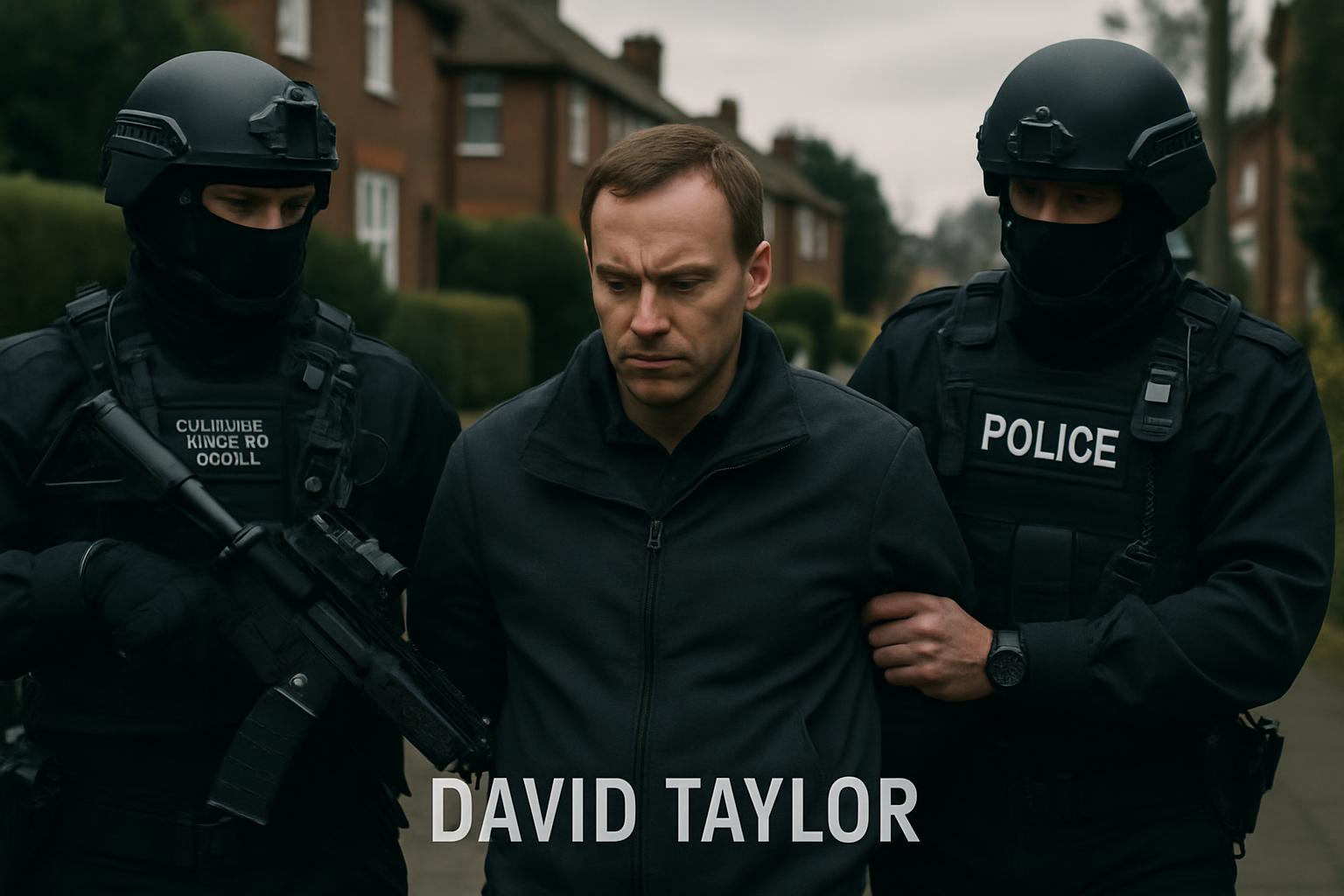
Labour MP's Husband Arrested in UK-China Espionage Probe

Tragedy Strikes County Armagh: Three Dead in Multi-Vehicle Collision
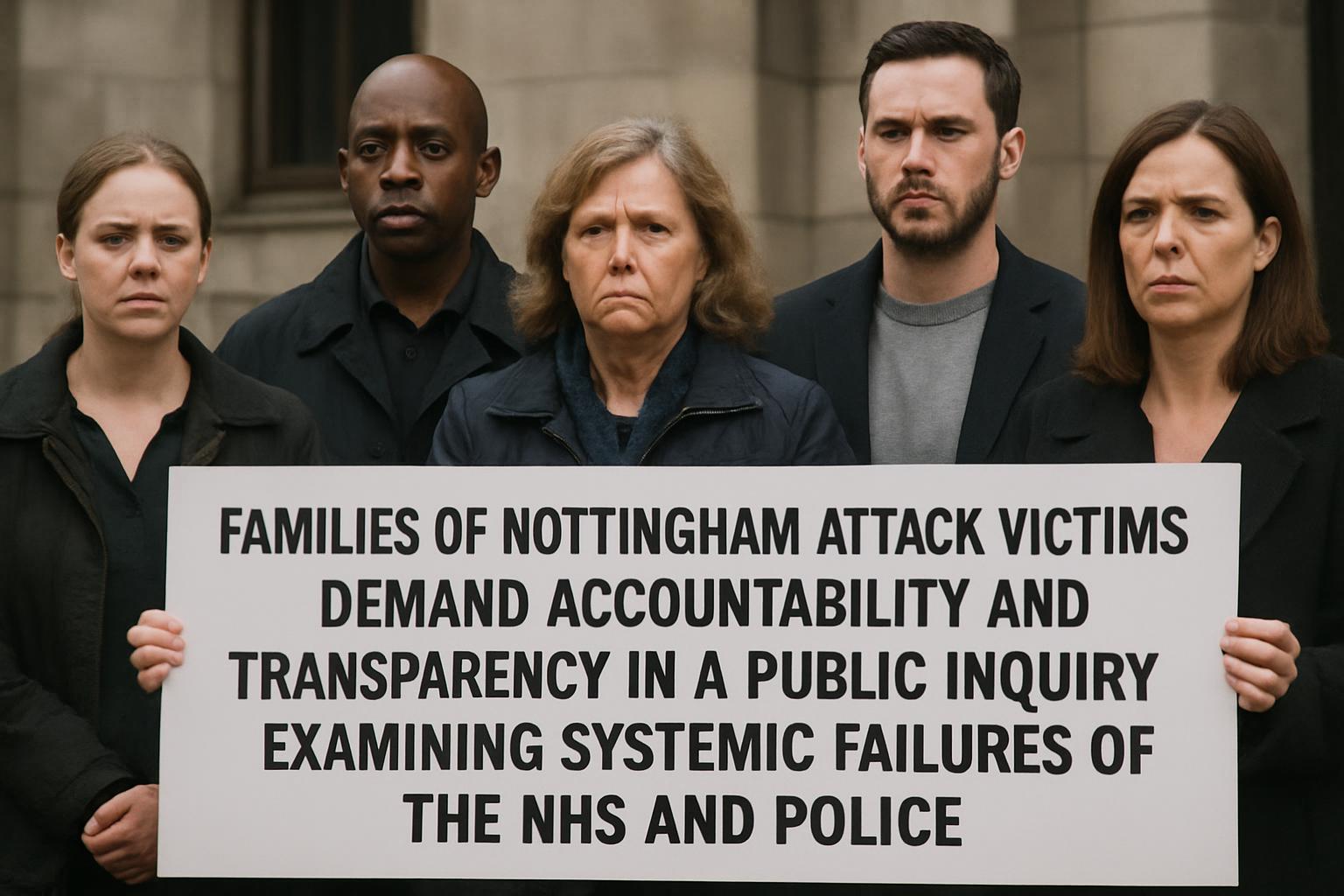
Nottingham Attacks Inquiry: Families Demand Accountability and Truth
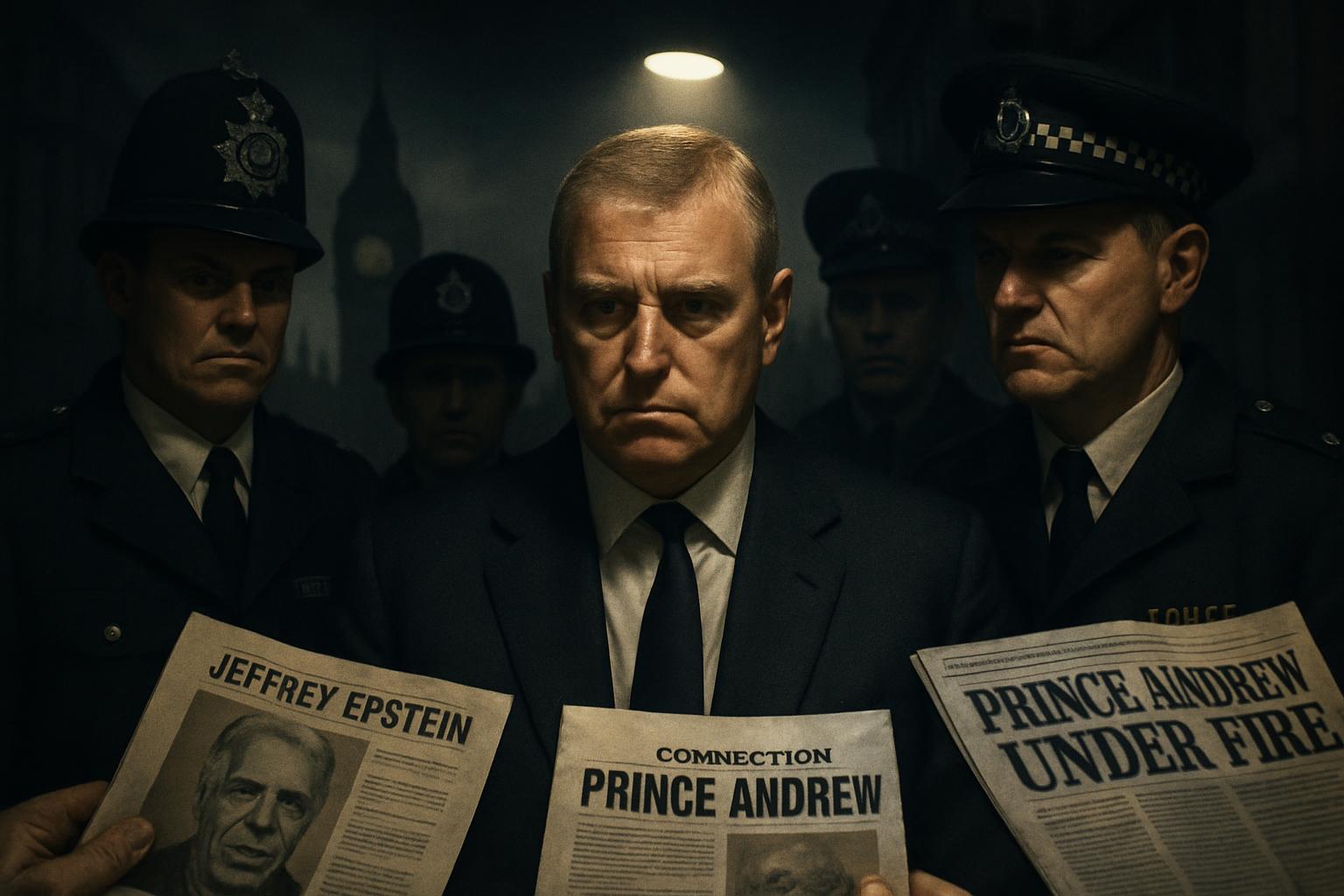
Prince Andrew's Ties to Epstein Under Scrutiny Amid Calls for Inquiry
UK Police Intensify Investigation into Andrew Mountbatten-Windsor Amid Misconduct Allegations
Prince Andrew's Arrest Raises Questions About Royal Succession and Monarchy's Future
Over 500 Arrested in London Protest Supporting Banned Group Palestine Action
In This Article
 Ethan Brooks| Published
 HIGHLIGHTS
- Over 500 arrests were made during a London protest supporting Palestine Action, a group banned under the Terrorism Act.
- A 74-year-old woman was arrested at a Belfast rally for wearing a T-shirt supporting the proscribed group.
- The majority of those arrested in London were aged 60 or older, highlighting concerns over civil liberties.
- The protest was the largest since Palestine Action was banned, with many arrested for displaying supportive placards.
- Legal experts question the application of the Terrorism Act, originally designed for different types of threats.
In a significant demonstration in London, over 500 individuals were arrested for supporting Palestine Action, a group recently banned under the Terrorism Act. The protest, organized by Defend Our Juries, saw participants gather in Parliament Square, holding placards that read, "I oppose genocide. I support Palestine Action." This event marked the largest protest since the group was proscribed in July, following an incident where activists caused £7 million in damage at RAF Brize Norton.
Arrests and Legal Context
The Metropolitan Police reported that 532 people were detained, with 521 arrests related to displaying placards supporting the banned group. The protest, which took place on Saturday, also saw six individuals arrested for assaulting police officers. The average age of those arrested was 54, with nearly half being 60 or older, raising concerns about the application of the Terrorism Act.
Belfast Rally and Broader Implications
In a related incident, a 74-year-old woman was arrested in Belfast during an anti-racism rally for wearing a T-shirt supporting Palestine Action. She was released pending a report to the Public Prosecution Service. The Police Service of Northern Ireland initially misstated her age, later correcting it from 62 to 74. Meanwhile, in London, the protest saw a diverse group of individuals, including former government adviser Sir Jonathon Porritt, who criticized the government's actions as an overreach.
Civil Liberties and Public Response
The arrests have sparked a debate over civil liberties, with critics arguing that the Terrorism Act is being applied inappropriately. Security expert Lizzie Dearden noted that the law was originally intended for groups like the IRA and al-Qaeda, not for peaceful protesters. Home Secretary Yvette Cooper defended the ban, citing security concerns and past actions by Palestine Action.
WHAT THIS MIGHT MEAN
The mass arrests during the London protest could lead to significant legal challenges, particularly concerning the application of the Terrorism Act. As the Metropolitan Police's counter-terrorism team prepares charges, the legal community will be closely watching how these cases unfold. The situation also raises broader questions about civil liberties and the balance between national security and the right to protest. As public discourse continues, the government's approach to dissent and protest may face increased scrutiny, potentially influencing future legislation and public policy.
Related Articles
Labour MP's Husband Arrested in UK-China Espionage Probe
Tragedy Strikes County Armagh: Three Dead in Multi-Vehicle Collision
Nottingham Attacks Inquiry: Families Demand Accountability and Truth
Prince Andrew's Ties to Epstein Under Scrutiny Amid Calls for Inquiry
UK Police Intensify Investigation into Andrew Mountbatten-Windsor Amid Misconduct Allegations
Prince Andrew's Arrest Raises Questions About Royal Succession and Monarchy's Future