
AI Stethoscope Revolutionizes Heart Condition Detection in Seconds
In This Article
HIGHLIGHTS
- AI-powered stethoscopes can detect heart failure, heart valve disease, and abnormal heart rhythms in seconds, enhancing early diagnosis.
- The device, developed by Imperial College London and Eko Health, uses AI to analyze heart sounds and ECG data, significantly improving detection rates.
- A study involving 12,000 patients showed that heart failure detection was 2.33 times more likely with the AI stethoscope.
- The technology is set to be rolled out across the UK, with plans to introduce it to GP practices in south London, Sussex, and Wales.
- The findings were presented at the European Society of Cardiology congress, highlighting the potential for AI in revolutionizing cardiovascular health care.
A groundbreaking AI-powered stethoscope is set to transform the early detection of major heart conditions, offering a significant leap forward in cardiovascular health care. Developed by researchers at Imperial College London in collaboration with Eko Health, this innovative device can diagnose heart failure, heart valve disease, and abnormal heart rhythms almost instantaneously.
A Technological Leap in Cardiovascular Health
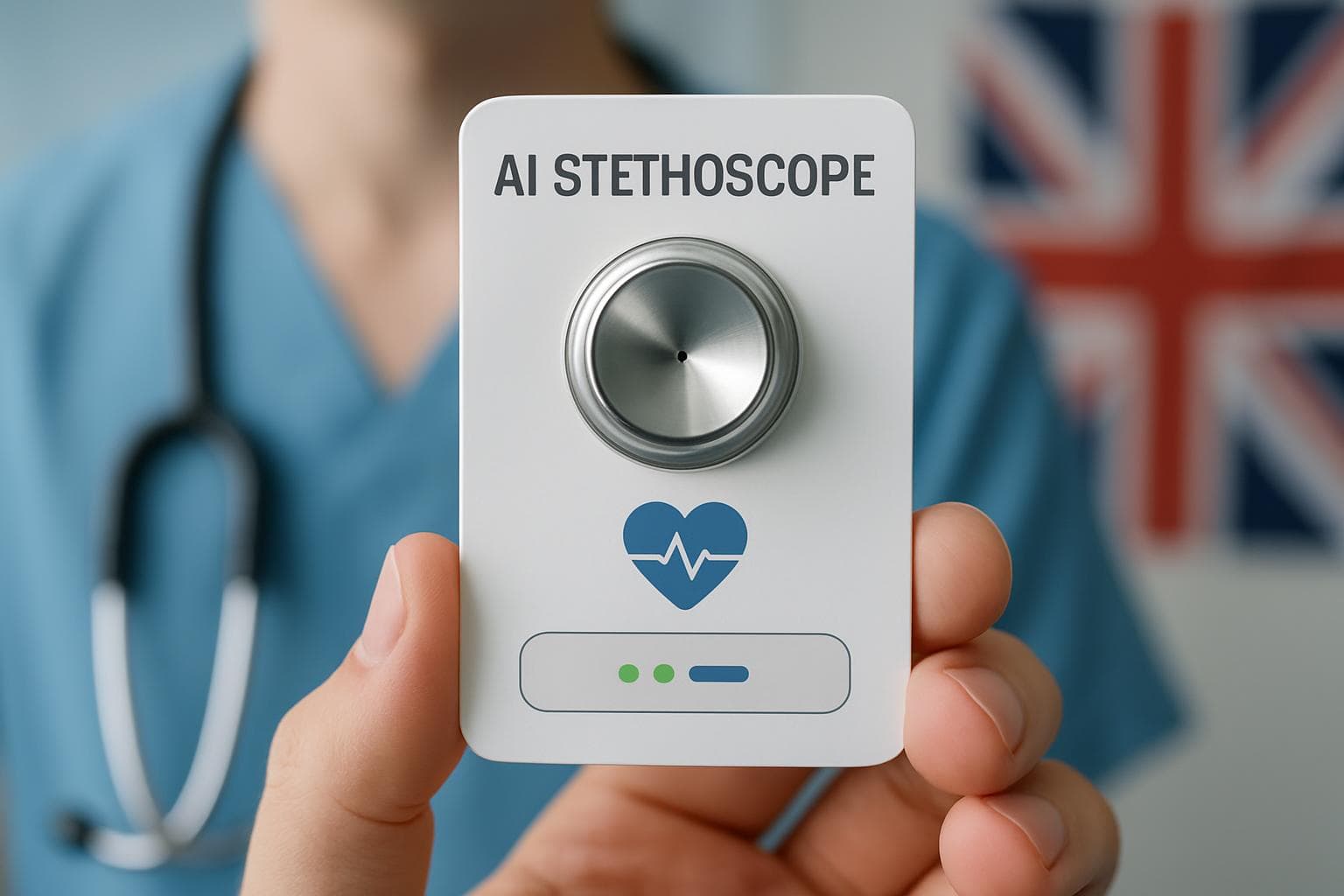
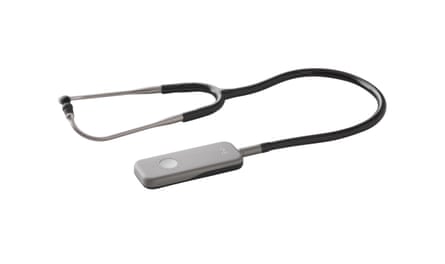
The traditional stethoscope, a staple in medical practice since 1816, has undergone a revolutionary upgrade. The new AI-enabled version replaces the conventional chest piece with a device the size of a playing card. It utilizes a microphone to capture subtle differences in heartbeat and blood flow, which are then analyzed by AI algorithms trained on extensive patient data. This process includes taking an ECG (electrocardiogram) and sending the information to the cloud for rapid analysis.
Study Highlights Enhanced Detection Rates
A comprehensive study involving over 12,000 patients from 200 GP surgeries across the UK demonstrated the device's efficacy. Patients examined with the AI stethoscope were 2.33 times more likely to have heart failure detected within 12 months. Additionally, the detection of abnormal heart rhythms, such as atrial fibrillation, was 3.5 times more likely, while heart valve disease detection was nearly doubled.
Dr. Sonya Babu-Narayan, clinical director at the British Heart Foundation, emphasized the importance of such innovations, stating, "This is an elegant example of how the humble stethoscope can be upgraded for the 21st century." The findings were presented at the European Society of Cardiology annual congress in Madrid, underscoring the device's potential impact on early diagnosis and treatment.
Future Rollout and Implications
Plans are underway to introduce the AI stethoscope to GP practices in south London, Sussex, and Wales, marking a significant step towards widespread adoption. Dr. Patrik Bächtiger of Imperial College London's National Heart and Lung Institute remarked on the device's transformative potential, noting that it allows for a swift 15-second examination with immediate AI analysis.
WHAT THIS MIGHT MEAN
The introduction of AI stethoscopes could significantly alter the landscape of cardiovascular health care, enabling earlier intervention and potentially reducing hospital admissions for advanced heart conditions. As the technology becomes more widely adopted, it may prompt further innovations in AI-driven diagnostics across other medical fields. However, the risk of false positives remains a concern, necessitating ongoing refinement of AI algorithms to ensure accuracy and reliability. As healthcare systems integrate such technologies, the balance between technological advancement and patient safety will be crucial.
Images from the Web

Related Articles

UK Authorities Warn Against Dangerous Illegal Skin Lightening Products

Labour MP's Husband Arrested in UK-China Espionage Probe

Prince William Calls for Action on UK Male Suicide Rates

Sisters Tragically Drown at Eryri National Park's Watkin Path

Police Federation Chief Arrested Amid Fraud Investigation

Saharan Dust to Illuminate UK Skies with Vivid Sunrises and Sunsets
AI Stethoscope Revolutionizes Heart Condition Detection in Seconds
In This Article
 Maya Singh| Published
 HIGHLIGHTS
- AI-powered stethoscopes can detect heart failure, heart valve disease, and abnormal heart rhythms in seconds, enhancing early diagnosis.
- The device, developed by Imperial College London and Eko Health, uses AI to analyze heart sounds and ECG data, significantly improving detection rates.
- A study involving 12,000 patients showed that heart failure detection was 2.33 times more likely with the AI stethoscope.
- The technology is set to be rolled out across the UK, with plans to introduce it to GP practices in south London, Sussex, and Wales.
- The findings were presented at the European Society of Cardiology congress, highlighting the potential for AI in revolutionizing cardiovascular health care.
A groundbreaking AI-powered stethoscope is set to transform the early detection of major heart conditions, offering a significant leap forward in cardiovascular health care. Developed by researchers at Imperial College London in collaboration with Eko Health, this innovative device can diagnose heart failure, heart valve disease, and abnormal heart rhythms almost instantaneously.
A Technological Leap in Cardiovascular Health
The traditional stethoscope, a staple in medical practice since 1816, has undergone a revolutionary upgrade. The new AI-enabled version replaces the conventional chest piece with a device the size of a playing card. It utilizes a microphone to capture subtle differences in heartbeat and blood flow, which are then analyzed by AI algorithms trained on extensive patient data. This process includes taking an ECG (electrocardiogram) and sending the information to the cloud for rapid analysis.
Study Highlights Enhanced Detection Rates
A comprehensive study involving over 12,000 patients from 200 GP surgeries across the UK demonstrated the device's efficacy. Patients examined with the AI stethoscope were 2.33 times more likely to have heart failure detected within 12 months. Additionally, the detection of abnormal heart rhythms, such as atrial fibrillation, was 3.5 times more likely, while heart valve disease detection was nearly doubled.
Dr. Sonya Babu-Narayan, clinical director at the British Heart Foundation, emphasized the importance of such innovations, stating, "This is an elegant example of how the humble stethoscope can be upgraded for the 21st century." The findings were presented at the European Society of Cardiology annual congress in Madrid, underscoring the device's potential impact on early diagnosis and treatment.
Future Rollout and Implications
Plans are underway to introduce the AI stethoscope to GP practices in south London, Sussex, and Wales, marking a significant step towards widespread adoption. Dr. Patrik Bächtiger of Imperial College London's National Heart and Lung Institute remarked on the device's transformative potential, noting that it allows for a swift 15-second examination with immediate AI analysis.
WHAT THIS MIGHT MEAN
The introduction of AI stethoscopes could significantly alter the landscape of cardiovascular health care, enabling earlier intervention and potentially reducing hospital admissions for advanced heart conditions. As the technology becomes more widely adopted, it may prompt further innovations in AI-driven diagnostics across other medical fields. However, the risk of false positives remains a concern, necessitating ongoing refinement of AI algorithms to ensure accuracy and reliability. As healthcare systems integrate such technologies, the balance between technological advancement and patient safety will be crucial.
Images from the Web
Related Articles
UK Authorities Warn Against Dangerous Illegal Skin Lightening Products
Labour MP's Husband Arrested in UK-China Espionage Probe
Prince William Calls for Action on UK Male Suicide Rates
Sisters Tragically Drown at Eryri National Park's Watkin Path
Police Federation Chief Arrested Amid Fraud Investigation
Saharan Dust to Illuminate UK Skies with Vivid Sunrises and Sunsets