
UK Authorities Warn Against Dangerous Illegal Skin Lightening Products
In This Article
HIGHLIGHTS
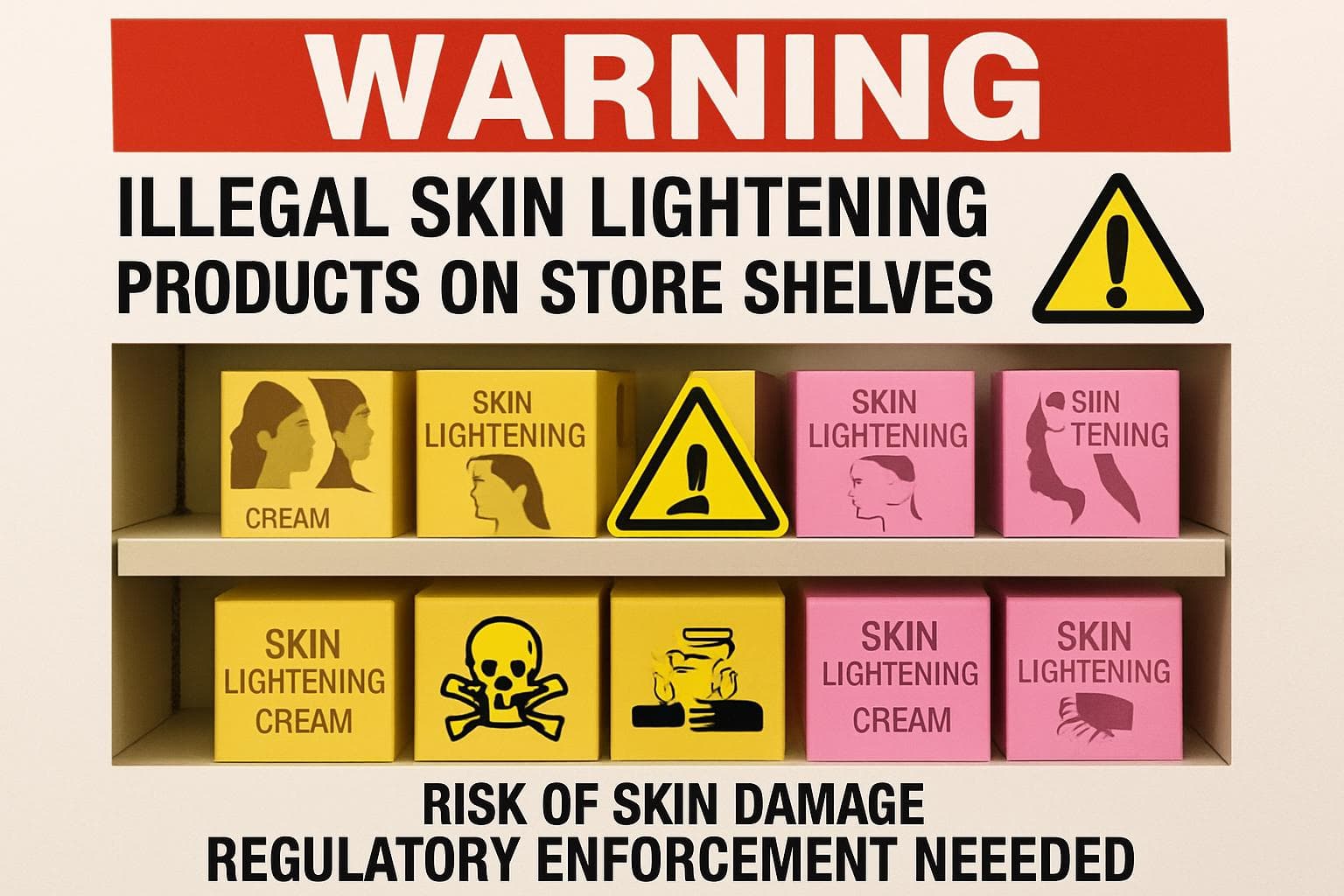
- Illegal skin lightening products containing banned substances like hydroquinone and mercury are being sold in UK butchers, food shops, and online.
- The Chartered Trading Standards Institute (CTSI) warns these products pose serious health risks, including skin damage and organ harm.
- Social factors such as colourism drive demand for these products, with vulnerable communities being targeted.
- A London retailer was fined £30,000 for selling these illegal products, highlighting ongoing enforcement efforts.
- Consumers are urged to avoid unverified sellers and consult healthcare professionals before using skin-altering products.
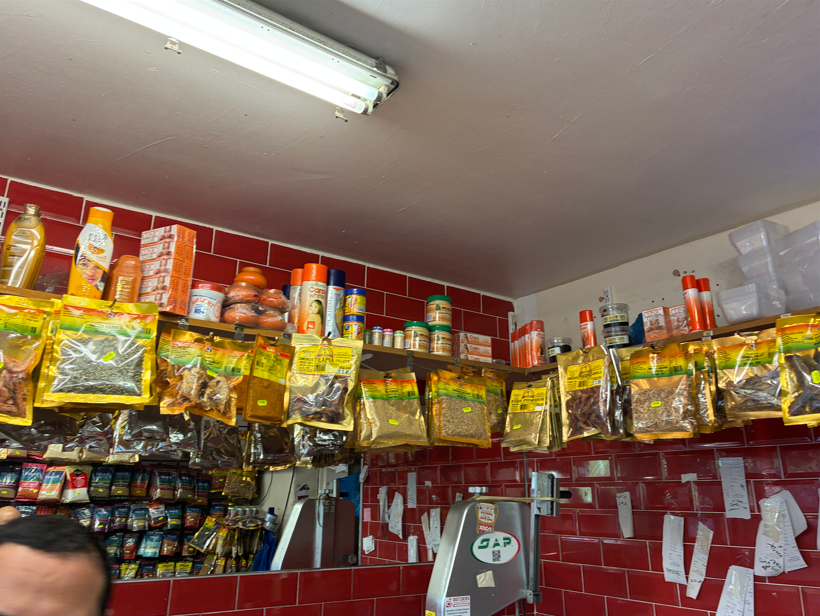
Illegal skin lightening products, containing hazardous substances, are increasingly being sold across the UK in various outlets, including butchers and specialist food shops, according to a warning from the Chartered Trading Standards Institute (CTSI). These products, which are also available online, pose significant health risks due to banned ingredients such as hydroquinone, mercury, and potent corticosteroids.
Health Risks and Legal Concerns
The CTSI has highlighted the severe health implications of using these products, which can lead to skin damage, infections, and even organ harm. Tendy Lindsay, a former chair of the CTSI, emphasized the unlawfulness of selling such products, stating, "The sale of illegal skin lightening products is not only dangerous, it is unlawful." Under UK product safety and cosmetics legislation, these ingredients are strictly prohibited due to their potential to cause irreversible harm.
Social Factors and Vulnerable Communities
The demand for skin lightening products is often driven by complex social and personal factors, including colourism—a form of discrimination that favors lighter skin tones. This issue is particularly prevalent in some Black and Asian communities. Daniel Murrell-Williamson from Essex shared his experience of using an unmarked cream as a teenager, unaware of its toxic contents. His story underscores the vulnerability of individuals who fall prey to harmful beauty standards.
Enforcement and Consumer Advice
In a recent enforcement action, a cosmetics retailer in Peckham, London, was fined £30,000 for selling illegal skin lightening products. Since 2002, 62 prosecutions have occurred in Southwark alone, reflecting ongoing efforts to curb this illegal trade. The CTSI advises consumers to avoid purchasing these products from unverified sellers and to consult healthcare professionals before using any skin-altering cosmetics.
WHAT THIS MIGHT MEAN
The continued sale of illegal skin lightening products in the UK raises significant public health and legal concerns. If enforcement efforts intensify, we may see more prosecutions and fines, which could deter retailers from stocking these dangerous items. However, addressing the root causes of demand, such as colourism and harmful beauty standards, remains crucial. Increased awareness and education, particularly in vulnerable communities, could play a pivotal role in reducing reliance on these products. As the CTSI and partner organizations work to enhance consumer protection, the focus will likely remain on both legal enforcement and social education to mitigate the risks associated with these harmful beauty practices.
Images from the Web
Related Articles

Breakthrough Drug Offers Hope for Children with Severe Epilepsy
Persistent Safety Concerns in Nottingham Maternity Services Amidst Calls for Systemic Reform

Canada and Australia Forge Strategic Partnership Amid Global Uncertainty

UK Government to Reform Asylum Seeker Support and Employment Policies

Middle East Conflict Drives UK Energy Prices to New Highs

UK Faces Dilemmas Amid Iran Conflict and China Spying Allegations
UK Authorities Warn Against Dangerous Illegal Skin Lightening Products
In This Article
 Maya Singh| Published
 HIGHLIGHTS
- Illegal skin lightening products containing banned substances like hydroquinone and mercury are being sold in UK butchers, food shops, and online.
- The Chartered Trading Standards Institute (CTSI) warns these products pose serious health risks, including skin damage and organ harm.
- Social factors such as colourism drive demand for these products, with vulnerable communities being targeted.
- A London retailer was fined £30,000 for selling these illegal products, highlighting ongoing enforcement efforts.
- Consumers are urged to avoid unverified sellers and consult healthcare professionals before using skin-altering products.
Illegal skin lightening products, containing hazardous substances, are increasingly being sold across the UK in various outlets, including butchers and specialist food shops, according to a warning from the Chartered Trading Standards Institute (CTSI). These products, which are also available online, pose significant health risks due to banned ingredients such as hydroquinone, mercury, and potent corticosteroids.
Health Risks and Legal Concerns
The CTSI has highlighted the severe health implications of using these products, which can lead to skin damage, infections, and even organ harm. Tendy Lindsay, a former chair of the CTSI, emphasized the unlawfulness of selling such products, stating, "The sale of illegal skin lightening products is not only dangerous, it is unlawful." Under UK product safety and cosmetics legislation, these ingredients are strictly prohibited due to their potential to cause irreversible harm.
Social Factors and Vulnerable Communities
The demand for skin lightening products is often driven by complex social and personal factors, including colourism—a form of discrimination that favors lighter skin tones. This issue is particularly prevalent in some Black and Asian communities. Daniel Murrell-Williamson from Essex shared his experience of using an unmarked cream as a teenager, unaware of its toxic contents. His story underscores the vulnerability of individuals who fall prey to harmful beauty standards.
Enforcement and Consumer Advice
In a recent enforcement action, a cosmetics retailer in Peckham, London, was fined £30,000 for selling illegal skin lightening products. Since 2002, 62 prosecutions have occurred in Southwark alone, reflecting ongoing efforts to curb this illegal trade. The CTSI advises consumers to avoid purchasing these products from unverified sellers and to consult healthcare professionals before using any skin-altering cosmetics.
WHAT THIS MIGHT MEAN
The continued sale of illegal skin lightening products in the UK raises significant public health and legal concerns. If enforcement efforts intensify, we may see more prosecutions and fines, which could deter retailers from stocking these dangerous items. However, addressing the root causes of demand, such as colourism and harmful beauty standards, remains crucial. Increased awareness and education, particularly in vulnerable communities, could play a pivotal role in reducing reliance on these products. As the CTSI and partner organizations work to enhance consumer protection, the focus will likely remain on both legal enforcement and social education to mitigate the risks associated with these harmful beauty practices.
Images from the Web
Related Articles
Breakthrough Drug Offers Hope for Children with Severe Epilepsy
Persistent Safety Concerns in Nottingham Maternity Services Amidst Calls for Systemic Reform
Canada and Australia Forge Strategic Partnership Amid Global Uncertainty
UK Government to Reform Asylum Seeker Support and Employment Policies
Middle East Conflict Drives UK Energy Prices to New Highs
UK Faces Dilemmas Amid Iran Conflict and China Spying Allegations