
Alaa Abdel Fattah's UK Arrival Sparks Political Controversy Over Past Social Media Posts

In This Article
HIGHLIGHTS
- Alaa Abdel Fattah, a British-Egyptian activist, faces backlash over past social media posts calling for violence against Zionists and police.
- UK political figures, including Keir Starmer, face criticism for supporting Abdel Fattah's release without knowledge of his controversial tweets.
- Calls for Abdel Fattah's deportation and revocation of his UK citizenship have emerged from Conservative and Reform UK leaders.
- Abdel Fattah has apologized for his past remarks, stating they were taken out of context and expressing regret for any offense caused.
- The UK government, while condemning the activist's posts, maintains its longstanding priority was to secure his release from Egyptian detention.
The arrival of Egyptian pro-democracy activist Alaa Abdel Fattah in the UK has ignited a political storm, as past social media posts advocating violence against Zionists and police have resurfaced. Abdel Fattah, who recently reunited with his family in the UK after being freed from Egyptian detention, has apologized for the tweets, acknowledging their offensive nature and asserting they were taken out of context.
Political Backlash and Criticism
The controversy has placed UK political leaders under scrutiny, particularly Sir Keir Starmer, who expressed delight at Abdel Fattah's release without knowledge of the activist's historical remarks. Shadow Justice Secretary Robert Jenrick criticized Starmer's comments as a "serious error of judgement," arguing that they amounted to a public endorsement of someone whose words incite violence.
The Jewish Leadership Council and other organizations have also condemned the "effusive welcome" extended to Abdel Fattah by UK officials, questioning the lack of due diligence in supporting his release.
Calls for Deportation and Citizenship Revocation
The resurfacing of Abdel Fattah's tweets has led to calls from Conservative and Reform UK leaders for the Home Secretary to consider revoking his UK citizenship, potentially paving the way for his deportation. Kemi Badenoch, the Conservative leader, emphasized the need to scrutinize social media activity and public statements when making citizenship decisions, labeling Abdel Fattah's comments as "disgusting and abhorrent."
Despite the backlash, the UK Foreign Office reiterated its longstanding priority to secure Abdel Fattah's release, condemning his posts while acknowledging his status as a British citizen.
Historical Context and Human Rights Advocacy
Abdel Fattah's journey to the UK follows a decade-long imprisonment in Egypt, where he was convicted in 2021 of "spreading fake news" after sharing a Facebook post about torture. His release was the culmination of extensive lobbying by successive UK governments and human rights advocates, including celebrities like Dame Judi Dench and Olivia Colman.
The activist's past remarks had previously cost him a nomination for the European Parliament's Sakharov Prize in 2014, which was withdrawn after the discovery of his controversial tweets.
WHAT THIS MIGHT MEAN
The controversy surrounding Alaa Abdel Fattah's arrival in the UK raises significant questions about the balance between human rights advocacy and accountability for past actions. As political leaders face pressure to address the situation, the debate over citizenship revocation could set a precedent for how the UK handles similar cases in the future.
Legal experts suggest that any move to strip Abdel Fattah of his citizenship would need to navigate complex international laws to avoid rendering him stateless. Meanwhile, the incident underscores the importance of thorough vetting processes in diplomatic and humanitarian efforts, as governments strive to uphold both human rights and national values.
Related Articles

UK-Iran Tensions: Starmer Defends Cautious Approach Amid Trump Criticism
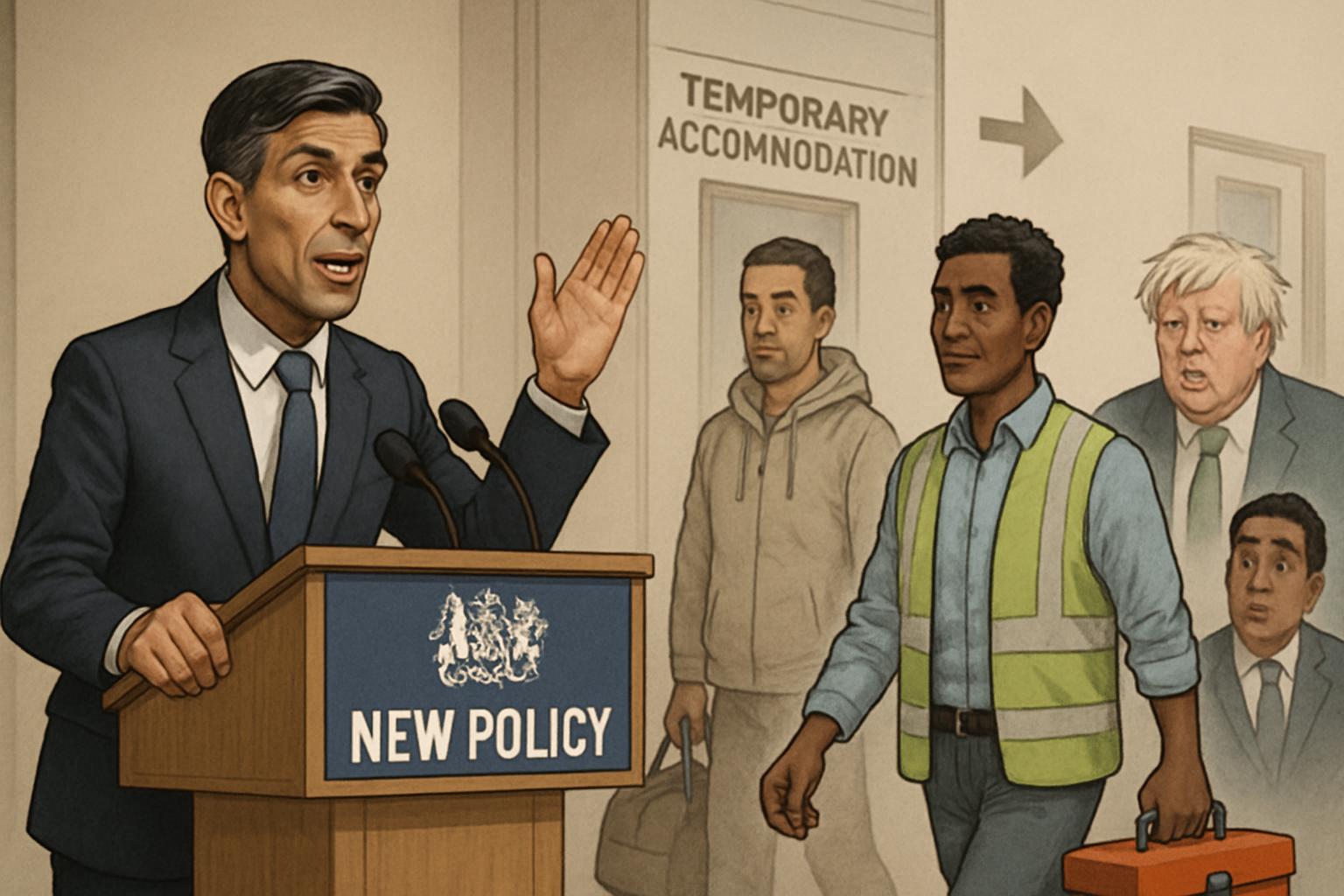
UK Government to Reform Asylum Seeker Support and Employment Policies

Reform UK Aims to Reshape Welsh Politics with New Manifesto

Russian LNG Tanker Sinks in Mediterranean Amid Accusations of Ukrainian Drone Attack

UK Faces Dilemmas Amid Iran Conflict and China Spying Allegations

UK Reinforces Military Presence in Cyprus Amid Middle East Tensions
Alaa Abdel Fattah's UK Arrival Sparks Political Controversy Over Past Social Media Posts
In This Article
 Ethan Brooks| Published
 HIGHLIGHTS
- Alaa Abdel Fattah, a British-Egyptian activist, faces backlash over past social media posts calling for violence against Zionists and police.
- UK political figures, including Keir Starmer, face criticism for supporting Abdel Fattah's release without knowledge of his controversial tweets.
- Calls for Abdel Fattah's deportation and revocation of his UK citizenship have emerged from Conservative and Reform UK leaders.
- Abdel Fattah has apologized for his past remarks, stating they were taken out of context and expressing regret for any offense caused.
- The UK government, while condemning the activist's posts, maintains its longstanding priority was to secure his release from Egyptian detention.
The arrival of Egyptian pro-democracy activist Alaa Abdel Fattah in the UK has ignited a political storm, as past social media posts advocating violence against Zionists and police have resurfaced. Abdel Fattah, who recently reunited with his family in the UK after being freed from Egyptian detention, has apologized for the tweets, acknowledging their offensive nature and asserting they were taken out of context.
Political Backlash and Criticism
The controversy has placed UK political leaders under scrutiny, particularly Sir Keir Starmer, who expressed delight at Abdel Fattah's release without knowledge of the activist's historical remarks. Shadow Justice Secretary Robert Jenrick criticized Starmer's comments as a "serious error of judgement," arguing that they amounted to a public endorsement of someone whose words incite violence.
The Jewish Leadership Council and other organizations have also condemned the "effusive welcome" extended to Abdel Fattah by UK officials, questioning the lack of due diligence in supporting his release.
Calls for Deportation and Citizenship Revocation
The resurfacing of Abdel Fattah's tweets has led to calls from Conservative and Reform UK leaders for the Home Secretary to consider revoking his UK citizenship, potentially paving the way for his deportation. Kemi Badenoch, the Conservative leader, emphasized the need to scrutinize social media activity and public statements when making citizenship decisions, labeling Abdel Fattah's comments as "disgusting and abhorrent."
Despite the backlash, the UK Foreign Office reiterated its longstanding priority to secure Abdel Fattah's release, condemning his posts while acknowledging his status as a British citizen.
Historical Context and Human Rights Advocacy
Abdel Fattah's journey to the UK follows a decade-long imprisonment in Egypt, where he was convicted in 2021 of "spreading fake news" after sharing a Facebook post about torture. His release was the culmination of extensive lobbying by successive UK governments and human rights advocates, including celebrities like Dame Judi Dench and Olivia Colman.
The activist's past remarks had previously cost him a nomination for the European Parliament's Sakharov Prize in 2014, which was withdrawn after the discovery of his controversial tweets.
WHAT THIS MIGHT MEAN
The controversy surrounding Alaa Abdel Fattah's arrival in the UK raises significant questions about the balance between human rights advocacy and accountability for past actions. As political leaders face pressure to address the situation, the debate over citizenship revocation could set a precedent for how the UK handles similar cases in the future.
Legal experts suggest that any move to strip Abdel Fattah of his citizenship would need to navigate complex international laws to avoid rendering him stateless. Meanwhile, the incident underscores the importance of thorough vetting processes in diplomatic and humanitarian efforts, as governments strive to uphold both human rights and national values.
Related Articles
UK-Iran Tensions: Starmer Defends Cautious Approach Amid Trump Criticism
UK Government to Reform Asylum Seeker Support and Employment Policies
Reform UK Aims to Reshape Welsh Politics with New Manifesto
Russian LNG Tanker Sinks in Mediterranean Amid Accusations of Ukrainian Drone Attack
UK Faces Dilemmas Amid Iran Conflict and China Spying Allegations
UK Reinforces Military Presence in Cyprus Amid Middle East Tensions