
Controversial Alberta Oil Pipeline Deal Sparks Political Turmoil
In This Article
HIGHLIGHTS
- Prime Minister Mark Carney signed a deal with Alberta to develop an oil pipeline to the Pacific, sparking political controversy.
- The agreement exempts the pipeline from certain federal climate laws, requiring Alberta to enhance carbon pricing and develop a carbon capture program.
- British Columbia Premier David Eby opposes the project, citing lack of consultation and environmental concerns.
- Federal Culture Minister Steven Guilbeault resigned in protest, highlighting potential environmental impacts and lack of Indigenous consultation.
- The pipeline project lacks private backing and faces significant opposition from First Nations communities.
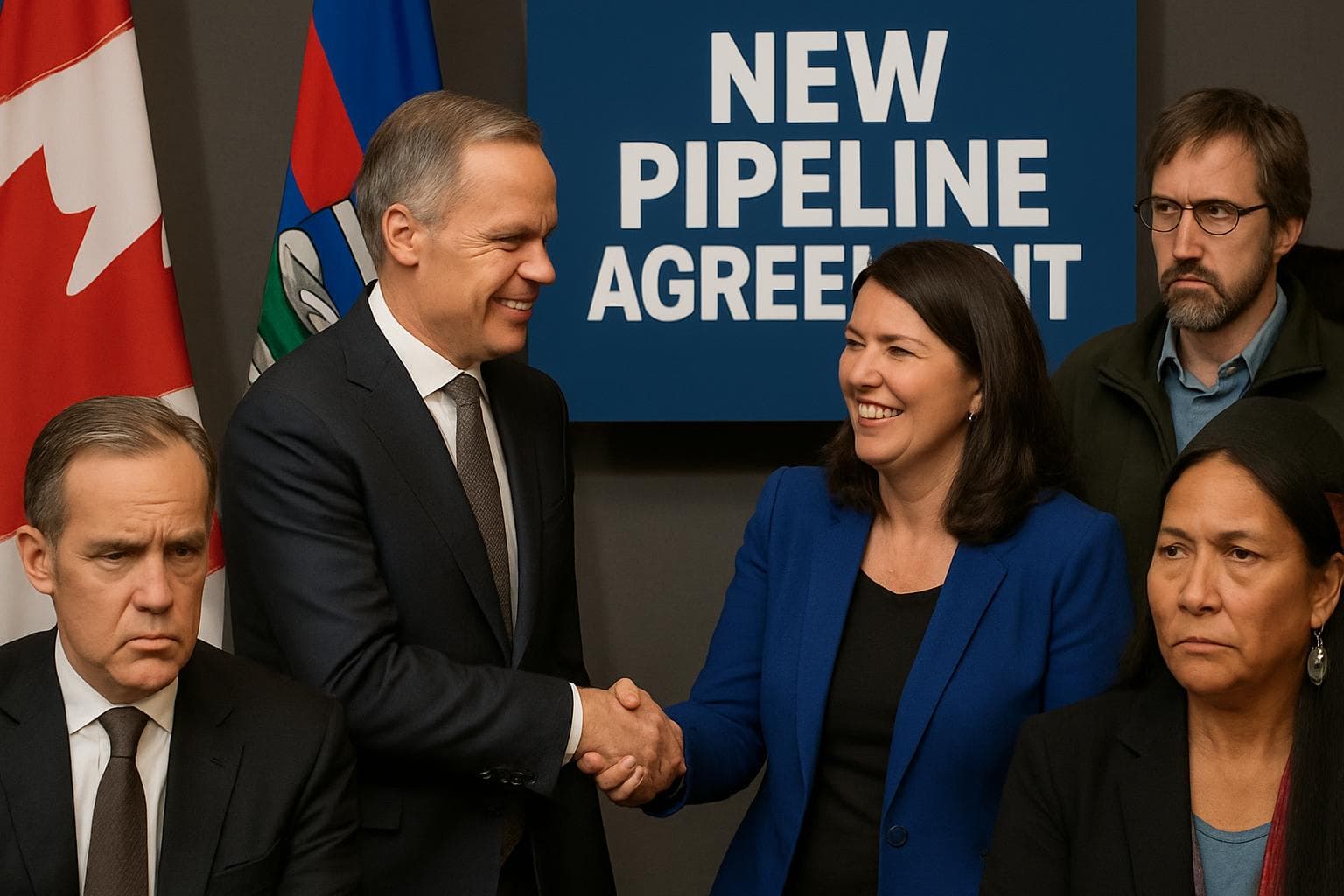
In a move that has ignited political controversy, Canadian Prime Minister Mark Carney has signed an agreement with Alberta to develop a new oil pipeline to the Pacific coast. The deal, which aims to boost Canada's oil exports to Asian markets, has already faced significant opposition from environmentalists and political figures.
Political Fallout and Resignations
The announcement of the pipeline agreement quickly led to the resignation of Steven Guilbeault, the federal culture minister and former environment minister. Guilbeault, a long-time environmental advocate, expressed his strong opposition to the project, citing its potential environmental impacts and the lack of consultation with Indigenous communities. "This decision was made with great sadness," Guilbeault stated, emphasizing his commitment to environmental values.
Alberta's Economic Ambitions
Alberta Premier Danielle Smith hailed the agreement as a "great day for Alberta," highlighting its potential to attract investment and transform the province's economy. The deal requires Alberta to increase its carbon pricing and invest in a large-scale carbon capture program, while exempting the pipeline from certain federal climate regulations. Carney described the agreement as a step towards an industrial transformation, involving not just the pipeline but also nuclear power and data centers.
Opposition from British Columbia
British Columbia Premier David Eby has voiced strong opposition to the pipeline, criticizing the lack of consultation with his province and Indigenous communities. Eby expressed concerns over the environmental risks, particularly the potential impact on the Great Bear Rainforest and the increased risk of oil tanker accidents along the coast. "It would have been good for BC to be at the table," Eby remarked, highlighting the exclusion of his province from the negotiations.
Challenges Ahead
Despite the agreement, the pipeline project faces significant hurdles. It currently lacks private sector backing and has not secured buy-in from First Nations communities, both critical for its advancement. The Alberta government has pledged C$14 million to develop a proposal, hoping to attract private investment in the future.
WHAT THIS MIGHT MEAN
The future of the Alberta oil pipeline deal remains uncertain, with significant political and environmental challenges ahead. The lack of private backing and Indigenous support could stall the project, while opposition from British Columbia may lead to legal battles. Experts suggest that Carney's government will need to engage in extensive consultations with all stakeholders to address these concerns and move forward. The deal's impact on Canada's climate goals and its relationship with Indigenous communities will be closely scrutinized in the coming months, potentially shaping the country's energy policy for years to come.
Related Articles
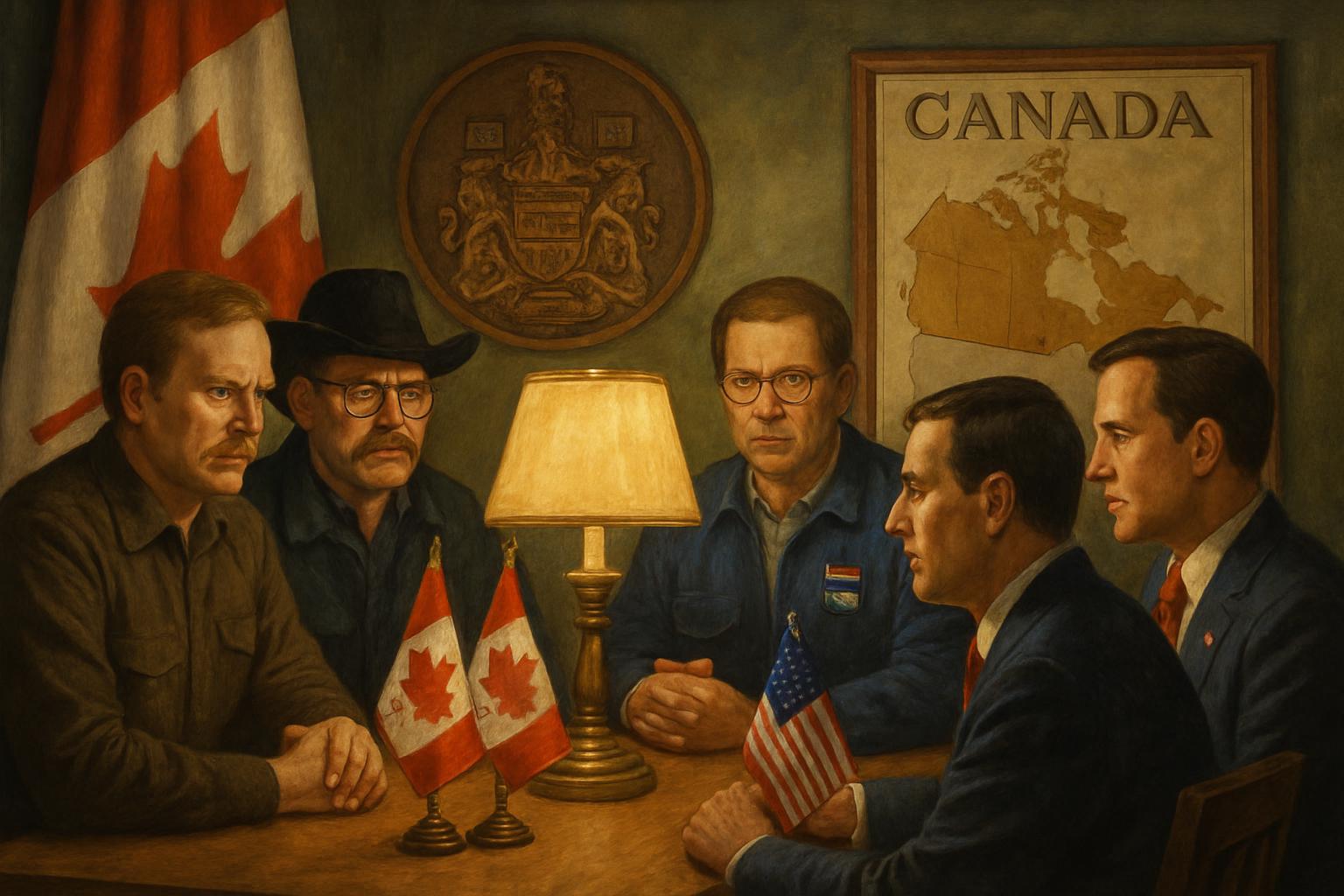
Alberta Separatists' US Talks Stir Controversy Over Canadian Sovereignty
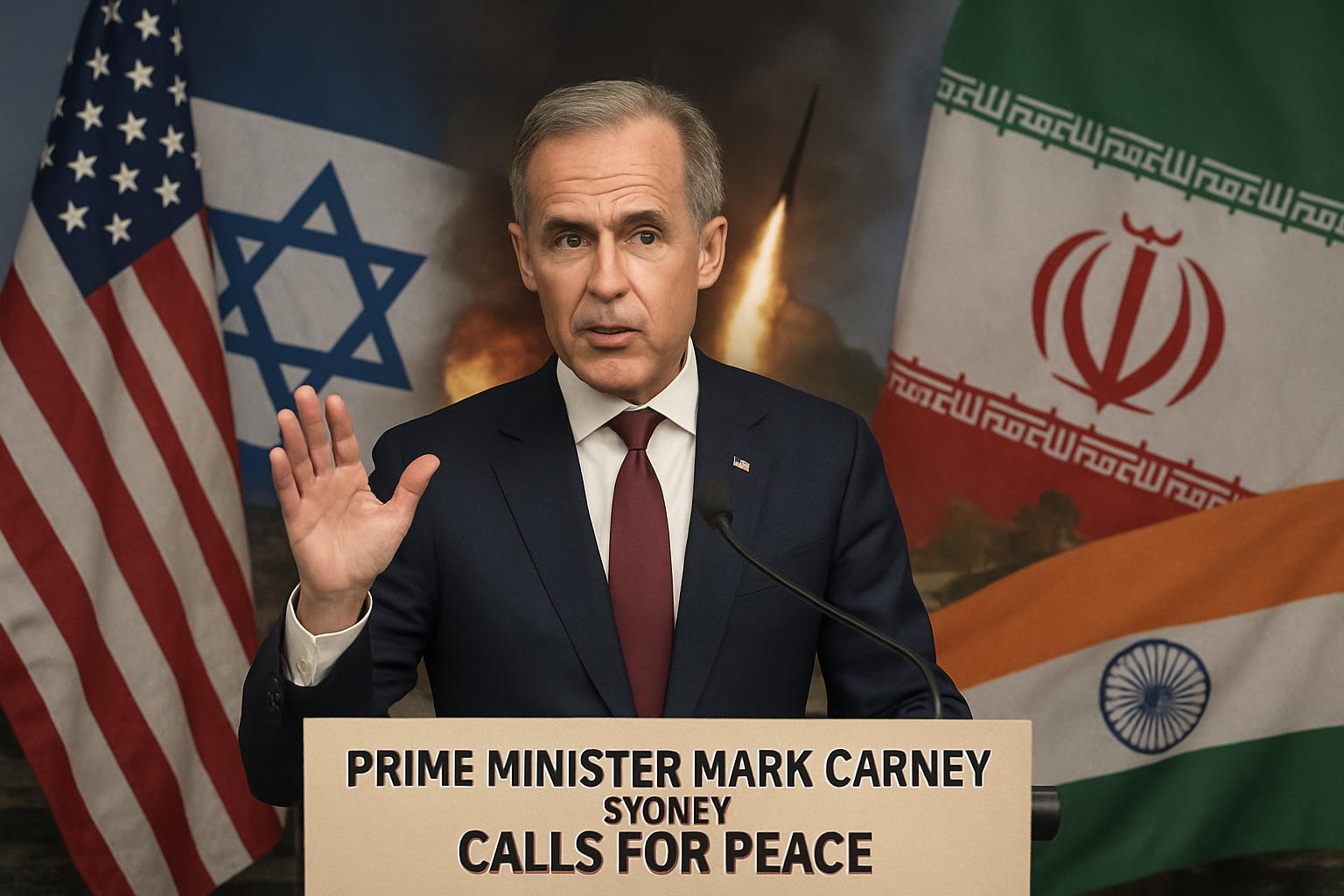
Canada Calls for De-escalation Amid US-Israel Strikes on Iran

Canada and Australia Forge Strategic Partnership Amid Global Uncertainty

Canadian Leaders Unite in Grief at Tumbler Ridge Vigil for Shooting Victims

Canada Mourns as Tumbler Ridge Mass Shooting Sparks Gun Law Debate

Tragedy Strikes Tumbler Ridge: Mass Shooting Leaves 10 Dead in British Columbia
Controversial Alberta Oil Pipeline Deal Sparks Political Turmoil
In This Article
HIGHLIGHTS
- Prime Minister Mark Carney signed a deal with Alberta to develop an oil pipeline to the Pacific, sparking political controversy.
- The agreement exempts the pipeline from certain federal climate laws, requiring Alberta to enhance carbon pricing and develop a carbon capture program.
- British Columbia Premier David Eby opposes the project, citing lack of consultation and environmental concerns.
- Federal Culture Minister Steven Guilbeault resigned in protest, highlighting potential environmental impacts and lack of Indigenous consultation.
- The pipeline project lacks private backing and faces significant opposition from First Nations communities.
In a move that has ignited political controversy, Canadian Prime Minister Mark Carney has signed an agreement with Alberta to develop a new oil pipeline to the Pacific coast. The deal, which aims to boost Canada's oil exports to Asian markets, has already faced significant opposition from environmentalists and political figures.
Political Fallout and Resignations
The announcement of the pipeline agreement quickly led to the resignation of Steven Guilbeault, the federal culture minister and former environment minister. Guilbeault, a long-time environmental advocate, expressed his strong opposition to the project, citing its potential environmental impacts and the lack of consultation with Indigenous communities. "This decision was made with great sadness," Guilbeault stated, emphasizing his commitment to environmental values.
Alberta's Economic Ambitions
Alberta Premier Danielle Smith hailed the agreement as a "great day for Alberta," highlighting its potential to attract investment and transform the province's economy. The deal requires Alberta to increase its carbon pricing and invest in a large-scale carbon capture program, while exempting the pipeline from certain federal climate regulations. Carney described the agreement as a step towards an industrial transformation, involving not just the pipeline but also nuclear power and data centers.
Opposition from British Columbia
British Columbia Premier David Eby has voiced strong opposition to the pipeline, criticizing the lack of consultation with his province and Indigenous communities. Eby expressed concerns over the environmental risks, particularly the potential impact on the Great Bear Rainforest and the increased risk of oil tanker accidents along the coast. "It would have been good for BC to be at the table," Eby remarked, highlighting the exclusion of his province from the negotiations.
Challenges Ahead
Despite the agreement, the pipeline project faces significant hurdles. It currently lacks private sector backing and has not secured buy-in from First Nations communities, both critical for its advancement. The Alberta government has pledged C$14 million to develop a proposal, hoping to attract private investment in the future.
WHAT THIS MIGHT MEAN
The future of the Alberta oil pipeline deal remains uncertain, with significant political and environmental challenges ahead. The lack of private backing and Indigenous support could stall the project, while opposition from British Columbia may lead to legal battles. Experts suggest that Carney's government will need to engage in extensive consultations with all stakeholders to address these concerns and move forward. The deal's impact on Canada's climate goals and its relationship with Indigenous communities will be closely scrutinized in the coming months, potentially shaping the country's energy policy for years to come.
Related Articles
Alberta Separatists' US Talks Stir Controversy Over Canadian Sovereignty
Canada Calls for De-escalation Amid US-Israel Strikes on Iran
Canada and Australia Forge Strategic Partnership Amid Global Uncertainty
Canadian Leaders Unite in Grief at Tumbler Ridge Vigil for Shooting Victims
Canada Mourns as Tumbler Ridge Mass Shooting Sparks Gun Law Debate
Tragedy Strikes Tumbler Ridge: Mass Shooting Leaves 10 Dead in British Columbia