
Mark Carney Stands Firm on Davos Speech Amid US-Canada Tensions

In This Article
HIGHLIGHTS
- Canadian Prime Minister Mark Carney reaffirmed his Davos speech criticizing global power dynamics, despite claims he retracted it in a call with President Trump.
- Carney and Trump discussed various geopolitical issues, including the USMCA trade agreement, which is due for review.
- US Treasury Secretary Scott Bessent criticized Canada's trade negotiations with China, warning of potential US tariffs.
- Malcolm Turnbull urged Australian Prime Minister Anthony Albanese to recognize the global political shift under Trump's leadership.
- Turnbull highlighted the need for Australia to reassess its reliance on the US amid changing international dynamics.
Canadian Prime Minister Mark Carney has reiterated his stance on global power dynamics following his controversial speech at the World Economic Forum in Davos. Despite US Treasury Secretary Scott Bessent's claims that Carney had "aggressively" walked back his remarks in a phone call with President Donald Trump, Carney confirmed his commitment to the speech's message. "To be absolutely clear, and I said this to the president, I meant what I said in Davos," Carney stated, emphasizing the need to address the "rupture" in the postwar world order.
US-Canada Trade Relations Under Scrutiny
During their conversation, Carney and Trump discussed a range of geopolitical issues, including the USMCA trade agreement, which is set for a mandatory review later this year. Carney highlighted Canada's proactive response to changes in US trade policy, asserting that President Trump understood Canada's position. However, tensions have arisen over Canada's trade negotiations with China, which Bessent criticized, warning of potential 100% tariffs on Canadian goods if Chinese products bypass US levies. Carney clarified that Canada is not pursuing a free-trade deal with China, dismissing such claims as unfounded.
Australia Urged to Recognize Global Political Shift
Meanwhile, former Australian Prime Minister Malcolm Turnbull has called on current Prime Minister Anthony Albanese to acknowledge the significant global political shift under Trump's leadership. Turnbull praised Carney's Davos speech for its candid analysis and urged Albanese to deliver a similar address, recognizing the changing dynamics. "Australians can see that the United States under Trump is not the United States we’d grown up to know and respect," Turnbull remarked, emphasizing the need for Australia to reassess its reliance on the US.
WHAT THIS MIGHT MEAN
As the USMCA trade agreement review approaches, Canada may face increased pressure to align its trade policies with US interests, particularly concerning China. Carney's firm stance on global power dynamics could influence other world leaders to adopt a more critical approach to US policies under Trump. In Australia, Turnbull's call for a reassessment of US relations may prompt Albanese to address the nation's strategic positioning in a rapidly evolving geopolitical landscape. These developments could lead to a broader reevaluation of international alliances and trade agreements in the face of shifting global power structures.
Related Articles
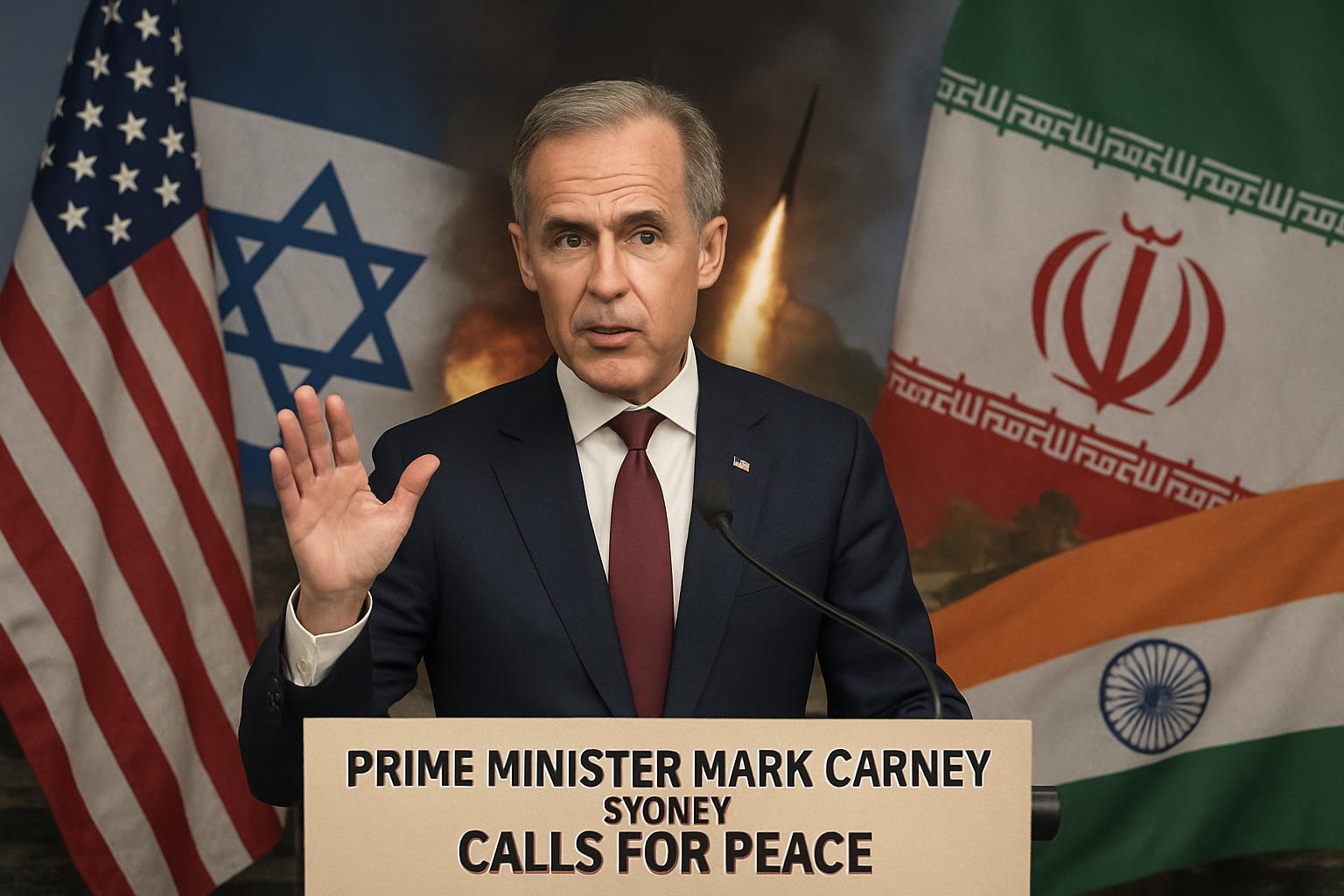
Canada Calls for De-escalation Amid US-Israel Strikes on Iran
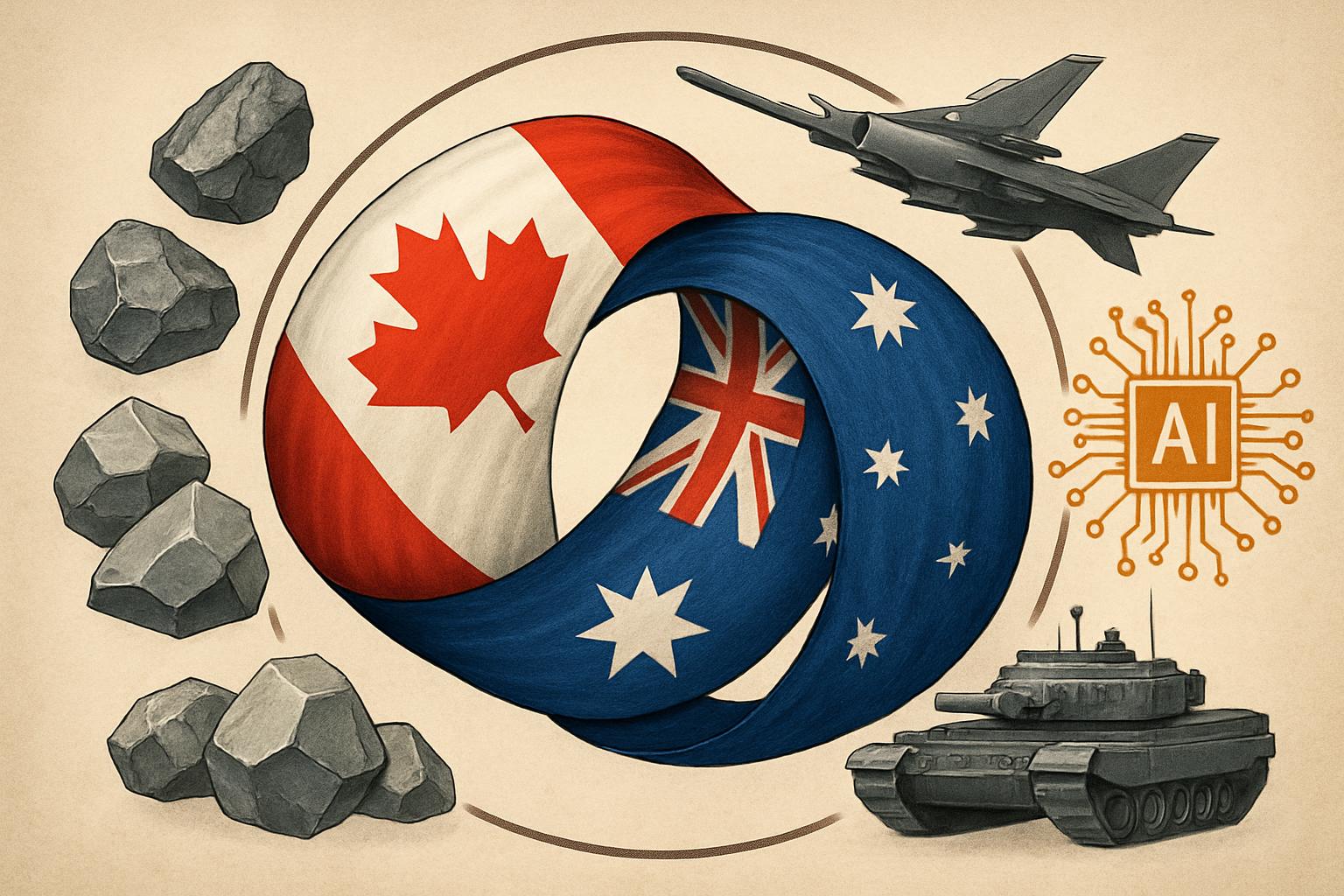
Canada and Australia Forge Strategic Partnership Amid Global Uncertainty

UK Faces Dilemmas Amid Iran Conflict and China Spying Allegations
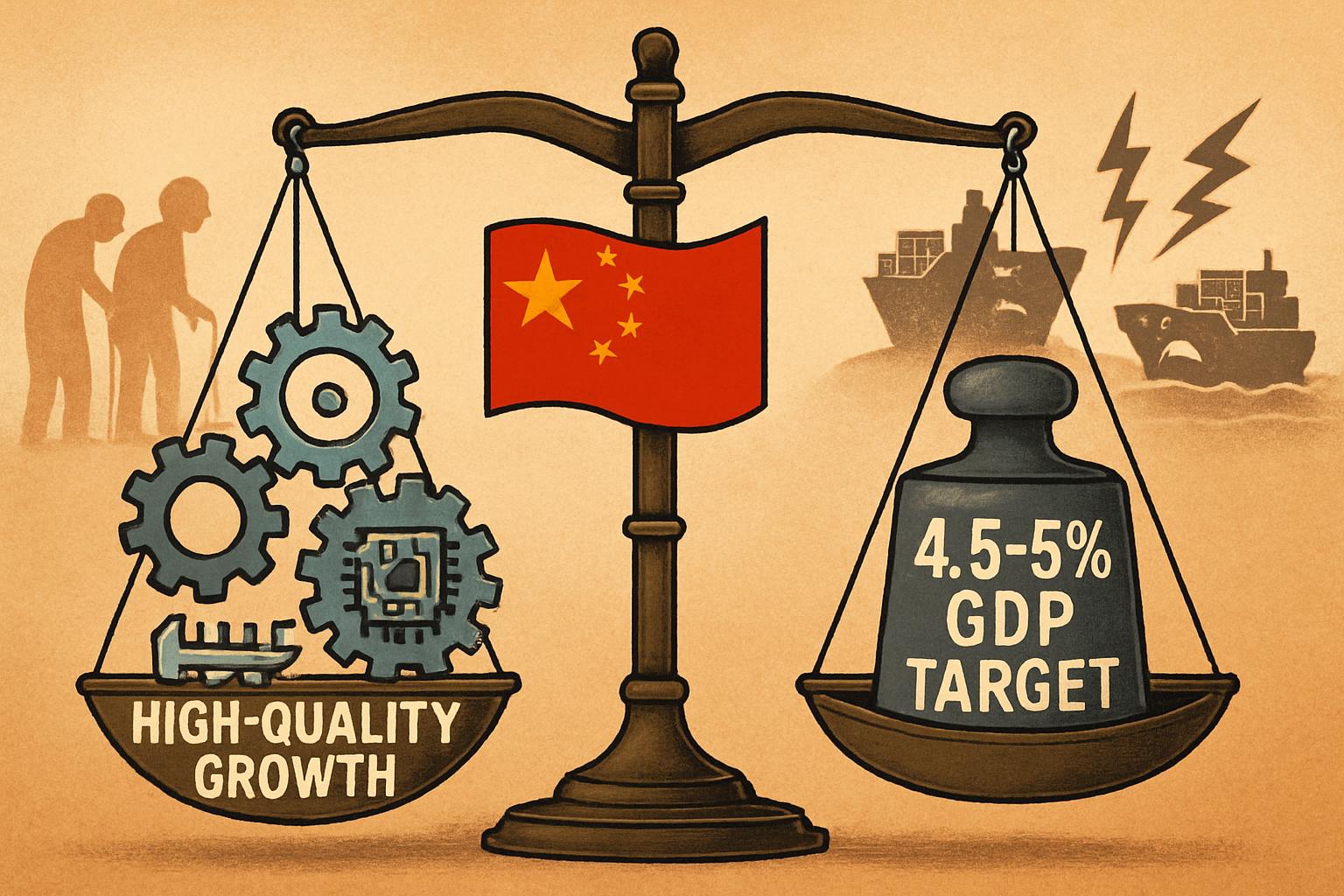
China Sets Lowest GDP Growth Target in Decades Amid Economic Challenges
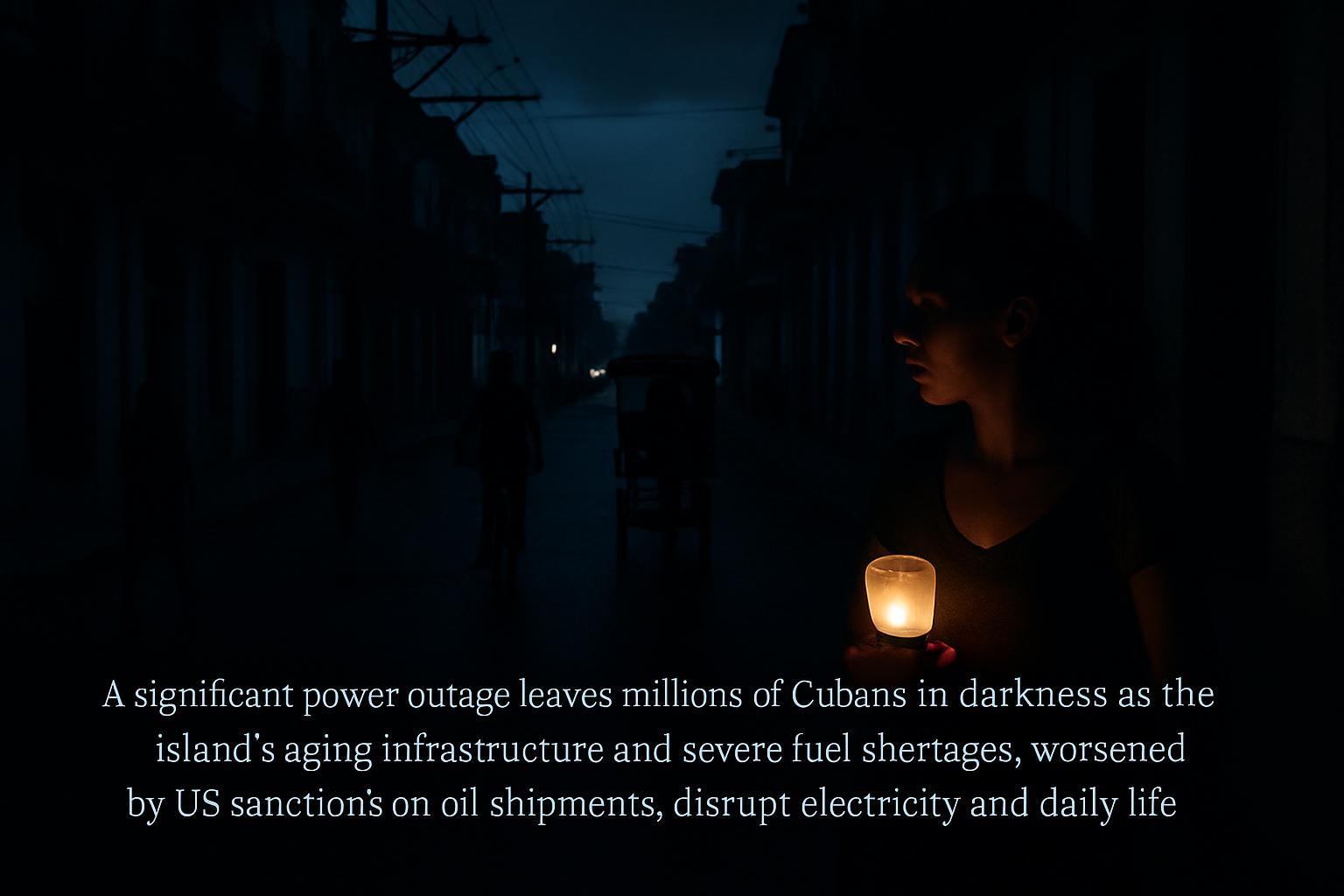
Cuba Faces Widespread Blackout Amid Deepening Fuel Crisis

Tech Giants Pledge to Cover AI Data Center Energy Costs Amid Rising Electricity Concerns
Mark Carney Stands Firm on Davos Speech Amid US-Canada Tensions
In This Article
HIGHLIGHTS
- Canadian Prime Minister Mark Carney reaffirmed his Davos speech criticizing global power dynamics, despite claims he retracted it in a call with President Trump.
- Carney and Trump discussed various geopolitical issues, including the USMCA trade agreement, which is due for review.
- US Treasury Secretary Scott Bessent criticized Canada's trade negotiations with China, warning of potential US tariffs.
- Malcolm Turnbull urged Australian Prime Minister Anthony Albanese to recognize the global political shift under Trump's leadership.
- Turnbull highlighted the need for Australia to reassess its reliance on the US amid changing international dynamics.
Canadian Prime Minister Mark Carney has reiterated his stance on global power dynamics following his controversial speech at the World Economic Forum in Davos. Despite US Treasury Secretary Scott Bessent's claims that Carney had "aggressively" walked back his remarks in a phone call with President Donald Trump, Carney confirmed his commitment to the speech's message. "To be absolutely clear, and I said this to the president, I meant what I said in Davos," Carney stated, emphasizing the need to address the "rupture" in the postwar world order.
US-Canada Trade Relations Under Scrutiny
During their conversation, Carney and Trump discussed a range of geopolitical issues, including the USMCA trade agreement, which is set for a mandatory review later this year. Carney highlighted Canada's proactive response to changes in US trade policy, asserting that President Trump understood Canada's position. However, tensions have arisen over Canada's trade negotiations with China, which Bessent criticized, warning of potential 100% tariffs on Canadian goods if Chinese products bypass US levies. Carney clarified that Canada is not pursuing a free-trade deal with China, dismissing such claims as unfounded.
Australia Urged to Recognize Global Political Shift
Meanwhile, former Australian Prime Minister Malcolm Turnbull has called on current Prime Minister Anthony Albanese to acknowledge the significant global political shift under Trump's leadership. Turnbull praised Carney's Davos speech for its candid analysis and urged Albanese to deliver a similar address, recognizing the changing dynamics. "Australians can see that the United States under Trump is not the United States we’d grown up to know and respect," Turnbull remarked, emphasizing the need for Australia to reassess its reliance on the US.
WHAT THIS MIGHT MEAN
As the USMCA trade agreement review approaches, Canada may face increased pressure to align its trade policies with US interests, particularly concerning China. Carney's firm stance on global power dynamics could influence other world leaders to adopt a more critical approach to US policies under Trump. In Australia, Turnbull's call for a reassessment of US relations may prompt Albanese to address the nation's strategic positioning in a rapidly evolving geopolitical landscape. These developments could lead to a broader reevaluation of international alliances and trade agreements in the face of shifting global power structures.
Related Articles
Canada Calls for De-escalation Amid US-Israel Strikes on Iran
Canada and Australia Forge Strategic Partnership Amid Global Uncertainty
UK Faces Dilemmas Amid Iran Conflict and China Spying Allegations
China Sets Lowest GDP Growth Target in Decades Amid Economic Challenges
Cuba Faces Widespread Blackout Amid Deepening Fuel Crisis
Tech Giants Pledge to Cover AI Data Center Energy Costs Amid Rising Electricity Concerns