
Andrew Rosindell Joins Reform UK Amidst Conservative Party Turmoil

In This Article
HIGHLIGHTS
- Andrew Rosindell, MP for Romford, has defected from the Conservative Party to Reform UK, citing dissatisfaction with the handling of the Chagos Islands sovereignty issue.
- Rosindell's defection follows that of Robert Jenrick, making him the third sitting Conservative MP to join Reform UK, which now has seven MPs.
- The move highlights growing tensions within the Conservative Party, with some members criticizing defectors as "self-serving."
- Reform UK, led by Nigel Farage, is gaining traction, becoming the joint fifth largest party in the Commons alongside Sinn Fein.
- Rosindell has been a long-term advocate for the rights of Chagossians and criticizes both major parties for their role in the Chagos Islands decision.
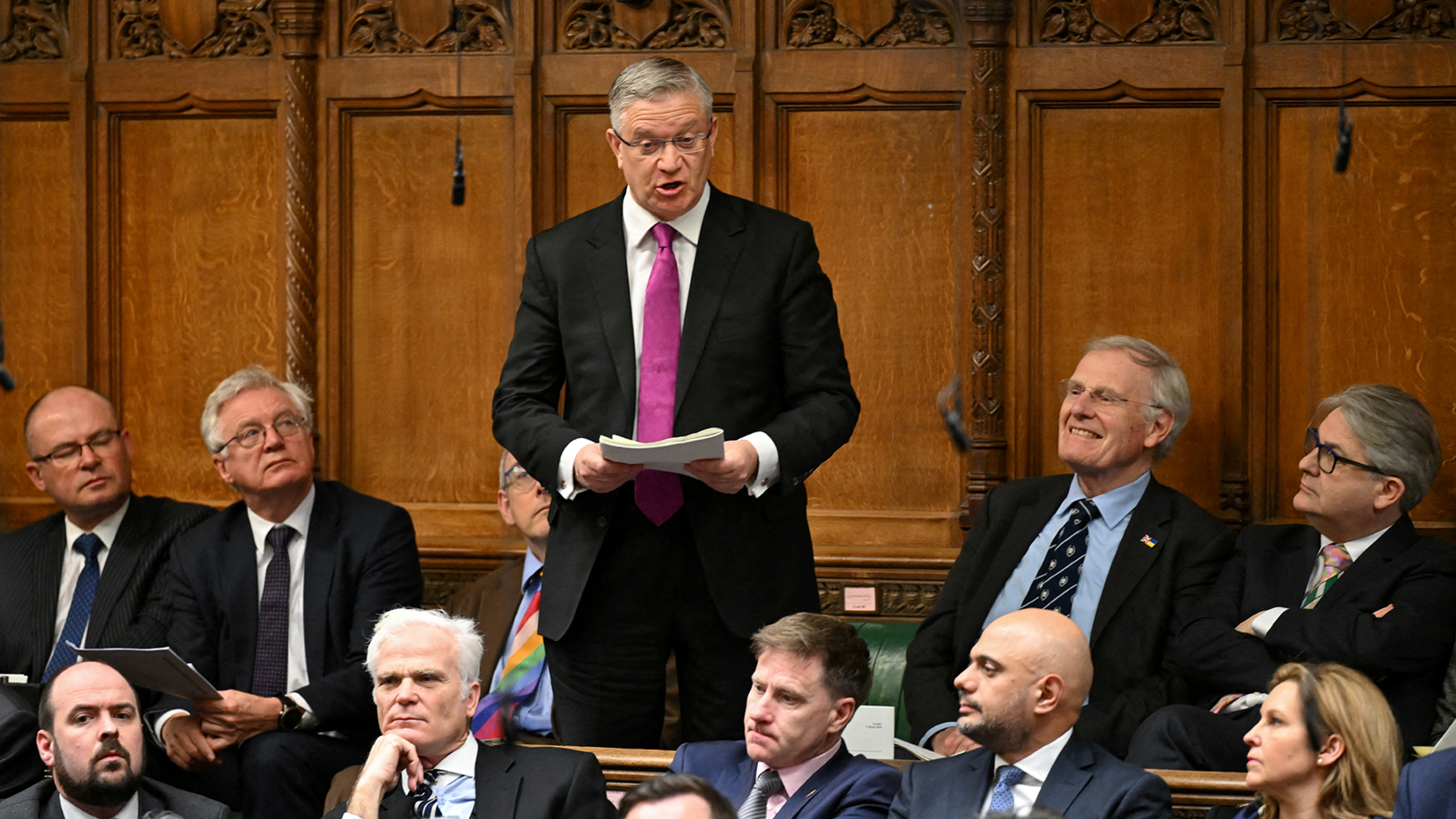
Andrew Rosindell, the long-serving MP for Romford, has announced his resignation from the Conservative Party to join Reform UK, marking a significant shift in the UK's political landscape. Rosindell's defection is the latest in a series of high-profile exits from the Conservative Party, underscoring growing dissatisfaction among some members with the party's direction.
A Growing Movement
Rosindell's decision to join Reform UK, led by Nigel Farage, comes on the heels of Robert Jenrick's defection, making Rosindell the third sitting Conservative MP to switch allegiance to the burgeoning party. Reform UK now boasts seven MPs, positioning it as the joint fifth largest party in the House of Commons, alongside Sinn Fein.
The Chagos Islands Controversy
Central to Rosindell's departure is his opposition to the UK's decision to transfer sovereignty of the Chagos Islands to Mauritius. In a statement on X, Rosindell criticized both Labour and Conservative parties for their role in what he described as the "surrender of this sovereign British territory." He emphasized the need for "radical action" to reverse past decisions and prioritize the interests of the British people.
Internal Party Reactions
The defection has sparked mixed reactions within the Conservative Party. Shadow Welsh Secretary Mims Davies labeled the defectors as "self-serving," questioning their motives and criticizing their alignment with Reform UK's populist stance. A Conservative source expressed disappointment, accusing Rosindell of betraying his colleagues and supporters.
A Shift in Political Dynamics
Rosindell's move reflects a broader trend of discontent within the Conservative ranks, with approximately 20 former Tory MPs having already joined Reform UK. This shift highlights the party's internal challenges and the appeal of Reform UK's platform to certain segments of the political spectrum.
WHAT THIS MIGHT MEAN
The defection of Andrew Rosindell to Reform UK could signal a period of increased volatility within the Conservative Party, potentially leading to further defections if internal divisions are not addressed. As Reform UK gains momentum, it may influence the broader political discourse, particularly on issues like national sovereignty and accountability. Experts suggest that the Conservative Party may need to reassess its strategies and policies to prevent further erosion of its base. Meanwhile, Reform UK's growing presence in Parliament could alter legislative dynamics, especially if it continues to attract disillusioned MPs from other parties.
Images from the Web
Related Articles

Reform UK Aims to Reshape Welsh Politics with New Manifesto
Reform UK to Reinstate Two-Child Benefit Cap Amidst Political Controversy
Government U-turn Forces Local Elections in Lancashire and Essex Amid Reorganisation Plans

UK Government to Reform Asylum Seeker Support and Employment Policies

Labour MP's Husband Arrested in UK-China Espionage Probe

UK Denies US Use of Military Bases for Potential Iran Strikes Amid Chagos Islands Dispute
Andrew Rosindell Joins Reform UK Amidst Conservative Party Turmoil
In This Article
 Alex Carter| Published
 HIGHLIGHTS
- Andrew Rosindell, MP for Romford, has defected from the Conservative Party to Reform UK, citing dissatisfaction with the handling of the Chagos Islands sovereignty issue.
- Rosindell's defection follows that of Robert Jenrick, making him the third sitting Conservative MP to join Reform UK, which now has seven MPs.
- The move highlights growing tensions within the Conservative Party, with some members criticizing defectors as "self-serving."
- Reform UK, led by Nigel Farage, is gaining traction, becoming the joint fifth largest party in the Commons alongside Sinn Fein.
- Rosindell has been a long-term advocate for the rights of Chagossians and criticizes both major parties for their role in the Chagos Islands decision.
Andrew Rosindell, the long-serving MP for Romford, has announced his resignation from the Conservative Party to join Reform UK, marking a significant shift in the UK's political landscape. Rosindell's defection is the latest in a series of high-profile exits from the Conservative Party, underscoring growing dissatisfaction among some members with the party's direction.
A Growing Movement
Rosindell's decision to join Reform UK, led by Nigel Farage, comes on the heels of Robert Jenrick's defection, making Rosindell the third sitting Conservative MP to switch allegiance to the burgeoning party. Reform UK now boasts seven MPs, positioning it as the joint fifth largest party in the House of Commons, alongside Sinn Fein.
The Chagos Islands Controversy
Central to Rosindell's departure is his opposition to the UK's decision to transfer sovereignty of the Chagos Islands to Mauritius. In a statement on X, Rosindell criticized both Labour and Conservative parties for their role in what he described as the "surrender of this sovereign British territory." He emphasized the need for "radical action" to reverse past decisions and prioritize the interests of the British people.
Internal Party Reactions
The defection has sparked mixed reactions within the Conservative Party. Shadow Welsh Secretary Mims Davies labeled the defectors as "self-serving," questioning their motives and criticizing their alignment with Reform UK's populist stance. A Conservative source expressed disappointment, accusing Rosindell of betraying his colleagues and supporters.
A Shift in Political Dynamics
Rosindell's move reflects a broader trend of discontent within the Conservative ranks, with approximately 20 former Tory MPs having already joined Reform UK. This shift highlights the party's internal challenges and the appeal of Reform UK's platform to certain segments of the political spectrum.
WHAT THIS MIGHT MEAN
The defection of Andrew Rosindell to Reform UK could signal a period of increased volatility within the Conservative Party, potentially leading to further defections if internal divisions are not addressed. As Reform UK gains momentum, it may influence the broader political discourse, particularly on issues like national sovereignty and accountability. Experts suggest that the Conservative Party may need to reassess its strategies and policies to prevent further erosion of its base. Meanwhile, Reform UK's growing presence in Parliament could alter legislative dynamics, especially if it continues to attract disillusioned MPs from other parties.
Images from the Web
Related Articles
Reform UK Aims to Reshape Welsh Politics with New Manifesto
Reform UK to Reinstate Two-Child Benefit Cap Amidst Political Controversy
Government U-turn Forces Local Elections in Lancashire and Essex Amid Reorganisation Plans
UK Government to Reform Asylum Seeker Support and Employment Policies
Labour MP's Husband Arrested in UK-China Espionage Probe
UK Denies US Use of Military Bases for Potential Iran Strikes Amid Chagos Islands Dispute