
Reform UK Pledges to Retain and Reform Budget Watchdog Amid Leadership Changes
In This Article
HIGHLIGHTS
- Reform UK plans to retain and reform the Office for Budget Responsibility (OBR) if it wins the next general election, signaling a commitment to fiscal discipline.
- Robert Jenrick, a former Conservative minister, has been named as Reform UK's pick for chancellor, aiming to restore economic stability and reduce taxes.
- Nigel Farage unveiled a new frontbench team, including recent Conservative defectors, to counter claims that Reform UK is a "one-man band."
- Suella Braverman, another defector, will focus on education and equalities, proposing to repeal the Equality Act and promote trades over university education.
- Reform UK is leading in national opinion polls, but its lead over Labour has begun to narrow, according to recent surveys.
Reform UK, under the leadership of Nigel Farage, has announced plans to retain and reform the Office for Budget Responsibility (OBR) if it secures victory in the next general election. This move comes as part of a broader strategy to reassure financial markets and establish the party's credibility in managing the UK's economic policy.
Commitment to Fiscal Discipline
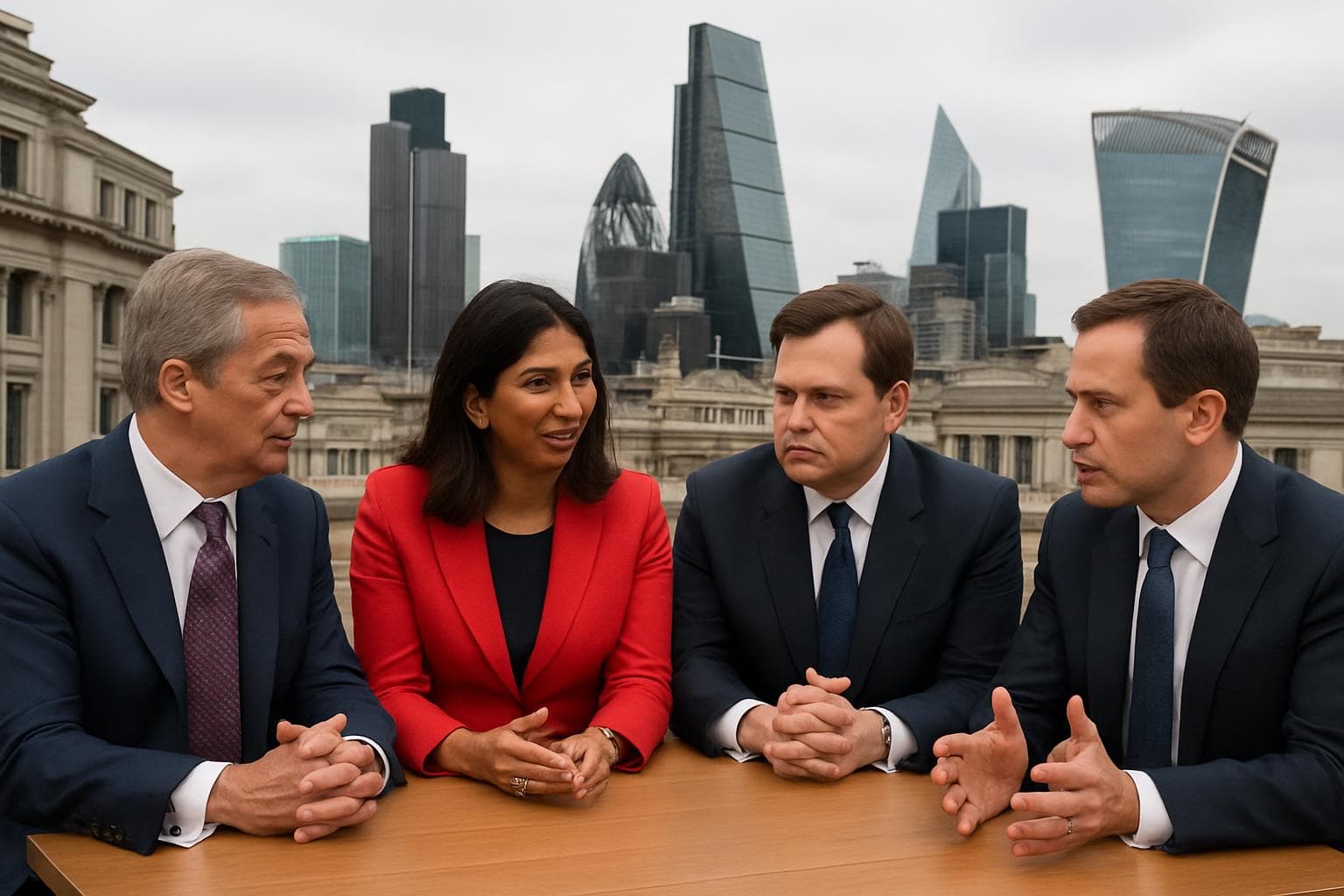
Robert Jenrick, recently appointed as Reform UK's choice for chancellor, emphasized the importance of the OBR in maintaining fiscal discipline. Speaking in the City of London, Jenrick acknowledged the watchdog's imperfections but underscored its role in instilling financial responsibility. "Rather than abolish it, we will reform it," he stated, promising to introduce diversity of opinion and competitive salaries for superforecasters within the OBR.
Jenrick also defended the independence of the Bank of England, while criticizing its handling of inflation. He pledged to focus on keeping inflation low to reduce household bills, a key concern for many voters.
New Leadership Team Unveiled
In a bid to dispel perceptions of being a "one-man band," Farage unveiled a new frontbench team, including former Conservative ministers Robert Jenrick and Suella Braverman. Braverman, tasked with education and equalities, announced plans to repeal the Equality Act and shift focus towards vocational training, aiming for 50% of young people to enter trades.
Richard Tice, Reform UK's deputy leader, has been assigned a combined brief of business, trade, and energy policy. Tice, known for his skepticism towards net-zero targets, will prioritize economic growth through traditional energy sources.
Polls and Political Dynamics
Reform UK has consistently led in national opinion polls, positioning itself as a significant opposition force. However, recent surveys indicate a narrowing lead over Labour, highlighting the competitive political landscape. Farage remains confident in his team's ability to challenge the status quo, stating, "Reform now has its own senior characters with their own departments to lead."
WHAT THIS MIGHT MEAN
As Reform UK positions itself for potential governance, its economic policies and leadership choices will be closely scrutinized. The decision to retain and reform the OBR suggests a commitment to fiscal responsibility, which may appeal to voters concerned about economic stability. However, the party's stance on issues like the Equality Act and net-zero targets could provoke debate and influence public opinion.
The narrowing lead in polls suggests that Reform UK must continue to refine its policies and messaging to maintain its competitive edge. The party's ability to present a united front, despite recent defections and leadership changes, will be crucial in the run-up to the next general election. As the political landscape evolves, Reform UK's strategies and decisions will play a pivotal role in shaping the UK's future economic and social policies.
Related Articles
Reform UK to Reinstate Two-Child Benefit Cap Amidst Political Controversy
Starmer Condemns Reform UK's Plan to Repeal Equality Act as Un-British
UK Achieves Record Budget Surplus Amid Calls for Fiscal Policy Reform
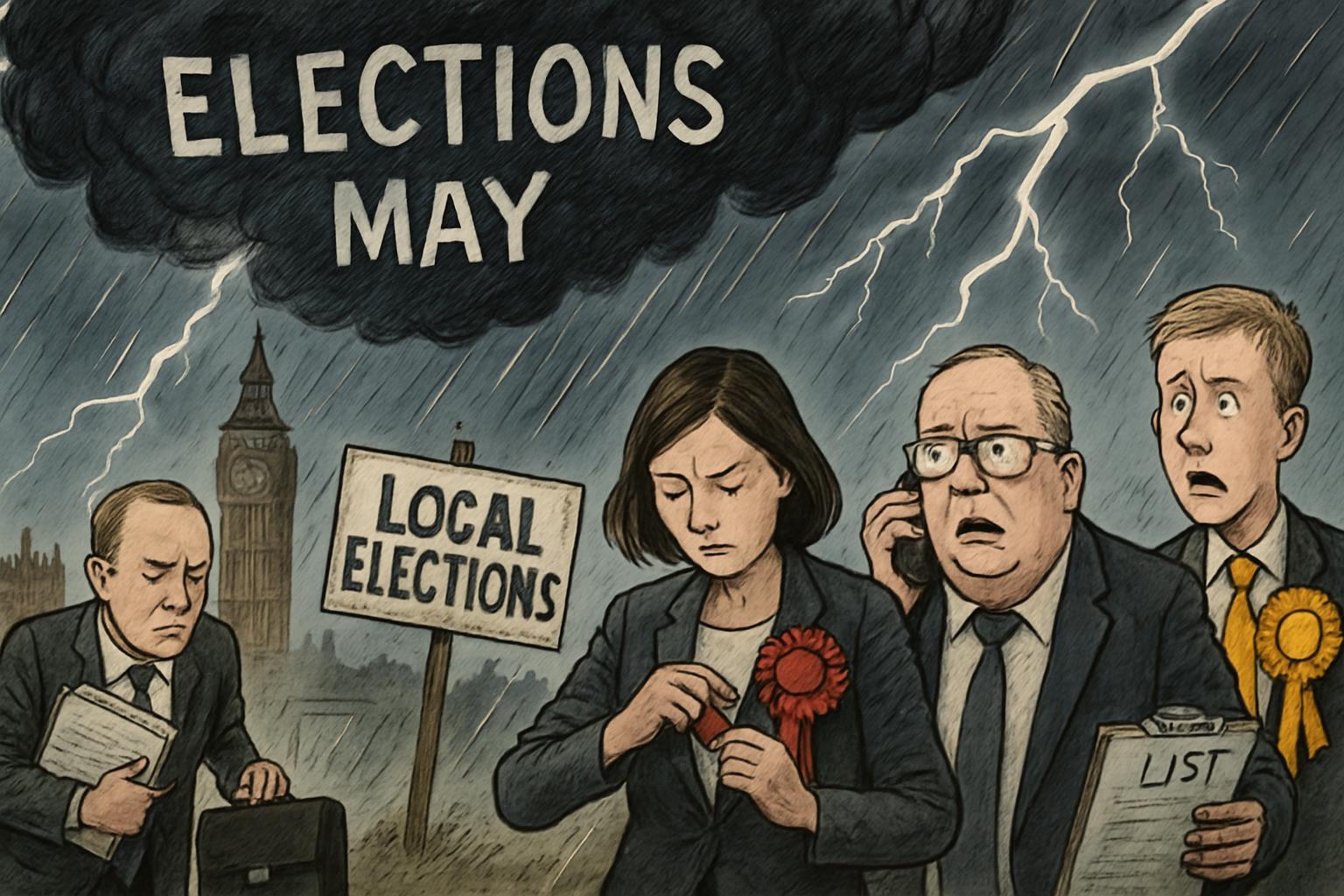
Government U-turn on Local Election Delays Sparks Political Fallout
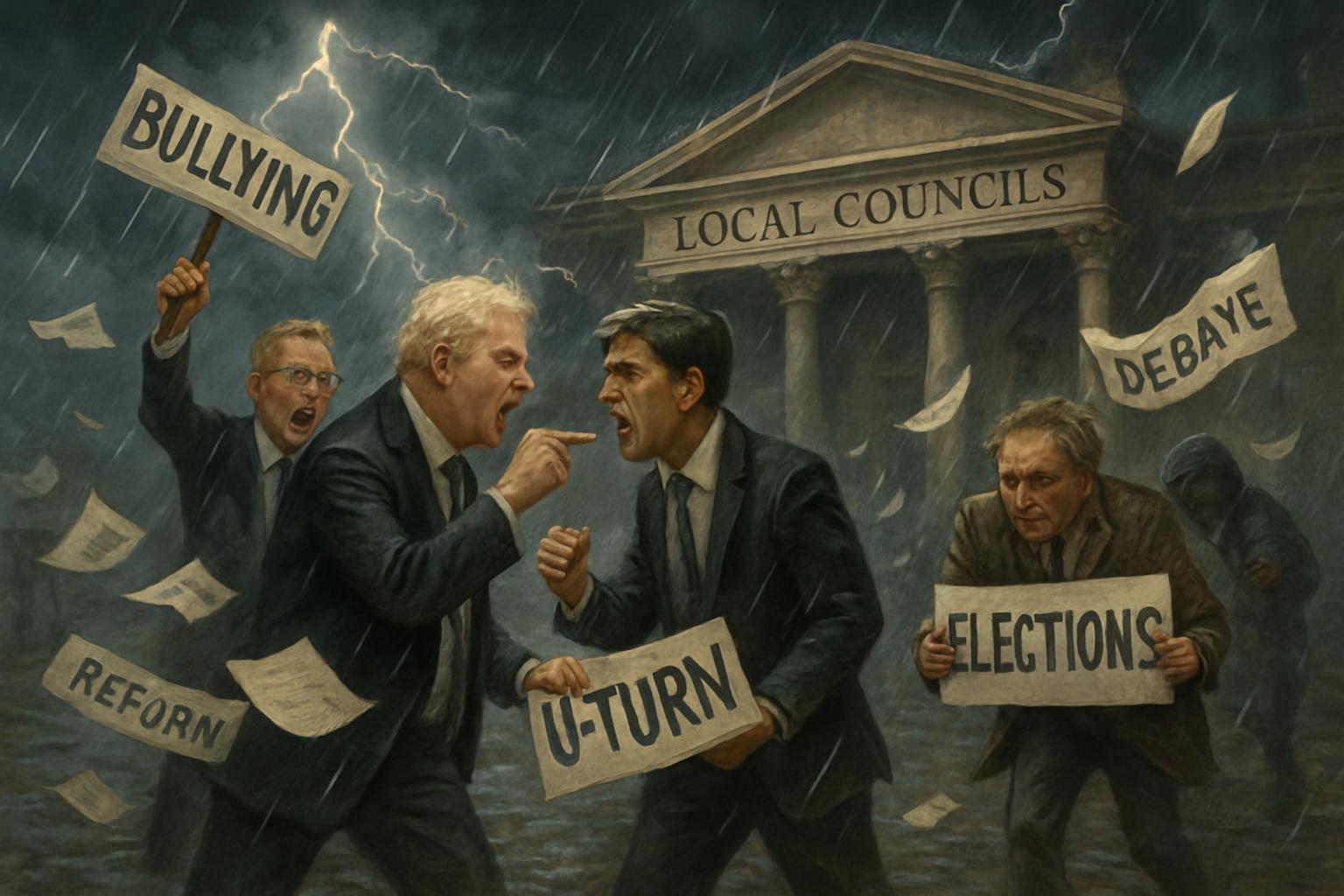
Government U-turn on Election Delays Sparks Local Council Turmoil
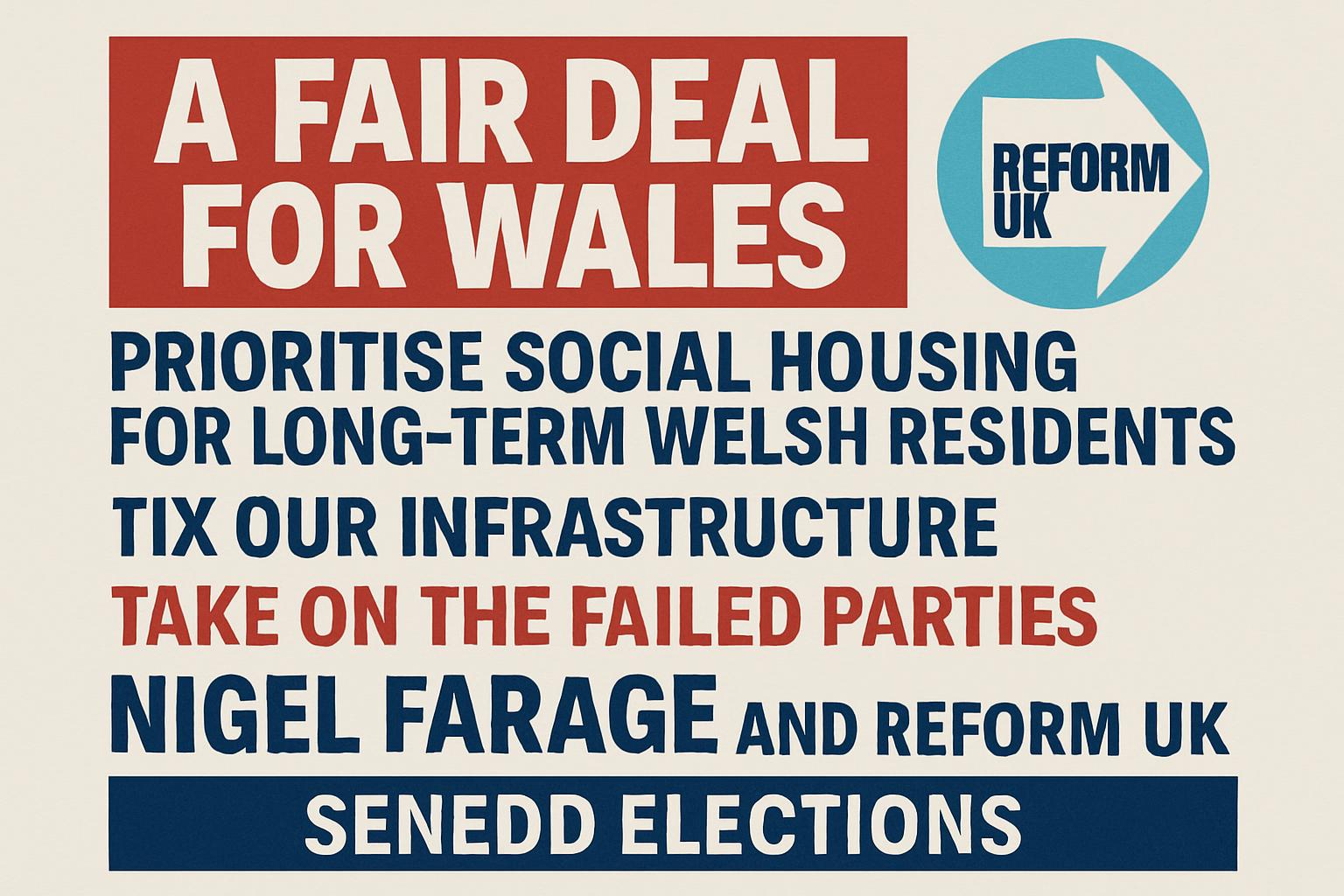
Reform UK Aims to Reshape Welsh Politics with New Manifesto
Reform UK Pledges to Retain and Reform Budget Watchdog Amid Leadership Changes
In This Article
 Daniel Rivera| Published
 HIGHLIGHTS
- Reform UK plans to retain and reform the Office for Budget Responsibility (OBR) if it wins the next general election, signaling a commitment to fiscal discipline.
- Robert Jenrick, a former Conservative minister, has been named as Reform UK's pick for chancellor, aiming to restore economic stability and reduce taxes.
- Nigel Farage unveiled a new frontbench team, including recent Conservative defectors, to counter claims that Reform UK is a "one-man band."
- Suella Braverman, another defector, will focus on education and equalities, proposing to repeal the Equality Act and promote trades over university education.
- Reform UK is leading in national opinion polls, but its lead over Labour has begun to narrow, according to recent surveys.
Reform UK, under the leadership of Nigel Farage, has announced plans to retain and reform the Office for Budget Responsibility (OBR) if it secures victory in the next general election. This move comes as part of a broader strategy to reassure financial markets and establish the party's credibility in managing the UK's economic policy.
Commitment to Fiscal Discipline
Robert Jenrick, recently appointed as Reform UK's choice for chancellor, emphasized the importance of the OBR in maintaining fiscal discipline. Speaking in the City of London, Jenrick acknowledged the watchdog's imperfections but underscored its role in instilling financial responsibility. "Rather than abolish it, we will reform it," he stated, promising to introduce diversity of opinion and competitive salaries for superforecasters within the OBR.
Jenrick also defended the independence of the Bank of England, while criticizing its handling of inflation. He pledged to focus on keeping inflation low to reduce household bills, a key concern for many voters.
New Leadership Team Unveiled
In a bid to dispel perceptions of being a "one-man band," Farage unveiled a new frontbench team, including former Conservative ministers Robert Jenrick and Suella Braverman. Braverman, tasked with education and equalities, announced plans to repeal the Equality Act and shift focus towards vocational training, aiming for 50% of young people to enter trades.
Richard Tice, Reform UK's deputy leader, has been assigned a combined brief of business, trade, and energy policy. Tice, known for his skepticism towards net-zero targets, will prioritize economic growth through traditional energy sources.
Polls and Political Dynamics
Reform UK has consistently led in national opinion polls, positioning itself as a significant opposition force. However, recent surveys indicate a narrowing lead over Labour, highlighting the competitive political landscape. Farage remains confident in his team's ability to challenge the status quo, stating, "Reform now has its own senior characters with their own departments to lead."
WHAT THIS MIGHT MEAN
As Reform UK positions itself for potential governance, its economic policies and leadership choices will be closely scrutinized. The decision to retain and reform the OBR suggests a commitment to fiscal responsibility, which may appeal to voters concerned about economic stability. However, the party's stance on issues like the Equality Act and net-zero targets could provoke debate and influence public opinion.
The narrowing lead in polls suggests that Reform UK must continue to refine its policies and messaging to maintain its competitive edge. The party's ability to present a united front, despite recent defections and leadership changes, will be crucial in the run-up to the next general election. As the political landscape evolves, Reform UK's strategies and decisions will play a pivotal role in shaping the UK's future economic and social policies.
Related Articles
Reform UK to Reinstate Two-Child Benefit Cap Amidst Political Controversy
Starmer Condemns Reform UK's Plan to Repeal Equality Act as Un-British
UK Achieves Record Budget Surplus Amid Calls for Fiscal Policy Reform
Government U-turn on Local Election Delays Sparks Political Fallout
Government U-turn on Election Delays Sparks Local Council Turmoil
Reform UK Aims to Reshape Welsh Politics with New Manifesto