
Apple and Google Agree to UK App Store Changes Amid Market Dominance Concerns
In This Article
HIGHLIGHTS
- Apple and Google have agreed to changes in their UK app store operations following a UK Competition and Markets Authority (CMA) intervention.
- The tech giants committed to not discriminating against third-party apps and to being more transparent about app approval processes.
- The CMA identified Apple and Google's "strategic market status" in October 2025, allowing it to demand changes to promote competition.
- The commitments, effective from April 1, do not address the contentious app store fees of up to 30% charged to developers.
- The CMA will monitor the implementation of these commitments and may impose formal changes if necessary.
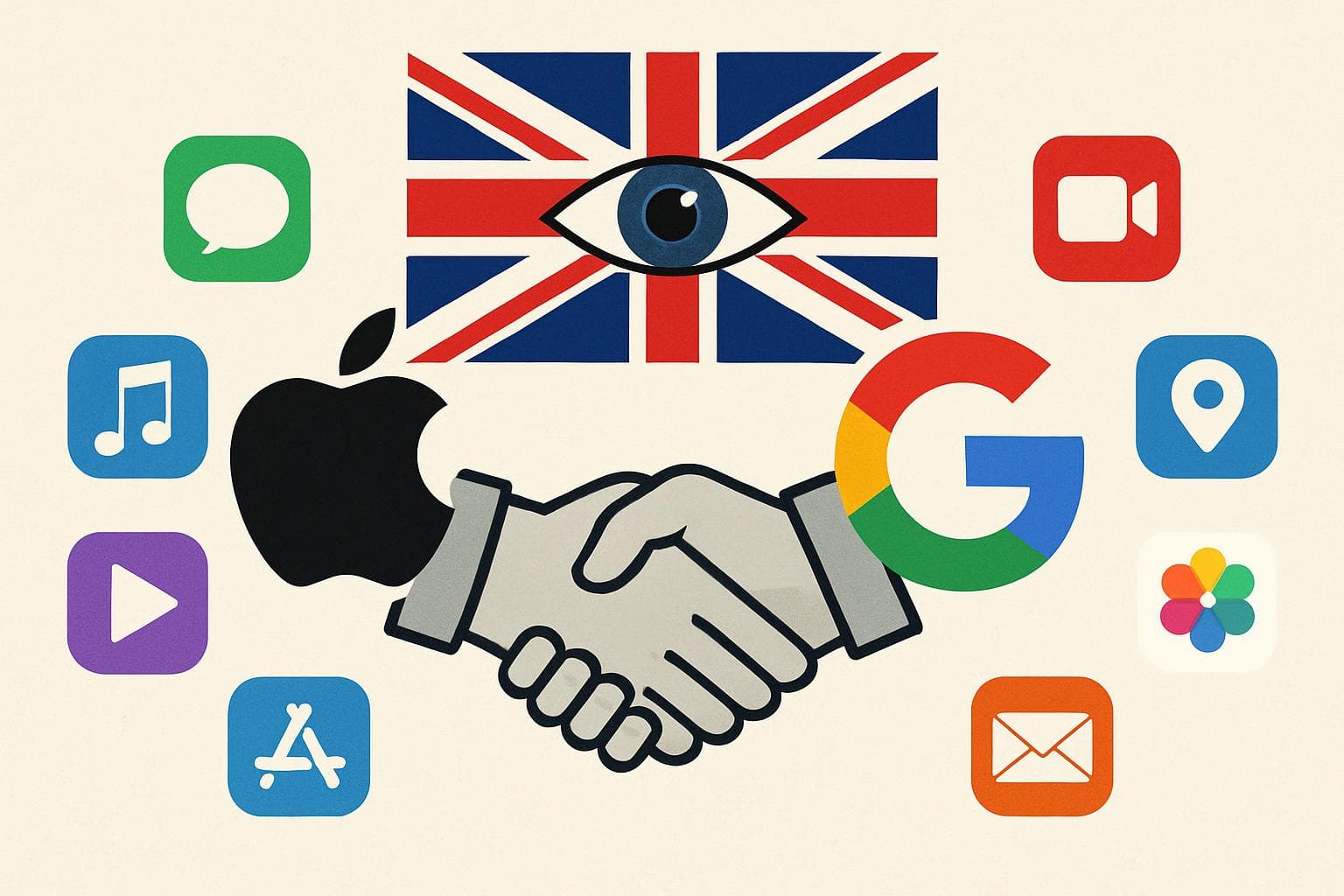
Apple and Google have pledged to implement significant changes to their app store operations in the UK, following an intervention by the Competition and Markets Authority (CMA). This move comes as the CMA seeks to address concerns over the tech giants' "effective duopoly" in the UK app market.
Transparency and Fairness Commitments
Under the new agreement, Apple and Google have committed to ensuring that third-party apps are not discriminated against in favor of their own offerings. This includes transparency in the app approval process and a promise not to unfairly use data from third-party apps. The commitments are part of a broader regulatory framework established by the CMA, which identified both companies as having "substantial, entrenched" market power.
Market Impact and Developer Concerns
The CMA's intervention is seen as a pragmatic step towards fostering competition and choice within the UK's app economy, which is the largest in Europe. Despite these commitments, the agreement does not address the controversial fees of up to 30% that Apple and Google charge developers for app sales. This remains a significant concern for many developers who rely on these platforms to reach consumers.
Monitoring and Future Implications
The CMA will closely monitor the implementation of these commitments, which take effect on April 1. Should Apple and Google fail to adhere to the agreed changes, the CMA has the authority to impose formal regulations. The tech giants have welcomed the opportunity to resolve the CMA's concerns collaboratively, though some experts, like technology analyst Paolo Pescatore, suggest that further regulatory action may be necessary.
WHAT THIS MIGHT MEAN
The CMA's intervention marks a significant step in regulating the digital markets, potentially setting a precedent for other countries grappling with similar issues of market dominance. If Apple and Google successfully implement the agreed changes, it could lead to increased competition and innovation within the app market. However, the unresolved issue of high developer fees may continue to be a point of contention, possibly prompting further regulatory scrutiny. As the digital economy evolves, the balance between fostering innovation and ensuring fair competition will remain a critical challenge for regulators worldwide.
Related Articles

Trump Raises Import Tariffs to 15% After Supreme Court Setback
UK Inflation Drops to 3% in January, Sparking Interest Rate Cut Speculation
Tech Giants Pledge to Cover AI Data Center Energy Costs Amid Rising Electricity Concerns
UK Achieves Record Budget Surplus Amid Calls for Fiscal Policy Reform

Breakthrough Drug Offers Hope for Children with Severe Epilepsy

Google Faces Legal Battle Over AI Chatbot's Alleged Role in Tragic Death
Apple and Google Agree to UK App Store Changes Amid Market Dominance Concerns
In This Article
 Daniel Rivera| Published
 HIGHLIGHTS
- Apple and Google have agreed to changes in their UK app store operations following a UK Competition and Markets Authority (CMA) intervention.
- The tech giants committed to not discriminating against third-party apps and to being more transparent about app approval processes.
- The CMA identified Apple and Google's "strategic market status" in October 2025, allowing it to demand changes to promote competition.
- The commitments, effective from April 1, do not address the contentious app store fees of up to 30% charged to developers.
- The CMA will monitor the implementation of these commitments and may impose formal changes if necessary.
Apple and Google have pledged to implement significant changes to their app store operations in the UK, following an intervention by the Competition and Markets Authority (CMA). This move comes as the CMA seeks to address concerns over the tech giants' "effective duopoly" in the UK app market.
Transparency and Fairness Commitments
Under the new agreement, Apple and Google have committed to ensuring that third-party apps are not discriminated against in favor of their own offerings. This includes transparency in the app approval process and a promise not to unfairly use data from third-party apps. The commitments are part of a broader regulatory framework established by the CMA, which identified both companies as having "substantial, entrenched" market power.
Market Impact and Developer Concerns
The CMA's intervention is seen as a pragmatic step towards fostering competition and choice within the UK's app economy, which is the largest in Europe. Despite these commitments, the agreement does not address the controversial fees of up to 30% that Apple and Google charge developers for app sales. This remains a significant concern for many developers who rely on these platforms to reach consumers.
Monitoring and Future Implications
The CMA will closely monitor the implementation of these commitments, which take effect on April 1. Should Apple and Google fail to adhere to the agreed changes, the CMA has the authority to impose formal regulations. The tech giants have welcomed the opportunity to resolve the CMA's concerns collaboratively, though some experts, like technology analyst Paolo Pescatore, suggest that further regulatory action may be necessary.
WHAT THIS MIGHT MEAN
The CMA's intervention marks a significant step in regulating the digital markets, potentially setting a precedent for other countries grappling with similar issues of market dominance. If Apple and Google successfully implement the agreed changes, it could lead to increased competition and innovation within the app market. However, the unresolved issue of high developer fees may continue to be a point of contention, possibly prompting further regulatory scrutiny. As the digital economy evolves, the balance between fostering innovation and ensuring fair competition will remain a critical challenge for regulators worldwide.
Related Articles
Trump Raises Import Tariffs to 15% After Supreme Court Setback
UK Inflation Drops to 3% in January, Sparking Interest Rate Cut Speculation
Tech Giants Pledge to Cover AI Data Center Energy Costs Amid Rising Electricity Concerns
UK Achieves Record Budget Surplus Amid Calls for Fiscal Policy Reform
Breakthrough Drug Offers Hope for Children with Severe Epilepsy
Google Faces Legal Battle Over AI Chatbot's Alleged Role in Tragic Death