
Australia Faces Rising Cybersecurity Threats from Chinese Hackers
In This Article
HIGHLIGHTS
- Australia's spy chief warns of increasing cyber threats from Chinese hackers targeting critical infrastructure.
- Two groups, Salt Typhoon and Volt Typhoon, are linked to the Chinese government and military, posing risks of espionage and sabotage.
- The espionage activities have cost Australia an estimated A$12.5bn in 2023-24, with significant trade secrets stolen.
- The potential sabotage could disrupt telecommunications, energy, and water systems, with severe economic and social impacts.
- The Chinese embassy has been contacted for comments on these allegations.
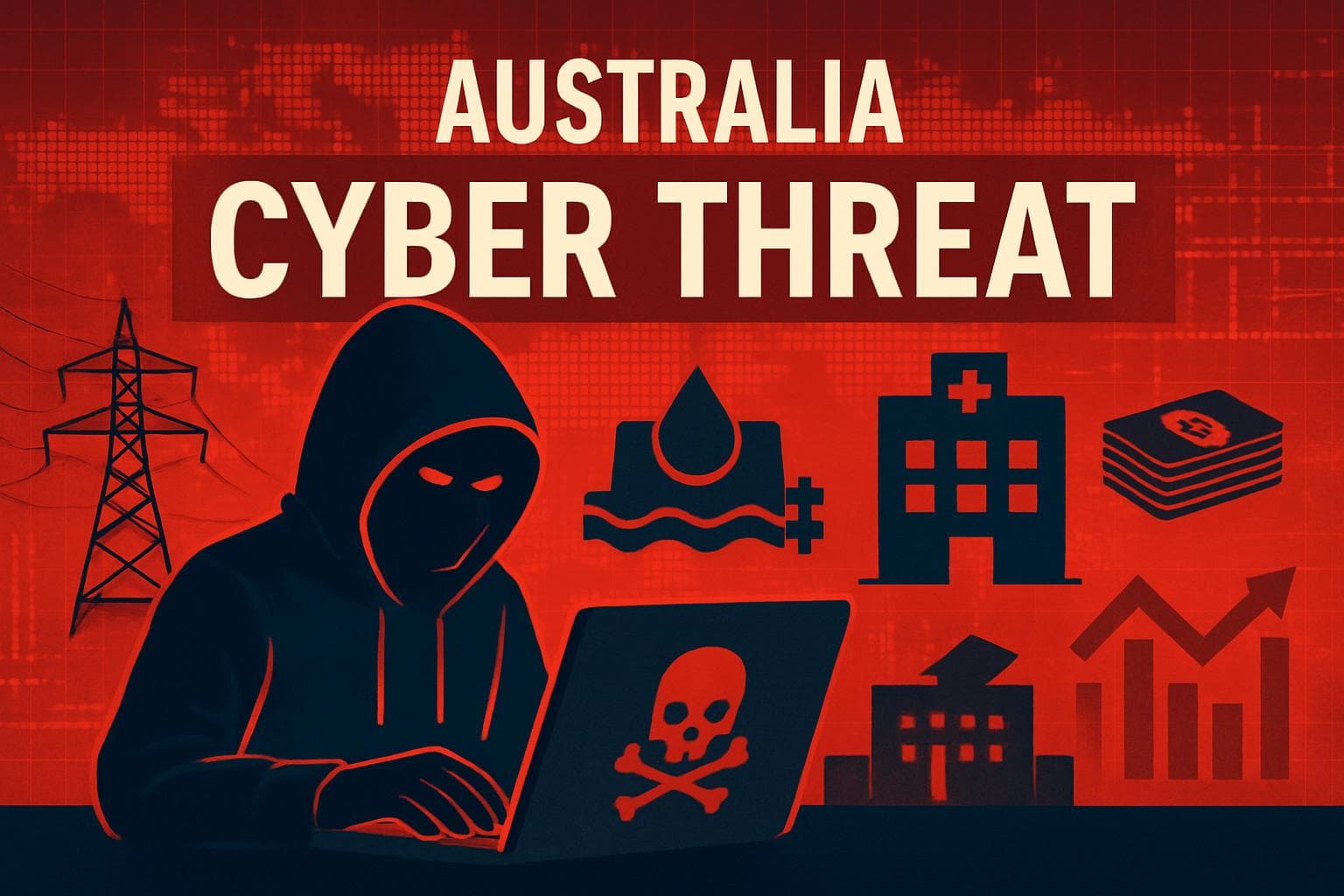
Australia is confronting a growing cybersecurity threat from Chinese hackers targeting its critical infrastructure, according to Mike Burgess, the head of the Australian Security Intelligence Organisation (ASIO). In a recent address to business leaders in Melbourne, Burgess highlighted the increasing risk of "high-impact sabotage" from cyber-enabled espionage activities linked to the Chinese government and military.
Rising Threats to Critical Infrastructure
Burgess identified two hacking groups, Salt Typhoon and Volt Typhoon, as key players in these cyber threats. These groups have been implicated in targeting telecommunications networks in both the United States and Australia. "These groups are hackers working for Chinese government intelligence and their military," Burgess stated, emphasizing the potential for future sabotage.
The espionage activities have already inflicted significant economic damage, with conservative estimates suggesting a cost of A$12.5bn to the Australian economy in 2023-24. Burgess warned that the threat extends beyond espionage, with the potential for sabotage that could disrupt essential services such as telecommunications, energy, and water systems.
Espionage and Economic Impact
The espionage efforts have led to the theft of approximately $2bn worth of trade secrets and intellectual property from Australian companies. Burgess described the hackers' methods as "highly sophisticated," involving persistent and undetected access to critical networks. He noted that even short disruptions to telecommunications could have widespread impacts, underscoring the potential devastation of a coordinated cyberattack.
Broader Implications and Responses
The Chinese embassy has been contacted for comments on these allegations, as concerns grow over the willingness of authoritarian regimes to engage in disruptive cyber activities. Burgess highlighted the broader implications of these threats, including the potential to impede decision-making, damage the economy, and sow social discord.
"I do not think we - and I mean all of us - truly appreciate how disruptive, how devastating, this could be," Burgess cautioned, urging vigilance and proactive measures to safeguard critical infrastructure.
WHAT THIS MIGHT MEAN
The escalating cybersecurity threats from Chinese hackers pose significant challenges for Australia and its allies. If these activities continue unchecked, there could be severe disruptions to essential services, with far-reaching economic and social consequences. Experts suggest that enhanced international cooperation and robust cybersecurity measures are crucial to countering these threats effectively.
Politically, the allegations against China could strain diplomatic relations, prompting calls for stronger cybersecurity policies and international agreements to address state-sponsored cyber activities. As technology continues to advance, the need for comprehensive strategies to protect critical infrastructure becomes increasingly urgent, highlighting the importance of staying ahead of potential threats.
Related Articles

Canada and Australia Forge Strategic Partnership Amid Global Uncertainty

Canada Calls for De-escalation Amid US-Israel Strikes on Iran
China Sets Lowest GDP Growth Target in Decades Amid Economic Challenges

Cuba Faces Widespread Blackout Amid Deepening Fuel Crisis

UK Faces Dilemmas Amid Iran Conflict and China Spying Allegations

Google Faces Legal Battle Over AI Chatbot's Alleged Role in Tragic Death
Australia Faces Rising Cybersecurity Threats from Chinese Hackers
In This Article
HIGHLIGHTS
- Australia's spy chief warns of increasing cyber threats from Chinese hackers targeting critical infrastructure.
- Two groups, Salt Typhoon and Volt Typhoon, are linked to the Chinese government and military, posing risks of espionage and sabotage.
- The espionage activities have cost Australia an estimated A$12.5bn in 2023-24, with significant trade secrets stolen.
- The potential sabotage could disrupt telecommunications, energy, and water systems, with severe economic and social impacts.
- The Chinese embassy has been contacted for comments on these allegations.
Australia is confronting a growing cybersecurity threat from Chinese hackers targeting its critical infrastructure, according to Mike Burgess, the head of the Australian Security Intelligence Organisation (ASIO). In a recent address to business leaders in Melbourne, Burgess highlighted the increasing risk of "high-impact sabotage" from cyber-enabled espionage activities linked to the Chinese government and military.
Rising Threats to Critical Infrastructure
Burgess identified two hacking groups, Salt Typhoon and Volt Typhoon, as key players in these cyber threats. These groups have been implicated in targeting telecommunications networks in both the United States and Australia. "These groups are hackers working for Chinese government intelligence and their military," Burgess stated, emphasizing the potential for future sabotage.
The espionage activities have already inflicted significant economic damage, with conservative estimates suggesting a cost of A$12.5bn to the Australian economy in 2023-24. Burgess warned that the threat extends beyond espionage, with the potential for sabotage that could disrupt essential services such as telecommunications, energy, and water systems.
Espionage and Economic Impact
The espionage efforts have led to the theft of approximately $2bn worth of trade secrets and intellectual property from Australian companies. Burgess described the hackers' methods as "highly sophisticated," involving persistent and undetected access to critical networks. He noted that even short disruptions to telecommunications could have widespread impacts, underscoring the potential devastation of a coordinated cyberattack.
Broader Implications and Responses
The Chinese embassy has been contacted for comments on these allegations, as concerns grow over the willingness of authoritarian regimes to engage in disruptive cyber activities. Burgess highlighted the broader implications of these threats, including the potential to impede decision-making, damage the economy, and sow social discord.
"I do not think we - and I mean all of us - truly appreciate how disruptive, how devastating, this could be," Burgess cautioned, urging vigilance and proactive measures to safeguard critical infrastructure.
WHAT THIS MIGHT MEAN
The escalating cybersecurity threats from Chinese hackers pose significant challenges for Australia and its allies. If these activities continue unchecked, there could be severe disruptions to essential services, with far-reaching economic and social consequences. Experts suggest that enhanced international cooperation and robust cybersecurity measures are crucial to countering these threats effectively.
Politically, the allegations against China could strain diplomatic relations, prompting calls for stronger cybersecurity policies and international agreements to address state-sponsored cyber activities. As technology continues to advance, the need for comprehensive strategies to protect critical infrastructure becomes increasingly urgent, highlighting the importance of staying ahead of potential threats.
Related Articles
Canada and Australia Forge Strategic Partnership Amid Global Uncertainty
Canada Calls for De-escalation Amid US-Israel Strikes on Iran
China Sets Lowest GDP Growth Target in Decades Amid Economic Challenges
Cuba Faces Widespread Blackout Amid Deepening Fuel Crisis
UK Faces Dilemmas Amid Iran Conflict and China Spying Allegations
Google Faces Legal Battle Over AI Chatbot's Alleged Role in Tragic Death