
Conservative Party Reshuffle: Badenoch Brings Back Heavy Hitters to Boost Public Presence
In This Article
HIGHLIGHTS
- Kemi Badenoch has reshuffled the Conservative Party's shadow cabinet, appointing Sir James Cleverly as shadow housing secretary.
- Edward Argar stepped down as shadow health secretary due to health issues, with Stuart Andrew taking over the role.
- Kevin Hollinrake has been named the new Conservative Party chair, replacing Nigel Huddleston.
- The reshuffle aims to strengthen the party's public presence amid poor polling and internal challenges.
- Badenoch's reshuffle reflects a strategic move to bring experienced figures back to the forefront of UK politics.
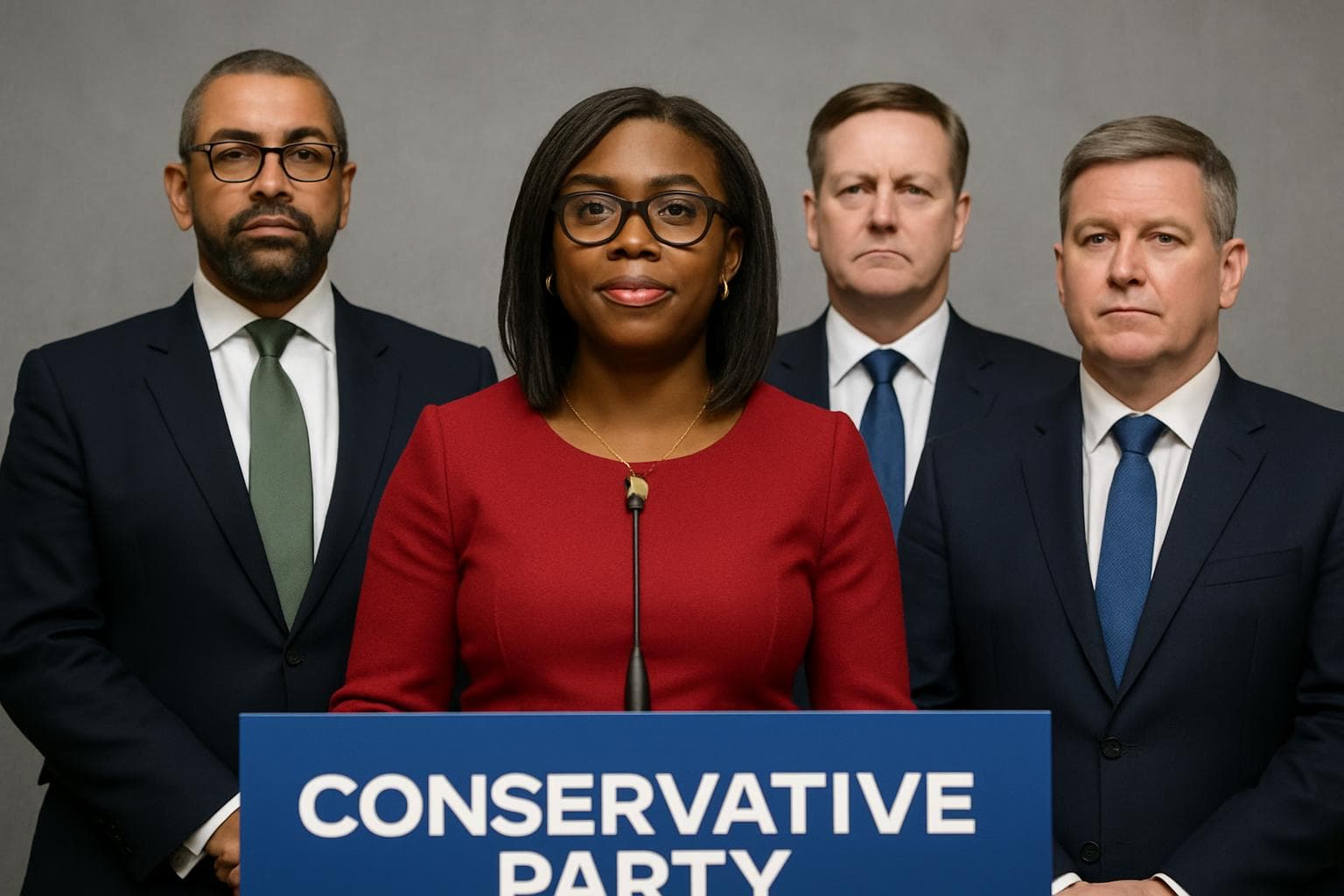
In a strategic move to revitalize the Conservative Party's public image, leader Kemi Badenoch has announced a significant reshuffle of her shadow cabinet. The most notable change is the appointment of Sir James Cleverly as the new shadow housing secretary. Cleverly, a former foreign and home secretary, will now face off against Deputy Prime Minister Angela Rayner in Parliament. This reshuffle comes as the party seeks to regain footing following a devastating electoral defeat last year.
Key Appointments and Changes
The reshuffle sees Edward Argar stepping down from his role as shadow health secretary due to health concerns. In his place, Stuart Andrew, a former minister, will take over the health brief. Argar's resignation was confirmed through a letter posted on social media, where he expressed the need to focus on his recovery.
Kevin Hollinrake has been appointed as the new Conservative Party chair, succeeding Nigel Huddleston, who transitions to the shadow culture secretary role. Richard Holden and Julia Lopez have also been promoted, taking on the roles of shadow transport secretary and shadow science secretary, respectively.
Strategic Implications
Badenoch's reshuffle is seen as a tactical effort to bring experienced figures back into the limelight, aiming to strengthen the party's position in UK politics. Despite internal calls for promoting new-generation MPs, Badenoch has retained key figures like Mel Stride as shadow chancellor and Robert Jenrick as shadow justice secretary. This decision underscores a focus on experience and stability as the party navigates challenging political waters.
Cleverly's Return and Future Prospects
Sir James Cleverly's return to the front bench is particularly significant. Known for his strong communication skills, Cleverly has previously warned against the party adopting populist policies akin to Reform UK. His appointment is expected to add weight to the Conservative Party's housing and local government strategies, areas of critical importance in the current political landscape.
WHAT THIS MIGHT MEAN
The reshuffle marks a pivotal moment for the Conservative Party as it attempts to regain public trust and improve its standing in national polls. By bringing back seasoned politicians like James Cleverly, Badenoch aims to project a sense of stability and competence. However, the decision to retain established figures over promoting new-generation MPs may spark internal debates about the party's future direction.
Looking ahead, the effectiveness of this reshuffle will largely depend on the party's ability to present a cohesive and compelling policy agenda. With the next general election on the horizon, the Conservatives must leverage their experienced team to address pressing issues such as housing and healthcare, while also appealing to a broader electorate.
As the political landscape evolves, Badenoch's leadership will be tested in her ability to unify the party and present a viable alternative to the current government. The coming months will reveal whether this reshuffle can indeed rejuvenate the Conservative Party's fortunes.
Related Articles

UK-Iran Tensions: Starmer Defends Cautious Approach Amid Trump Criticism
Jim Ratcliffe's Immigration Comments Spark Backlash Amid UK Political Shifts
UK Government to Reform Asylum Seeker Support and Employment Policies

Labour MP's Husband Arrested in UK-China Espionage Probe
Starmer Condemns Reform UK's Plan to Repeal Equality Act as Un-British
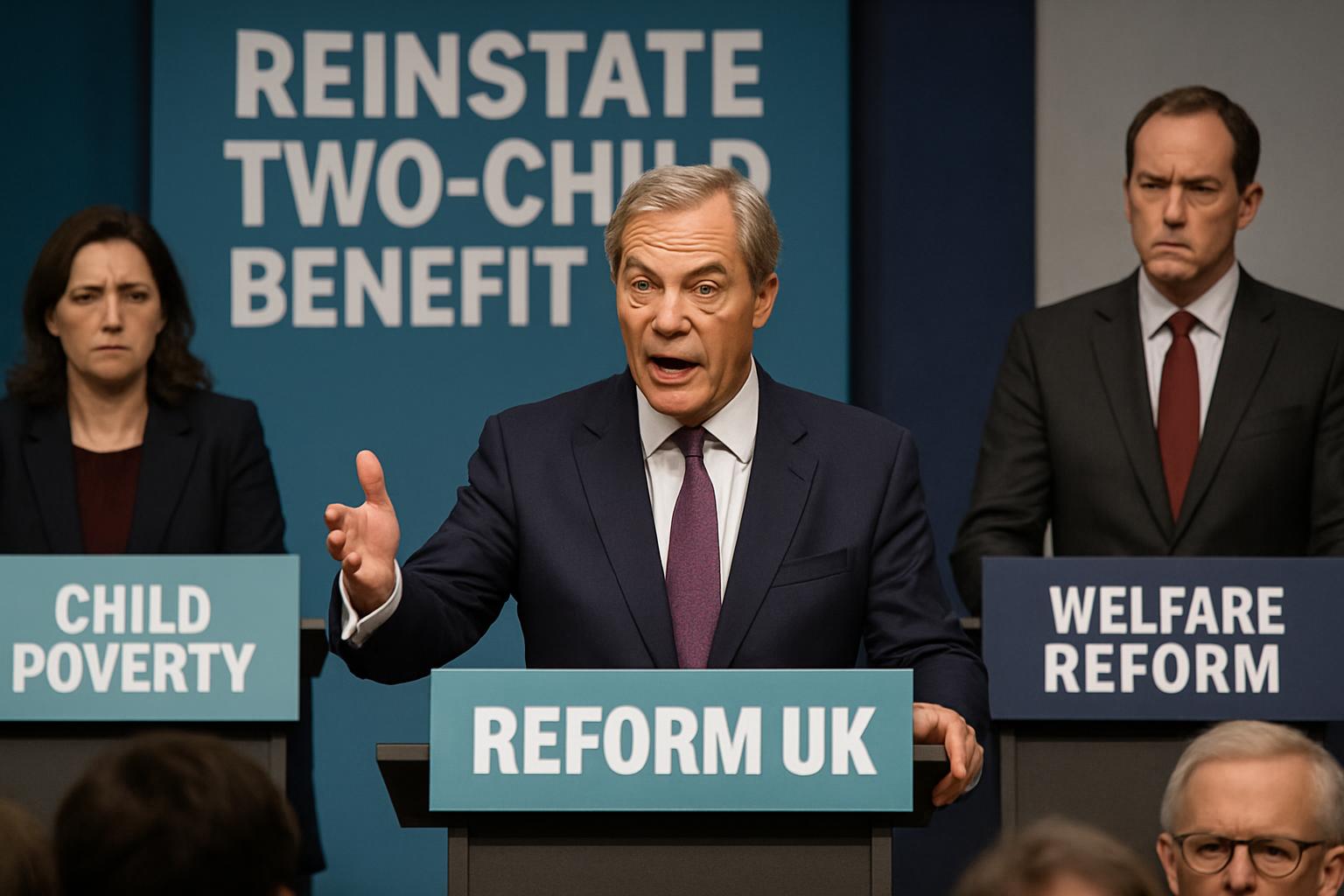
Reform UK to Reinstate Two-Child Benefit Cap Amidst Political Controversy
Conservative Party Reshuffle: Badenoch Brings Back Heavy Hitters to Boost Public Presence
In This Article
 Ethan Brooks| Published
 HIGHLIGHTS
- Kemi Badenoch has reshuffled the Conservative Party's shadow cabinet, appointing Sir James Cleverly as shadow housing secretary.
- Edward Argar stepped down as shadow health secretary due to health issues, with Stuart Andrew taking over the role.
- Kevin Hollinrake has been named the new Conservative Party chair, replacing Nigel Huddleston.
- The reshuffle aims to strengthen the party's public presence amid poor polling and internal challenges.
- Badenoch's reshuffle reflects a strategic move to bring experienced figures back to the forefront of UK politics.
In a strategic move to revitalize the Conservative Party's public image, leader Kemi Badenoch has announced a significant reshuffle of her shadow cabinet. The most notable change is the appointment of Sir James Cleverly as the new shadow housing secretary. Cleverly, a former foreign and home secretary, will now face off against Deputy Prime Minister Angela Rayner in Parliament. This reshuffle comes as the party seeks to regain footing following a devastating electoral defeat last year.
Key Appointments and Changes
The reshuffle sees Edward Argar stepping down from his role as shadow health secretary due to health concerns. In his place, Stuart Andrew, a former minister, will take over the health brief. Argar's resignation was confirmed through a letter posted on social media, where he expressed the need to focus on his recovery.
Kevin Hollinrake has been appointed as the new Conservative Party chair, succeeding Nigel Huddleston, who transitions to the shadow culture secretary role. Richard Holden and Julia Lopez have also been promoted, taking on the roles of shadow transport secretary and shadow science secretary, respectively.
Strategic Implications
Badenoch's reshuffle is seen as a tactical effort to bring experienced figures back into the limelight, aiming to strengthen the party's position in UK politics. Despite internal calls for promoting new-generation MPs, Badenoch has retained key figures like Mel Stride as shadow chancellor and Robert Jenrick as shadow justice secretary. This decision underscores a focus on experience and stability as the party navigates challenging political waters.
Cleverly's Return and Future Prospects
Sir James Cleverly's return to the front bench is particularly significant. Known for his strong communication skills, Cleverly has previously warned against the party adopting populist policies akin to Reform UK. His appointment is expected to add weight to the Conservative Party's housing and local government strategies, areas of critical importance in the current political landscape.
WHAT THIS MIGHT MEAN
The reshuffle marks a pivotal moment for the Conservative Party as it attempts to regain public trust and improve its standing in national polls. By bringing back seasoned politicians like James Cleverly, Badenoch aims to project a sense of stability and competence. However, the decision to retain established figures over promoting new-generation MPs may spark internal debates about the party's future direction.
Looking ahead, the effectiveness of this reshuffle will largely depend on the party's ability to present a cohesive and compelling policy agenda. With the next general election on the horizon, the Conservatives must leverage their experienced team to address pressing issues such as housing and healthcare, while also appealing to a broader electorate.
As the political landscape evolves, Badenoch's leadership will be tested in her ability to unify the party and present a viable alternative to the current government. The coming months will reveal whether this reshuffle can indeed rejuvenate the Conservative Party's fortunes.
Related Articles
UK-Iran Tensions: Starmer Defends Cautious Approach Amid Trump Criticism
Jim Ratcliffe's Immigration Comments Spark Backlash Amid UK Political Shifts
UK Government to Reform Asylum Seeker Support and Employment Policies
Labour MP's Husband Arrested in UK-China Espionage Probe
Starmer Condemns Reform UK's Plan to Repeal Equality Act as Un-British
Reform UK to Reinstate Two-Child Benefit Cap Amidst Political Controversy