
Baroness Anne Longfield to Lead National Inquiry into Grooming Gangs
In This Article
HIGHLIGHTS
- Baroness Anne Longfield has been appointed to lead a three-year inquiry into grooming gangs, following recommendations from Baroness Louise Casey.
- The inquiry, with a budget of £65 million, will focus on group-based child sexual exploitation in England and Wales, examining factors like ethnicity and religion.
- Home Secretary Shabana Mahmood emphasized the need to root out this "evil" and ensure justice for victims, while avoiding the marginalization of communities.
- The inquiry faced initial setbacks with resignations from the survivors' panel and concerns over the impartiality of the chair due to Longfield's Labour affiliation.
- The inquiry will have statutory powers to compel testimony and evidence, with local investigations starting in Oldham and other locations to be determined.
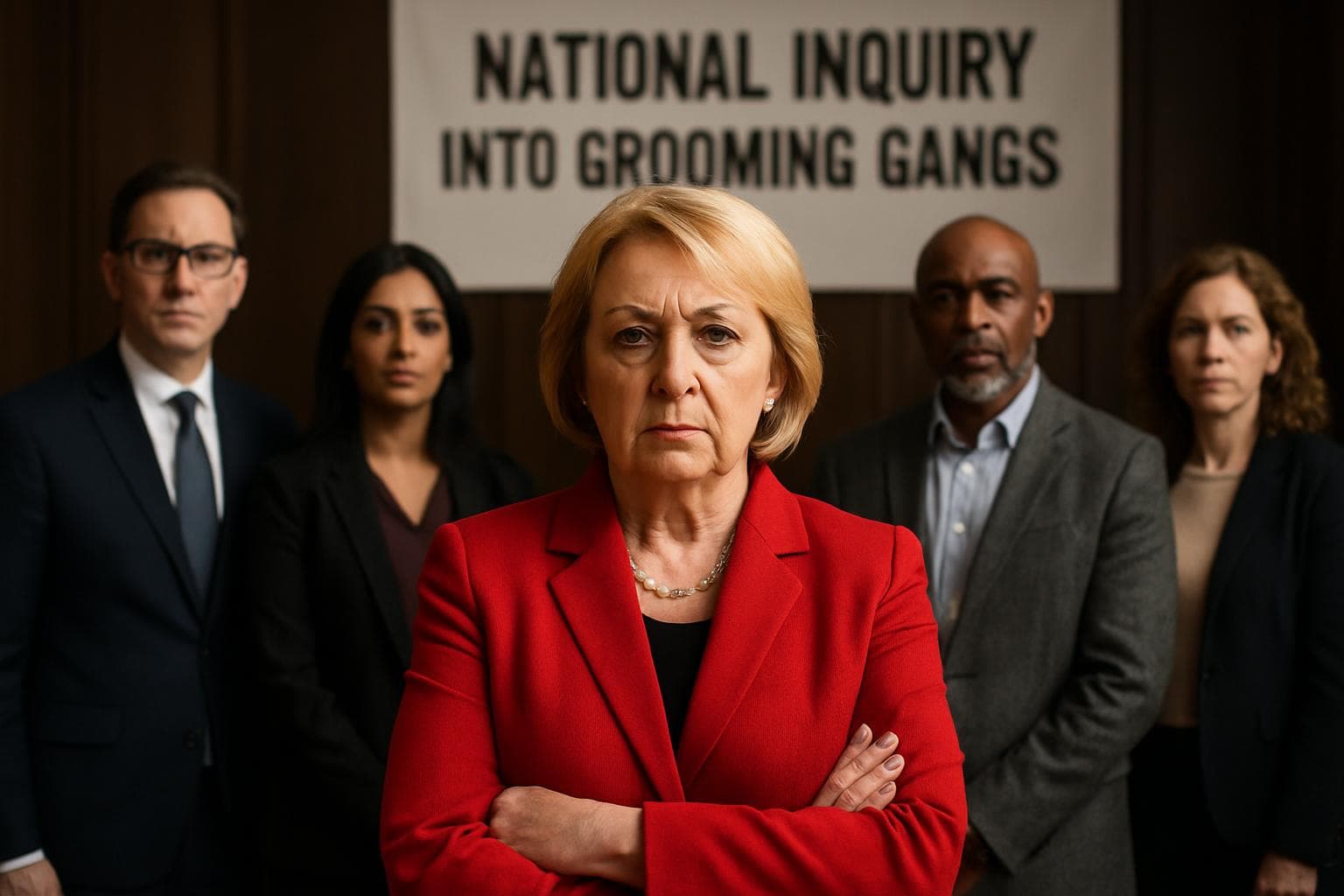
In a significant move to address the longstanding issue of grooming gangs, Baroness Anne Longfield has been appointed to chair a national inquiry into child sexual abuse in England and Wales. Announced by Home Secretary Shabana Mahmood, the inquiry is set to be a "moment of reckoning" for the nation, focusing on group-based child sexual exploitation and the systemic failures that have allowed such crimes to persist.
Background and Appointment
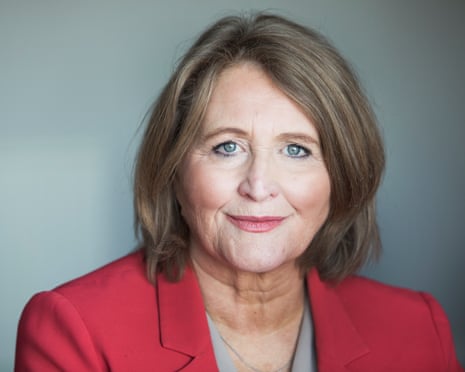
The inquiry comes after a recommendation from Baroness Louise Casey, whose audit highlighted the need for a comprehensive investigation. Baroness Longfield, a former children's commissioner, will lead the three-year inquiry, which has been allocated a budget of £65 million. Despite initial challenges, including the resignation of several members from the survivors' panel, Longfield's appointment marks a critical step forward. She will be supported by Zoe Billingham and Eleanor Kelly, both of whom bring extensive experience to the panel.
Scope and Objectives
The inquiry will delve into the backgrounds of offenders, including their ethnicity and religion, to understand how these factors may have influenced the authorities' responses. Mahmood, who is of Pakistani Muslim heritage, stressed the importance of not using the inquiry to demonize entire communities, while acknowledging the "sickening acts of a minority of evil men." The inquiry will have statutory powers, enabling it to compel testimony and gather evidence, with local investigations beginning in Oldham.
Challenges and Criticisms
The appointment of Longfield, who will resign the Labour whip to ensure impartiality, has raised concerns among some survivors about the inquiry's independence. Fiona Goddard, a former panel member, criticized the selection process as a "box-ticking exercise." However, Longfield has vowed to pursue the truth relentlessly, stating, "The inquiry will follow the evidence and will not shy away from difficult or uncomfortable truths."
Looking Ahead
The inquiry represents a crucial opportunity to address past failings and ensure that children and young people are protected in the future. As Mahmood emphasized, "This inquiry is theirs, not ours," calling for political unity in the pursuit of justice. The findings are expected to have significant implications for how authorities handle cases of child sexual exploitation moving forward.
WHAT THIS MIGHT MEAN
The inquiry led by Baroness Longfield is poised to uncover critical insights into the systemic issues surrounding grooming gangs. If successful, it could lead to substantial policy changes and improved protective measures for vulnerable children. However, the inquiry's findings may also spark contentious debates about community relations and the role of ethnicity and religion in these crimes. Experts suggest that the inquiry's outcomes could influence future legislative actions and reshape public discourse on child protection. As the inquiry progresses, maintaining transparency and survivor engagement will be essential to restoring trust and achieving meaningful reform.
Images from the Web
Related Articles
Global Counsel Faces Collapse Amidst Epstein Scandal Fallout
UK Faces Rising Youth Unemployment Amid Minimum Wage and Interest Rate Debates
Government U-turn on Local Election Delays Sparks Political Fallout
New Archbishop of Westminster Calls for Church Accountability and Social Justice
Jim Ratcliffe's Immigration Comments Spark Backlash Amid UK Political Shifts
UK Foreign Office Reviews Mandelson's Ambassador Payout Amid Epstein Scandal
Baroness Anne Longfield to Lead National Inquiry into Grooming Gangs
In This Article
 Ethan Brooks| Published
 HIGHLIGHTS
- Baroness Anne Longfield has been appointed to lead a three-year inquiry into grooming gangs, following recommendations from Baroness Louise Casey.
- The inquiry, with a budget of £65 million, will focus on group-based child sexual exploitation in England and Wales, examining factors like ethnicity and religion.
- Home Secretary Shabana Mahmood emphasized the need to root out this "evil" and ensure justice for victims, while avoiding the marginalization of communities.
- The inquiry faced initial setbacks with resignations from the survivors' panel and concerns over the impartiality of the chair due to Longfield's Labour affiliation.
- The inquiry will have statutory powers to compel testimony and evidence, with local investigations starting in Oldham and other locations to be determined.
In a significant move to address the longstanding issue of grooming gangs, Baroness Anne Longfield has been appointed to chair a national inquiry into child sexual abuse in England and Wales. Announced by Home Secretary Shabana Mahmood, the inquiry is set to be a "moment of reckoning" for the nation, focusing on group-based child sexual exploitation and the systemic failures that have allowed such crimes to persist.
Background and Appointment
The inquiry comes after a recommendation from Baroness Louise Casey, whose audit highlighted the need for a comprehensive investigation. Baroness Longfield, a former children's commissioner, will lead the three-year inquiry, which has been allocated a budget of £65 million. Despite initial challenges, including the resignation of several members from the survivors' panel, Longfield's appointment marks a critical step forward. She will be supported by Zoe Billingham and Eleanor Kelly, both of whom bring extensive experience to the panel.
Scope and Objectives
The inquiry will delve into the backgrounds of offenders, including their ethnicity and religion, to understand how these factors may have influenced the authorities' responses. Mahmood, who is of Pakistani Muslim heritage, stressed the importance of not using the inquiry to demonize entire communities, while acknowledging the "sickening acts of a minority of evil men." The inquiry will have statutory powers, enabling it to compel testimony and gather evidence, with local investigations beginning in Oldham.
Challenges and Criticisms
The appointment of Longfield, who will resign the Labour whip to ensure impartiality, has raised concerns among some survivors about the inquiry's independence. Fiona Goddard, a former panel member, criticized the selection process as a "box-ticking exercise." However, Longfield has vowed to pursue the truth relentlessly, stating, "The inquiry will follow the evidence and will not shy away from difficult or uncomfortable truths."
Looking Ahead
The inquiry represents a crucial opportunity to address past failings and ensure that children and young people are protected in the future. As Mahmood emphasized, "This inquiry is theirs, not ours," calling for political unity in the pursuit of justice. The findings are expected to have significant implications for how authorities handle cases of child sexual exploitation moving forward.
WHAT THIS MIGHT MEAN
The inquiry led by Baroness Longfield is poised to uncover critical insights into the systemic issues surrounding grooming gangs. If successful, it could lead to substantial policy changes and improved protective measures for vulnerable children. However, the inquiry's findings may also spark contentious debates about community relations and the role of ethnicity and religion in these crimes. Experts suggest that the inquiry's outcomes could influence future legislative actions and reshape public discourse on child protection. As the inquiry progresses, maintaining transparency and survivor engagement will be essential to restoring trust and achieving meaningful reform.
Images from the Web
Related Articles
Global Counsel Faces Collapse Amidst Epstein Scandal Fallout
UK Faces Rising Youth Unemployment Amid Minimum Wage and Interest Rate Debates
Government U-turn on Local Election Delays Sparks Political Fallout
New Archbishop of Westminster Calls for Church Accountability and Social Justice
Jim Ratcliffe's Immigration Comments Spark Backlash Amid UK Political Shifts
UK Foreign Office Reviews Mandelson's Ambassador Payout Amid Epstein Scandal