
Bayeux Tapestry to Make Historic Return to the UK After 900 Years
In This Article
HIGHLIGHTS
- The Bayeux Tapestry will be displayed in the UK for the first time in over 900 years as part of a historic loan agreement.
- The exhibition at the British Museum will run from September 2026 to July 2027, coinciding with the 1,000th anniversary of William the Conqueror's birth.
- In exchange, the British Museum will loan Anglo-Saxon treasures, including the Sutton Hoo artefacts, to museums in Normandy.
- The agreement was finalized by UK Prime Minister Keir Starmer and French President Emmanuel Macron, highlighting cultural ties between the two nations.
- The Bayeux Tapestry, depicting the Norman conquest of England, is considered a masterpiece of medieval art and history.
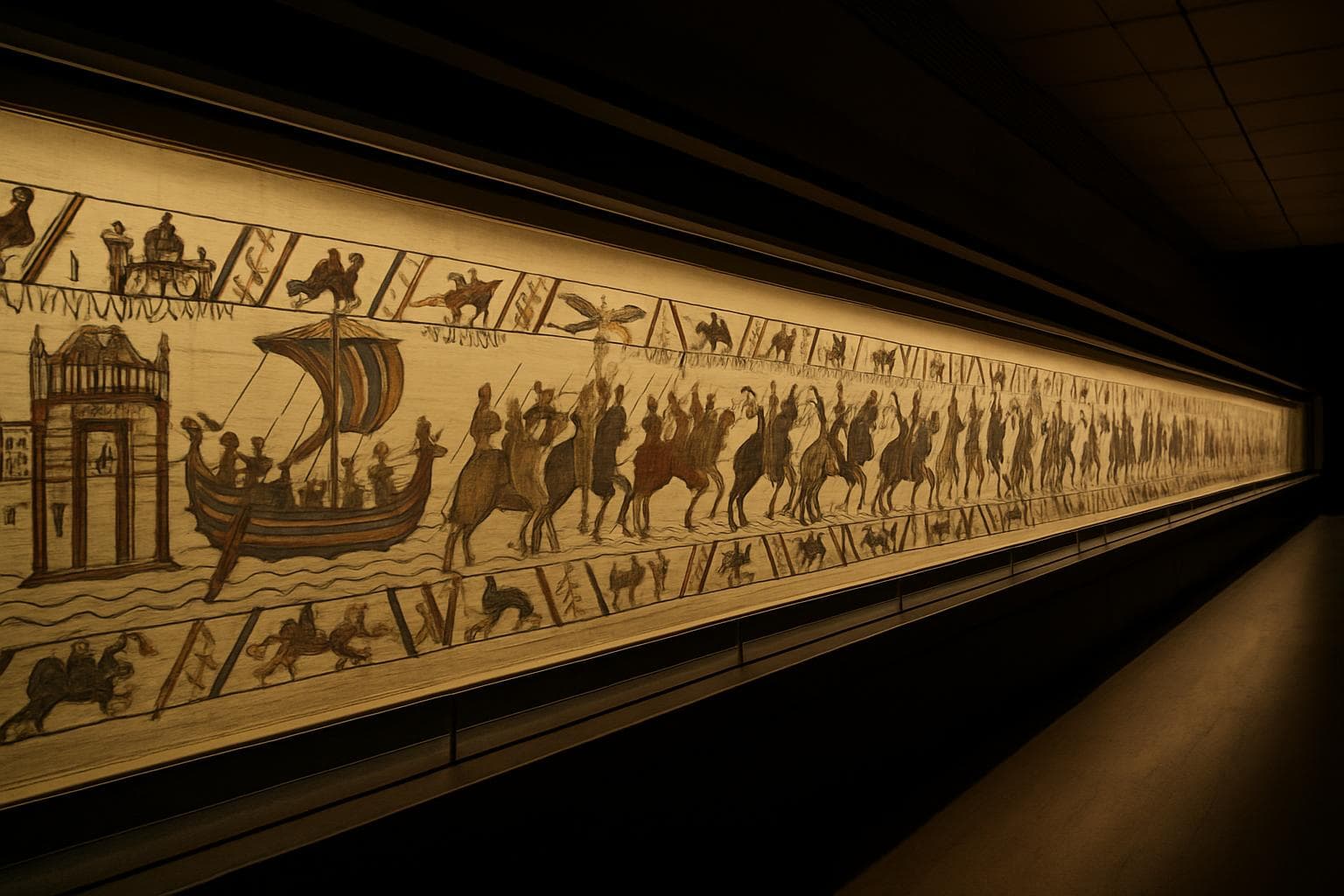
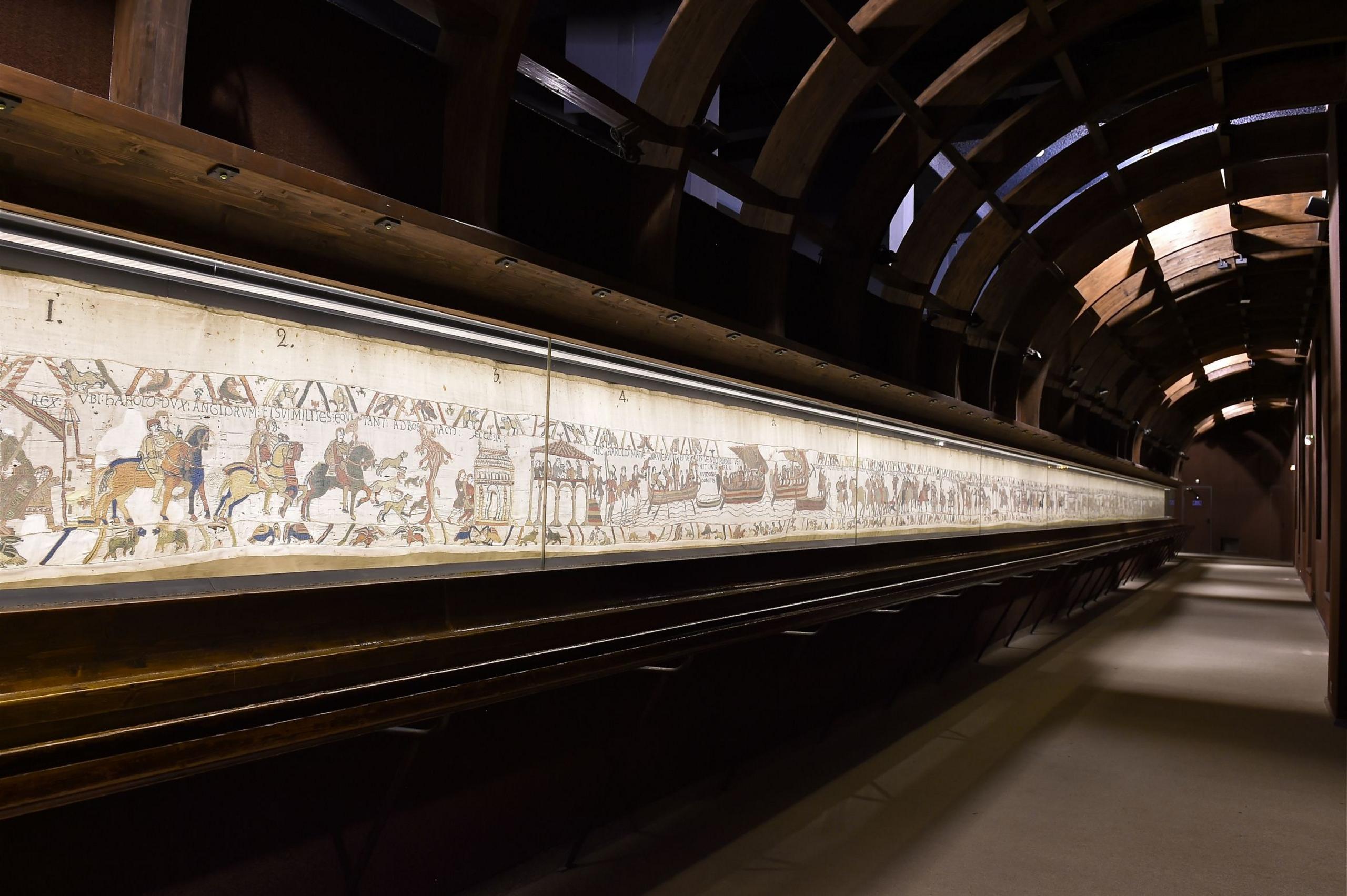
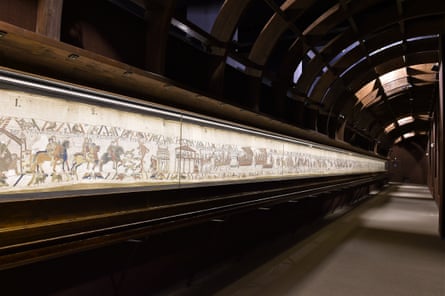
In a landmark cultural exchange, the Bayeux Tapestry will be displayed in the United Kingdom for the first time in over 900 years. This historic loan agreement, confirmed by the Department for Culture, Media and Sport (DCMS), will see the 70-meter-long masterpiece exhibited at the British Museum from September 2026 to July 2027. The exhibition will coincide with the 1,000th anniversary of William the Conqueror's birth, offering a unique opportunity to view this iconic piece of medieval art on UK soil.
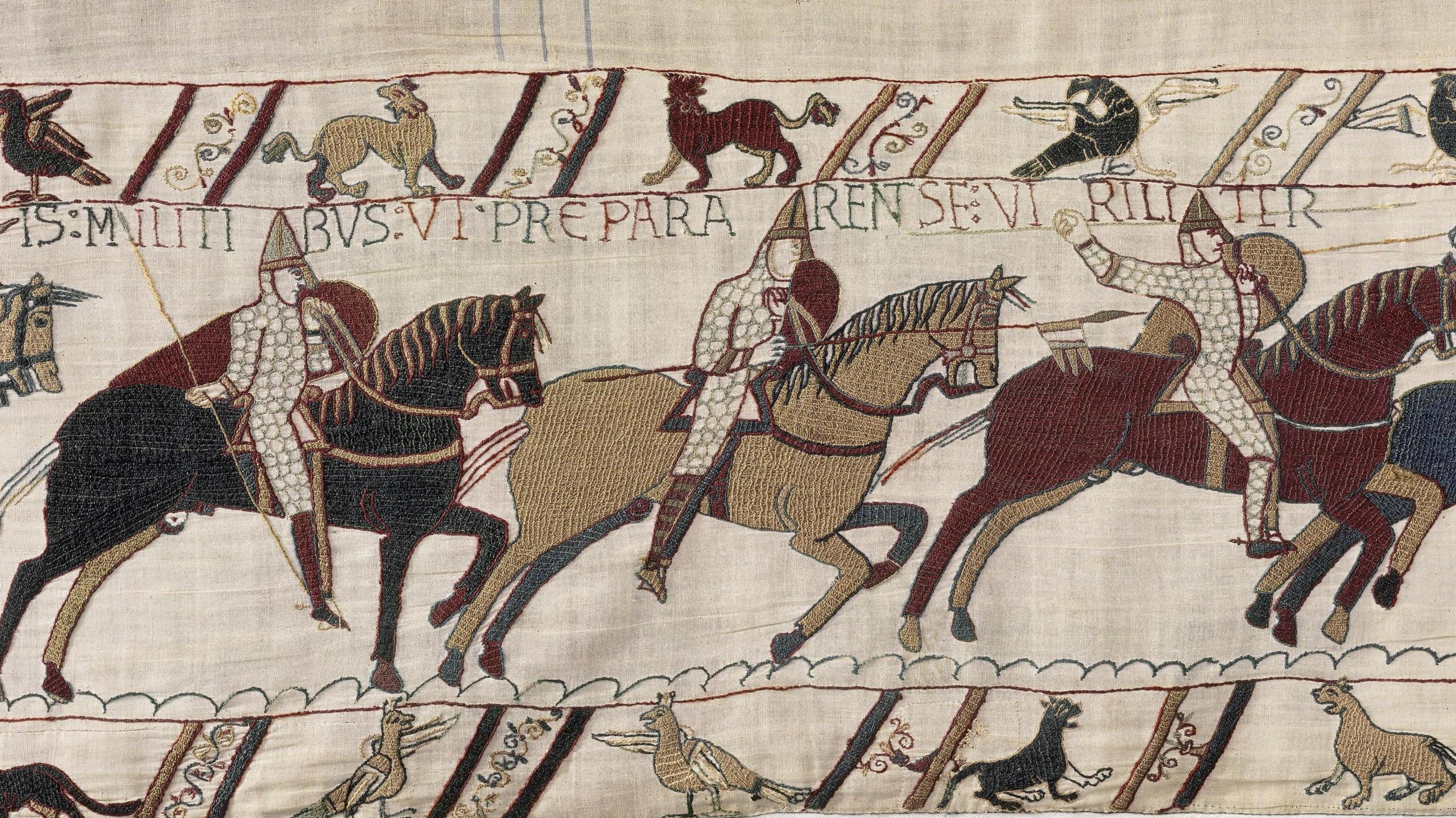
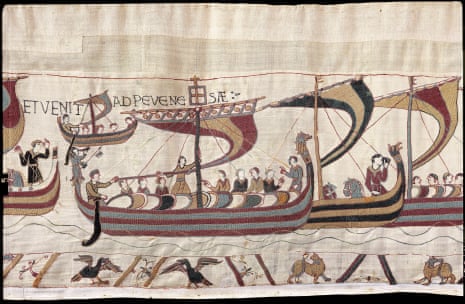
The Bayeux Tapestry, believed to have been created in Kent during the 11th century, vividly depicts the Norman conquest of England in 1066. Its 58 scenes, featuring 626 characters and 202 horses, provide a detailed account of the Battle of Hastings and the subsequent shift in power from Anglo-Saxon to Norman rule. The tapestry's intricate embroidery and historical significance have fascinated audiences for centuries.
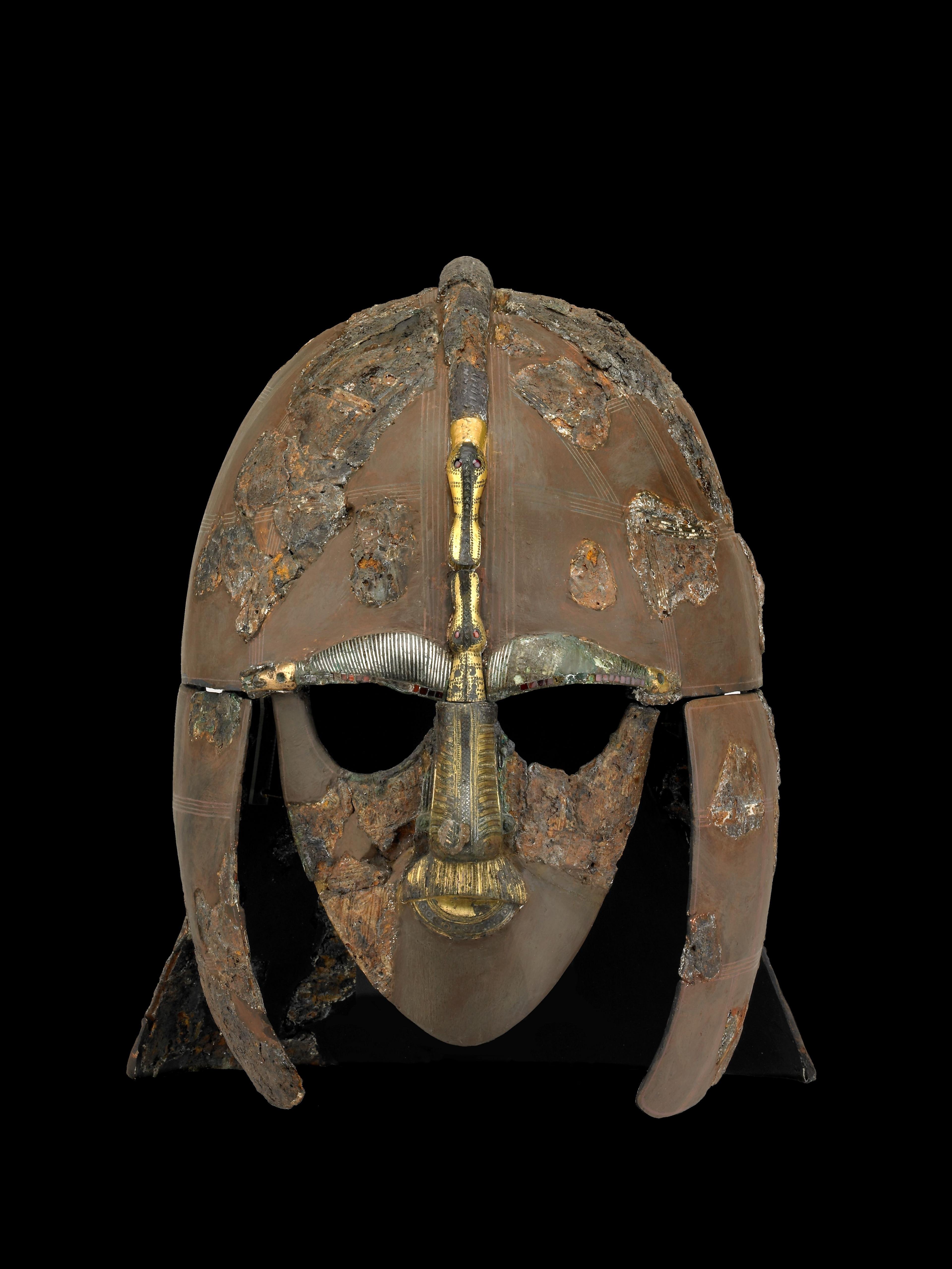
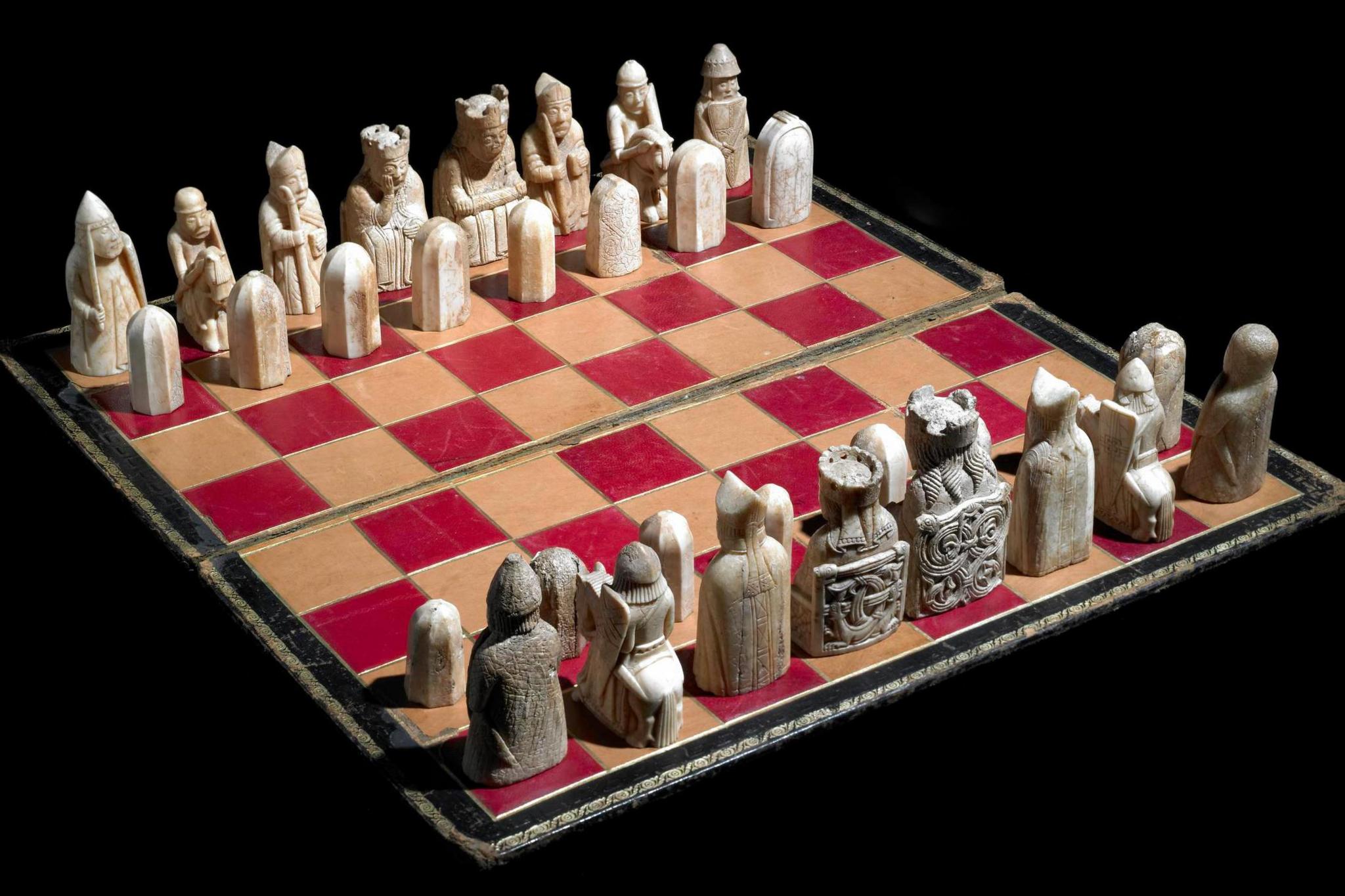
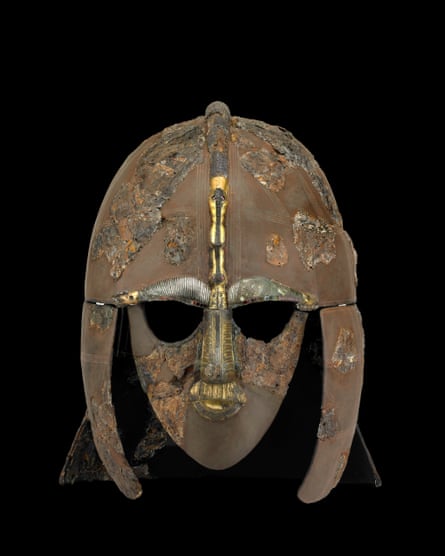
In exchange for the tapestry, the British Museum will loan a collection of Anglo-Saxon treasures to museums in Normandy. These include artefacts from the Sutton Hoo ship burial, discovered in Suffolk in 1939, and the renowned Lewis chessmen. This cultural exchange underscores the enduring ties between Britain and France, as highlighted by UK Prime Minister Keir Starmer and French President Emmanuel Macron during the official announcement at Windsor Castle.
The British Museum's director, Nicholas Cullinan, emphasized the significance of this international partnership, stating, "This is exactly the kind of collaboration we want to champion, sharing our collection widely and displaying global treasures never seen here before." Culture Secretary Lisa Nandy echoed this sentiment, describing the loan as "a symbol of our shared history with our friends in France."
The Bayeux Tapestry's return to the UK is expected to draw significant interest, akin to past blockbuster exhibitions like Tutankhamun and the Terracotta Warriors. As Sylvette Lemagnen, a conservator of the tapestry, noted, its survival over nine centuries is "little short of miraculous," making this exhibition a once-in-a-lifetime opportunity for visitors.
WHAT THIS MIGHT MEAN
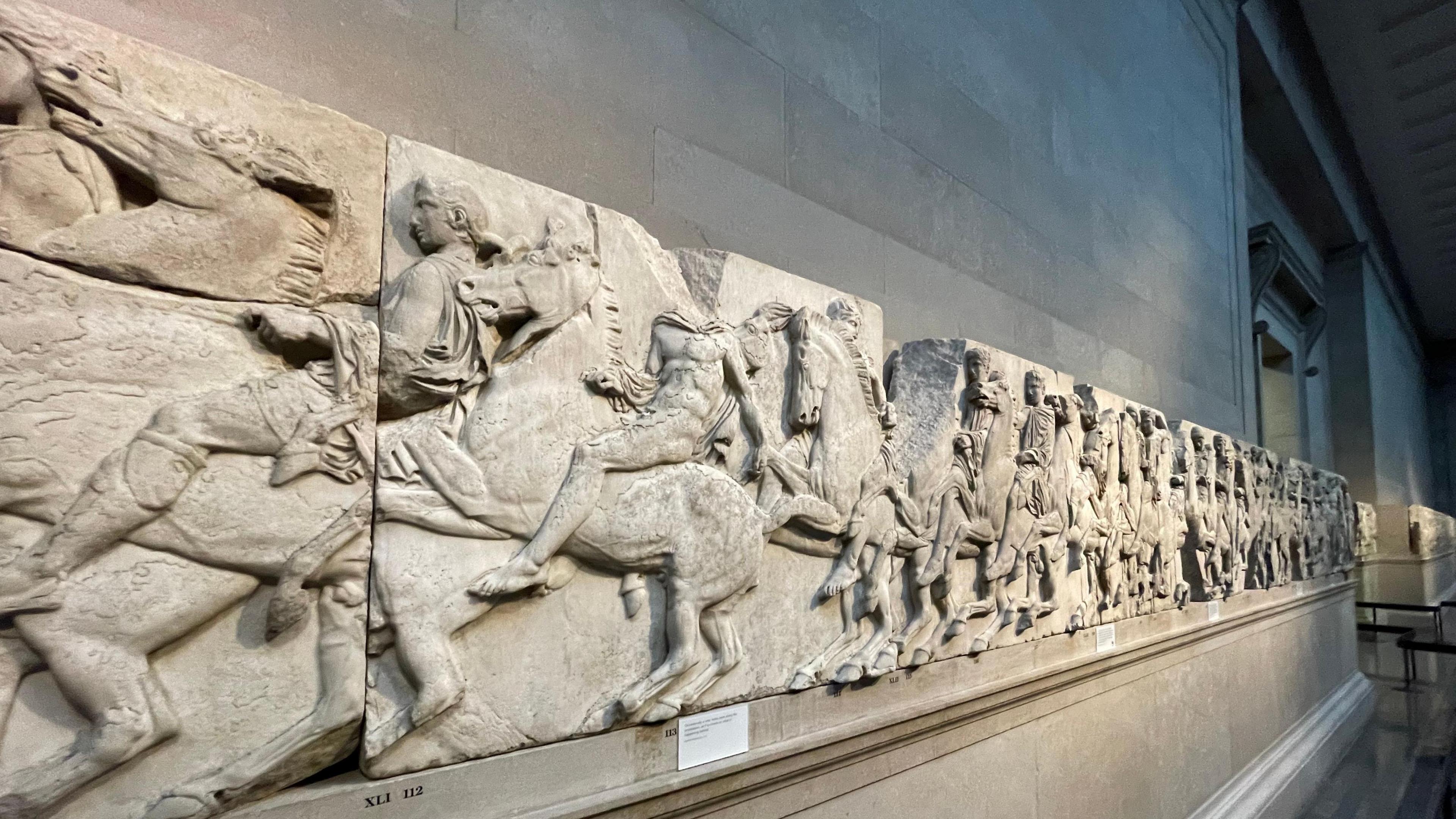
The return of the Bayeux Tapestry to the UK marks a significant cultural milestone, potentially setting a precedent for future international loans of historical artefacts. This exchange could influence ongoing discussions between the British Museum and the Greek government regarding the Parthenon Sculptures, suggesting a possible "win-win" solution involving cultural exchanges.
Politically, the agreement reinforces diplomatic ties between the UK and France, showcasing the power of cultural diplomacy in strengthening international relationships. As the exhibition approaches, experts anticipate a boost in tourism and economic activity in London, further highlighting the tapestry's cultural and historical allure.
Images from the Web
Related Articles

Labour MP's Husband Arrested in UK-China Espionage Probe

UK Faces Dilemmas Amid Iran Conflict and China Spying Allegations
UK-Iran Tensions: Starmer Defends Cautious Approach Amid Trump Criticism

Diplomatic Tensions Rise as Trump Criticizes Starmer's Iran Policy

Nottingham Attacks Inquiry: Families Demand Accountability and Truth
UK Denies US Use of Military Bases for Potential Iran Strikes Amid Chagos Islands Dispute
Bayeux Tapestry to Make Historic Return to the UK After 900 Years
In This Article
 Ethan Brooks| Published
 HIGHLIGHTS
- The Bayeux Tapestry will be displayed in the UK for the first time in over 900 years as part of a historic loan agreement.
- The exhibition at the British Museum will run from September 2026 to July 2027, coinciding with the 1,000th anniversary of William the Conqueror's birth.
- In exchange, the British Museum will loan Anglo-Saxon treasures, including the Sutton Hoo artefacts, to museums in Normandy.
- The agreement was finalized by UK Prime Minister Keir Starmer and French President Emmanuel Macron, highlighting cultural ties between the two nations.
- The Bayeux Tapestry, depicting the Norman conquest of England, is considered a masterpiece of medieval art and history.
In a landmark cultural exchange, the Bayeux Tapestry will be displayed in the United Kingdom for the first time in over 900 years. This historic loan agreement, confirmed by the Department for Culture, Media and Sport (DCMS), will see the 70-meter-long masterpiece exhibited at the British Museum from September 2026 to July 2027. The exhibition will coincide with the 1,000th anniversary of William the Conqueror's birth, offering a unique opportunity to view this iconic piece of medieval art on UK soil.
The Bayeux Tapestry, believed to have been created in Kent during the 11th century, vividly depicts the Norman conquest of England in 1066. Its 58 scenes, featuring 626 characters and 202 horses, provide a detailed account of the Battle of Hastings and the subsequent shift in power from Anglo-Saxon to Norman rule. The tapestry's intricate embroidery and historical significance have fascinated audiences for centuries.
In exchange for the tapestry, the British Museum will loan a collection of Anglo-Saxon treasures to museums in Normandy. These include artefacts from the Sutton Hoo ship burial, discovered in Suffolk in 1939, and the renowned Lewis chessmen. This cultural exchange underscores the enduring ties between Britain and France, as highlighted by UK Prime Minister Keir Starmer and French President Emmanuel Macron during the official announcement at Windsor Castle.
The British Museum's director, Nicholas Cullinan, emphasized the significance of this international partnership, stating, "This is exactly the kind of collaboration we want to champion, sharing our collection widely and displaying global treasures never seen here before." Culture Secretary Lisa Nandy echoed this sentiment, describing the loan as "a symbol of our shared history with our friends in France."
The Bayeux Tapestry's return to the UK is expected to draw significant interest, akin to past blockbuster exhibitions like Tutankhamun and the Terracotta Warriors. As Sylvette Lemagnen, a conservator of the tapestry, noted, its survival over nine centuries is "little short of miraculous," making this exhibition a once-in-a-lifetime opportunity for visitors.
WHAT THIS MIGHT MEAN
The return of the Bayeux Tapestry to the UK marks a significant cultural milestone, potentially setting a precedent for future international loans of historical artefacts. This exchange could influence ongoing discussions between the British Museum and the Greek government regarding the Parthenon Sculptures, suggesting a possible "win-win" solution involving cultural exchanges.
Politically, the agreement reinforces diplomatic ties between the UK and France, showcasing the power of cultural diplomacy in strengthening international relationships. As the exhibition approaches, experts anticipate a boost in tourism and economic activity in London, further highlighting the tapestry's cultural and historical allure.
Images from the Web
Related Articles
Labour MP's Husband Arrested in UK-China Espionage Probe
UK Faces Dilemmas Amid Iran Conflict and China Spying Allegations
UK-Iran Tensions: Starmer Defends Cautious Approach Amid Trump Criticism
Diplomatic Tensions Rise as Trump Criticizes Starmer's Iran Policy
Nottingham Attacks Inquiry: Families Demand Accountability and Truth
UK Denies US Use of Military Bases for Potential Iran Strikes Amid Chagos Islands Dispute