
BBC Leadership Crisis Deepens Amid Resignations and Cultural Criticism
In This Article
HIGHLIGHTS
- BBC chair Samir Shah faces pressure amid leadership crisis, with calls to stabilize the corporation.
- Resignations of Director General Tim Davie and CEO Deborah Turness followed a controversial Panorama episode.
- A leaked memo by Michael Prescott highlighted systemic issues, including bias in reporting on Trump and Gaza.
- Former deputy director Mark Damazer cited a toxic culture of distrust and lack of self-reflection among BBC board members.
- Conservative MP Dame Caroline Dinenage advised against further leadership changes, emphasizing the need for internal reform.
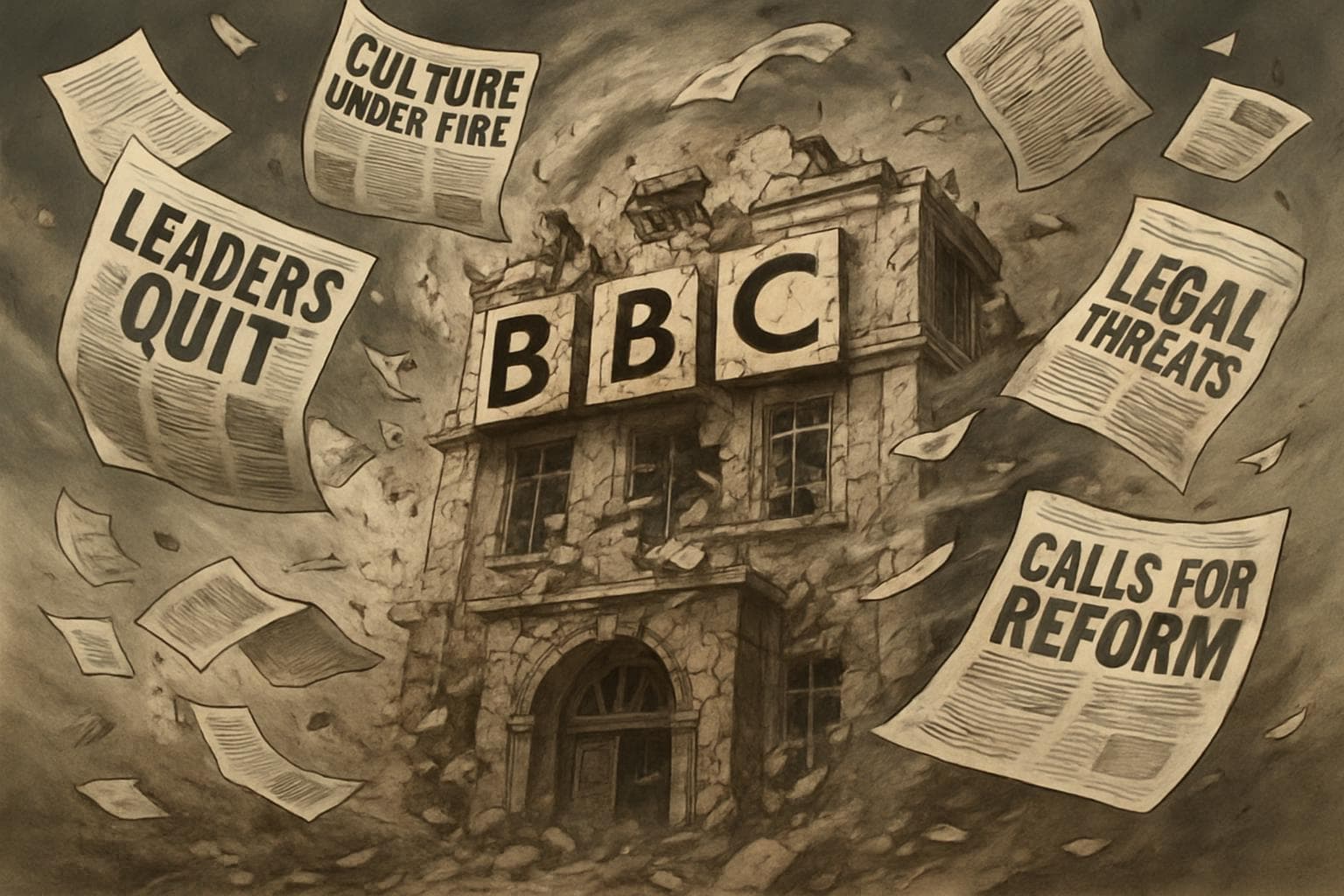
The BBC is grappling with a leadership crisis following the resignations of Director General Tim Davie and CEO of News Deborah Turness. The departures were triggered by a contentious Panorama episode and subsequent allegations of systemic issues within the corporation. Samir Shah, the BBC's chair, is under increasing scrutiny as calls for stability and reform grow louder.
Leadership Turmoil and Resignations
The resignations of Davie and Turness have intensified the spotlight on the BBC's governance. Their exits were precipitated by a Panorama episode that controversially edited a 2021 speech by former US President Donald Trump. Trump has since threatened legal action against the BBC, claiming defamation. Although the BBC has apologized, it has not met Trump's demand for financial compensation.
Systemic Issues and Cultural Criticism
A leaked memo from Michael Prescott, a former external adviser, has further fueled the crisis. The memo, which was leaked to the Daily Telegraph, criticized the BBC's reporting on Trump, Gaza, and trans issues, highlighting "systemic problems" within the organization. Mark Damazer, a former deputy director of BBC News, has pointed to a "toxic mix" of over-assertive board members and embattled executives, exacerbating the crisis.
Calls for Stability and Reform
Amidst the turmoil, Dame Caroline Dinenage, head of the Culture, Media and Sport Committee, has advised against further leadership changes. Speaking on BBC Radio 4's The Media Show, she emphasized the need for the BBC to stabilize and focus on internal reform. Dinenage described the current situation as chaotic and stressed the importance of effective leadership to guide the corporation through its challenges.
Board Dynamics and Impartiality Concerns
The role of Robbie Gibb, a BBC board member and former communications chief for Theresa May, has also come under scrutiny. Damazer suggested that Gibb should have recused himself from discussions on Middle East reporting due to potential conflicts of interest. This has raised further questions about the impartiality and governance of the BBC board.
WHAT THIS MIGHT MEAN
The BBC's leadership crisis presents significant challenges for the corporation's future. As the organization navigates this turbulent period, the focus will likely shift towards stabilizing its governance and addressing internal cultural issues. The upcoming Charter Review process could serve as an opportunity for the BBC to reassess its leadership structure and reinforce its commitment to impartiality and transparency.
Legal implications may arise from Trump's defamation threat, potentially impacting the BBC's financial and reputational standing. The corporation's ability to manage these challenges effectively will be crucial in restoring public trust and ensuring its long-term viability as a leading global broadcaster.
Images from the Web

Related Articles

UK Faces Dilemmas Amid Iran Conflict and China Spying Allegations

UK-Iran Tensions: Starmer Defends Cautious Approach Amid Trump Criticism
Diplomatic Tensions Rise as Trump Criticizes Starmer's Iran Policy

Tech Giants Pledge to Cover AI Data Center Energy Costs Amid Rising Electricity Concerns
Congress Subpoenas Attorney General Bondi in Epstein Investigation
Cuba Faces Widespread Blackout Amid Deepening Fuel Crisis
BBC Leadership Crisis Deepens Amid Resignations and Cultural Criticism
In This Article
 Ethan Brooks| Published
 HIGHLIGHTS
- BBC chair Samir Shah faces pressure amid leadership crisis, with calls to stabilize the corporation.
- Resignations of Director General Tim Davie and CEO Deborah Turness followed a controversial Panorama episode.
- A leaked memo by Michael Prescott highlighted systemic issues, including bias in reporting on Trump and Gaza.
- Former deputy director Mark Damazer cited a toxic culture of distrust and lack of self-reflection among BBC board members.
- Conservative MP Dame Caroline Dinenage advised against further leadership changes, emphasizing the need for internal reform.
The BBC is grappling with a leadership crisis following the resignations of Director General Tim Davie and CEO of News Deborah Turness. The departures were triggered by a contentious Panorama episode and subsequent allegations of systemic issues within the corporation. Samir Shah, the BBC's chair, is under increasing scrutiny as calls for stability and reform grow louder.
Leadership Turmoil and Resignations
The resignations of Davie and Turness have intensified the spotlight on the BBC's governance. Their exits were precipitated by a Panorama episode that controversially edited a 2021 speech by former US President Donald Trump. Trump has since threatened legal action against the BBC, claiming defamation. Although the BBC has apologized, it has not met Trump's demand for financial compensation.
Systemic Issues and Cultural Criticism
A leaked memo from Michael Prescott, a former external adviser, has further fueled the crisis. The memo, which was leaked to the Daily Telegraph, criticized the BBC's reporting on Trump, Gaza, and trans issues, highlighting "systemic problems" within the organization. Mark Damazer, a former deputy director of BBC News, has pointed to a "toxic mix" of over-assertive board members and embattled executives, exacerbating the crisis.
Calls for Stability and Reform
Amidst the turmoil, Dame Caroline Dinenage, head of the Culture, Media and Sport Committee, has advised against further leadership changes. Speaking on BBC Radio 4's The Media Show, she emphasized the need for the BBC to stabilize and focus on internal reform. Dinenage described the current situation as chaotic and stressed the importance of effective leadership to guide the corporation through its challenges.
Board Dynamics and Impartiality Concerns
The role of Robbie Gibb, a BBC board member and former communications chief for Theresa May, has also come under scrutiny. Damazer suggested that Gibb should have recused himself from discussions on Middle East reporting due to potential conflicts of interest. This has raised further questions about the impartiality and governance of the BBC board.
WHAT THIS MIGHT MEAN
The BBC's leadership crisis presents significant challenges for the corporation's future. As the organization navigates this turbulent period, the focus will likely shift towards stabilizing its governance and addressing internal cultural issues. The upcoming Charter Review process could serve as an opportunity for the BBC to reassess its leadership structure and reinforce its commitment to impartiality and transparency.
Legal implications may arise from Trump's defamation threat, potentially impacting the BBC's financial and reputational standing. The corporation's ability to manage these challenges effectively will be crucial in restoring public trust and ensuring its long-term viability as a leading global broadcaster.
Images from the Web
Related Articles
UK Faces Dilemmas Amid Iran Conflict and China Spying Allegations
UK-Iran Tensions: Starmer Defends Cautious Approach Amid Trump Criticism
Diplomatic Tensions Rise as Trump Criticizes Starmer's Iran Policy
Tech Giants Pledge to Cover AI Data Center Energy Costs Amid Rising Electricity Concerns
Congress Subpoenas Attorney General Bondi in Epstein Investigation
Cuba Faces Widespread Blackout Amid Deepening Fuel Crisis