
Resident Doctors’ Strike Set to Proceed as BMA Rejects Government Offer
In This Article
HIGHLIGHTS
- The British Medical Association (BMA) has rejected a new offer from Health Secretary Wes Streeting aimed at preventing a five-day resident doctors strike starting on 14 November.
- Streeting proposed covering exam fees and expanding training places, but the BMA insists on a pay increase, citing a 20% real-term pay cut since 2008.
- The offer included doubling training places to 2,000 by next year, yet the BMA argues this is insufficient to address the job bottleneck.
- Streeting has ruled out further pay increases, pointing to a 28.9% rise since 2023, while the BMA seeks a multi-year pay deal to restore salary value.
- The impending strike will be the 13th since March 2023, with potential disruptions to NHS services if unresolved.
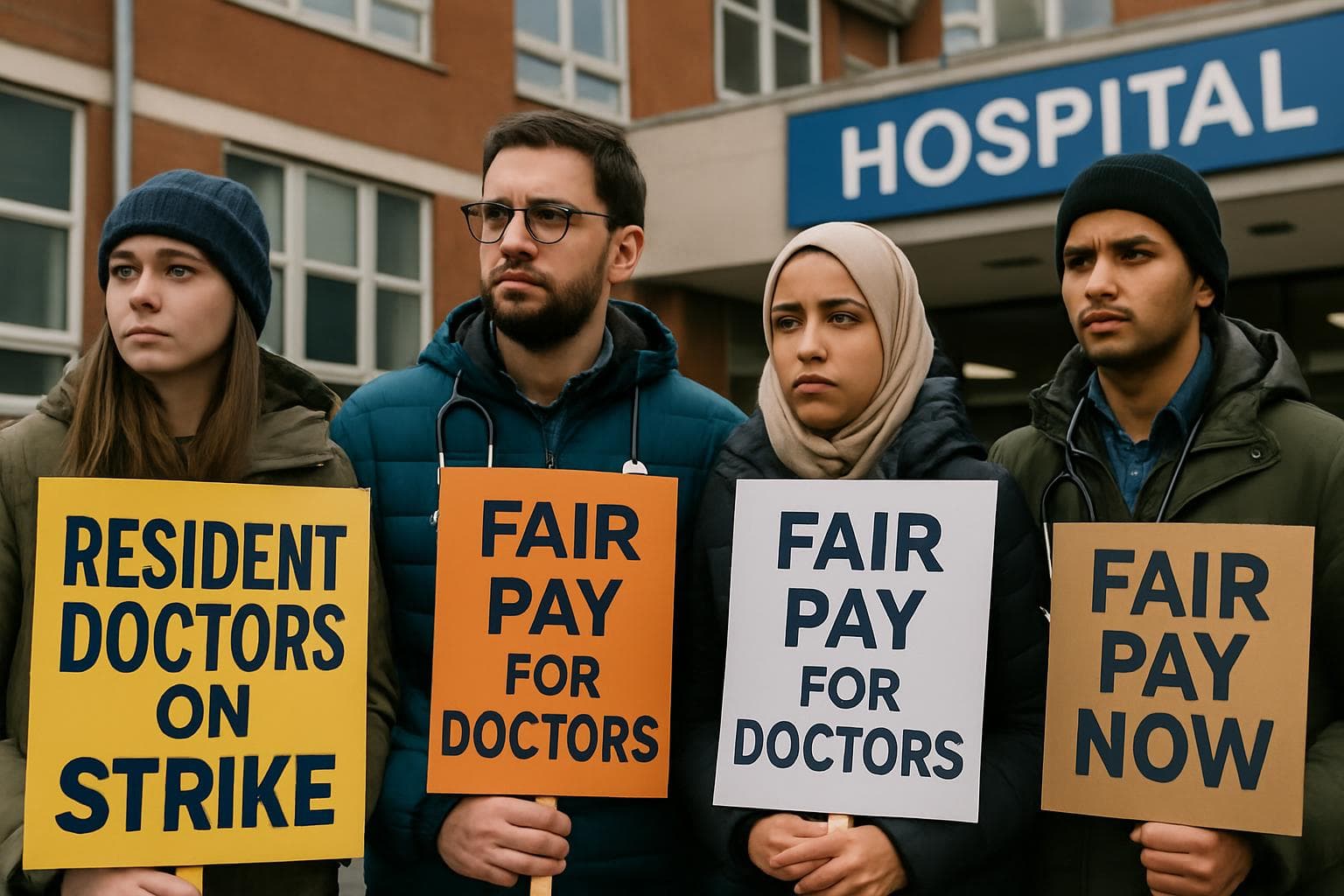
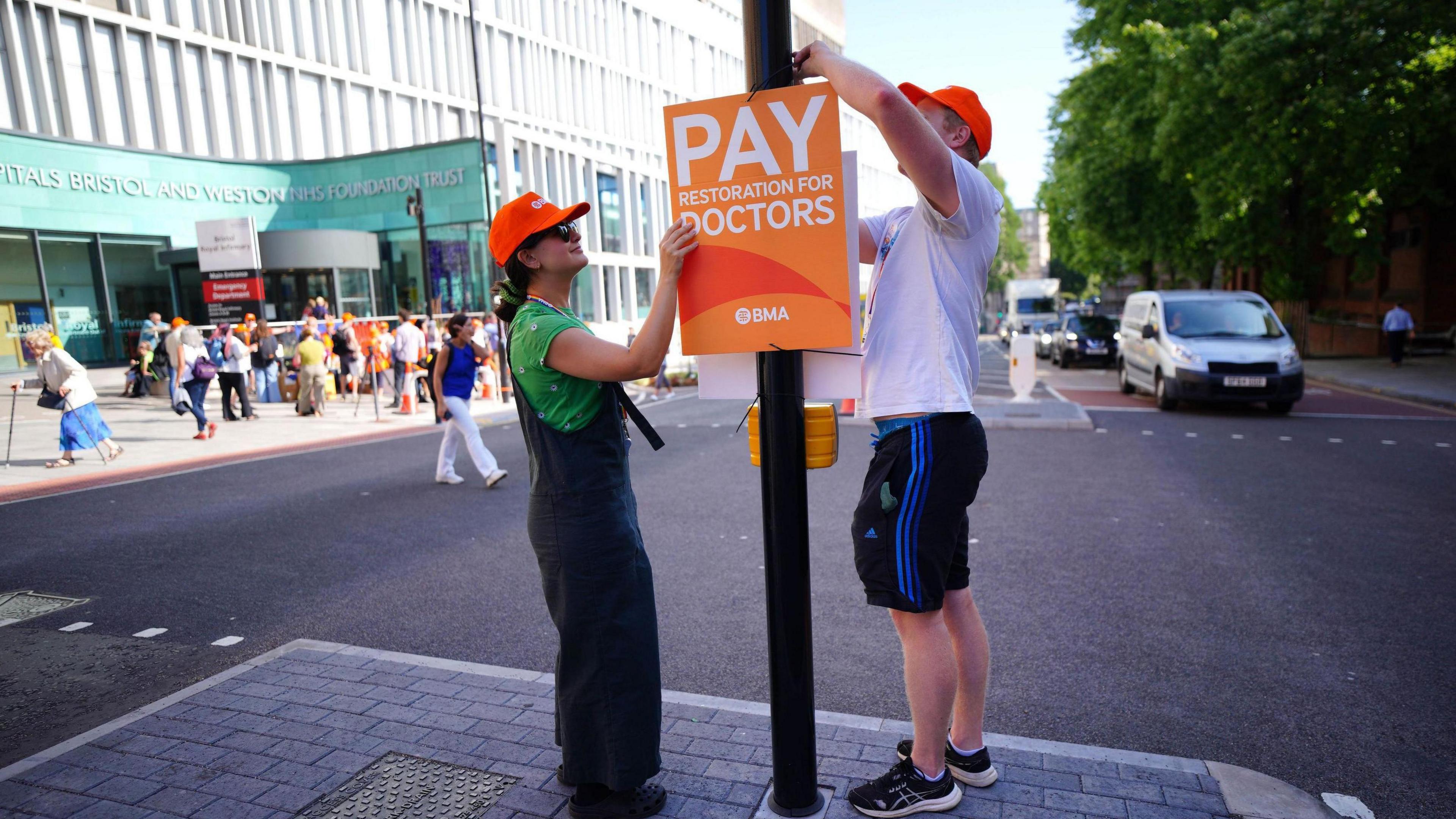
The British Medical Association (BMA) has turned down a fresh proposal from Health Secretary Wes Streeting, aimed at averting a looming five-day strike by resident doctors in England. The strike, scheduled to commence on 14 November, marks the 13th walkout since March 2023, underscoring the ongoing tensions within the UK's healthcare system.
Government's Offer Falls Short
In a bid to resolve the dispute, Streeting proposed a package that included covering the costs of mandatory exams and membership fees for professional bodies, alongside an expansion of training places. The offer aimed to double the number of training slots to 2,000 by next year, addressing the bottleneck faced by early-career doctors transitioning into specialist roles. Despite these measures, the BMA has maintained that the offer does not adequately address their primary concern: pay.
Pay Dispute at the Core
The BMA argues that resident doctors have experienced a significant real-term pay cut of 20% since 2008, despite recent pay rises totaling nearly 30% since 2023. Dr. Jack Fletcher, chair of the BMA's resident doctors committee, emphasized that the proposed expansion of training places would still leave many doctors without jobs, exacerbating the workforce crisis. Fletcher called for a multi-year pay deal to restore the value of doctors' salaries over time.
Implications for the NHS
Streeting has warned that the continuation of strikes could lead to disruptions in patient care and hinder the NHS's recovery efforts. He urged the BMA to reconsider their stance, highlighting the financial constraints faced by the government. However, the BMA remains firm, with Fletcher stating that a genuine solution on pay and jobs is necessary to avert further industrial action.
WHAT THIS MIGHT MEAN
As the strike approaches, the NHS faces potential disruptions in patient care and service delivery. If the government and the BMA fail to reach an agreement, the healthcare system may experience increased strain, particularly in specialist training areas. Experts suggest that a resolution may require a compromise on both pay and job security to address the underlying issues. The ongoing dispute highlights broader challenges within the UK healthcare system, including workforce shortages and financial constraints, which may necessitate long-term strategic planning and investment.
Images from the Web
Related Articles
Persistent Safety Concerns in Nottingham Maternity Services Amidst Calls for Systemic Reform

UK Government to Reform Asylum Seeker Support and Employment Policies

Saharan Dust to Illuminate UK Skies with Vivid Sunrises and Sunsets

Canada and Australia Forge Strategic Partnership Amid Global Uncertainty

Middle East Conflict Drives UK Energy Prices to New Highs

UK Faces Dilemmas Amid Iran Conflict and China Spying Allegations
Resident Doctors’ Strike Set to Proceed as BMA Rejects Government Offer
In This Article
 Maya Singh| Published
 HIGHLIGHTS
- The British Medical Association (BMA) has rejected a new offer from Health Secretary Wes Streeting aimed at preventing a five-day resident doctors strike starting on 14 November.
- Streeting proposed covering exam fees and expanding training places, but the BMA insists on a pay increase, citing a 20% real-term pay cut since 2008.
- The offer included doubling training places to 2,000 by next year, yet the BMA argues this is insufficient to address the job bottleneck.
- Streeting has ruled out further pay increases, pointing to a 28.9% rise since 2023, while the BMA seeks a multi-year pay deal to restore salary value.
- The impending strike will be the 13th since March 2023, with potential disruptions to NHS services if unresolved.
The British Medical Association (BMA) has turned down a fresh proposal from Health Secretary Wes Streeting, aimed at averting a looming five-day strike by resident doctors in England. The strike, scheduled to commence on 14 November, marks the 13th walkout since March 2023, underscoring the ongoing tensions within the UK's healthcare system.
Government's Offer Falls Short
In a bid to resolve the dispute, Streeting proposed a package that included covering the costs of mandatory exams and membership fees for professional bodies, alongside an expansion of training places. The offer aimed to double the number of training slots to 2,000 by next year, addressing the bottleneck faced by early-career doctors transitioning into specialist roles. Despite these measures, the BMA has maintained that the offer does not adequately address their primary concern: pay.
Pay Dispute at the Core
The BMA argues that resident doctors have experienced a significant real-term pay cut of 20% since 2008, despite recent pay rises totaling nearly 30% since 2023. Dr. Jack Fletcher, chair of the BMA's resident doctors committee, emphasized that the proposed expansion of training places would still leave many doctors without jobs, exacerbating the workforce crisis. Fletcher called for a multi-year pay deal to restore the value of doctors' salaries over time.
Implications for the NHS
Streeting has warned that the continuation of strikes could lead to disruptions in patient care and hinder the NHS's recovery efforts. He urged the BMA to reconsider their stance, highlighting the financial constraints faced by the government. However, the BMA remains firm, with Fletcher stating that a genuine solution on pay and jobs is necessary to avert further industrial action.
WHAT THIS MIGHT MEAN
As the strike approaches, the NHS faces potential disruptions in patient care and service delivery. If the government and the BMA fail to reach an agreement, the healthcare system may experience increased strain, particularly in specialist training areas. Experts suggest that a resolution may require a compromise on both pay and job security to address the underlying issues. The ongoing dispute highlights broader challenges within the UK healthcare system, including workforce shortages and financial constraints, which may necessitate long-term strategic planning and investment.
Images from the Web
Related Articles
Persistent Safety Concerns in Nottingham Maternity Services Amidst Calls for Systemic Reform
UK Government to Reform Asylum Seeker Support and Employment Policies
Saharan Dust to Illuminate UK Skies with Vivid Sunrises and Sunsets
Canada and Australia Forge Strategic Partnership Amid Global Uncertainty
Middle East Conflict Drives UK Energy Prices to New Highs
UK Faces Dilemmas Amid Iran Conflict and China Spying Allegations