
Crackdown on Waste Crime: £1.2 Million Fine and New Drone Unit to Combat Illegal Dumping

In This Article
HIGHLIGHTS
- Varun Datta was ordered to pay £1.2 million for illegally dumping over 4,000 tonnes of waste across England.
- The Environment Agency uncovered 16 illegal dumping sites, leading to Datta's conviction and a suspended prison sentence.
- A new drone unit with advanced technology will be deployed to combat waste crime, supported by increased government funding.
- The Environment Agency's budget for waste crime enforcement has been increased by over 50% to £15.6 million.
- The government is intensifying efforts to tackle waste crime with new technologies and expanded enforcement teams.
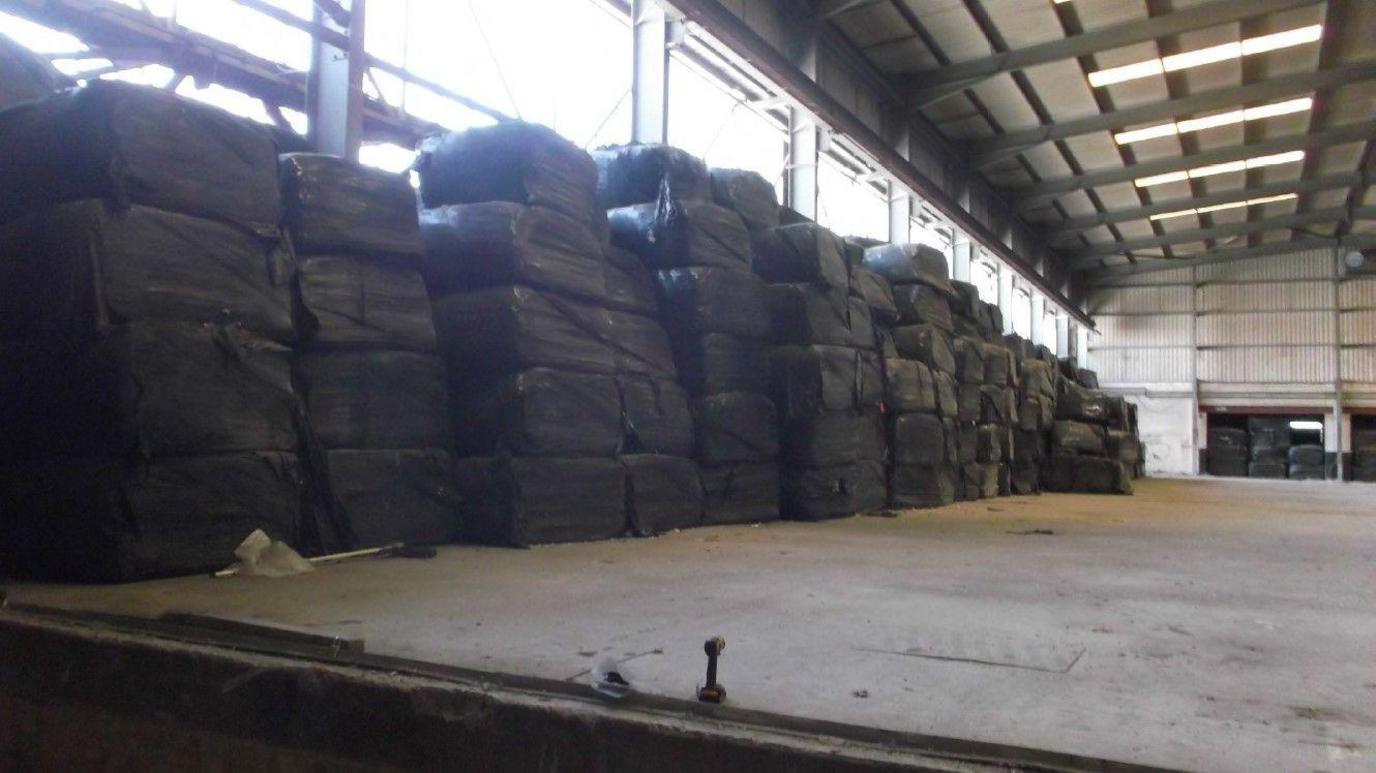
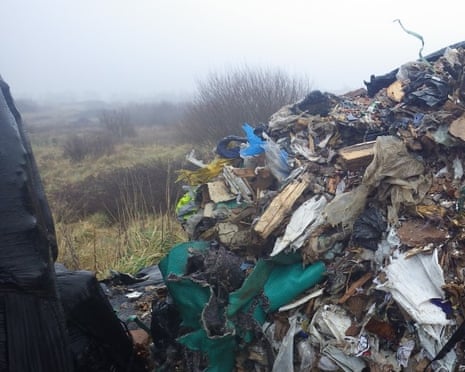
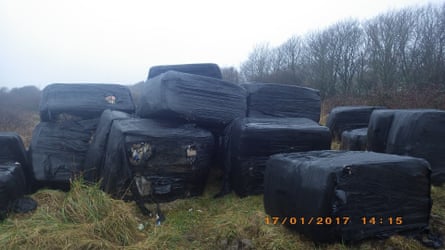
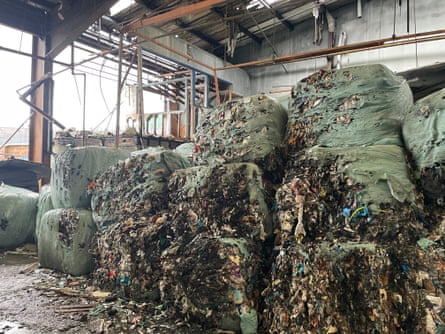
In a significant move against waste crime, Varun Datta, a prolific waste criminal, has been ordered to pay £1.2 million for illegally dumping over 4,000 tonnes of waste across England. The Environment Agency's extensive investigation revealed a network of 16 illegal dumping sites, including locations in Surrey, Cambridgeshire, and Kent. Datta, 36, received a four-month prison sentence, suspended for 18 months, and was ordered to pay £1.1 million reflecting the financial benefit from his crimes, plus £100,000 in compensation and £200,000 in prosecution costs.
Illegal Dumping Network Uncovered
The Environment Agency's investigation exposed the scale of Datta's operations, which involved diverting waste to unlicensed sites under the guise of legal disposal. Judge Paul Farrar KC described the crimes as reckless, noting the adverse effects on air quality and the substantial costs incurred by landowners to remove the waste. Datta's company, Atkins Recycling Ltd, became a registered waste broker in 2015, but instead of legal disposal, the waste was dumped at sites across Lincolnshire, Lancashire, and other counties.
Government's Technological Response
In response to the growing issue of waste crime, the government has announced the deployment of a new 33-strong drone unit equipped with advanced laser technology. This initiative aims to map illegal waste sites and gather evidence more effectively. The Environment Agency's budget for waste crime enforcement has been increased by over 50% to £15.6 million, reflecting the government's commitment to tackling this environmental threat.
Enhanced Enforcement Measures
The Environment Agency is also expanding its Joint Unit for Waste Crime from 13 to 20 specialists. Phil Davies, head of the unit, emphasized the importance of adopting new technologies to combat increasingly sophisticated criminal activities. Environment Secretary Emma Reynolds reiterated the government's dedication to holding waste criminals accountable, highlighting the use of drone surveillance and new vehicle scanning tools as part of the strategy.
WHAT THIS MIGHT MEAN
The government's intensified efforts to combat waste crime through technological advancements and increased funding could lead to more efficient detection and prosecution of offenders. The deployment of drones and enhanced enforcement measures may deter potential criminals and reduce the prevalence of illegal dumping. However, the success of these initiatives will depend on the effective implementation and coordination between various agencies. As waste crime continues to evolve, ongoing adaptation and innovation in enforcement strategies will be crucial to safeguarding the environment and public health.
Images from the Web



Related Articles

Police Federation Chief Arrested Amid Fraud Investigation

Government U-turn Forces Local Elections in Lancashire and Essex Amid Reorganisation Plans

Flood Risk and Housing Development: A Growing Concern in England

Saharan Dust to Illuminate UK Skies with Vivid Sunrises and Sunsets

Government Announces £4 Billion Overhaul of SEND Support in England

UK Government Announces Major Overhaul of SEND System with £3.4 Billion Investment
Crackdown on Waste Crime: £1.2 Million Fine and New Drone Unit to Combat Illegal Dumping
In This Article
 Sofia Romano| Published
 HIGHLIGHTS
- Varun Datta was ordered to pay £1.2 million for illegally dumping over 4,000 tonnes of waste across England.
- The Environment Agency uncovered 16 illegal dumping sites, leading to Datta's conviction and a suspended prison sentence.
- A new drone unit with advanced technology will be deployed to combat waste crime, supported by increased government funding.
- The Environment Agency's budget for waste crime enforcement has been increased by over 50% to £15.6 million.
- The government is intensifying efforts to tackle waste crime with new technologies and expanded enforcement teams.
In a significant move against waste crime, Varun Datta, a prolific waste criminal, has been ordered to pay £1.2 million for illegally dumping over 4,000 tonnes of waste across England. The Environment Agency's extensive investigation revealed a network of 16 illegal dumping sites, including locations in Surrey, Cambridgeshire, and Kent. Datta, 36, received a four-month prison sentence, suspended for 18 months, and was ordered to pay £1.1 million reflecting the financial benefit from his crimes, plus £100,000 in compensation and £200,000 in prosecution costs.
Illegal Dumping Network Uncovered
The Environment Agency's investigation exposed the scale of Datta's operations, which involved diverting waste to unlicensed sites under the guise of legal disposal. Judge Paul Farrar KC described the crimes as reckless, noting the adverse effects on air quality and the substantial costs incurred by landowners to remove the waste. Datta's company, Atkins Recycling Ltd, became a registered waste broker in 2015, but instead of legal disposal, the waste was dumped at sites across Lincolnshire, Lancashire, and other counties.
Government's Technological Response
In response to the growing issue of waste crime, the government has announced the deployment of a new 33-strong drone unit equipped with advanced laser technology. This initiative aims to map illegal waste sites and gather evidence more effectively. The Environment Agency's budget for waste crime enforcement has been increased by over 50% to £15.6 million, reflecting the government's commitment to tackling this environmental threat.
Enhanced Enforcement Measures
The Environment Agency is also expanding its Joint Unit for Waste Crime from 13 to 20 specialists. Phil Davies, head of the unit, emphasized the importance of adopting new technologies to combat increasingly sophisticated criminal activities. Environment Secretary Emma Reynolds reiterated the government's dedication to holding waste criminals accountable, highlighting the use of drone surveillance and new vehicle scanning tools as part of the strategy.
WHAT THIS MIGHT MEAN
The government's intensified efforts to combat waste crime through technological advancements and increased funding could lead to more efficient detection and prosecution of offenders. The deployment of drones and enhanced enforcement measures may deter potential criminals and reduce the prevalence of illegal dumping. However, the success of these initiatives will depend on the effective implementation and coordination between various agencies. As waste crime continues to evolve, ongoing adaptation and innovation in enforcement strategies will be crucial to safeguarding the environment and public health.
Images from the Web
Related Articles
Police Federation Chief Arrested Amid Fraud Investigation
Government U-turn Forces Local Elections in Lancashire and Essex Amid Reorganisation Plans
Flood Risk and Housing Development: A Growing Concern in England
Saharan Dust to Illuminate UK Skies with Vivid Sunrises and Sunsets
Government Announces £4 Billion Overhaul of SEND Support in England
UK Government Announces Major Overhaul of SEND System with £3.4 Billion Investment