
UK SEND Education Reforms: New Funding, Infrastructure Proposals, and Potential Backlash

In This Article
HIGHLIGHTS
- Barnsley Council scrapped plans for two new SEND schools, opting for £9m in government funding to expand existing facilities.
- The Liberal Democrats propose designating SEND services as critical infrastructure to prevent exploitation by private investors.
- The UK government plans to introduce new national standards and price bands for independent SEND providers.
- Reforms will allow mainstream schools in England to directly manage budgets for special needs support.
- Concerns arise over potential backlash from parents and campaign groups regarding changes to SEND support eligibility.
In a significant shift in the approach to special educational needs and disabilities (SEND) in England, Barnsley Council has decided to abandon plans for two new SEND schools. Instead, the council will utilize over £9 million in government funding to create 200 specialist places within existing educational settings. This decision aims to address the rising demand for SEND places more swiftly, as the original plan could have delayed new placements until 2030.
The council's new strategy involves expanding specialist units in mainstream schools and enhancing alternative provisions for students unable to attend regular classes. A spokesperson emphasized that this approach would allow the council to meet the increasing demand for specialist places more efficiently.
Meanwhile, the Liberal Democrats have called for SEND services to be classified as critical national infrastructure. This move is intended to prevent private investors from exploiting these services as "cash cows." The party's proposal includes granting the government more authority to scrutinize acquisitions of SEND providers, ensuring that such deals serve the public interest.
The Department for Education is set to unveil reforms aimed at standardizing costs and improving the quality of SEND services. These reforms include new national standards and price bands for independent providers, potentially capping fees at £60,000 annually. The government also plans to shift more SEND support to mainstream schools, providing them with direct budgets to manage special needs support.
However, these changes have sparked concerns among parents and advocacy groups. Critics fear that the proposed reforms could dilute the legal rights of children with special needs, particularly regarding the reassessment of support eligibility at key educational transitions. Despite these concerns, government insiders remain optimistic about the reforms, citing increased funding from the Treasury as a positive step.
WHAT THIS MIGHT MEAN
The upcoming reforms to SEND services in England could significantly alter the landscape of special needs education. If successfully implemented, the changes could lead to more efficient use of resources and improved support for children with special needs within mainstream schools. However, the potential backlash from parents and advocacy groups poses a challenge that the government must address carefully.
The designation of SEND services as critical infrastructure could provide a safeguard against private exploitation, ensuring that public funds are directed towards enhancing educational outcomes. As the government prepares to roll out these reforms, it will be crucial to maintain transparent communication with stakeholders to build trust and ensure that the changes meet the needs of all involved.
Ultimately, the success of these reforms will depend on the government's ability to balance cost control with the provision of high-quality support for children with special needs. The coming months will be pivotal in determining the trajectory of SEND education in England.
Related Articles
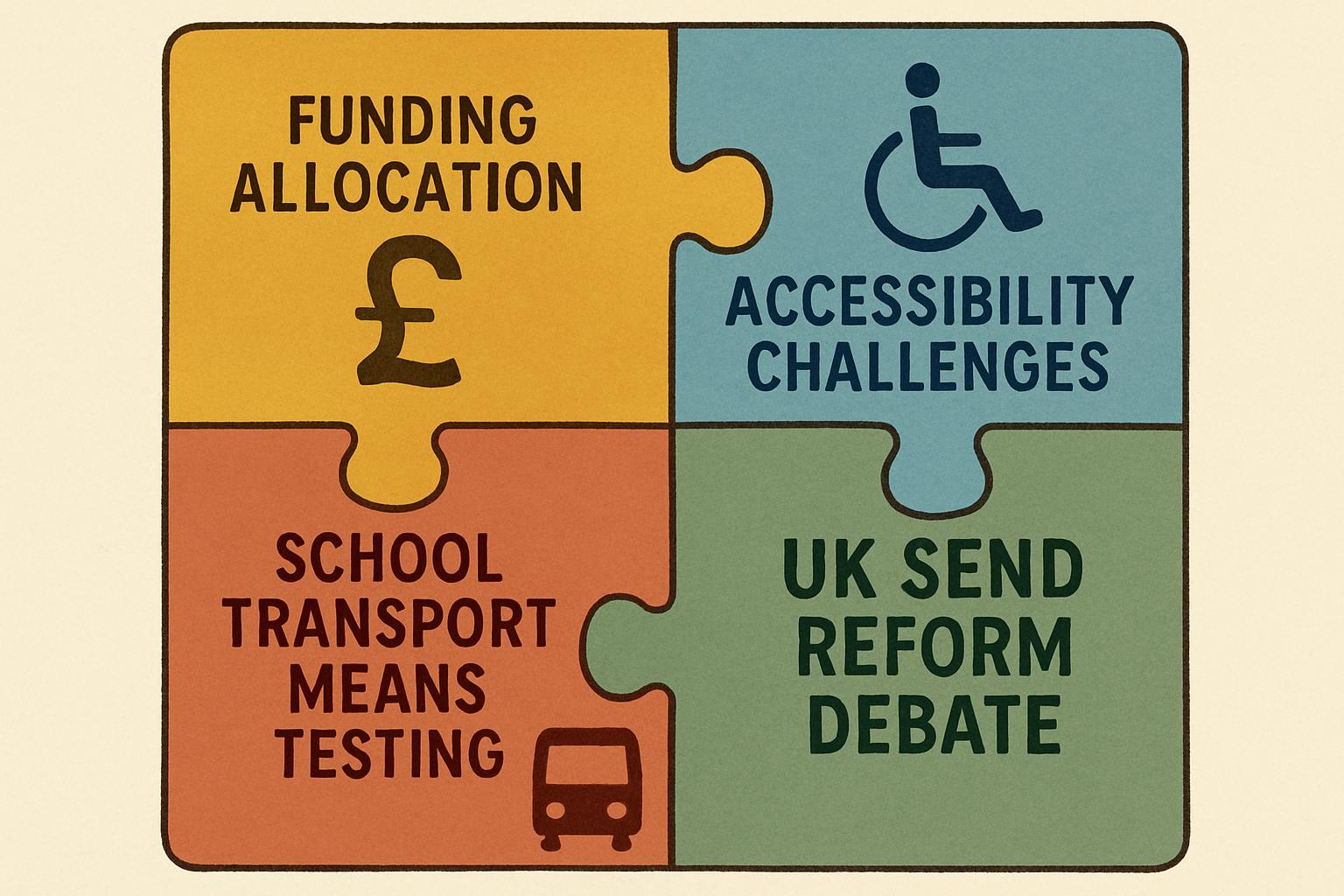
UK Government's SEND Reforms Spark Debate Over Funding and Accessibility

Government Announces £4 Billion Overhaul of SEND Support in England

UK Government Announces Major Overhaul of SEND System with £3.4 Billion Investment

Government Unveils Ambitious Plan to Halve Attainment Gap in England's Schools

UK Government's SEND Reforms: A Critical Turning Point for Special Education

UK Government Reconsiders Youth Minimum Wage Policy Amid Rising Unemployment
UK SEND Education Reforms: New Funding, Infrastructure Proposals, and Potential Backlash
In This Article
 Aya Nakamura| Published
 HIGHLIGHTS
- Barnsley Council scrapped plans for two new SEND schools, opting for £9m in government funding to expand existing facilities.
- The Liberal Democrats propose designating SEND services as critical infrastructure to prevent exploitation by private investors.
- The UK government plans to introduce new national standards and price bands for independent SEND providers.
- Reforms will allow mainstream schools in England to directly manage budgets for special needs support.
- Concerns arise over potential backlash from parents and campaign groups regarding changes to SEND support eligibility.
In a significant shift in the approach to special educational needs and disabilities (SEND) in England, Barnsley Council has decided to abandon plans for two new SEND schools. Instead, the council will utilize over £9 million in government funding to create 200 specialist places within existing educational settings. This decision aims to address the rising demand for SEND places more swiftly, as the original plan could have delayed new placements until 2030.
The council's new strategy involves expanding specialist units in mainstream schools and enhancing alternative provisions for students unable to attend regular classes. A spokesperson emphasized that this approach would allow the council to meet the increasing demand for specialist places more efficiently.
Meanwhile, the Liberal Democrats have called for SEND services to be classified as critical national infrastructure. This move is intended to prevent private investors from exploiting these services as "cash cows." The party's proposal includes granting the government more authority to scrutinize acquisitions of SEND providers, ensuring that such deals serve the public interest.
The Department for Education is set to unveil reforms aimed at standardizing costs and improving the quality of SEND services. These reforms include new national standards and price bands for independent providers, potentially capping fees at £60,000 annually. The government also plans to shift more SEND support to mainstream schools, providing them with direct budgets to manage special needs support.
However, these changes have sparked concerns among parents and advocacy groups. Critics fear that the proposed reforms could dilute the legal rights of children with special needs, particularly regarding the reassessment of support eligibility at key educational transitions. Despite these concerns, government insiders remain optimistic about the reforms, citing increased funding from the Treasury as a positive step.
WHAT THIS MIGHT MEAN
The upcoming reforms to SEND services in England could significantly alter the landscape of special needs education. If successfully implemented, the changes could lead to more efficient use of resources and improved support for children with special needs within mainstream schools. However, the potential backlash from parents and advocacy groups poses a challenge that the government must address carefully.
The designation of SEND services as critical infrastructure could provide a safeguard against private exploitation, ensuring that public funds are directed towards enhancing educational outcomes. As the government prepares to roll out these reforms, it will be crucial to maintain transparent communication with stakeholders to build trust and ensure that the changes meet the needs of all involved.
Ultimately, the success of these reforms will depend on the government's ability to balance cost control with the provision of high-quality support for children with special needs. The coming months will be pivotal in determining the trajectory of SEND education in England.
Related Articles
UK Government's SEND Reforms Spark Debate Over Funding and Accessibility
Government Announces £4 Billion Overhaul of SEND Support in England
UK Government Announces Major Overhaul of SEND System with £3.4 Billion Investment
Government Unveils Ambitious Plan to Halve Attainment Gap in England's Schools
UK Government's SEND Reforms: A Critical Turning Point for Special Education
UK Government Reconsiders Youth Minimum Wage Policy Amid Rising Unemployment