
UK Government's SEND Reforms Spark Debate Over Funding and Accessibility
In This Article
HIGHLIGHTS
- Central Bedfordshire Council will allocate £6.5m to expand SEND provisions instead of building a new school, with funding spread over three years starting in 2026.
- The UK government is planning a major overhaul of the SEND system, including reassessing children with EHCPs as they transition between educational phases.
- Proposed reforms could introduce Individual Support Plans for all SEND children, potentially affecting 1.28 million more children.
- Councils are advocating for means testing for SEND school transport to manage rising costs, which could reach £3.4bn by 2030-31.
- Campaigners warn that means testing could restrict access to education for disabled children, emphasizing the need for transport based on need rather than parental income.
The UK government is poised to implement significant reforms to the special educational needs and disabilities (SEND) system, aiming to address longstanding issues while managing escalating costs. Central Bedfordshire Council has opted to redirect £6.5 million towards expanding existing SEND provisions rather than constructing a new school, a decision influenced by the Department for Education's funding offer. This strategic move is expected to expedite the availability of resources across multiple locations, with the first installment of funding anticipated in the summer of 2026.
Major Overhaul of SEND System
In a move described as the most extensive overhaul in a generation, the government plans to reassess children with Education Health and Care Plans (EHCPs) as they transition from primary to secondary education starting in 2029. This reassessment aims to streamline support and reduce the number of EHCPs, which currently cover nearly 639,000 individuals in England. The introduction of school-led Individual Support Plans (ISPs) is expected to extend legal rights to all children with SEND, potentially impacting an additional 1.28 million children.
Paul Whiteman, General Secretary of the National Association of Headteachers, criticized the current system, stating it fails both children and schools. The reforms, which may be unveiled soon, are anticipated to emphasize outcomes and early support, reducing the need for intensive interventions later.
Financial Implications and Means Testing
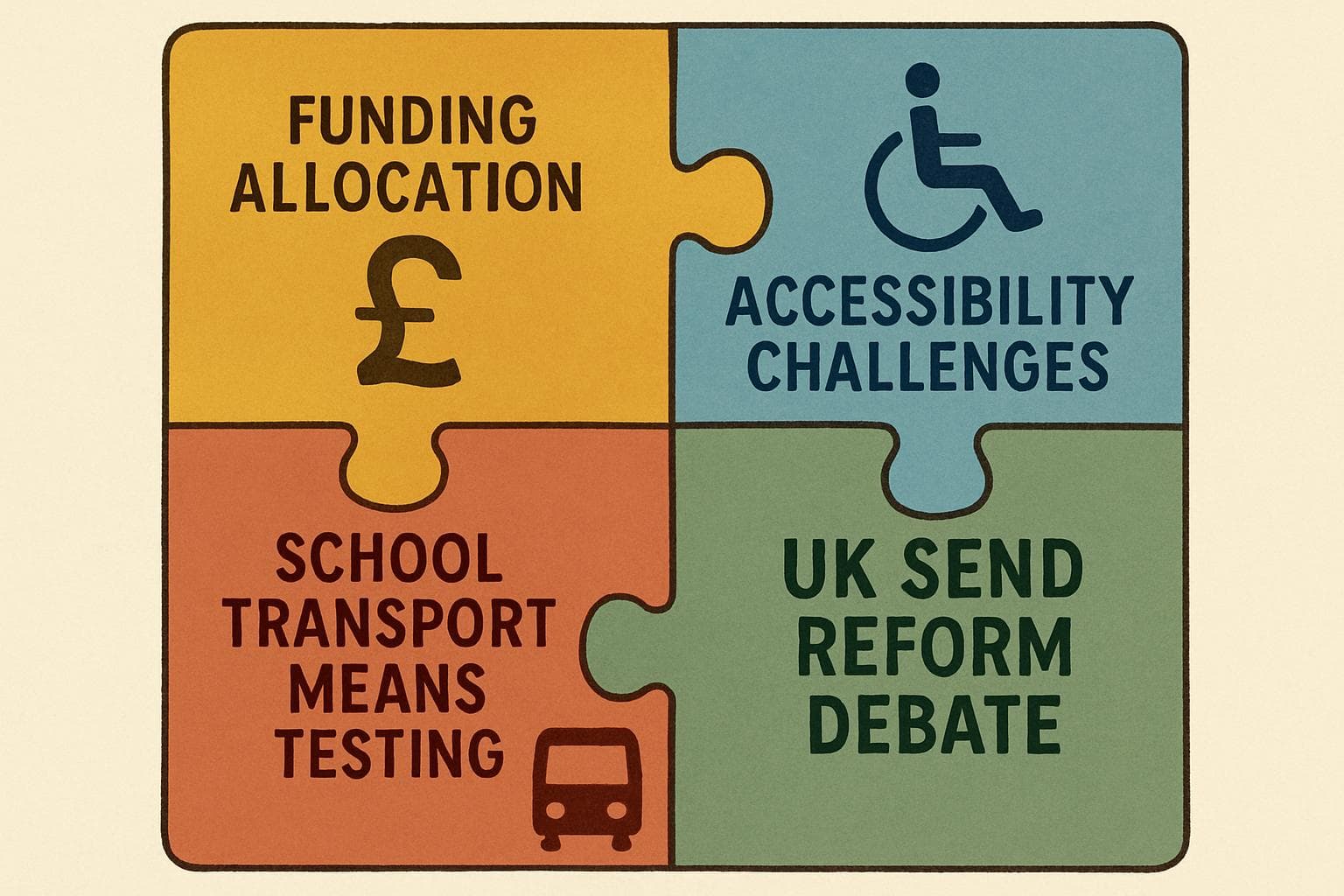
Local councils are grappling with the financial strain of SEND school transport, with costs projected to rise from £2 billion last year to £3.4 billion by 2030-31. The County Councils Network (CCN) has proposed means testing for school transport, suggesting families above a certain income contribute financially. This proposal aims to alleviate budget pressures but has sparked concerns among campaigners.
Anna Bird, chair of the Disabled Children’s Partnership, argues that transport decisions should be based on a child's needs rather than parental income. Critics warn that means testing could hinder educational access for disabled children, emphasizing the complexity of their transport needs compared to their non-disabled peers.
WHAT THIS MIGHT MEAN
As the government prepares to unveil its SEND reforms, the potential political and social ramifications are significant. The introduction of means testing for school transport could face substantial opposition from advocacy groups and families, potentially leading to legal challenges. The reassessment of EHCPs may streamline support but could also result in fewer children receiving comprehensive plans, raising concerns about adequate care.
Education Secretary Bridget Phillipson's emphasis on clear criteria for support levels suggests a shift towards a more standardized approach, which may improve consistency but could also limit flexibility. The success of these reforms will likely depend on their implementation and the government's ability to balance cost control with the needs of SEND children and their families.
Related Articles

Government Announces £4 Billion Overhaul of SEND Support in England

UK Government Announces Major Overhaul of SEND System with £3.4 Billion Investment

Government Unveils Ambitious Plan to Halve Attainment Gap in England's Schools

UK Government's SEND Reforms: A Critical Turning Point for Special Education
UK SEND Education Reforms: New Funding, Infrastructure Proposals, and Potential Backlash

UK Government Eases Deer Culling to Protect Woodlands and Farmland
UK Government's SEND Reforms Spark Debate Over Funding and Accessibility
In This Article
 Aya Nakamura| Published
 HIGHLIGHTS
- Central Bedfordshire Council will allocate £6.5m to expand SEND provisions instead of building a new school, with funding spread over three years starting in 2026.
- The UK government is planning a major overhaul of the SEND system, including reassessing children with EHCPs as they transition between educational phases.
- Proposed reforms could introduce Individual Support Plans for all SEND children, potentially affecting 1.28 million more children.
- Councils are advocating for means testing for SEND school transport to manage rising costs, which could reach £3.4bn by 2030-31.
- Campaigners warn that means testing could restrict access to education for disabled children, emphasizing the need for transport based on need rather than parental income.
The UK government is poised to implement significant reforms to the special educational needs and disabilities (SEND) system, aiming to address longstanding issues while managing escalating costs. Central Bedfordshire Council has opted to redirect £6.5 million towards expanding existing SEND provisions rather than constructing a new school, a decision influenced by the Department for Education's funding offer. This strategic move is expected to expedite the availability of resources across multiple locations, with the first installment of funding anticipated in the summer of 2026.
Major Overhaul of SEND System
In a move described as the most extensive overhaul in a generation, the government plans to reassess children with Education Health and Care Plans (EHCPs) as they transition from primary to secondary education starting in 2029. This reassessment aims to streamline support and reduce the number of EHCPs, which currently cover nearly 639,000 individuals in England. The introduction of school-led Individual Support Plans (ISPs) is expected to extend legal rights to all children with SEND, potentially impacting an additional 1.28 million children.
Paul Whiteman, General Secretary of the National Association of Headteachers, criticized the current system, stating it fails both children and schools. The reforms, which may be unveiled soon, are anticipated to emphasize outcomes and early support, reducing the need for intensive interventions later.
Financial Implications and Means Testing
Local councils are grappling with the financial strain of SEND school transport, with costs projected to rise from £2 billion last year to £3.4 billion by 2030-31. The County Councils Network (CCN) has proposed means testing for school transport, suggesting families above a certain income contribute financially. This proposal aims to alleviate budget pressures but has sparked concerns among campaigners.
Anna Bird, chair of the Disabled Children’s Partnership, argues that transport decisions should be based on a child's needs rather than parental income. Critics warn that means testing could hinder educational access for disabled children, emphasizing the complexity of their transport needs compared to their non-disabled peers.
WHAT THIS MIGHT MEAN
As the government prepares to unveil its SEND reforms, the potential political and social ramifications are significant. The introduction of means testing for school transport could face substantial opposition from advocacy groups and families, potentially leading to legal challenges. The reassessment of EHCPs may streamline support but could also result in fewer children receiving comprehensive plans, raising concerns about adequate care.
Education Secretary Bridget Phillipson's emphasis on clear criteria for support levels suggests a shift towards a more standardized approach, which may improve consistency but could also limit flexibility. The success of these reforms will likely depend on their implementation and the government's ability to balance cost control with the needs of SEND children and their families.
Related Articles
Government Announces £4 Billion Overhaul of SEND Support in England
UK Government Announces Major Overhaul of SEND System with £3.4 Billion Investment
Government Unveils Ambitious Plan to Halve Attainment Gap in England's Schools
UK Government's SEND Reforms: A Critical Turning Point for Special Education
UK SEND Education Reforms: New Funding, Infrastructure Proposals, and Potential Backlash
UK Government Eases Deer Culling to Protect Woodlands and Farmland