
Flood Risk and Housing Development: A Growing Concern in England
In This Article
HIGHLIGHTS
- Residents of Alfold, Surrey, express concerns over new housing developments due to existing flooding issues.
- Thames Water is using tankers to manage excess water, highlighting infrastructure challenges.
- One in nine new homes in England are built in flood-risk areas, raising environmental concerns.
- Developers argue that new housing is needed despite the flood risk, citing a housing shortage.
- Government targets for new homes may increase pressure to build in flood-prone areas.
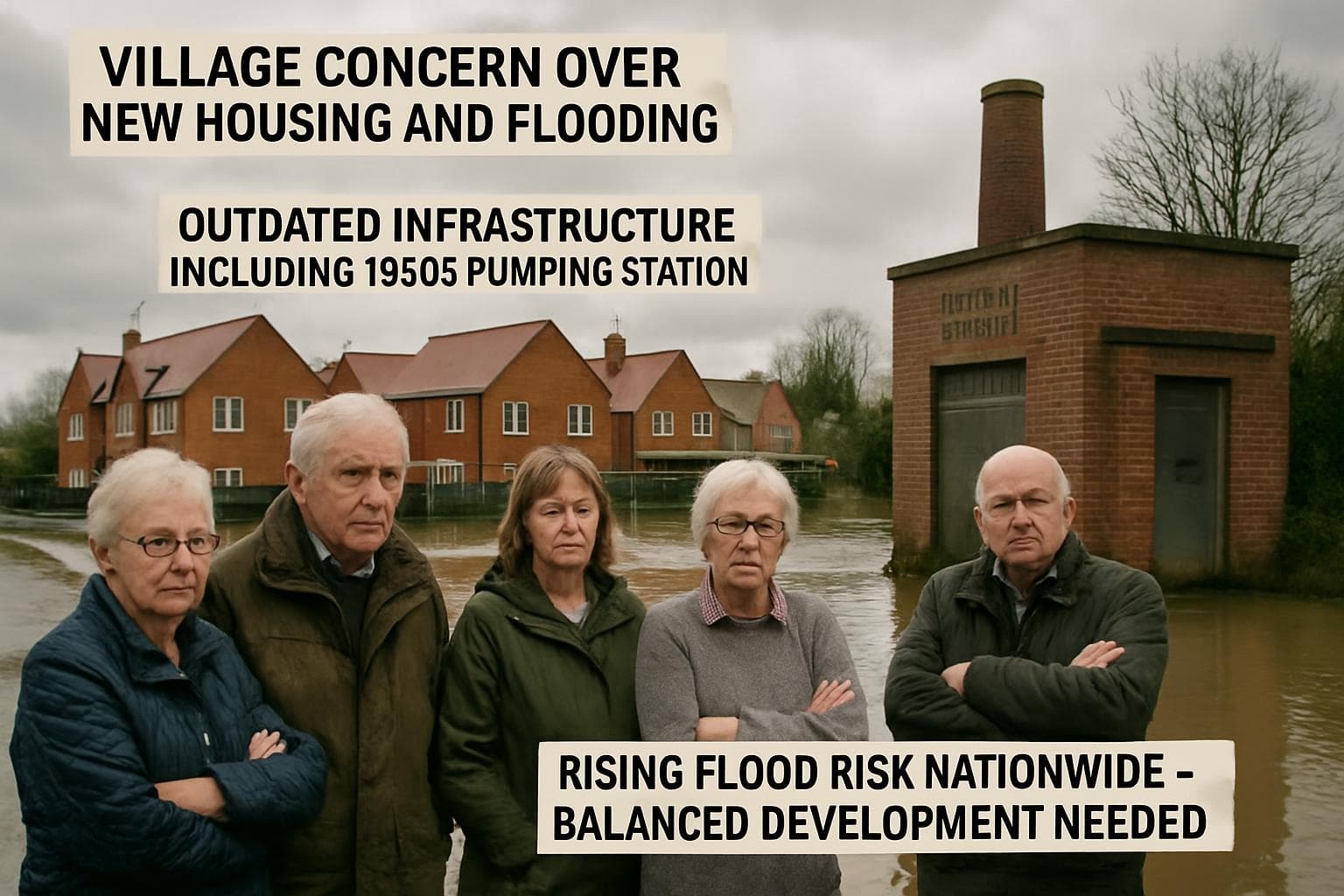
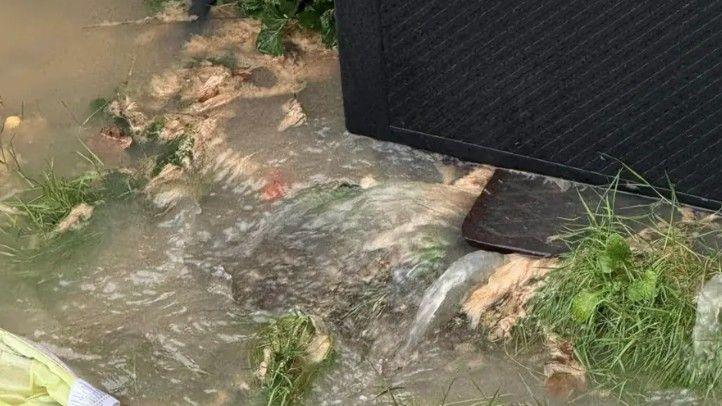
Residents of Alfold, a village in Surrey, are voicing their concerns over proposed housing developments amid ongoing flooding issues. The village, which currently has 450 homes, faces potential expansion with planning applications for up to 900 new homes. Thames Water has been deploying tankers to manage excess water, a temporary solution to the village's inadequate infrastructure.
Infrastructure Strain in Alfold
Alfold's residents, including Peter Foy of the Alfold Resilience Group, highlight the village's outdated pumping station, built in the 1950s, as a major issue. "The network cannot cope with the 2025 size of the village without investment," Foy stated. Long-time resident David Martin echoed these concerns, describing the situation as a public health issue due to sewage flooding.
National Flood Risk Concerns
A recent study reveals that one in nine new homes in England, built between 2022 and 2024, are located in flood-risk areas. This trend is attributed to the government's pressure to deliver affordable housing amidst climate change impacts. Emma Howard Boyd, former chair of the Environment Agency, warns against building homes in high-risk areas, urging collaboration between Defra and the Ministry for Housing.
Developers and Government Response
Developers like Wates Developments and Thakeham argue that new housing is essential to meet demand, despite the environmental concerns. A spokesperson for Wates Developments emphasized their proposal's alignment with local authority recommendations. Meanwhile, the government maintains that existing flood defences are not considered in the risk analysis, a claim disputed by insurer Aviva.
WHAT THIS MIGHT MEAN
The ongoing debate between housing needs and environmental risks is likely to intensify as the government pursues its target of 1.5 million new homes. Experts suggest that without significant investment in infrastructure and flood defences, communities like Alfold may face increased vulnerability. The situation calls for a balanced approach, integrating sustainable development practices to mitigate future risks. As climate change continues to impact weather patterns, the pressure on policymakers to address these challenges will only grow.
Images from the Web
Related Articles

UK Government Eases Deer Culling to Protect Woodlands and Farmland

Crackdown on Waste Crime: £1.2 Million Fine and New Drone Unit to Combat Illegal Dumping

UK Government Reconsiders Youth Minimum Wage Policy Amid Rising Unemployment

Police Federation Chief Arrested Amid Fraud Investigation

Saharan Dust to Illuminate UK Skies with Vivid Sunrises and Sunsets

Government Announces £4 Billion Overhaul of SEND Support in England
Flood Risk and Housing Development: A Growing Concern in England
In This Article
 Leila Hassan| Published
 HIGHLIGHTS
- Residents of Alfold, Surrey, express concerns over new housing developments due to existing flooding issues.
- Thames Water is using tankers to manage excess water, highlighting infrastructure challenges.
- One in nine new homes in England are built in flood-risk areas, raising environmental concerns.
- Developers argue that new housing is needed despite the flood risk, citing a housing shortage.
- Government targets for new homes may increase pressure to build in flood-prone areas.
Residents of Alfold, a village in Surrey, are voicing their concerns over proposed housing developments amid ongoing flooding issues. The village, which currently has 450 homes, faces potential expansion with planning applications for up to 900 new homes. Thames Water has been deploying tankers to manage excess water, a temporary solution to the village's inadequate infrastructure.
Infrastructure Strain in Alfold
Alfold's residents, including Peter Foy of the Alfold Resilience Group, highlight the village's outdated pumping station, built in the 1950s, as a major issue. "The network cannot cope with the 2025 size of the village without investment," Foy stated. Long-time resident David Martin echoed these concerns, describing the situation as a public health issue due to sewage flooding.
National Flood Risk Concerns
A recent study reveals that one in nine new homes in England, built between 2022 and 2024, are located in flood-risk areas. This trend is attributed to the government's pressure to deliver affordable housing amidst climate change impacts. Emma Howard Boyd, former chair of the Environment Agency, warns against building homes in high-risk areas, urging collaboration between Defra and the Ministry for Housing.
Developers and Government Response
Developers like Wates Developments and Thakeham argue that new housing is essential to meet demand, despite the environmental concerns. A spokesperson for Wates Developments emphasized their proposal's alignment with local authority recommendations. Meanwhile, the government maintains that existing flood defences are not considered in the risk analysis, a claim disputed by insurer Aviva.
WHAT THIS MIGHT MEAN
The ongoing debate between housing needs and environmental risks is likely to intensify as the government pursues its target of 1.5 million new homes. Experts suggest that without significant investment in infrastructure and flood defences, communities like Alfold may face increased vulnerability. The situation calls for a balanced approach, integrating sustainable development practices to mitigate future risks. As climate change continues to impact weather patterns, the pressure on policymakers to address these challenges will only grow.
Images from the Web
Related Articles
UK Government Eases Deer Culling to Protect Woodlands and Farmland
Crackdown on Waste Crime: £1.2 Million Fine and New Drone Unit to Combat Illegal Dumping
UK Government Reconsiders Youth Minimum Wage Policy Amid Rising Unemployment
Police Federation Chief Arrested Amid Fraud Investigation
Saharan Dust to Illuminate UK Skies with Vivid Sunrises and Sunsets
Government Announces £4 Billion Overhaul of SEND Support in England