
New Swimming Sites Proposed to Boost Water Quality Across England
In This Article
HIGHLIGHTS
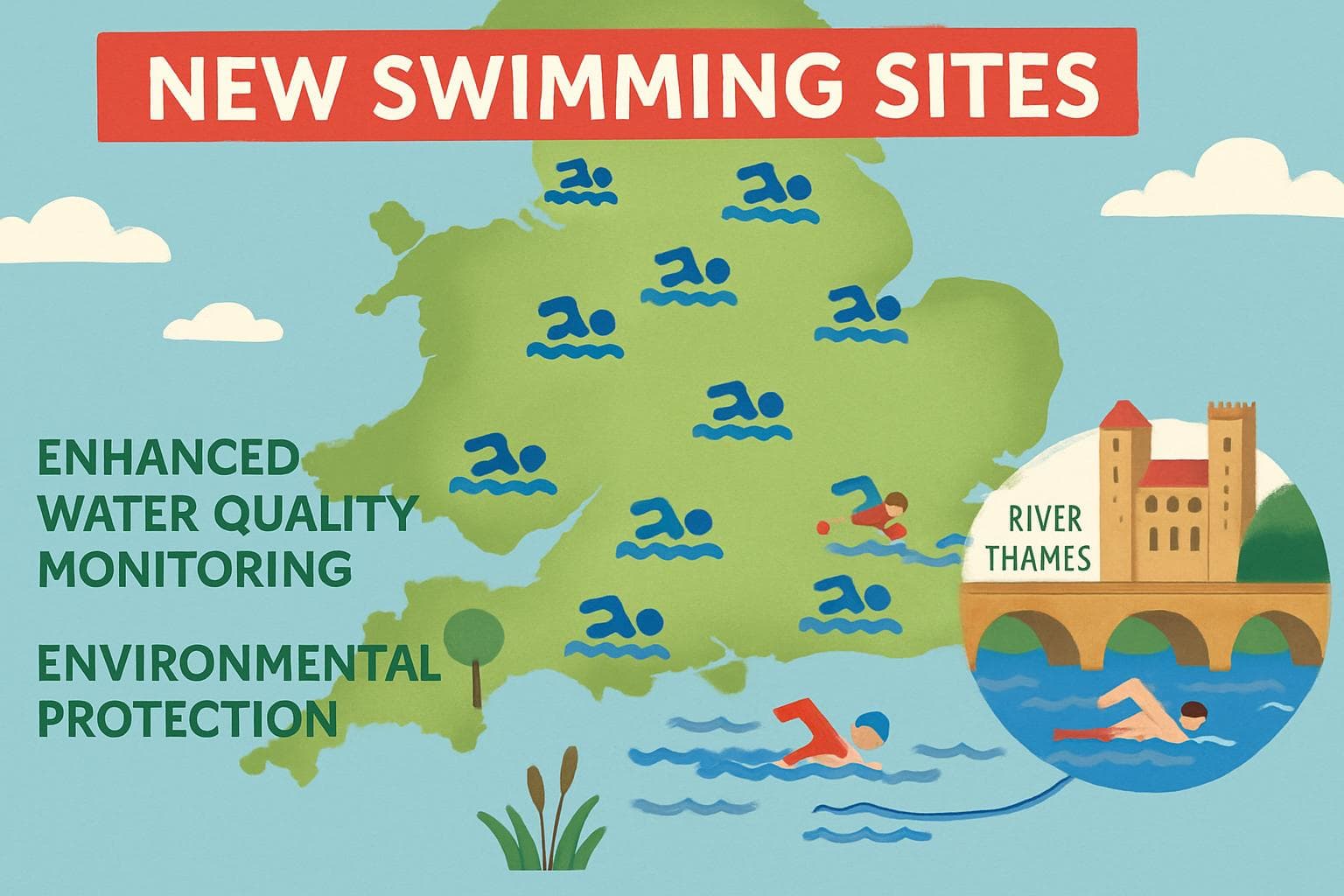
- The UK government has proposed 13 new designated swimming sites, including the River Thames in London, to enhance water quality monitoring.
- Bathing water status requires regular testing for pollutants, aiming to improve river and coastal cleanliness.
- Campaigners advocate for these designations to pressure water companies to reduce sewage pollution.
- Thames Water's recycling scheme faces challenges due to environmental concerns over treated effluent discharge.
- The number of official bathing sites in England could rise to 464, with 87% rated excellent or good in 2025.
The UK government has unveiled plans to designate 13 new swimming sites, including a historic spot on the River Thames in London, as part of a broader initiative to enhance water quality monitoring and environmental protection. This proposal aims to increase the number of official bathing sites in England to 464, marking a significant step in river conservation efforts.
Historic Thames Site Among New Designations
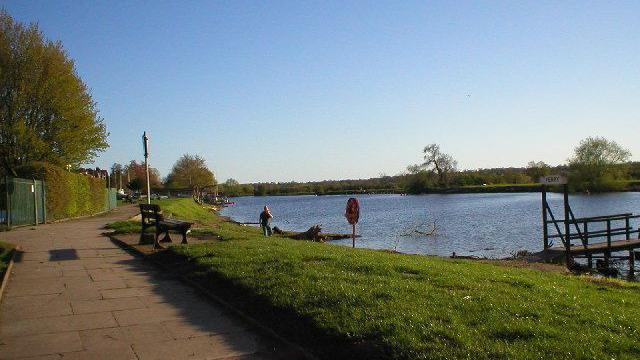
The River Thames at Ham, in south-west London, is among the sites shortlisted for bathing water status. This designation comes after campaigners, including Marlene Lawrence of the Teddington Bluetits, demonstrated the area's popularity with swimmers. "This would be amazing for the river and for the many people who enjoy it," Lawrence stated, emphasizing the potential for improved cleanliness.
Environmental and Community Impact
Achieving bathing water status requires rigorous testing by the Environment Agency, focusing on pollutants such as faecal indicator organisms. This move is expected to pressure water companies to address sewage pollution, a persistent issue affecting many UK waterways. At Ilkley in West Yorkshire, where the River Wharfe received this status, Yorkshire Water has invested over £85 million in infrastructure improvements.
Challenges for Thames Water
The proposed designation for the Thames presents challenges for Thames Water, which plans to implement a water recycling scheme. This initiative involves drawing water from the Thames and replacing it with treated effluent from the Mogden sewage works. However, the Environment Agency previously rejected this plan due to potential environmental impacts.
Broader Conservation Efforts
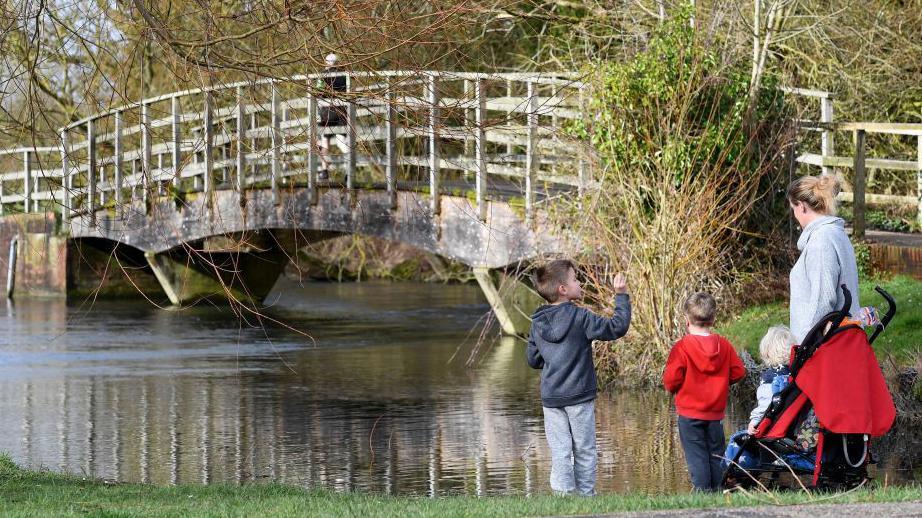
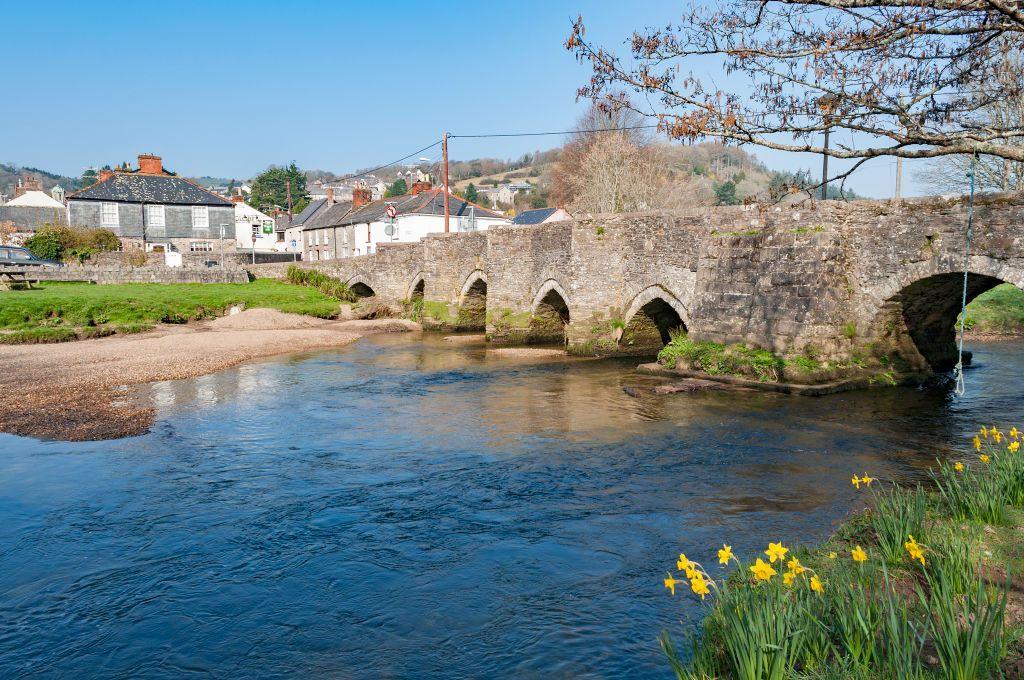
Other proposed sites include Pangbourne Meadow in Berkshire, the River Swale in Yorkshire, and a tidal inlet off the River Yealm in Devon. These locations, rich in cultural and natural heritage, highlight the diverse appeal of England's waterways. Campaigners hope that these designations will drive further improvements in water quality and environmental stewardship.
WHAT THIS MIGHT MEAN
If the proposed designations are approved, they could lead to significant improvements in water quality across England, benefiting both the environment and local communities. However, the success of these initiatives will largely depend on the cooperation of water companies and their willingness to invest in necessary infrastructure upgrades. The outcome of Thames Water's recycling scheme will be particularly telling, as it could set a precedent for balancing water resource management with environmental protection. As these developments unfold, they may influence future policies on river conservation and sewage management, potentially reshaping the landscape of environmental regulation in the UK.
Images from the Web
Related Articles

Government Announces £4 Billion Overhaul of SEND Support in England

UK Government Announces Major Overhaul of SEND System with £3.4 Billion Investment

Government Unveils Ambitious Plan to Halve Attainment Gap in England's Schools

UK Government's SEND Reforms: A Critical Turning Point for Special Education

Middle East Conflict Drives UK Energy Prices to New Highs

South West Water Faces Legal Repercussions Over Devon Parasite Outbreak
New Swimming Sites Proposed to Boost Water Quality Across England
In This Article
 Leila Hassan| Published
 HIGHLIGHTS
- The UK government has proposed 13 new designated swimming sites, including the River Thames in London, to enhance water quality monitoring.
- Bathing water status requires regular testing for pollutants, aiming to improve river and coastal cleanliness.
- Campaigners advocate for these designations to pressure water companies to reduce sewage pollution.
- Thames Water's recycling scheme faces challenges due to environmental concerns over treated effluent discharge.
- The number of official bathing sites in England could rise to 464, with 87% rated excellent or good in 2025.
The UK government has unveiled plans to designate 13 new swimming sites, including a historic spot on the River Thames in London, as part of a broader initiative to enhance water quality monitoring and environmental protection. This proposal aims to increase the number of official bathing sites in England to 464, marking a significant step in river conservation efforts.
Historic Thames Site Among New Designations
The River Thames at Ham, in south-west London, is among the sites shortlisted for bathing water status. This designation comes after campaigners, including Marlene Lawrence of the Teddington Bluetits, demonstrated the area's popularity with swimmers. "This would be amazing for the river and for the many people who enjoy it," Lawrence stated, emphasizing the potential for improved cleanliness.
Environmental and Community Impact
Achieving bathing water status requires rigorous testing by the Environment Agency, focusing on pollutants such as faecal indicator organisms. This move is expected to pressure water companies to address sewage pollution, a persistent issue affecting many UK waterways. At Ilkley in West Yorkshire, where the River Wharfe received this status, Yorkshire Water has invested over £85 million in infrastructure improvements.
Challenges for Thames Water
The proposed designation for the Thames presents challenges for Thames Water, which plans to implement a water recycling scheme. This initiative involves drawing water from the Thames and replacing it with treated effluent from the Mogden sewage works. However, the Environment Agency previously rejected this plan due to potential environmental impacts.
Broader Conservation Efforts
Other proposed sites include Pangbourne Meadow in Berkshire, the River Swale in Yorkshire, and a tidal inlet off the River Yealm in Devon. These locations, rich in cultural and natural heritage, highlight the diverse appeal of England's waterways. Campaigners hope that these designations will drive further improvements in water quality and environmental stewardship.
WHAT THIS MIGHT MEAN
If the proposed designations are approved, they could lead to significant improvements in water quality across England, benefiting both the environment and local communities. However, the success of these initiatives will largely depend on the cooperation of water companies and their willingness to invest in necessary infrastructure upgrades. The outcome of Thames Water's recycling scheme will be particularly telling, as it could set a precedent for balancing water resource management with environmental protection. As these developments unfold, they may influence future policies on river conservation and sewage management, potentially reshaping the landscape of environmental regulation in the UK.
Images from the Web
Related Articles
Government Announces £4 Billion Overhaul of SEND Support in England
UK Government Announces Major Overhaul of SEND System with £3.4 Billion Investment
Government Unveils Ambitious Plan to Halve Attainment Gap in England's Schools
UK Government's SEND Reforms: A Critical Turning Point for Special Education
Middle East Conflict Drives UK Energy Prices to New Highs
South West Water Faces Legal Repercussions Over Devon Parasite Outbreak