
Surge in Botulism Cases Linked to Unlicensed Botox Products in England
In This Article
HIGHLIGHTS
- Thirty-eight cases of botulism poisoning in England have been linked to unlicensed Botox-like products, according to the UK Health Security Agency (UKHSA).
- The cases were reported between June 4 and July 14, 2025, in regions including the East, East Midlands, and North East.
- Symptoms of botulism include difficulty swallowing, slurred speech, and breathing difficulties, which may require respiratory support.
- UKHSA and the Medicines & Healthcare products Regulatory Agency (MHRA) emphasize the importance of using licensed products and qualified practitioners for cosmetic procedures.
- Public health experts advise individuals to verify the credentials of their practitioners and ensure the use of licensed products to avoid health risks.
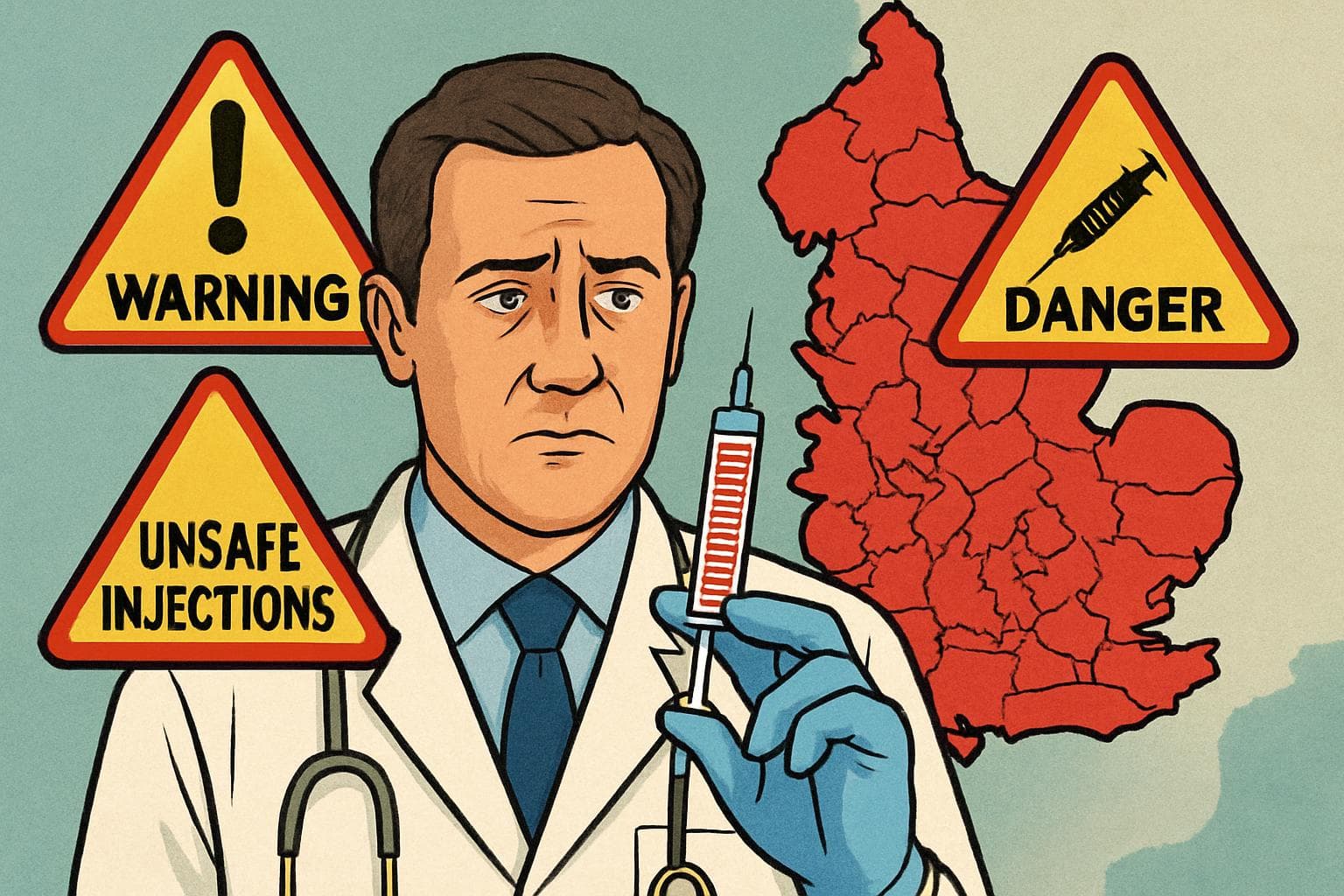
In a concerning development, the UK Health Security Agency (UKHSA) has reported 38 cases of botulism poisoning in England, attributed to the use of unlicensed Botox-like products in cosmetic procedures. The cases, recorded between June 4 and July 14, 2025, have emerged in the East, East Midlands, and North East regions, raising alarms about the safety of cosmetic injections.
Botulism, a rare but potentially life-threatening condition, is caused by toxins produced by the Clostridium botulinum bacteria. These toxins, in a purified form, are the active ingredient in Botox, a popular cosmetic treatment used to reduce facial wrinkles. However, the use of unlicensed products has led to severe health complications, including difficulty swallowing, slurred speech, and breathing difficulties, necessitating respiratory support for some patients.
Dr. Gauri Godbole, a consultant medical microbiologist at UKHSA, highlighted the gravity of the situation, noting that symptoms of botulism can take up to four weeks to manifest. She urged anyone experiencing such symptoms to contact NHS 111 immediately. The UKHSA has advised the public to ensure that cosmetic procedures are conducted by qualified practitioners using licensed products, emphasizing the importance of verifying credentials and product legitimacy.
Dr. Alison Cave, chief safety officer at the Medicines & Healthcare products Regulatory Agency (MHRA), warned that purchasing Botox-like products outside regulated channels significantly increases the risk of encountering falsified or unlicensed products. "Public safety is a top priority," she stated, underscoring the lack of safeguards when unlicensed products are used.
The Joint Council for Cosmetic Practitioners has also reported numerous instances of illicit supply and use of unlicensed botulinum toxins. They recommend that individuals seeking Botox injections request detailed information about the product, including its brand and intended dose, and verify these details with the practitioner on the day of treatment.
WHAT THIS MIGHT MEAN
The recent surge in botulism cases linked to unlicensed Botox products could prompt stricter regulatory measures and increased scrutiny of cosmetic procedures in the UK. Health authorities may intensify efforts to educate the public about the risks associated with unlicensed products and the importance of choosing qualified practitioners. Additionally, there could be a push for more stringent enforcement against the illicit supply of cosmetic products, potentially leading to legal actions against those involved in distributing unlicensed Botox-like substances. As the situation unfolds, the focus will likely remain on safeguarding public health and ensuring the integrity of cosmetic procedures.
Related Articles
Prince William Calls for Action on UK Male Suicide Rates
South West Water Faces Legal Repercussions Over Devon Parasite Outbreak

Saharan Dust to Illuminate UK Skies with Vivid Sunrises and Sunsets

Government Announces £4 Billion Overhaul of SEND Support in England

UK Government Announces Major Overhaul of SEND System with £3.4 Billion Investment

Government Unveils Ambitious Plan to Halve Attainment Gap in England's Schools
Surge in Botulism Cases Linked to Unlicensed Botox Products in England
In This Article
 Maya Singh| Published
 HIGHLIGHTS
- Thirty-eight cases of botulism poisoning in England have been linked to unlicensed Botox-like products, according to the UK Health Security Agency (UKHSA).
- The cases were reported between June 4 and July 14, 2025, in regions including the East, East Midlands, and North East.
- Symptoms of botulism include difficulty swallowing, slurred speech, and breathing difficulties, which may require respiratory support.
- UKHSA and the Medicines & Healthcare products Regulatory Agency (MHRA) emphasize the importance of using licensed products and qualified practitioners for cosmetic procedures.
- Public health experts advise individuals to verify the credentials of their practitioners and ensure the use of licensed products to avoid health risks.
In a concerning development, the UK Health Security Agency (UKHSA) has reported 38 cases of botulism poisoning in England, attributed to the use of unlicensed Botox-like products in cosmetic procedures. The cases, recorded between June 4 and July 14, 2025, have emerged in the East, East Midlands, and North East regions, raising alarms about the safety of cosmetic injections.
Botulism, a rare but potentially life-threatening condition, is caused by toxins produced by the Clostridium botulinum bacteria. These toxins, in a purified form, are the active ingredient in Botox, a popular cosmetic treatment used to reduce facial wrinkles. However, the use of unlicensed products has led to severe health complications, including difficulty swallowing, slurred speech, and breathing difficulties, necessitating respiratory support for some patients.
Dr. Gauri Godbole, a consultant medical microbiologist at UKHSA, highlighted the gravity of the situation, noting that symptoms of botulism can take up to four weeks to manifest. She urged anyone experiencing such symptoms to contact NHS 111 immediately. The UKHSA has advised the public to ensure that cosmetic procedures are conducted by qualified practitioners using licensed products, emphasizing the importance of verifying credentials and product legitimacy.
Dr. Alison Cave, chief safety officer at the Medicines & Healthcare products Regulatory Agency (MHRA), warned that purchasing Botox-like products outside regulated channels significantly increases the risk of encountering falsified or unlicensed products. "Public safety is a top priority," she stated, underscoring the lack of safeguards when unlicensed products are used.
The Joint Council for Cosmetic Practitioners has also reported numerous instances of illicit supply and use of unlicensed botulinum toxins. They recommend that individuals seeking Botox injections request detailed information about the product, including its brand and intended dose, and verify these details with the practitioner on the day of treatment.
WHAT THIS MIGHT MEAN
The recent surge in botulism cases linked to unlicensed Botox products could prompt stricter regulatory measures and increased scrutiny of cosmetic procedures in the UK. Health authorities may intensify efforts to educate the public about the risks associated with unlicensed products and the importance of choosing qualified practitioners. Additionally, there could be a push for more stringent enforcement against the illicit supply of cosmetic products, potentially leading to legal actions against those involved in distributing unlicensed Botox-like substances. As the situation unfolds, the focus will likely remain on safeguarding public health and ensuring the integrity of cosmetic procedures.
Related Articles
Prince William Calls for Action on UK Male Suicide Rates
South West Water Faces Legal Repercussions Over Devon Parasite Outbreak
Saharan Dust to Illuminate UK Skies with Vivid Sunrises and Sunsets
Government Announces £4 Billion Overhaul of SEND Support in England
UK Government Announces Major Overhaul of SEND System with £3.4 Billion Investment
Government Unveils Ambitious Plan to Halve Attainment Gap in England's Schools