
Government Announces £4 Billion Overhaul of SEND Support in England

In This Article
HIGHLIGHTS
- The UK government plans a £4 billion overhaul of SEND support, aiming to transform educational provision in England.
- Education Secretary Bridget Phillipson emphasizes improved support, not cuts, with 60,000 new special needs school places.
- Keir Starmer highlights personal motivation for reform, citing his late brother's struggles with learning disabilities.
- Concerns arise over potential reassessment of EHCP plans, with parents fearing weakened legal protections.
- The reforms aim to make mainstream schools more inclusive, addressing staff shortages and safeguarding issues.
The UK government has unveiled a comprehensive £4 billion plan to revamp support for children with special educational needs and disabilities (SEND) in England. This significant investment aims to transform the educational landscape, ensuring that all children receive the tailored support they need.
A Generational Overhaul
Education Secretary Bridget Phillipson has described the reforms as a "once in a generation" opportunity to redefine the future of education. The plan includes the creation of 60,000 additional special needs school places and promises specialized support in all mainstream schools. This initiative comes after a delay last autumn due to backlash from MPs and parents concerned about potential cuts.
Personal Motivation and Political Context
Prime Minister Keir Starmer has been vocal about his personal connection to the reforms, drawing on the experiences of his late brother, Nick, who faced significant challenges due to learning disabilities. Starmer has criticized the previous government's handling of SEND, calling it a "stain" on their education record. He emphasizes the need for a system that values every child's contribution, stating, "Getting the right support should never be a battle."
Concerns and Challenges
Despite the positive reception of increased funding, concerns remain about the reassessment of Education, Health, and Care Plans (EHCPs). Parents fear that these legal protections, crucial for securing necessary support, may be weakened. The Children's Commissioner for England, Dame Rachel de Souza, insists that no child should lose their plan, emphasizing the importance of maintaining robust support for those with serious needs.
Addressing Systemic Issues
The reforms also aim to tackle systemic issues such as staff shortages and safeguarding concerns in mainstream schools. Teaching assistant Penny, with over 22 years of experience, supports the government's plan for inclusion hubs but stresses the need for strong leadership and well-trained staff to meet children's needs effectively.
WHAT THIS MIGHT MEAN
The success of these reforms will largely depend on their implementation and the government's ability to address parents' concerns about legal protections. If executed effectively, the overhaul could significantly improve educational outcomes for children with SEND, fostering a more inclusive environment in mainstream schools. However, the reassessment of EHCPs and the potential loss of parental choice in school selection could lead to further debates and challenges. As the reforms unfold, close monitoring and continued engagement with stakeholders will be crucial to ensure that the intended benefits are realized without compromising the rights of children and their families.
Images from the Web


Related Articles

UK Government Announces Major Overhaul of SEND System with £3.4 Billion Investment

Government Unveils Ambitious Plan to Halve Attainment Gap in England's Schools

UK Government's SEND Reforms: A Critical Turning Point for Special Education
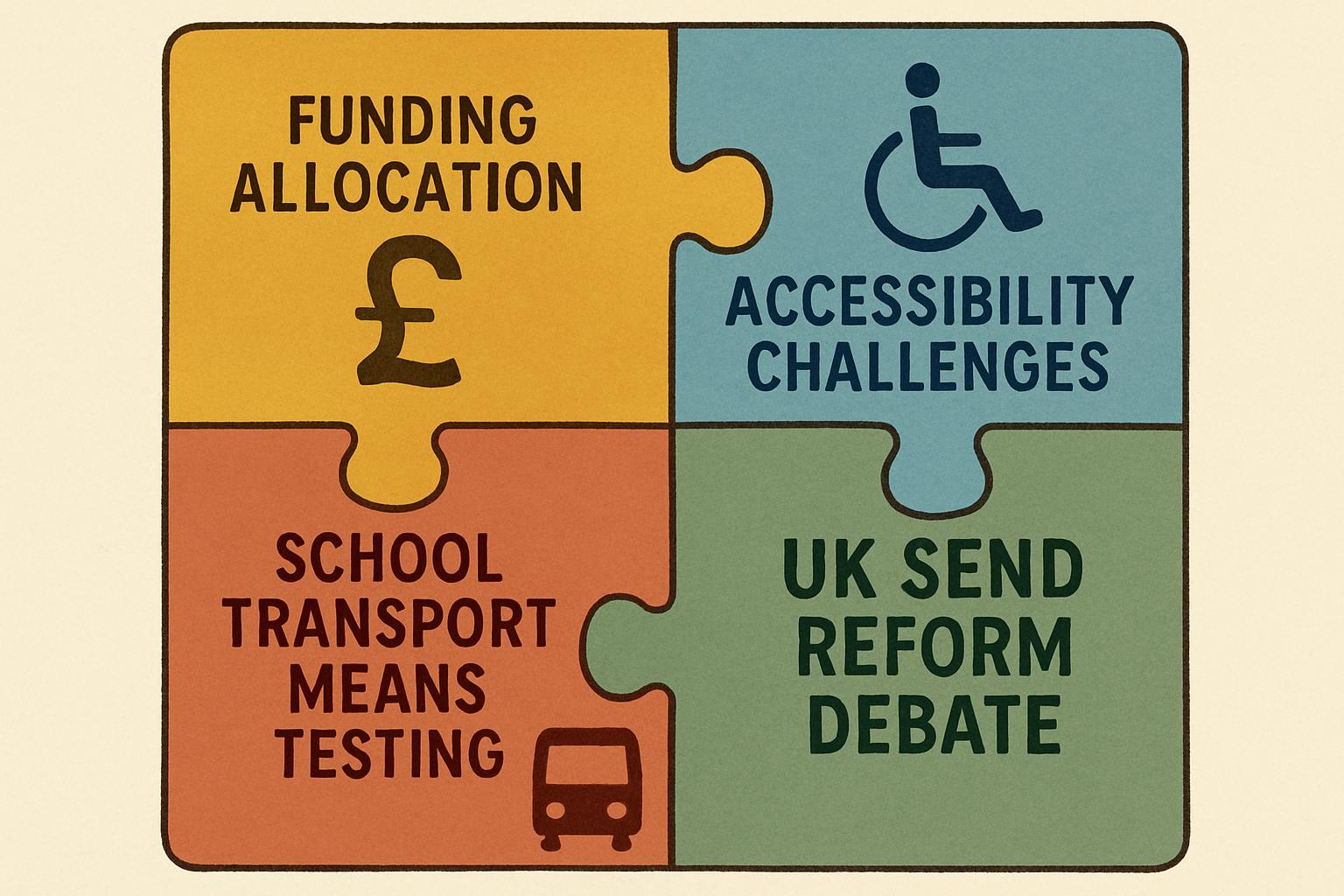
UK Government's SEND Reforms Spark Debate Over Funding and Accessibility

UK SEND Education Reforms: New Funding, Infrastructure Proposals, and Potential Backlash

UK Government Eases Deer Culling to Protect Woodlands and Farmland
Government Announces £4 Billion Overhaul of SEND Support in England
In This Article
 Aya Nakamura| Published
 HIGHLIGHTS
- The UK government plans a £4 billion overhaul of SEND support, aiming to transform educational provision in England.
- Education Secretary Bridget Phillipson emphasizes improved support, not cuts, with 60,000 new special needs school places.
- Keir Starmer highlights personal motivation for reform, citing his late brother's struggles with learning disabilities.
- Concerns arise over potential reassessment of EHCP plans, with parents fearing weakened legal protections.
- The reforms aim to make mainstream schools more inclusive, addressing staff shortages and safeguarding issues.
The UK government has unveiled a comprehensive £4 billion plan to revamp support for children with special educational needs and disabilities (SEND) in England. This significant investment aims to transform the educational landscape, ensuring that all children receive the tailored support they need.
A Generational Overhaul
Education Secretary Bridget Phillipson has described the reforms as a "once in a generation" opportunity to redefine the future of education. The plan includes the creation of 60,000 additional special needs school places and promises specialized support in all mainstream schools. This initiative comes after a delay last autumn due to backlash from MPs and parents concerned about potential cuts.
Personal Motivation and Political Context
Prime Minister Keir Starmer has been vocal about his personal connection to the reforms, drawing on the experiences of his late brother, Nick, who faced significant challenges due to learning disabilities. Starmer has criticized the previous government's handling of SEND, calling it a "stain" on their education record. He emphasizes the need for a system that values every child's contribution, stating, "Getting the right support should never be a battle."
Concerns and Challenges
Despite the positive reception of increased funding, concerns remain about the reassessment of Education, Health, and Care Plans (EHCPs). Parents fear that these legal protections, crucial for securing necessary support, may be weakened. The Children's Commissioner for England, Dame Rachel de Souza, insists that no child should lose their plan, emphasizing the importance of maintaining robust support for those with serious needs.
Addressing Systemic Issues
The reforms also aim to tackle systemic issues such as staff shortages and safeguarding concerns in mainstream schools. Teaching assistant Penny, with over 22 years of experience, supports the government's plan for inclusion hubs but stresses the need for strong leadership and well-trained staff to meet children's needs effectively.
WHAT THIS MIGHT MEAN
The success of these reforms will largely depend on their implementation and the government's ability to address parents' concerns about legal protections. If executed effectively, the overhaul could significantly improve educational outcomes for children with SEND, fostering a more inclusive environment in mainstream schools. However, the reassessment of EHCPs and the potential loss of parental choice in school selection could lead to further debates and challenges. As the reforms unfold, close monitoring and continued engagement with stakeholders will be crucial to ensure that the intended benefits are realized without compromising the rights of children and their families.
Images from the Web
Related Articles
UK Government Announces Major Overhaul of SEND System with £3.4 Billion Investment
Government Unveils Ambitious Plan to Halve Attainment Gap in England's Schools
UK Government's SEND Reforms: A Critical Turning Point for Special Education
UK Government's SEND Reforms Spark Debate Over Funding and Accessibility
UK SEND Education Reforms: New Funding, Infrastructure Proposals, and Potential Backlash
UK Government Eases Deer Culling to Protect Woodlands and Farmland