
BrewDog to Close 10 UK Bars Amid Economic Pressures
In This Article
HIGHLIGHTS
- BrewDog is closing 10 bars across the UK, including its flagship Aberdeen location, due to economic pressures and rising costs.
- The closures will occur "within days," with a 14-day consultation process for affected staff, aiming for redeployment.
- BrewDog's decision reflects broader challenges in the UK hospitality industry, exacerbated by increased regulation and living wage costs.
- Trade union Unite criticized BrewDog for the short notice given to employees, calling it potentially unlawful.
- BrewDog's recent history includes controversies over workplace culture and leadership changes, with James Watt stepping down as CEO last year.
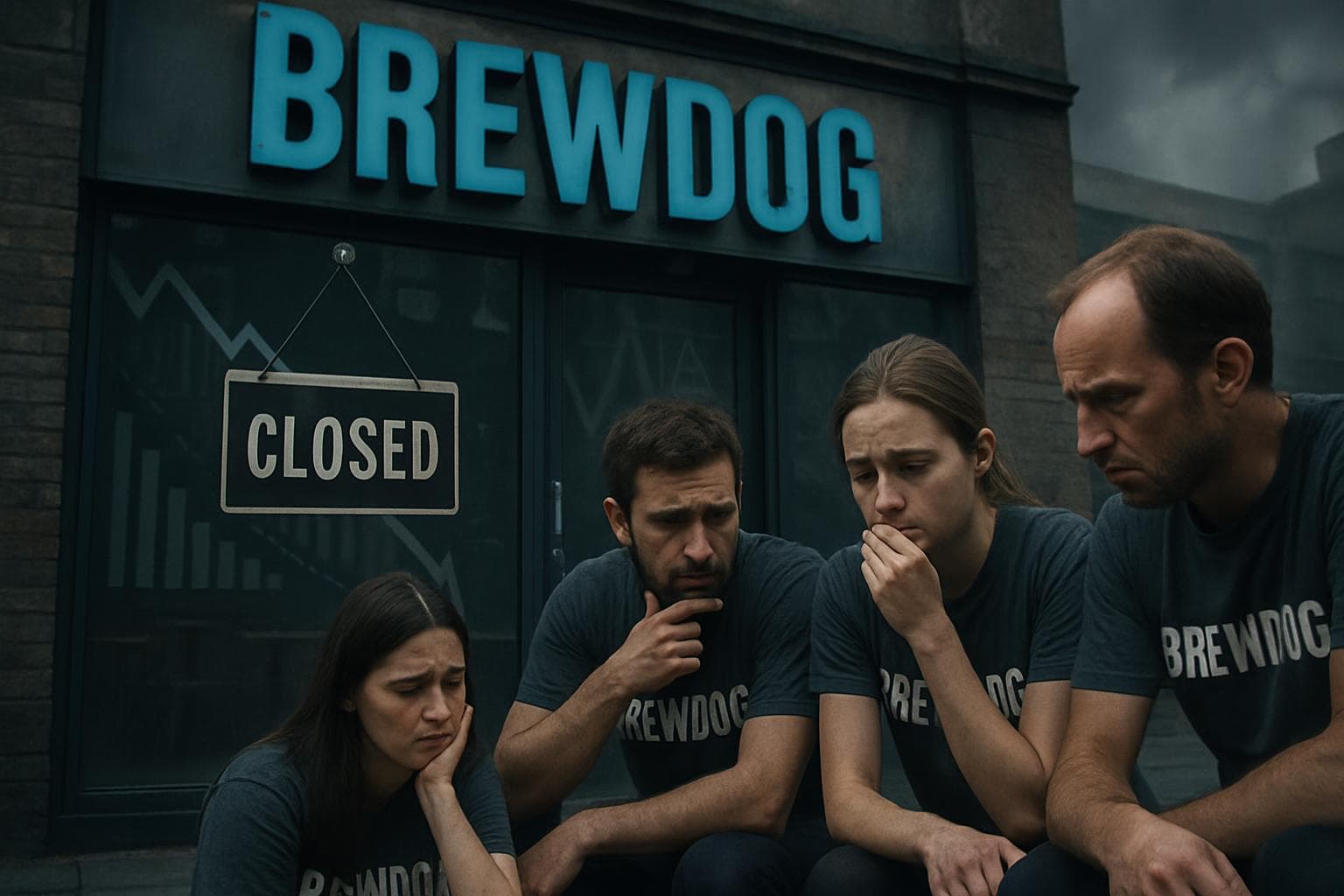
BrewDog, the renowned Scottish craft beer company, has announced the closure of 10 bars across the UK, citing significant economic challenges. The closures, which include the flagship bar in Aberdeen, are set to occur within days, reflecting the ongoing difficulties faced by the hospitality sector.
Economic Challenges and Strategic Decisions
The decision to close these bars comes as BrewDog grapples with rising costs, increased regulation, and economic pressures that have made it difficult to maintain commercial viability. James Taylor, BrewDog's chief executive, emphasized that despite efforts to sustain these locations, factors such as size and location rendered them unsustainable. "Keeping them open would put pressure on the wider business," Taylor noted, highlighting the need to focus on areas with growth potential.
Impact on Employees and Union Response
The closures have sparked criticism from trade union Unite, which condemned the short notice given to employees. Bryan Simpson, Unite's national lead for hospitality, described the move as "morally repugnant" and potentially unlawful. BrewDog, however, has initiated a 14-day consultation process for affected staff, with a focus on redeployment within its network of 71 UK bars.
BrewDog's Broader Context
Founded in 2007 by James Watt and Martin Dickie, BrewDog has expanded globally, boasting bars in the USA, Dubai, and Australia. Despite its growth, the company has faced scrutiny over workplace culture and leadership changes. James Watt, who stepped down as CEO last year, remains involved as "captain and co-founder."
Industry-Wide Challenges
BrewDog's closures are indicative of broader challenges in the UK hospitality industry, where businesses are contending with increased national insurance contributions and living wage costs. The recent administration of Oakman Inns, resulting in 159 job losses, underscores the sector's precarious state.
WHAT THIS MIGHT MEAN
The closure of BrewDog's bars could signal a shift in the company's strategic focus, potentially leading to further restructuring or divestment of underperforming assets. As the hospitality industry continues to face economic headwinds, other businesses may follow suit, leading to increased job losses and market consolidation. Experts suggest that BrewDog's ability to navigate these challenges will depend on its capacity to adapt to changing market conditions and maintain its brand appeal amid ongoing scrutiny.
Related Articles
Brewdog's Tumultuous Sale: Job Losses and Investor Backlash
Canada and Australia Forge Strategic Partnership Amid Global Uncertainty
Trump's New Tariff Strategy Sparks Global Trade Uncertainty
UK Government to Reform Asylum Seeker Support and Employment Policies
Middle East Conflict Drives UK Energy Prices to New Highs

UK Faces Dilemmas Amid Iran Conflict and China Spying Allegations
BrewDog to Close 10 UK Bars Amid Economic Pressures
In This Article
 Daniel Rivera| Published
 HIGHLIGHTS
- BrewDog is closing 10 bars across the UK, including its flagship Aberdeen location, due to economic pressures and rising costs.
- The closures will occur "within days," with a 14-day consultation process for affected staff, aiming for redeployment.
- BrewDog's decision reflects broader challenges in the UK hospitality industry, exacerbated by increased regulation and living wage costs.
- Trade union Unite criticized BrewDog for the short notice given to employees, calling it potentially unlawful.
- BrewDog's recent history includes controversies over workplace culture and leadership changes, with James Watt stepping down as CEO last year.
BrewDog, the renowned Scottish craft beer company, has announced the closure of 10 bars across the UK, citing significant economic challenges. The closures, which include the flagship bar in Aberdeen, are set to occur within days, reflecting the ongoing difficulties faced by the hospitality sector.
Economic Challenges and Strategic Decisions
The decision to close these bars comes as BrewDog grapples with rising costs, increased regulation, and economic pressures that have made it difficult to maintain commercial viability. James Taylor, BrewDog's chief executive, emphasized that despite efforts to sustain these locations, factors such as size and location rendered them unsustainable. "Keeping them open would put pressure on the wider business," Taylor noted, highlighting the need to focus on areas with growth potential.
Impact on Employees and Union Response
The closures have sparked criticism from trade union Unite, which condemned the short notice given to employees. Bryan Simpson, Unite's national lead for hospitality, described the move as "morally repugnant" and potentially unlawful. BrewDog, however, has initiated a 14-day consultation process for affected staff, with a focus on redeployment within its network of 71 UK bars.
BrewDog's Broader Context
Founded in 2007 by James Watt and Martin Dickie, BrewDog has expanded globally, boasting bars in the USA, Dubai, and Australia. Despite its growth, the company has faced scrutiny over workplace culture and leadership changes. James Watt, who stepped down as CEO last year, remains involved as "captain and co-founder."
Industry-Wide Challenges
BrewDog's closures are indicative of broader challenges in the UK hospitality industry, where businesses are contending with increased national insurance contributions and living wage costs. The recent administration of Oakman Inns, resulting in 159 job losses, underscores the sector's precarious state.
WHAT THIS MIGHT MEAN
The closure of BrewDog's bars could signal a shift in the company's strategic focus, potentially leading to further restructuring or divestment of underperforming assets. As the hospitality industry continues to face economic headwinds, other businesses may follow suit, leading to increased job losses and market consolidation. Experts suggest that BrewDog's ability to navigate these challenges will depend on its capacity to adapt to changing market conditions and maintain its brand appeal amid ongoing scrutiny.
Related Articles
Brewdog's Tumultuous Sale: Job Losses and Investor Backlash
Canada and Australia Forge Strategic Partnership Amid Global Uncertainty
Trump's New Tariff Strategy Sparks Global Trade Uncertainty
UK Government to Reform Asylum Seeker Support and Employment Policies
Middle East Conflict Drives UK Energy Prices to New Highs
UK Faces Dilemmas Amid Iran Conflict and China Spying Allegations