
Canada and China Forge New Trade Path with Landmark Tariff Deal

In This Article
HIGHLIGHTS
- Canada and China have agreed to lower tariffs, marking a significant shift in their trade relationship.
- Prime Minister Mark Carney's visit to Beijing is the first by a Canadian leader in nearly a decade.
- The deal includes Canada easing tariffs on Chinese electric vehicles and China reducing tariffs on Canadian agricultural products.
- The agreement is seen as a strategic move by Canada to diversify trade away from the US amid ongoing uncertainties.
- The deal could increase Chinese electric vehicle sales in Canada, impacting US-based automakers like Tesla.
In a move that signals a significant shift in international trade dynamics, Canada and China have agreed to a landmark deal to lower tariffs, marking a new chapter in their bilateral relations. The agreement, announced during Canadian Prime Minister Mark Carney's visit to Beijing, aims to recalibrate Canada's trade strategy amid uncertainties with its largest trading partner, the United States.
A Strategic Shift in Trade Relations
The agreement, described by Carney as "preliminary but landmark," involves Canada reducing tariffs on Chinese electric vehicles, while China will lower its levies on Canadian agricultural products, including canola oil. This development comes after years of strained ties and tit-for-tat tariffs between the two nations. Carney's visit to China is the first by a Canadian prime minister in nearly a decade, underscoring the significance of this diplomatic breakthrough.
Implications for Canada-US Relations
The deal is seen as a strategic move by Canada to diversify its trade portfolio, reducing its heavy reliance on the US, which currently accounts for approximately 70% of Canadian exports. Carney emphasized the need for Canada to adapt to "the world as it is, not as we wish it to be," highlighting the urgency to forge new alliances in a rapidly changing global landscape.
Economic Impact and Industry Reactions
The tariff relief is expected to boost Chinese electric vehicle sales in Canada, potentially capturing up to 10% of the market. This could pose challenges for US-based automakers like Tesla, which are vying for a larger share of the Canadian market. While some Canadian provinces, such as Saskatchewan, welcomed the deal for its potential to revive agricultural exports, others, like Ontario, expressed concerns over the impact on the local auto industry.
Global Geopolitical Context
The agreement also reflects broader geopolitical shifts, with China positioning itself as a stable global partner amid growing tensions with the US. Observers note that Carney's visit could set a precedent for other nations grappling with similar trade challenges. As the world navigates a "new world order," the Canada-China partnership may serve as a model for pragmatic and mutually beneficial international relations.
WHAT THIS MIGHT MEAN
The Canada-China trade deal could have far-reaching implications for global trade dynamics. As Canada seeks to diversify its economic partnerships, the agreement may encourage other countries to explore similar strategies, potentially reshaping traditional alliances. The deal also highlights the growing influence of China as a key player in global trade, challenging the US-led economic order. Experts suggest that this development could prompt the US to reassess its trade policies and diplomatic strategies to maintain its influence on the global stage. As the geopolitical landscape continues to evolve, the Canada-China partnership may serve as a bellwether for future international trade relations.
Related Articles

Canada Calls for De-escalation Amid US-Israel Strikes on Iran

Canada and Australia Forge Strategic Partnership Amid Global Uncertainty
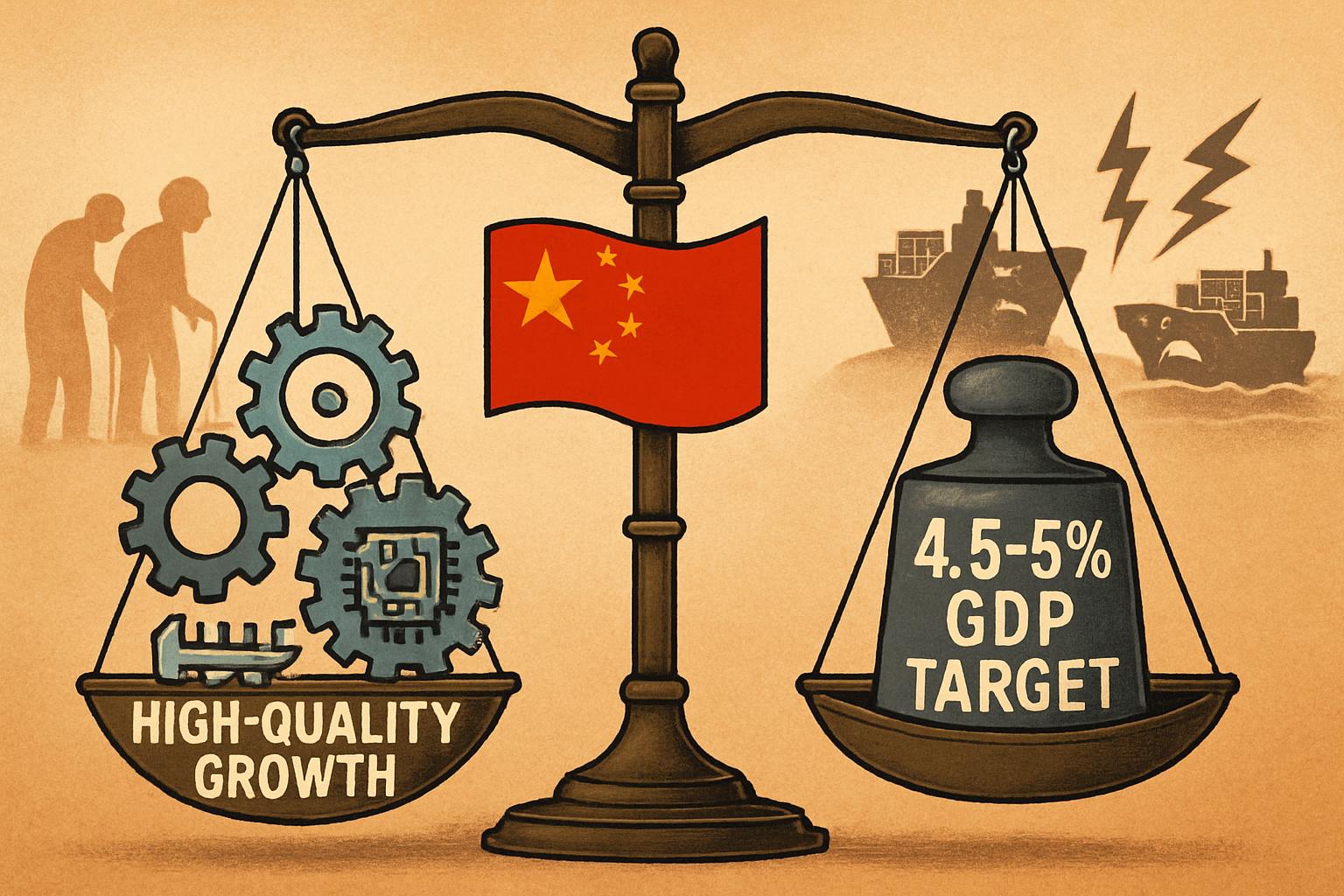
China Sets Lowest GDP Growth Target in Decades Amid Economic Challenges

UK Faces Dilemmas Amid Iran Conflict and China Spying Allegations

Elon Musk Defends Tweets in Twitter Takeover Trial

Cuba Faces Widespread Blackout Amid Deepening Fuel Crisis
Canada and China Forge New Trade Path with Landmark Tariff Deal
In This Article
HIGHLIGHTS
- Canada and China have agreed to lower tariffs, marking a significant shift in their trade relationship.
- Prime Minister Mark Carney's visit to Beijing is the first by a Canadian leader in nearly a decade.
- The deal includes Canada easing tariffs on Chinese electric vehicles and China reducing tariffs on Canadian agricultural products.
- The agreement is seen as a strategic move by Canada to diversify trade away from the US amid ongoing uncertainties.
- The deal could increase Chinese electric vehicle sales in Canada, impacting US-based automakers like Tesla.
In a move that signals a significant shift in international trade dynamics, Canada and China have agreed to a landmark deal to lower tariffs, marking a new chapter in their bilateral relations. The agreement, announced during Canadian Prime Minister Mark Carney's visit to Beijing, aims to recalibrate Canada's trade strategy amid uncertainties with its largest trading partner, the United States.
A Strategic Shift in Trade Relations
The agreement, described by Carney as "preliminary but landmark," involves Canada reducing tariffs on Chinese electric vehicles, while China will lower its levies on Canadian agricultural products, including canola oil. This development comes after years of strained ties and tit-for-tat tariffs between the two nations. Carney's visit to China is the first by a Canadian prime minister in nearly a decade, underscoring the significance of this diplomatic breakthrough.
Implications for Canada-US Relations
The deal is seen as a strategic move by Canada to diversify its trade portfolio, reducing its heavy reliance on the US, which currently accounts for approximately 70% of Canadian exports. Carney emphasized the need for Canada to adapt to "the world as it is, not as we wish it to be," highlighting the urgency to forge new alliances in a rapidly changing global landscape.
Economic Impact and Industry Reactions
The tariff relief is expected to boost Chinese electric vehicle sales in Canada, potentially capturing up to 10% of the market. This could pose challenges for US-based automakers like Tesla, which are vying for a larger share of the Canadian market. While some Canadian provinces, such as Saskatchewan, welcomed the deal for its potential to revive agricultural exports, others, like Ontario, expressed concerns over the impact on the local auto industry.
Global Geopolitical Context
The agreement also reflects broader geopolitical shifts, with China positioning itself as a stable global partner amid growing tensions with the US. Observers note that Carney's visit could set a precedent for other nations grappling with similar trade challenges. As the world navigates a "new world order," the Canada-China partnership may serve as a model for pragmatic and mutually beneficial international relations.
WHAT THIS MIGHT MEAN
The Canada-China trade deal could have far-reaching implications for global trade dynamics. As Canada seeks to diversify its economic partnerships, the agreement may encourage other countries to explore similar strategies, potentially reshaping traditional alliances. The deal also highlights the growing influence of China as a key player in global trade, challenging the US-led economic order. Experts suggest that this development could prompt the US to reassess its trade policies and diplomatic strategies to maintain its influence on the global stage. As the geopolitical landscape continues to evolve, the Canada-China partnership may serve as a bellwether for future international trade relations.
Related Articles
Canada Calls for De-escalation Amid US-Israel Strikes on Iran
Canada and Australia Forge Strategic Partnership Amid Global Uncertainty
China Sets Lowest GDP Growth Target in Decades Amid Economic Challenges
UK Faces Dilemmas Amid Iran Conflict and China Spying Allegations
Elon Musk Defends Tweets in Twitter Takeover Trial
Cuba Faces Widespread Blackout Amid Deepening Fuel Crisis