
Market Turmoil as Chancellor Reeves's Tears Spark Financial Concerns
In This Article
HIGHLIGHTS
- Chancellor Rachel Reeves's emotional display in parliament led to a 1% drop in the pound and a sharp rise in UK borrowing costs.
- The government's U-turn on welfare reforms has created a £5 billion gap in public finances, raising concerns about future tax increases.
- Prime Minister Keir Starmer expressed support for Reeves, calming markets slightly, though speculation about her future persists.
- Investors are wary of the government's fiscal strategy, with bond yields rising amid fears of a fiscal crisis.
- The Labour Party faces internal pressure and public scrutiny over its economic policies and spending plans.
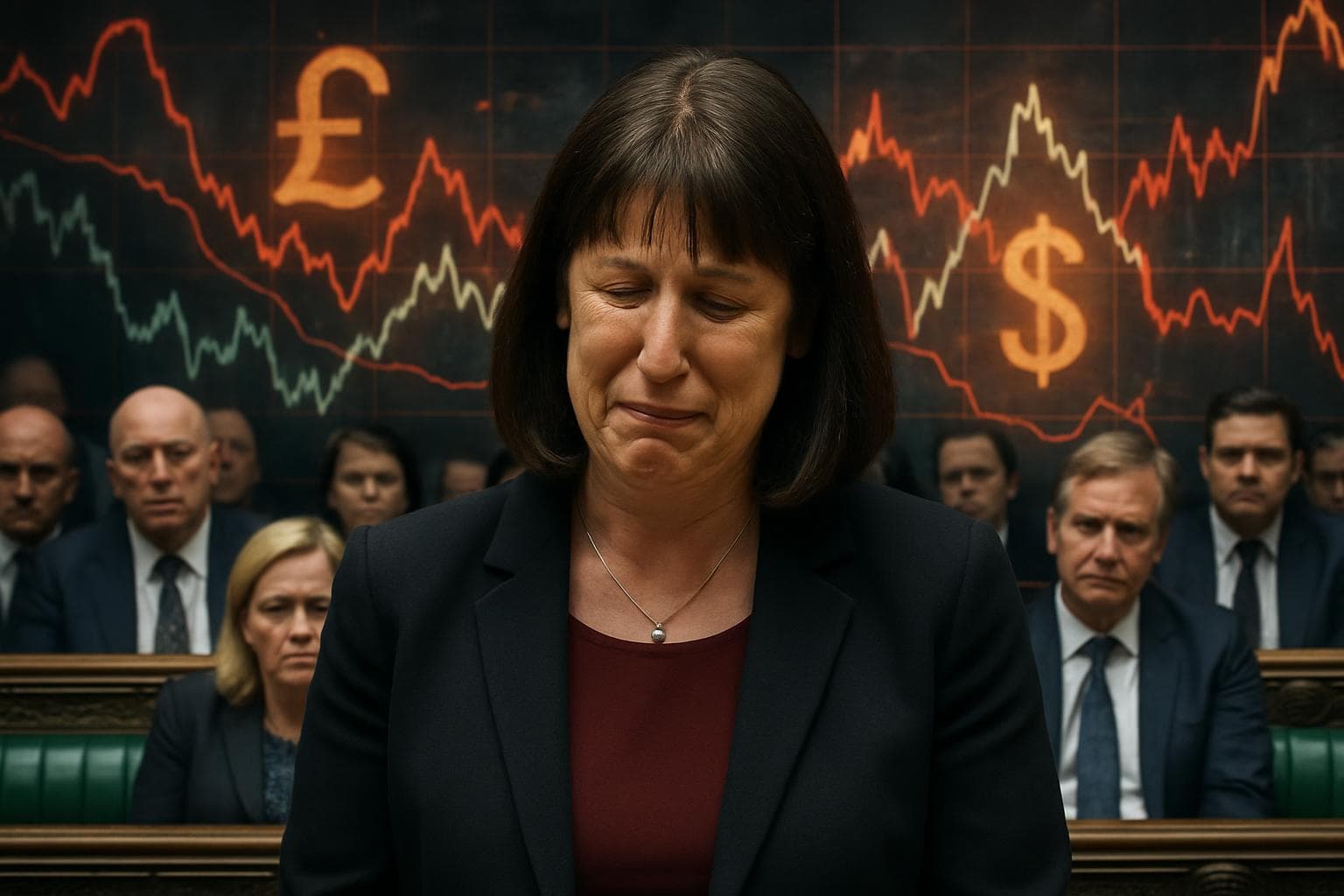
The UK financial markets experienced significant turbulence following a tearful appearance by Chancellor Rachel Reeves in parliament. The emotional display, which occurred during Prime Minister's Questions, coincided with a 1% drop in the pound sterling against the US dollar and a notable rise in UK borrowing costs. This market reaction underscores the fragility of investor confidence in the government's economic strategy.
Welfare Reform U-turn Sparks Financial Concerns
The government's abrupt reversal on welfare reform plans has left a £5 billion gap in public finances, prompting fears of potential tax hikes. The decision to abandon cuts to disability and health-related benefits came amid pressure from Labour backbenchers, highlighting internal party tensions. Analysts suggest that the market's reaction reflects broader concerns about the government's fiscal discipline and the potential for increased borrowing.
Starmer's Support Calms Markets, But Uncertainty Remains
Prime Minister Keir Starmer's public support for Reeves helped stabilize the markets, though speculation about her future continues. "The chancellor is going nowhere," a government spokesperson assured, emphasizing Reeves's role as a stabilizing force against excessive borrowing. Despite this, the financial markets remain cautious, with bond yields rising as investors question the government's ability to manage its fiscal commitments.
Investor Sentiment and Future Implications
The rise in UK government bond yields, particularly the 10-year gilts, signals investor unease over the government's tax and spending plans. Financial experts warn that without decisive action, a fiscal crisis could loom. "Markets will be on high alert over the next months," noted Neil Mehta of RBC BlueBay Asset Management, highlighting the need for tough fiscal decisions.
WHAT THIS MIGHT MEAN
The coming weeks will be critical for the UK government as it navigates the fallout from the welfare reform U-turn and seeks to restore market confidence. Chancellor Reeves's ability to maintain her position and implement effective fiscal policies will be closely scrutinized. Should the government fail to address the £5 billion financial gap, it may face increased pressure to raise taxes or cut spending, potentially leading to further political and economic instability. As the Autumn Budget approaches, all eyes will be on the Labour Party's strategy to balance public finances while maintaining voter support.
Related Articles
Middle East Conflict Drives UK Energy Prices to New Highs

Canada and Australia Forge Strategic Partnership Amid Global Uncertainty

UK Government to Reform Asylum Seeker Support and Employment Policies

UK Faces Dilemmas Amid Iran Conflict and China Spying Allegations

UK Reinforces Military Presence in Cyprus Amid Middle East Tensions

Police Federation Chief Arrested Amid Fraud Investigation
Market Turmoil as Chancellor Reeves's Tears Spark Financial Concerns
In This Article
 Daniel Rivera| Published
 HIGHLIGHTS
- Chancellor Rachel Reeves's emotional display in parliament led to a 1% drop in the pound and a sharp rise in UK borrowing costs.
- The government's U-turn on welfare reforms has created a £5 billion gap in public finances, raising concerns about future tax increases.
- Prime Minister Keir Starmer expressed support for Reeves, calming markets slightly, though speculation about her future persists.
- Investors are wary of the government's fiscal strategy, with bond yields rising amid fears of a fiscal crisis.
- The Labour Party faces internal pressure and public scrutiny over its economic policies and spending plans.
The UK financial markets experienced significant turbulence following a tearful appearance by Chancellor Rachel Reeves in parliament. The emotional display, which occurred during Prime Minister's Questions, coincided with a 1% drop in the pound sterling against the US dollar and a notable rise in UK borrowing costs. This market reaction underscores the fragility of investor confidence in the government's economic strategy.
Welfare Reform U-turn Sparks Financial Concerns
The government's abrupt reversal on welfare reform plans has left a £5 billion gap in public finances, prompting fears of potential tax hikes. The decision to abandon cuts to disability and health-related benefits came amid pressure from Labour backbenchers, highlighting internal party tensions. Analysts suggest that the market's reaction reflects broader concerns about the government's fiscal discipline and the potential for increased borrowing.
Starmer's Support Calms Markets, But Uncertainty Remains
Prime Minister Keir Starmer's public support for Reeves helped stabilize the markets, though speculation about her future continues. "The chancellor is going nowhere," a government spokesperson assured, emphasizing Reeves's role as a stabilizing force against excessive borrowing. Despite this, the financial markets remain cautious, with bond yields rising as investors question the government's ability to manage its fiscal commitments.
Investor Sentiment and Future Implications
The rise in UK government bond yields, particularly the 10-year gilts, signals investor unease over the government's tax and spending plans. Financial experts warn that without decisive action, a fiscal crisis could loom. "Markets will be on high alert over the next months," noted Neil Mehta of RBC BlueBay Asset Management, highlighting the need for tough fiscal decisions.
WHAT THIS MIGHT MEAN
The coming weeks will be critical for the UK government as it navigates the fallout from the welfare reform U-turn and seeks to restore market confidence. Chancellor Reeves's ability to maintain her position and implement effective fiscal policies will be closely scrutinized. Should the government fail to address the £5 billion financial gap, it may face increased pressure to raise taxes or cut spending, potentially leading to further political and economic instability. As the Autumn Budget approaches, all eyes will be on the Labour Party's strategy to balance public finances while maintaining voter support.
Related Articles
Middle East Conflict Drives UK Energy Prices to New Highs
Canada and Australia Forge Strategic Partnership Amid Global Uncertainty
UK Government to Reform Asylum Seeker Support and Employment Policies
UK Faces Dilemmas Amid Iran Conflict and China Spying Allegations
UK Reinforces Military Presence in Cyprus Amid Middle East Tensions
Police Federation Chief Arrested Amid Fraud Investigation