
Channel Tunnel Power Outage Causes Major Travel Disruptions
In This Article
HIGHLIGHTS
- A power outage in the Channel Tunnel caused significant delays, affecting thousands of travelers heading to France.
- Eurotunnel's LeShuttle service experienced up to seven-hour delays, while Eurostar services were canceled or postponed.
- Traffic congestion was severe at Folkestone and the Port of Dover, with travelers advised to use alternative routes.
- Engineers worked to restore services, with trains running on only one of the tunnel's two tracks by Tuesday evening.
- Passengers faced challenges such as lack of updates, food, and water during the delays.
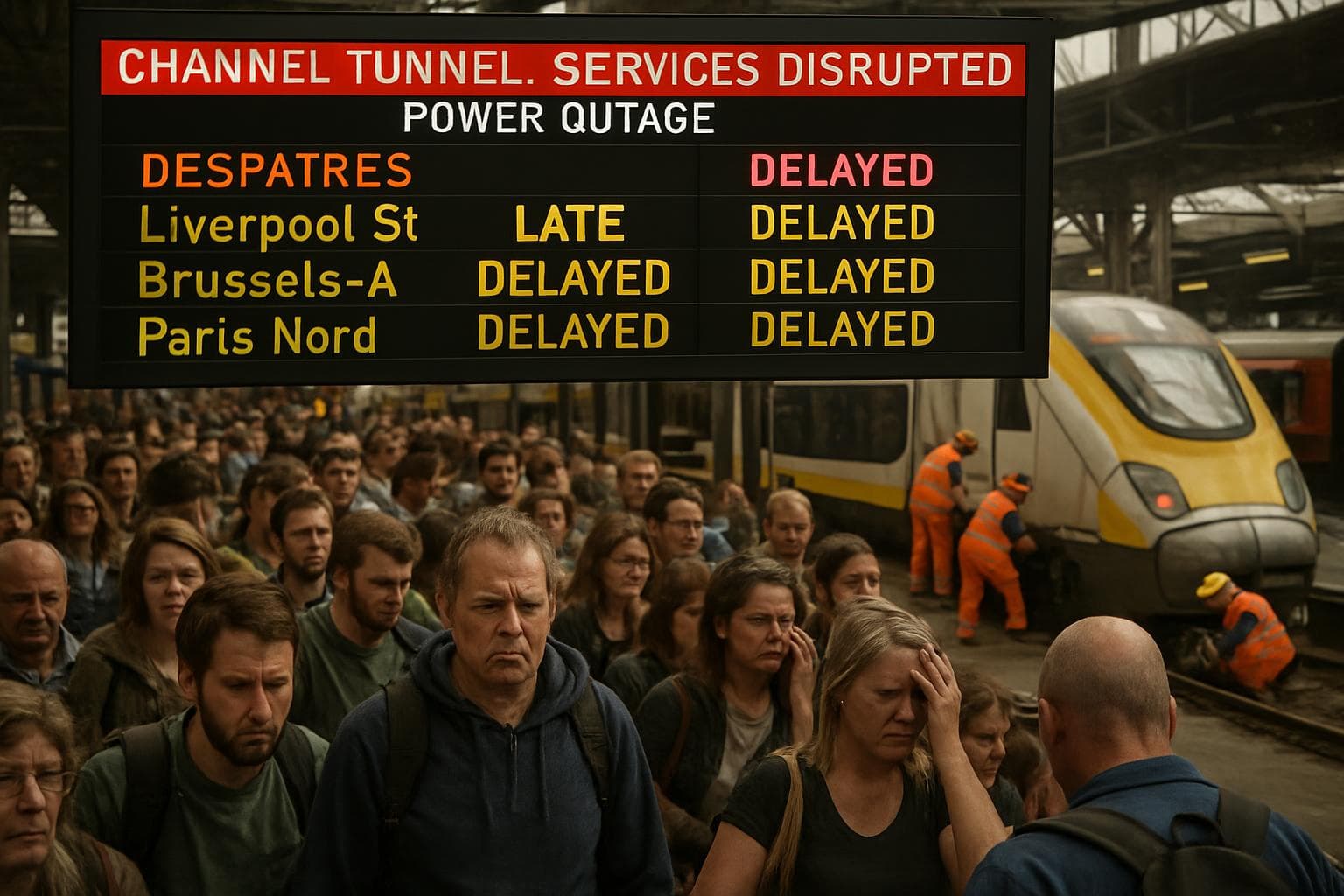
A power outage in the Channel Tunnel has led to widespread travel disruptions for thousands of passengers attempting to cross from the UK to France. The incident, which began on Monday night, resulted in the suspension of all passenger and vehicle trains, leaving travelers stranded and frustrated.
Severe Delays and Cancellations
Eurotunnel's LeShuttle service, which transports cars and freight, faced delays of up to seven hours. By Tuesday evening, the situation had improved slightly, with delays reduced to five hours. Eurostar services were also heavily impacted, with many departures canceled or postponed, leaving passengers at St Pancras International station in London and Gare du Nord in Paris waiting for updates.
Traffic Chaos at Folkestone and Dover
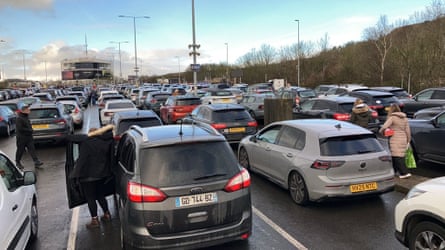
The power outage led to significant traffic congestion at Folkestone, where cars queued for hours to access the Eurotunnel. The Port of Dover also experienced delays, with travelers advised to use the A20 and A2 to avoid further congestion. Doug Bannister, the port's chief executive, noted that while the port had capacity for extra passengers, the situation remained "really busy."
Passenger Experiences and Challenges
Passengers shared their experiences of the disruption, highlighting the lack of communication and basic amenities. Lee Dennis from Hastings described waiting for six hours with his family, while Adam Barras recounted being stuck in the tunnel for four hours without food or water. Meanwhile, travelers like Jack Slater and Betty Ndukaeze had to cancel or postpone their plans due to the chaos.
Efforts to Restore Services
Engineers worked tirelessly to address the technical fault, which was related to the power supply to trains. By Tuesday afternoon, Getlink, the operator of the Channel Tunnel, reported that trains were running on one track in alternate directions. Despite these efforts, Eurostar strongly advised passengers to rebook their journeys for a later date.
WHAT THIS MIGHT MEAN
The power outage in the Channel Tunnel highlights the vulnerability of critical infrastructure to technical failures, especially during peak travel periods. As engineers continue to address the issue, the focus will likely shift to implementing measures to prevent similar incidents in the future. The disruption also underscores the importance of effective communication with passengers during such crises. Moving forward, transport operators may need to enhance contingency plans and improve real-time updates to minimize the impact on travelers. Additionally, the incident could prompt discussions on infrastructure investment and resilience, particularly as demand for cross-Channel travel continues to grow.
Images from the Web

Related Articles
Canada and Australia Forge Strategic Partnership Amid Global Uncertainty
UK Government to Reform Asylum Seeker Support and Employment Policies

Middle East Conflict Drives UK Energy Prices to New Highs

UK Faces Dilemmas Amid Iran Conflict and China Spying Allegations
UK Reinforces Military Presence in Cyprus Amid Middle East Tensions

Police Federation Chief Arrested Amid Fraud Investigation
Channel Tunnel Power Outage Causes Major Travel Disruptions
In This Article
 Alex Carter| Published
 HIGHLIGHTS
- A power outage in the Channel Tunnel caused significant delays, affecting thousands of travelers heading to France.
- Eurotunnel's LeShuttle service experienced up to seven-hour delays, while Eurostar services were canceled or postponed.
- Traffic congestion was severe at Folkestone and the Port of Dover, with travelers advised to use alternative routes.
- Engineers worked to restore services, with trains running on only one of the tunnel's two tracks by Tuesday evening.
- Passengers faced challenges such as lack of updates, food, and water during the delays.
A power outage in the Channel Tunnel has led to widespread travel disruptions for thousands of passengers attempting to cross from the UK to France. The incident, which began on Monday night, resulted in the suspension of all passenger and vehicle trains, leaving travelers stranded and frustrated.
Severe Delays and Cancellations
Eurotunnel's LeShuttle service, which transports cars and freight, faced delays of up to seven hours. By Tuesday evening, the situation had improved slightly, with delays reduced to five hours. Eurostar services were also heavily impacted, with many departures canceled or postponed, leaving passengers at St Pancras International station in London and Gare du Nord in Paris waiting for updates.
Traffic Chaos at Folkestone and Dover
The power outage led to significant traffic congestion at Folkestone, where cars queued for hours to access the Eurotunnel. The Port of Dover also experienced delays, with travelers advised to use the A20 and A2 to avoid further congestion. Doug Bannister, the port's chief executive, noted that while the port had capacity for extra passengers, the situation remained "really busy."
Passenger Experiences and Challenges
Passengers shared their experiences of the disruption, highlighting the lack of communication and basic amenities. Lee Dennis from Hastings described waiting for six hours with his family, while Adam Barras recounted being stuck in the tunnel for four hours without food or water. Meanwhile, travelers like Jack Slater and Betty Ndukaeze had to cancel or postpone their plans due to the chaos.
Efforts to Restore Services
Engineers worked tirelessly to address the technical fault, which was related to the power supply to trains. By Tuesday afternoon, Getlink, the operator of the Channel Tunnel, reported that trains were running on one track in alternate directions. Despite these efforts, Eurostar strongly advised passengers to rebook their journeys for a later date.
WHAT THIS MIGHT MEAN
The power outage in the Channel Tunnel highlights the vulnerability of critical infrastructure to technical failures, especially during peak travel periods. As engineers continue to address the issue, the focus will likely shift to implementing measures to prevent similar incidents in the future. The disruption also underscores the importance of effective communication with passengers during such crises. Moving forward, transport operators may need to enhance contingency plans and improve real-time updates to minimize the impact on travelers. Additionally, the incident could prompt discussions on infrastructure investment and resilience, particularly as demand for cross-Channel travel continues to grow.
Images from the Web
Related Articles
Canada and Australia Forge Strategic Partnership Amid Global Uncertainty
UK Government to Reform Asylum Seeker Support and Employment Policies
Middle East Conflict Drives UK Energy Prices to New Highs
UK Faces Dilemmas Amid Iran Conflict and China Spying Allegations
UK Reinforces Military Presence in Cyprus Amid Middle East Tensions
Police Federation Chief Arrested Amid Fraud Investigation