
Church of England Halts Same-Sex Blessing Ceremonies Amid Ongoing Debate
In This Article
HIGHLIGHTS
- The Church of England's General Synod has halted work on same-sex blessing ceremonies, citing theological and legal barriers.
- The decision follows a decade-long debate and a £1.6 million process, leaving many LGBTQ+ members feeling hurt and disappointed.
- Archbishop of York Stephen Cottrell acknowledged the widespread anger and proposed a working group to continue discussions.
- The Living in Love and Faith (LLF) process was ended by a Synod vote of 252 to 132, with 21 abstentions.
- The issue of LGBTQ+ equality will remain unresolved until a new Synod is elected, with factions likely to campaign on this issue.
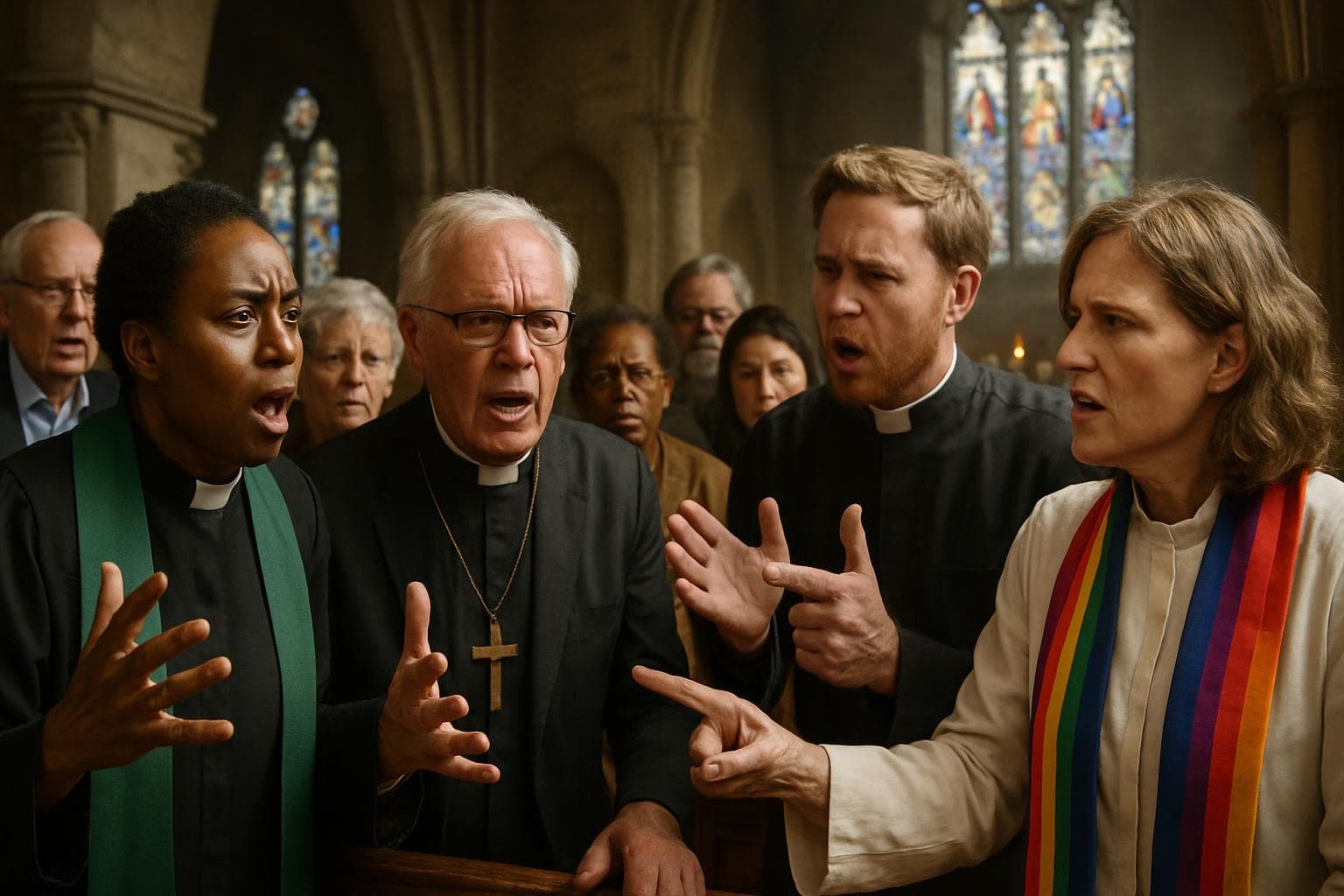
The Church of England's General Synod has decided to cease efforts to introduce same-sex blessing ceremonies, a move that has sparked disappointment and anger among many within the church. The decision, made during a meeting in London, reflects deep-seated divisions between conservative and liberal factions that have persisted for decades.
The Decision and Its Impact
The Synod's decision to halt the process known as Living in Love and Faith (LLF) was supported by a vote of 252 to 132, with 21 members abstaining. This marks the end of a three-year effort to allow clergy to conduct special services for same-sex couples in civil marriages. Archbishop of York Stephen Cottrell expressed regret over the outcome, acknowledging the pain felt across the church's diverse theological spectrum.
Emotional Testimonies and Reactions
The debate was marked by emotional testimonies from LGBTQ+ members and their allies. Reverend Charlie Bączyk-Bell, a gay priest, criticized the church for continuing to inflict pain on its LGBTQ+ members. "How dare we come again to lament and recognize distress while we continue to inflict it?" he questioned. Claire Robson, another priest, lamented that the changes she longed for might come too late for her and others.
Historical Context and Future Prospects
The Church of England's struggle with LGBTQ+ equality has a long history, with debates dating back to the 1970s. Despite the legalization of same-sex marriage in England and Wales in 2014, the church has maintained its stance against such unions for clergy. The LLF process, which cost £1.6 million, was an attempt to find a compromise, allowing blessings for same-sex couples while maintaining the ban on same-sex marriage.
WHAT THIS MIGHT MEAN
The decision to halt work on same-sex blessings leaves the Church of England at a crossroads. With the issue now deferred until a new Synod is elected, both conservative and liberal factions are expected to campaign vigorously. The outcome of these elections could significantly influence the church's future stance on LGBTQ+ equality.
Experts suggest that the ongoing debate may continue to strain the church's unity, potentially leading to further divisions. As the church grapples with these challenges, the voices of those affected by its decisions will remain crucial in shaping its path forward. The establishment of a working group, as proposed by Archbishop Cottrell, may offer a platform for continued dialogue and eventual reconciliation.
Related Articles
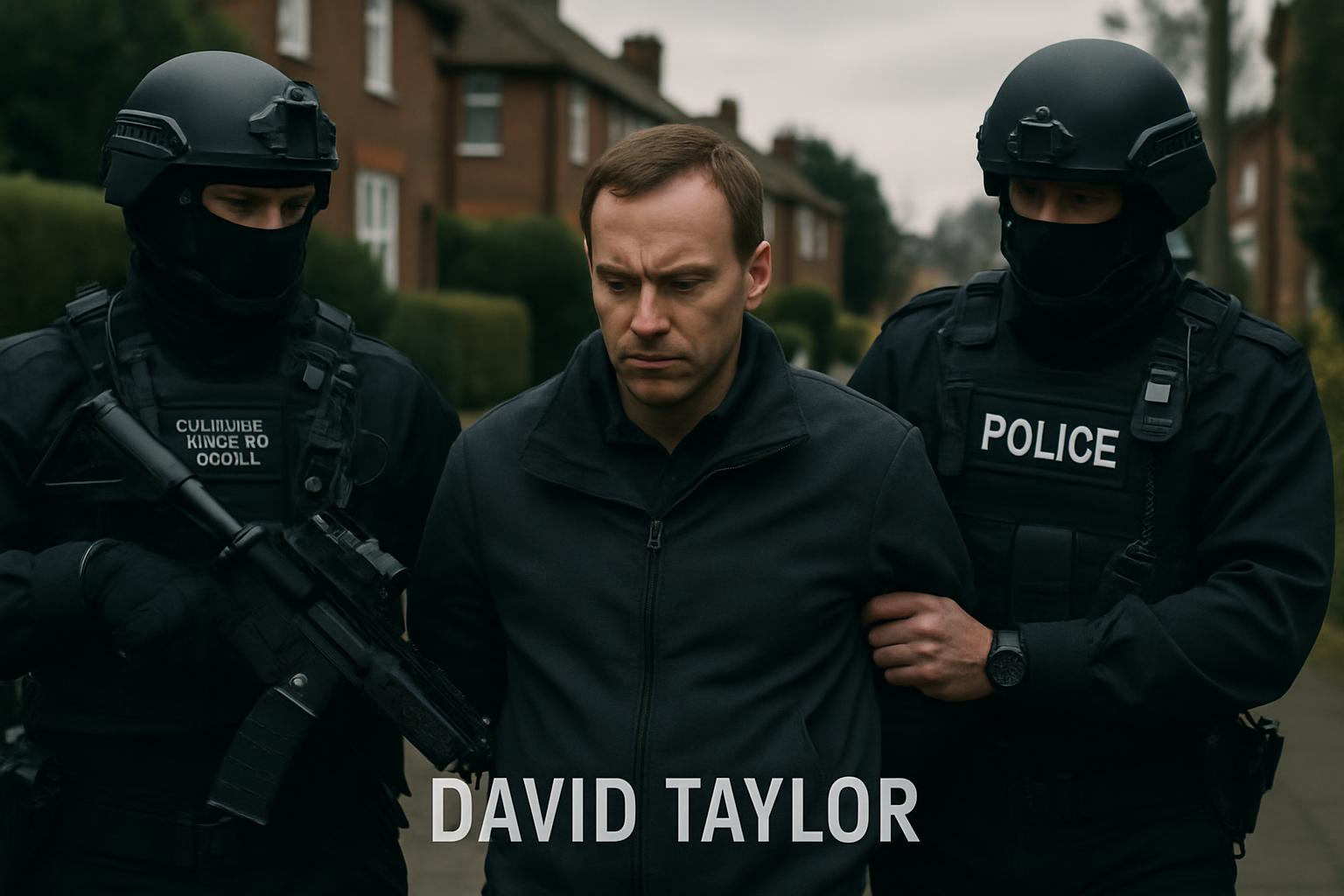
Labour MP's Husband Arrested in UK-China Espionage Probe

Saharan Dust to Illuminate UK Skies with Vivid Sunrises and Sunsets

Sisters Tragically Drown at Eryri National Park's Watkin Path

Police Federation Chief Arrested Amid Fraud Investigation

Government Announces £4 Billion Overhaul of SEND Support in England

Bafta Film Awards 2023: A Night of Glamour, Talent, and Fashion Statements
Church of England Halts Same-Sex Blessing Ceremonies Amid Ongoing Debate
In This Article
 Sofia Romano| Published
 HIGHLIGHTS
- The Church of England's General Synod has halted work on same-sex blessing ceremonies, citing theological and legal barriers.
- The decision follows a decade-long debate and a £1.6 million process, leaving many LGBTQ+ members feeling hurt and disappointed.
- Archbishop of York Stephen Cottrell acknowledged the widespread anger and proposed a working group to continue discussions.
- The Living in Love and Faith (LLF) process was ended by a Synod vote of 252 to 132, with 21 abstentions.
- The issue of LGBTQ+ equality will remain unresolved until a new Synod is elected, with factions likely to campaign on this issue.
The Church of England's General Synod has decided to cease efforts to introduce same-sex blessing ceremonies, a move that has sparked disappointment and anger among many within the church. The decision, made during a meeting in London, reflects deep-seated divisions between conservative and liberal factions that have persisted for decades.
The Decision and Its Impact
The Synod's decision to halt the process known as Living in Love and Faith (LLF) was supported by a vote of 252 to 132, with 21 members abstaining. This marks the end of a three-year effort to allow clergy to conduct special services for same-sex couples in civil marriages. Archbishop of York Stephen Cottrell expressed regret over the outcome, acknowledging the pain felt across the church's diverse theological spectrum.
Emotional Testimonies and Reactions
The debate was marked by emotional testimonies from LGBTQ+ members and their allies. Reverend Charlie Bączyk-Bell, a gay priest, criticized the church for continuing to inflict pain on its LGBTQ+ members. "How dare we come again to lament and recognize distress while we continue to inflict it?" he questioned. Claire Robson, another priest, lamented that the changes she longed for might come too late for her and others.
Historical Context and Future Prospects
The Church of England's struggle with LGBTQ+ equality has a long history, with debates dating back to the 1970s. Despite the legalization of same-sex marriage in England and Wales in 2014, the church has maintained its stance against such unions for clergy. The LLF process, which cost £1.6 million, was an attempt to find a compromise, allowing blessings for same-sex couples while maintaining the ban on same-sex marriage.
WHAT THIS MIGHT MEAN
The decision to halt work on same-sex blessings leaves the Church of England at a crossroads. With the issue now deferred until a new Synod is elected, both conservative and liberal factions are expected to campaign vigorously. The outcome of these elections could significantly influence the church's future stance on LGBTQ+ equality.
Experts suggest that the ongoing debate may continue to strain the church's unity, potentially leading to further divisions. As the church grapples with these challenges, the voices of those affected by its decisions will remain crucial in shaping its path forward. The establishment of a working group, as proposed by Archbishop Cottrell, may offer a platform for continued dialogue and eventual reconciliation.
Related Articles
Labour MP's Husband Arrested in UK-China Espionage Probe
Saharan Dust to Illuminate UK Skies with Vivid Sunrises and Sunsets
Sisters Tragically Drown at Eryri National Park's Watkin Path
Police Federation Chief Arrested Amid Fraud Investigation
Government Announces £4 Billion Overhaul of SEND Support in England
Bafta Film Awards 2023: A Night of Glamour, Talent, and Fashion Statements