
Claudette Colvin: Unsung Civil Rights Pioneer Dies at 86
In This Article
HIGHLIGHTS
- Claudette Colvin, a pivotal yet lesser-known figure in the civil rights movement, died at 86 in Texas.
- At 15, Colvin was arrested for refusing to give up her bus seat in Montgomery, Alabama, nine months before Rosa Parks' similar act.
- Her defiance contributed to the Browder v Gayle lawsuit, leading to the Supreme Court's 1956 decision ending bus segregation.
- Despite her early role, Colvin lived in relative obscurity, overshadowed by Parks due to social class and colorism issues.
- Colvin's legacy was later recognized, with her juvenile arrest record expunged and her story gaining attention.
Claudette Colvin, a trailblazer in the fight against racial segregation, passed away at the age of 86 in Texas. Her courageous act of defiance at just 15 years old played a crucial role in the civil rights movement, yet her story remained largely untold for decades.
A Defiant Stand Against Segregation
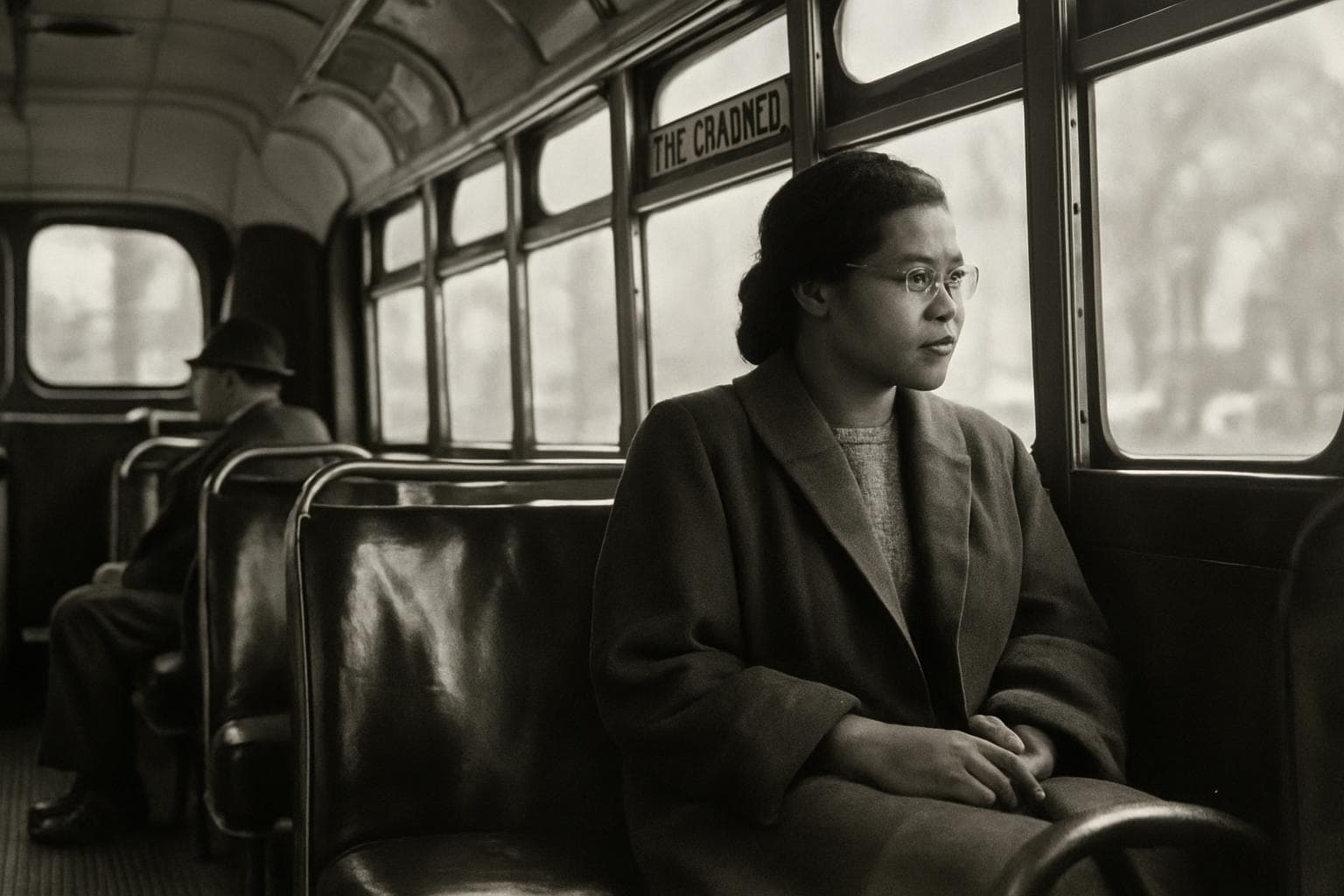
In March 1955, Colvin refused to give up her seat to a white passenger on a Montgomery, Alabama bus, an act that led to her arrest. This occurred nine months before Rosa Parks' similar protest, which became a catalyst for the Montgomery bus boycott. Colvin's arrest was one of the first publicized acts of civil disobedience against the Jim Crow laws governing bus seating by race.
Legal Battle and Legacy
Colvin's testimony was instrumental in the Browder v Gayle lawsuit, which challenged Montgomery's bus segregation policies. This case culminated in a landmark Supreme Court decision in 1956, declaring such segregation unconstitutional. Despite her significant contribution, Colvin's story was overshadowed by Parks, partly due to social class and colorism, as well as Colvin's personal circumstances at the time.
Recognition and Reflection
Over the years, historians and civil rights advocates have worked to highlight Colvin's pivotal role. Fred Gray, the attorney for Browder v Gayle, acknowledged her courage, stating, "Claudette gave all of us the moral courage to do what we did." In recent years, Colvin succeeded in having her juvenile arrest record expunged, further cementing her rightful place in history.
WHAT THIS MIGHT MEAN
Claudette Colvin's passing marks a moment for reflection on the complexities of the civil rights movement and the individuals who shaped it. As her story gains recognition, it underscores the importance of acknowledging all contributors to social change, regardless of their initial visibility. Moving forward, Colvin's legacy may inspire renewed discussions on the intersectionality of race, class, and gender within historical narratives. Her story serves as a reminder of the many unsung heroes whose courage laid the groundwork for progress in the fight against racial discrimination.
Related Articles
Trump Administration Sues Harvard Over Alleged Non-Compliance in Admissions Investigation

British Woman's Death in Texas Ruled Unlawful Killing by Coroner

Scottish Government Faces Legal Challenge Over Transgender Inmate Policy

Five-Year-Old and Father Released from ICE Detention Amid National Outcry
Judge Orders Release of Child and Father from ICE Detention Amid National Outcry

James Talarico Secures Democratic Nomination in Texas Senate Race Amidst Republican Runoff
Claudette Colvin: Unsung Civil Rights Pioneer Dies at 86
In This Article
 Sofia Romano| Published
 HIGHLIGHTS
- Claudette Colvin, a pivotal yet lesser-known figure in the civil rights movement, died at 86 in Texas.
- At 15, Colvin was arrested for refusing to give up her bus seat in Montgomery, Alabama, nine months before Rosa Parks' similar act.
- Her defiance contributed to the Browder v Gayle lawsuit, leading to the Supreme Court's 1956 decision ending bus segregation.
- Despite her early role, Colvin lived in relative obscurity, overshadowed by Parks due to social class and colorism issues.
- Colvin's legacy was later recognized, with her juvenile arrest record expunged and her story gaining attention.
Claudette Colvin, a trailblazer in the fight against racial segregation, passed away at the age of 86 in Texas. Her courageous act of defiance at just 15 years old played a crucial role in the civil rights movement, yet her story remained largely untold for decades.
A Defiant Stand Against Segregation
In March 1955, Colvin refused to give up her seat to a white passenger on a Montgomery, Alabama bus, an act that led to her arrest. This occurred nine months before Rosa Parks' similar protest, which became a catalyst for the Montgomery bus boycott. Colvin's arrest was one of the first publicized acts of civil disobedience against the Jim Crow laws governing bus seating by race.
Legal Battle and Legacy
Colvin's testimony was instrumental in the Browder v Gayle lawsuit, which challenged Montgomery's bus segregation policies. This case culminated in a landmark Supreme Court decision in 1956, declaring such segregation unconstitutional. Despite her significant contribution, Colvin's story was overshadowed by Parks, partly due to social class and colorism, as well as Colvin's personal circumstances at the time.
Recognition and Reflection
Over the years, historians and civil rights advocates have worked to highlight Colvin's pivotal role. Fred Gray, the attorney for Browder v Gayle, acknowledged her courage, stating, "Claudette gave all of us the moral courage to do what we did." In recent years, Colvin succeeded in having her juvenile arrest record expunged, further cementing her rightful place in history.
WHAT THIS MIGHT MEAN
Claudette Colvin's passing marks a moment for reflection on the complexities of the civil rights movement and the individuals who shaped it. As her story gains recognition, it underscores the importance of acknowledging all contributors to social change, regardless of their initial visibility. Moving forward, Colvin's legacy may inspire renewed discussions on the intersectionality of race, class, and gender within historical narratives. Her story serves as a reminder of the many unsung heroes whose courage laid the groundwork for progress in the fight against racial discrimination.
Related Articles
Trump Administration Sues Harvard Over Alleged Non-Compliance in Admissions Investigation
British Woman's Death in Texas Ruled Unlawful Killing by Coroner
Scottish Government Faces Legal Challenge Over Transgender Inmate Policy
Five-Year-Old and Father Released from ICE Detention Amid National Outcry
Judge Orders Release of Child and Father from ICE Detention Amid National Outcry
James Talarico Secures Democratic Nomination in Texas Senate Race Amidst Republican Runoff